
Vitamin A and Overall Health
Vitamin A is one of the essential nutrients the body needs for daily function. It plays a key role in maintaining vision, especially in low light, and strengthening the immune system.
Beyond that, Vitamin A supports cell growth, promotes healthy skin, and contributes to reproductive health.
Understanding Vitamin A — including its benefits, dietary sources, and recommended intake — helps us maintain overall wellness more effectively.
Table of Content : Vitamin A
Understanding Vitamin A – What Exactly Is It?
Vitamin A is a fat-soluble vitamin vital for several physiological functions. Since our body cannot produce it naturally, we must obtain it from food or supplements. A deficiency in Vitamin A can lead to various health problems affecting the eyes, immune system, and skin.
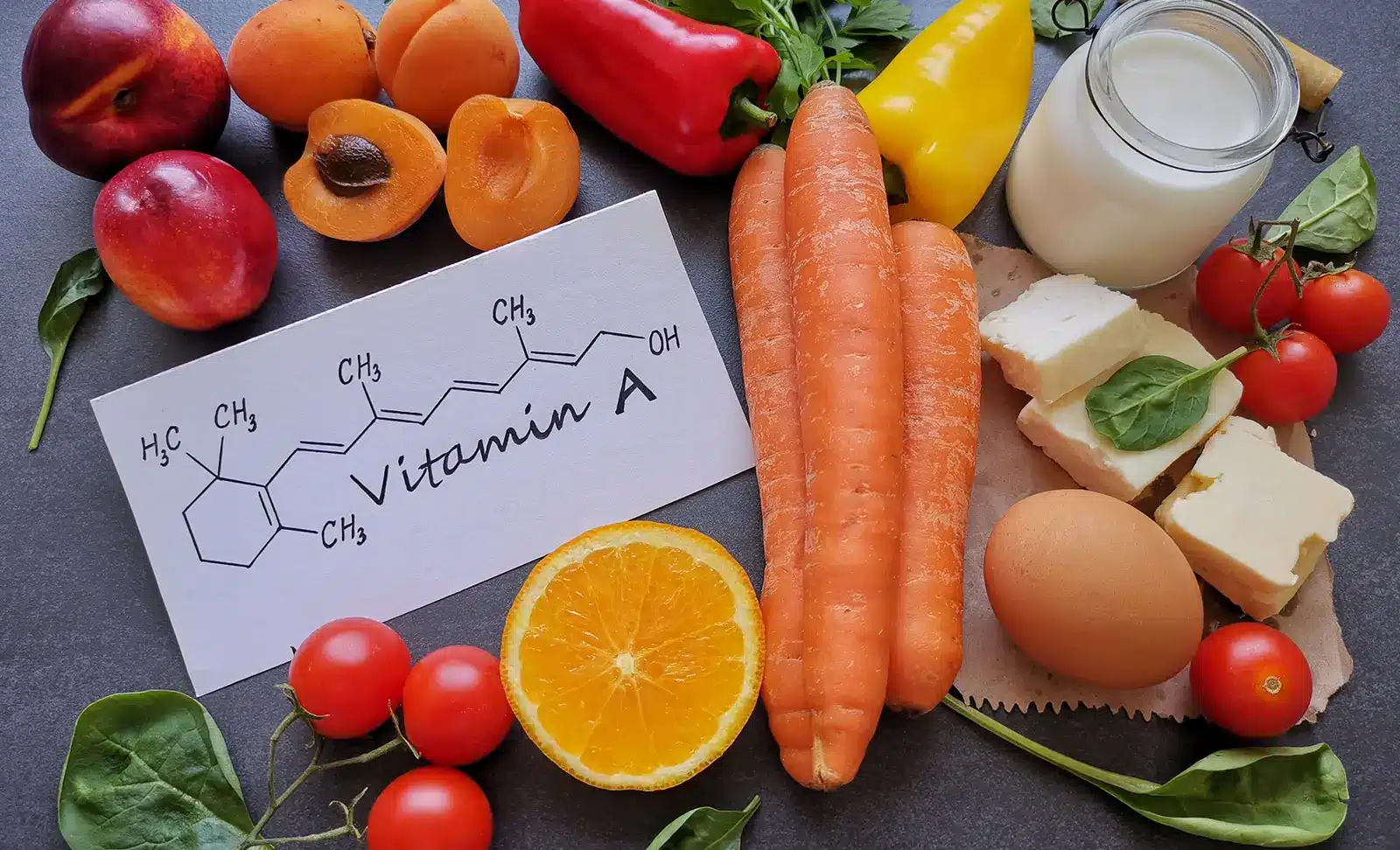
While most people know Vitamin A for its role in vision, it also provides broader benefits — enhancing the immune response, supporting cell growth and development, and maintaining the health of skin and mucous membranes throughout the body.
Types of Vitamin A
Vitamin A is classified into two main types:
- Retinol (Preformed Vitamin A): The active form found in animal-based foods such as meat, liver, fish, eggs, and dairy products. This form can be readily used by the body.
- Provitamin A (Beta-Carotene): Found in plant-based foods, especially orange, yellow, and dark green vegetables and fruits such as carrots, pumpkins, and leafy greens. The body converts Beta-Carotene into Vitamin A as needed.
Key Health Benefits of Vitamin A
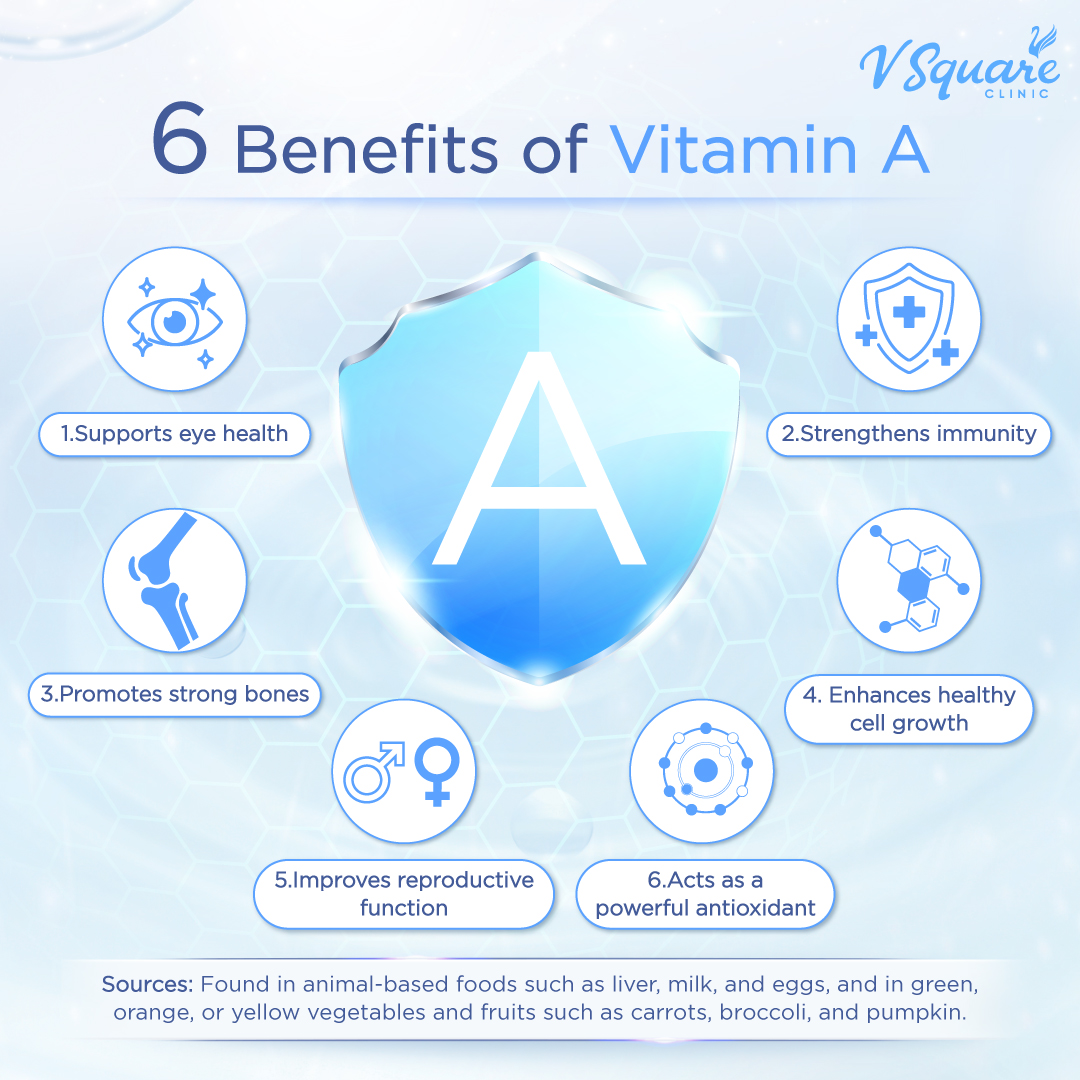
1. Vitamin A and Vision Health
Vitamin A plays a crucial role in vision, particularly in dim light. It helps produce rhodopsin, a protein essential for photoreceptor cells in the retina. A deficiency in Vitamin A can cause night blindness, making it difficult to see in low-light conditions.
Additionally, Vitamin A supports corneal health, maintains eye moisture, and prevents dryness of the conjunctiva — reducing the risk of dry eye syndrome and promoting long-term eye wellness.
2. Vitamin A as an Immune Booster
Vitamin A helps strengthen the body’s immune system by enhancing the function of immune cells that fight bacteria, viruses, and other pathogens.
It also reinforces mucosal barriers in areas such as the respiratory tract, skin, and gastrointestinal lining — helping the body resist infections more effectively.
3. Vitamin A and Cellular Growth
Vitamin A is essential for cell division and tissue development, particularly in epithelial tissues such as the skin, respiratory tract, and digestive system.
Getting enough Vitamin A helps these cells function properly, allowing the body to repair and replace damaged tissues efficiently.
4. Vitamin A and Reproductive Health
Vitamin A plays a significant role in reproductive health for both men and women, helping reduce the risk of infertility.
- In men, it supports sperm production and maintains sperm quality.
- In women, it is vital for placental development and fetal growth during pregnancy.
- In children, Vitamin A contributes to normal growth, neurological development, and immune function.
5. Vitamin A for Bone Health
Vitamin A works synergistically with Vitamin D and calcium to support bone and dental health.
Adequate Vitamin A intake helps prevent bone loss, tooth decay, and reduces the risk of osteoporosis in older adults.
6. Vitamin A as a Powerful Antioxidant
Vitamin A — especially in the form of Beta-Carotene — acts as a potent antioxidant that protects cells from damage caused by free radicals.
This antioxidant activity helps lower the risk of chronic diseases such as heart disease and certain types of cancer, while also promoting youthful, healthy-looking skin.
What Happens When the Body Lacks Vitamin A?
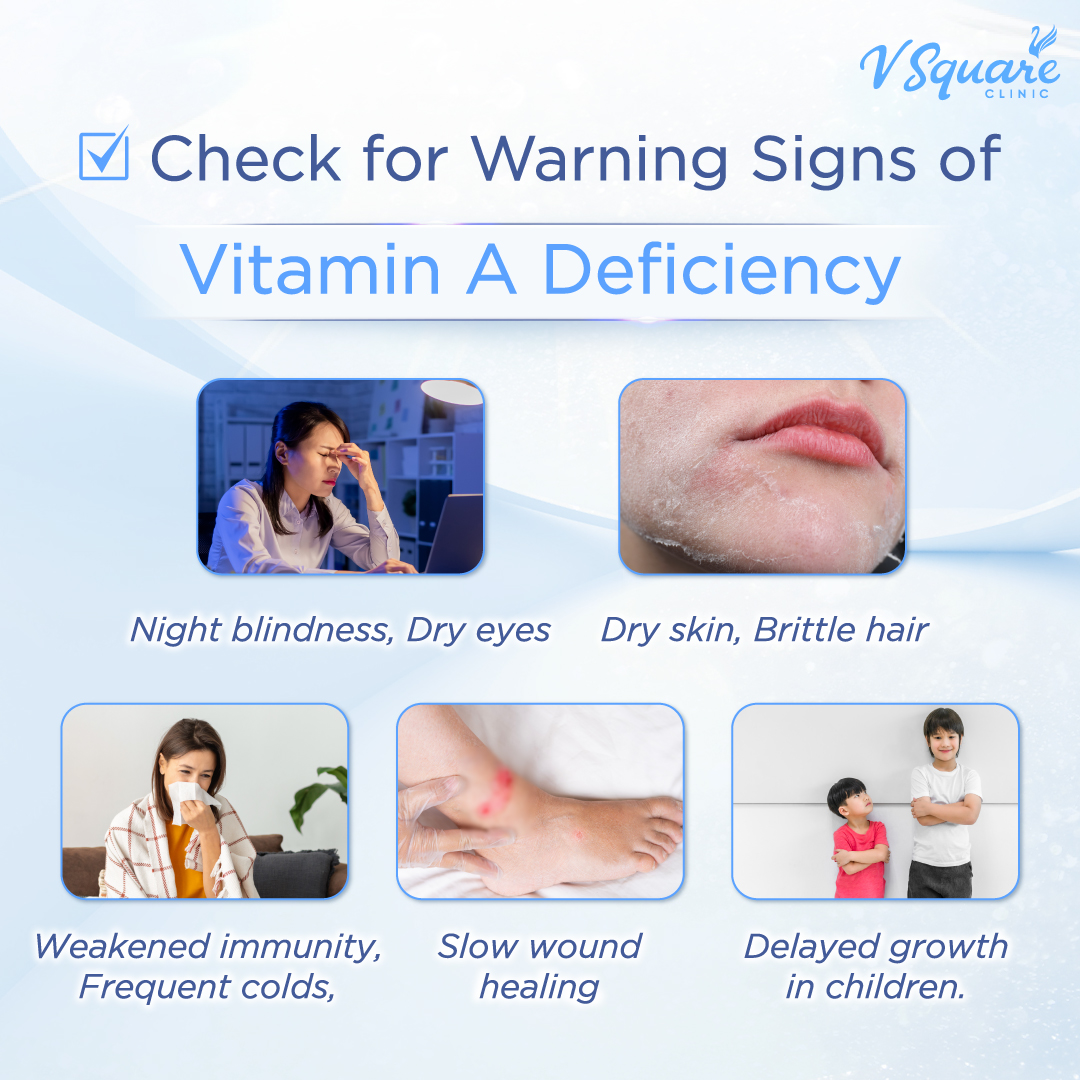
A deficiency in Vitamin A can lead to several health problems. Common symptoms and signs include:
- Vision problems: such as night blindness, dry eyes, blurred vision, a gritty sensation, eye irritation, or even complete blindness in severe cases.
- Weakened immunity: making the body more prone to infections, colds, skin diseases, and slower recovery.
- Skin problems: including dryness, rough texture, rash, and easily infected wounds, especially on the arms and legs.
- Delayed growth in children: resulting in lower weight and height compared to normal developmental milestones.
- Reproductive issues: which may affect pregnancy and fetal development.
- Inflamed mucous membranes: particularly in the respiratory and digestive tracts.
If you experience these symptoms, it’s advisable to consult a doctor for proper diagnosis and treatment.
Recommended Daily Intake of Vitamin A
The recommended daily intake of Vitamin A varies by age, gender, and life stage. On average, the following amounts are suggested:
- Adult men: approximately 900 micrograms or 3,000 IU per day.
- Adult women: approximately 700 micrograms or 2,330 IU per day.
- Pregnant women: around 770 micrograms per day.
- Breastfeeding women: about 1,300 micrograms per day.
- Children: between 300–600 micrograms per day, depending on age.
Dietary Sources of Vitamin A
Vitamin A can be obtained from two primary food groups:
1. Animal-based sources:
- Animal liver: one of the richest sources, especially from beef, pork, and chicken.
- Fatty fish: such as salmon, tuna, and sardines, provide a good amount of Vitamin A.
- Eggs: particularly the yolks, which are high in Vitamin A.
- Dairy products: such as milk, butter, and cheese, are fortified with Vitamin A.
- Cod liver oil: an extremely concentrated source of Vitamin A.
2. Plant-based sources (Provitamin A or Beta-Carotene):
- Orange and yellow vegetables: such as carrots, pumpkins, sweet potatoes, and corn.
- Dark green leafy vegetables: such as morning glory, Chinese cabbage, broccoli, and kale.
- Orange fruits: such as papaya, mango, and cantaloupe.
- Green leafy vegetables: such as lettuce, romaine, and bok choy.
- Tomatoes and tomato-based products.
Vitamin A can also be obtained from dietary supplements. However, since it is a fat-soluble vitamin, excessive intake can lead to Hypervitaminosis A, a potentially harmful condition. Always consult a doctor or pharmacist before taking supplements.

Hypervitaminosis A refers to an excessive accumulation of Vitamin A in the body, which can negatively affect organs such as the liver, bones, and nervous system.
Health Risks and Side Effects of Excessive Vitamin A Intake
Consuming too much Vitamin A, particularly in the form of retinol from supplements or medication, can be harmful to the body.
Symptoms of Vitamin A Overdose
- Acute toxicity: may cause nausea, vomiting, headache, dizziness, and peeling skin.
- Chronic toxicity: can result in hair loss, brittle nails, dry or rough skin, joint pain, and liver enlargement.
- Pregnancy risks: excessive Vitamin A intake during pregnancy may increase the risk of birth defects.
- Bone fragility: prolonged high intake can weaken bones and increase the likelihood of fractures.
Precautions for Specific Groups
- Pregnant women: should always consult a doctor before taking Vitamin A supplements.
- People with liver disease: should limit their Vitamin A intake due to slower metabolism.
- Elderly individuals: may require lower amounts compared to younger adults.
- Those taking certain medications: should check for possible interactions with Vitamin A.
Strengthen Immunity with Vitamin A — But How Much Is Too Much?
There are many ways to strengthen the immune system, including:
- Eating a balanced diet rich in nutrients.
- Getting enough rest to allow the body to recover.
- Engaging in regular exercise to promote circulation and metabolism.
In addition to lifestyle habits, medical-grade immune support — such as vitamin drips — can help deliver essential nutrients, vitamins, and antioxidants directly into the bloodstream. This method enhances immune function, revitalizes the body, and helps improve skin health efficiently.
However, vitamin drips should always be administered under the supervision of an experienced doctor to ensure both safety and personalized results for each patient.
Which Vitamin Drip Is Best for Immune Support?
If you’re looking to boost your immune system through a vitamin drip, there are several options available. At V Square Wellness Center, we offer multiple formulas under the V Healthy Booster series, each tailored to specific needs:
- Immune V Booster: helps strengthen the immune system, reduce the frequency of illness, and protect the body from pathogens. It’s ideal for individuals who get sick easily, suffer from chronic allergies, migraines, sinusitis, or chronic skin rashes such as urticaria.
- Myer’s V Booster: a revitalizing formula that enhances both physical and mental performance. It helps combat fatigue, nutritional deficiencies, and exhaustion caused by lack of rest.
- Brain V Booster: improves cognitive function and neural repair by stimulating the nervous system, reducing fatigue, and promoting alertness and focus.
To ensure safety and optimal results, vitamin drips should always be performed in a certified clinic under the supervision of experienced doctors.

Interested in trying a health-boosting vitamin drip at V Square Clinic?
Click to check our latest promotions.

FAQ – Frequently Asked Questions About Vitamin A
1. Is it harmful to take Vitamin A every day?
Taking Vitamin A daily is generally safe, as long as you stay within the recommended amounts. It’s best to get Vitamin A from natural food sources, since the body can regulate absorption more effectively. If supplements are needed, always follow your doctor’s or pharmacist’s guidance and avoid exceeding the advised dosage.
2. What are the benefits of Vitamin A for facial skin, and why is it so popular?
Vitamin A offers multiple skin benefits, which is why its derivatives, such as retinoids, are commonly used in topical and oral skincare treatments. They help address issues like acne, uneven texture, and aging skin through the following actions:
- Reduce wrinkles by stimulating collagen production and accelerating cell turnover.
- Smooth skin texture by minimizing large pores and roughness.
- Reduce acne inflammation through anti-inflammatory properties that calm redness and breakouts.
- Promote exfoliation to reveal brighter, more radiant skin.
- Fade dark spots and help even out skin tone by reducing melanin buildup.
- Increase hydration by improving the skin’s ability to retain moisture.
- Provide UV protection through antioxidant activity against free radicals caused by sunlight.
- Repair damaged skin by encouraging the regeneration of new, healthy skin cells.
When using Vitamin A-based skincare, start with a low concentration and gradually increase to allow the skin to adjust. Always use sunscreen, as Vitamin A can make the skin more sensitive to sunlight.
Products containing Vitamin A should be used under the guidance of a doctor — especially for individuals with chronic illnesses, pregnant women, or nursing mothers.
3. Can Vitamin A really help reduce cancer risk?
Some studies suggest that Vitamin A and Beta-Carotene intake may help lower the risk of certain cancers, such as lung, bladder, cervical, and lymphoma. However, research findings remain inconclusive, and more studies are needed to confirm a definitive link.
Summary – Why Vitamin A Is Essential for the Body
Vitamin A plays a vital role in overall health — from supporting vision and strengthening the immune system to promoting cell growth and maintaining healthy skin.
Getting Vitamin A naturally through diet is the most effective and safest way to maintain healthy levels. Brightly colored fruits and vegetables, as well as meats, fish, and dairy products, are all excellent sources.
However, excessive intake can lead to toxicity and health complications. Therefore, it’s important to follow the recommended dietary guidelines for your age and gender. If you’re considering Vitamin A supplements, consult a qualified physician to ensure safe and personalized care.
Reference
- Vitamin A – Uses, Side Effects, and More
- Vitamin A Toxicity: How Much Vitamin A Is Too Much?
- Vitamin A Excess(Vitamin A Toxicity)

สำหรับผู้อ่านทุกท่านที่มีข้อสงสัยเพิ่มเติม ทีมแพทย์ V Square Clinic ทุกคนยินดีให้คำปรึกษาฟรี โดยไม่มีค่าใช้จ่าย หรือสามารถปรึกษาหมอทาง inbox facebook หรือ Line นี้ได้เลยครับ หมอตอบเองครับ

What Is a Weight Loss Pen? How It Works & How to Choose the Right Option for Effective Results
Reading Time: 10 minutesObesity has become a major global health concern, leading many people to seek weight-loss methods that are both safe and effective. A weight loss pen, also known as a weight loss injection pen, is one of the medical innovations that has gained significant popularity in recent years

Wegovy Weight Loss Pen (Semaglutide): A Medical Approach ...
Reading Time: 10 minutesWegovy is a weight-loss pen developed in Denmark, containing the active ingredient Semaglutide. It is a treatment option designed to help individuals with obesity reduce weight and lower long-term health risks associated with excess body fat.

What Is Sinusitis? Causes, Treatments, and Ways to Streng...
Reading Time: 7 minutesSinusitis is becoming increasingly common, affecting around 15% of the general population. Although the condition is not typically dangerous and can be fully treated, inadequate self-care may lead to chronic symptoms or complications that require longer treatment.

What Visceral Fat Is — 9 Ways to Reduce VF Levels and Low...
Reading Time: 11 minutesMany people think visceral fat is the same as the belly fat you can see or pinch. In reality, visceral fat also surrounds vital organs such as the liver, intestines, and heart. Because of its location, it provides important clues about overall health.

Get to Know inBo — A New Korean-Swedish Botox with Fast R...
Reading Time: 8 minutesinBo is a new-generation botulinum toxin that has been gaining a lot of attention thanks to its high purity, fast onset, natural-looking results, and brand transparency. The manufacturer clearly discloses both the bacterial strain and its production origin, which many patients appreciate.

Best Ways to Tighten Enlarged Pores for Smoother Skin — W...
Reading Time: 14 minutesEnlarged pores can make the skin appear uneven and affect overall confidence. Today, there are many ways to tighten pores — from skincare ingredients and topical treatments to medical-grade procedures.