
Visceral Fat Is the Type of Fat That Must Be Kept in Balance
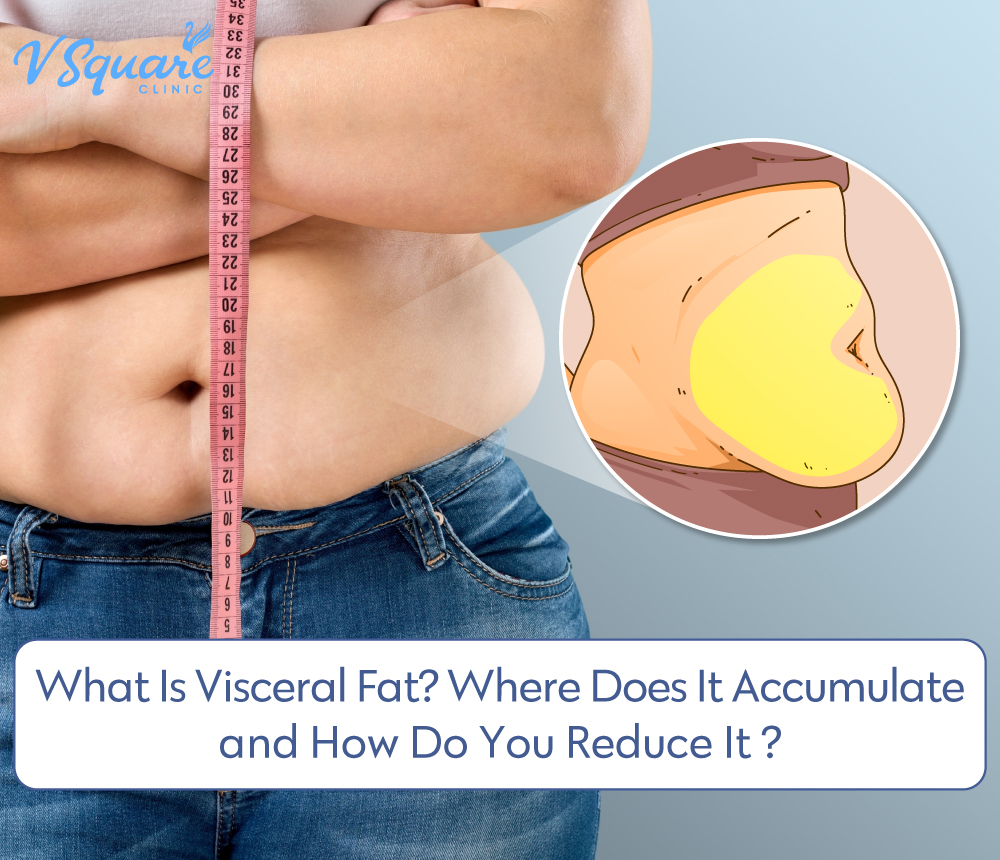
Many people think visceral fat is the same as the belly fat you can see or pinch. In reality, visceral fat also surrounds vital organs such as the liver, intestines, and heart. Because of its location, it provides important clues about overall health. Even people who do not appear overweight can still have elevated VF levels, increasing the risk of chronic health conditions.
This article explains what visceral fat is, where it accumulates, how it affects overall health, and how to maintain a balanced VF level for long-term wellness.
Table of Content : Visceral Fat is
What Visceral Fat Is
Visceral fat is the fat stored deep inside the abdominal cavity, surrounding essential organs such as the liver, intestines, and heart. Unlike subcutaneous fat, which lies beneath the skin and can be seen or pinched, visceral fat sits deeper within the body.
In moderate amounts, it helps cushion organs from impact. However, excessive visceral fat disrupts hormones and metabolic function, increasing the risk of heart disease, diabetes, hypertension, and abnormal lipid profiles.
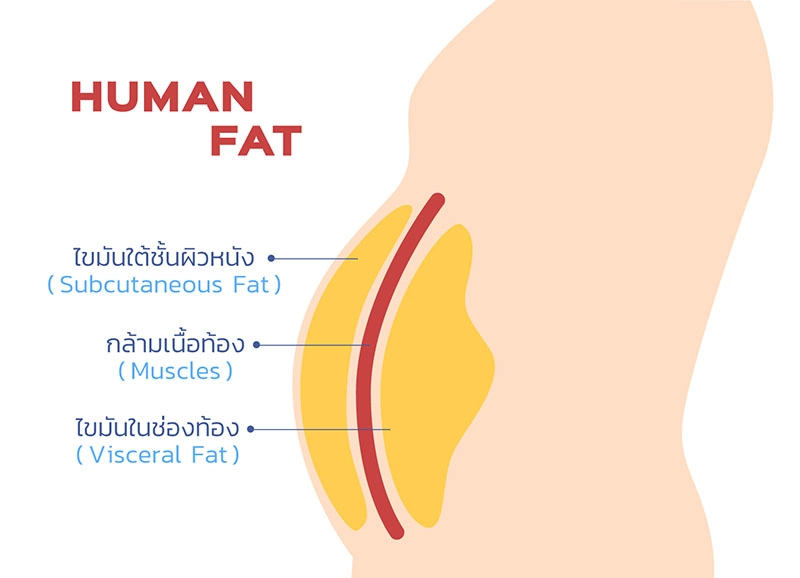
Visceral Fat vs Subcutaneous Fat — What’s the Difference?
Although both types of fat come from excess energy storage, they differ significantly in where they are found and how they affect your health.
| Type of Fat | Location | Key Characteristics | Health Impact When Excessive | Recommended Ways to Reduce |
|---|---|---|---|---|
| Visceral Fat | Located deep inside the abdominal cavity, surrounding vital organs such as the liver, intestines, and heart. | Not visible from the outside | Affects hormonal balance and metabolism; increases the risk of heart disease, diabetes, and high blood lipids |
|
| Subcutaneous Fat | Located beneath the skin, such as the abdomen, upper arms, and thighs | Can be pinched or grabbed with the hands | Affects external body shape, causing a bulky appearance, uneven proportions, thigh chafing, large arms, and increased risk of obesity |
|
Where Does Visceral Fat Accumulate?
Many people believe visceral fat is found only in the abdominal or belly area. In reality, this type of fat can accumulate around several vital organs:
- Heart: Excess visceral fat increases the risk of cardiovascular diseases.
- Intestines: Fat buildup may interfere with digestion and nutrient absorption.
- Kidneys: Increased abdominal pressure may impair kidney function.
- Liver & Gallbladder: Associated with fatty liver disease and inflammation.
- Pancreas: Fat surrounding the pancreas can disrupt insulin production and worsen diabetes risk.

People with belly fat typically have both visceral fat and subcutaneous fat. Visceral fat sits deeper and surrounds internal organs, while subcutaneous fat lies just beneath the skin in the abdominal layer — the part you can pinch when squeezing the belly.
What Causes Visceral Fat?
Visceral fat develops when the body stores more energy than it uses, particularly from high-calorie foods such as refined carbohydrates, trans fats, and sugary items. When calorie intake exceeds energy expenditure, the surplus is stored as fat, and a portion of it accumulates deep in the abdominal cavity.
Other factors that increase visceral fat include:
- Unbalanced eating habits: Especially processed foods, fried foods, and sugary drinks
- Lack of exercise: Slows metabolism and reduces energy expenditure
- Chronic stress: Elevated cortisol levels encourage fat buildup around the abdomen
- Insufficient sleep: Disrupts hunger-regulating hormones (leptin and ghrelin), increasing appetite
- Genetics and aging: Age-related muscle loss slows metabolism and encourages fat storage
- Sex hormones: Particularly in postmenopausal women, reduced estrogen levels promote abdominal fat accumulation
Do Men and Women Accumulate Visceral Fat Differently?
Visceral fat can develop in all genders, but hormonal differences influence how and where it accumulates. These hormones also affect metabolism, energy storage, and overall body composition.
The comparison below highlights the key differences:
| Male | Female | |
|---|---|---|
| Primary fat storage area | Abdomen (Visceral Fat) | Hips and thighs (Subcutaneous Fat) |
| Influential hormone | Testosterone | Estrogen |
| Changes with age | Declining testosterone levels lead to increased abdominal fat | After menopause, decreased estrogen levels shift fat storage toward the abdomen |
| Health impact | Higher risk of diabetes, heart disease, and vascular conditions | Increased risk of diabetes, heart disease, and vascular issues after menopause |
Understanding Visceral Fat Levels — What Is the Healthy Range?
Having visceral fat does not automatically mean poor health. A certain amount is necessary to cushion and protect your internal organs. What matters more is keeping your visceral fat level (VF level) within a healthy range to support long-term metabolic balance.
A standard, healthy visceral fat level is about 10% of total body fat. The value is typically measured using a Body Composition Analyzer, which categorizes results as follows:
| Visceral Fat Level (VF Level) | Assessment | Meaning |
|---|---|---|
| 1-9 | Within normal range | Sufficient visceral fat to protect internal organs; indicates good metabolic health |
| 10-14 | Slightly elevated | Lifestyle adjustments are recommended — reducing high-fat foods and increasing physical activity |
| 15 and above | Above the healthy range | Higher risk of heart disease, diabetes, hypertension, and metabolic syndrome; medical evaluation is advised |
How Can You Tell If You Have Too Much Visceral Fat?
Accurately measuring visceral fat usually requires medical tools such as a Body Composition Analyzer, CT scan, or MRI.
However, you can get an initial sense at home by checking your waist circumference and calculating your BMI. Each method offers a different perspective, and together they can help indicate whether your visceral fat may be higher than ideal.
Medical Methods for Measuring Visceral Fat
Visceral fat is most commonly assessed with a Body Composition Analyzer, which uses Bioelectrical Impedance Analysis (BIA). This method sends a safe, low-frequency electrical current through the body and measures how easily it passes through different tissues. The results help estimate muscle mass, total body fat, and your visceral fat level (VF level) quickly and efficiently.
For more detailed imaging, CT scans and MRI offer precise views of how visceral fat is distributed in the body. Because they are more costly and designed for diagnostic use, they are not typically used for routine health screening.
Self-Assessment Methods for Estimating Excess Visceral Fat
Although these methods aren’t as precise as medical tests, they can give you a useful indication of whether visceral fat may be elevated.
| Assessment Method | Description | Healthy Range | Notes |
|---|---|---|---|
| Waist Circumference | Use a measuring tape around the waist above the hip bone (not around the belly). |
|
Higher values indicate increased visceral fat risk. |
| Waist-to-Hip Ratio (WHR) | Waist circumference (cm) ÷ Hip circumference (cm) |
|
Values above the cutoff reflect abdominal obesity. |
| Body Mass Index (BMI) | Weight (kg) ÷ Height² (m²) | For Asians: 18.5–22.9 is optimal | ≥ 23 indicates overweight; ≥ 30 indicates high visceral fat risk. |
| Waist-to-Height Ratio (WHtR) | Waist circumference ÷ Height | ≤ 0.5 for both genders | If your waist exceeds half your height, the risk of heart disease and metabolic syndrome increases. |
What Health Risks Are Associated with High Visceral Fat Levels?
Excess visceral fat releases inflammatory cytokines and certain hormones that disrupt metabolic processes, increasing the risk of several chronic diseases.
| Disease Category | Mechanism | Common Conditions |
|---|---|---|
| Cardiovascular Circulatory Diseases | Visceral fat triggers inflammation of blood vessels, increases LDL (“bad” cholesterol), and lowers HDL (“good” cholesterol). |
|
| Metabolic Disorders | Excess abdominal fat contributes to insulin resistance, leading to poor blood sugar control. |
|
| Liver Digestive System | Fat accumulation around the liver causes direct fat infiltration into liver cells. |
|
| Functional Disorders | Large amounts of visceral fat compress the chest and airways, and increase systemic inflammation. |
|
How to Reduce Visceral Fat Effectively
Reducing visceral fat effectively comes down to consistent lifestyle habits — particularly balanced eating, regular physical activity, and healthier daily routines. Here are the key strategies:
1. Avoid Foods That Promote Excess Fat Storage
Limit processed foods, sugary drinks, and foods high in saturated fat, such as fried items, pastries, and sweetened beverages. These excess calories are easily stored as visceral fat. Choose healthier fat sources instead, like salmon, avocados, nuts, and extra-virgin olive oil.
2. Increase Vegetable and Fruit Intake
Vegetables and fruits are rich in fiber, helping you feel full longer, slow sugar absorption, and improve gut balance. This helps regulate insulin levels and lowers the likelihood of visceral fat accumulation. Choose lower-sugar fruits such as berries, apples, or guavas.
3. Do Regular Cardio Exercise
Cardio exercise stimulates the cardiovascular system through continuous movement — such as brisk walking, running, swimming, cycling, or aerobic dance.
Aim for at least 150 minutes per week to help burn excess calories and significantly reduce abdominal fat.

4. Do Weight Training
Weight training involves using resistance — such as dumbbells, resistance bands, or bodyweight exercises like push-ups — to increase muscle mass. As muscle increases, the body burns more energy even at rest, helping reduce visceral fat continuously. When combined with cardio exercise, it supports fat reduction while improving overall body proportions.
5. Practice IF (Intermittent Fasting)
Intermittent Fasting (IF) is an eating pattern that limits food intake to a specific time window — for example, the 16/8 method (fasting for 16 hours, eating within 8 hours). This approach encourages the body to draw energy from stored fat, which helps lower visceral fat.
6. Stay Hydrated
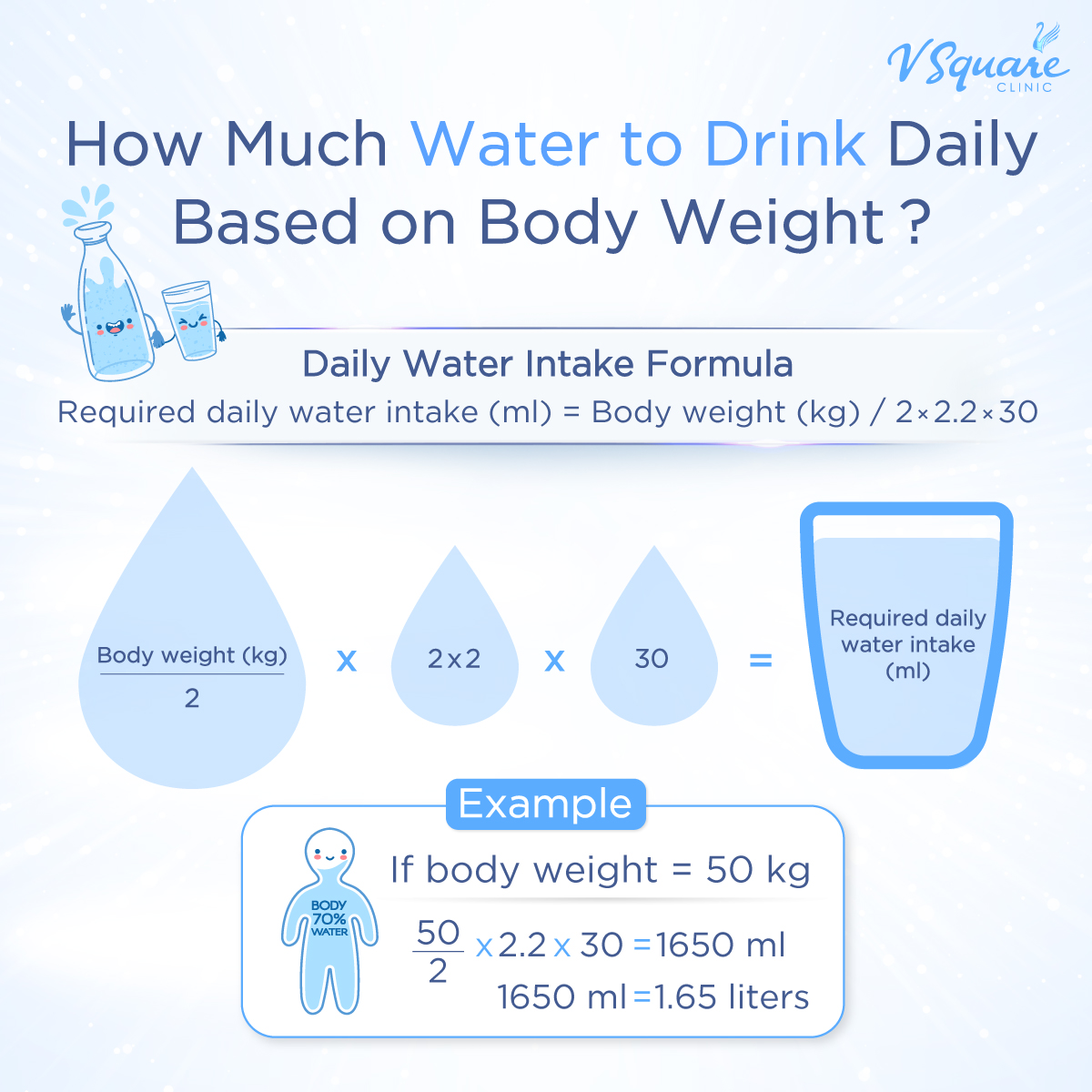
Aim to drink 1.5–2 liters of water per day, or adjust based on your body weight. Proper hydration supports digestion and metabolic function and may also help reduce appetite.
7. Reduce Stress
Chronic stress raises cortisol levels, which stimulates the body to store more visceral fat than usual. Engaging in relaxing activities — such as listening to music, walking, or practicing meditation — can help reduce this effect.
8. Get Enough Sleep
Insufficient sleep directly affects metabolism. Sleeping fewer than 6 hours per night increases ghrelin — the hormone that triggers hunger — and lowers leptin, which signals fullness. This leads to overeating and easier fat accumulation, particularly visceral fat.
For adults, 7–9 hours of sleep per night is recommended by the National Sleep Foundation to support metabolic balance, proper recovery, and reduced insulin resistance associated with visceral fat.
9. Avoid Alcohol and Stop Smoking
Alcohol and smoking increase inflammation and encourage the body to store more fat around the abdominal area. Reducing or eliminating these habits helps decrease visceral fat more quickly and improves cardiovascular health.
Is There a Fast Way to Reduce Visceral Fat?
Currently, there is no quick method to eliminate visceral fat because it lies deep around internal organs. Meaningful, lasting improvement comes from steady lifestyle habits — including balanced diet, regular exercise, quality sleep, and stress management. These changes work together to gradually lower visceral fat in a healthy, sustainable way.
However, when targeting subcutaneous fat beneath the skin — such as on the arms, thighs, or abdomen — to improve body contour, several non-surgical medical treatments can help, including:
- Meso Fat: An injectable treatment placed under the skin in areas with excess fat (e.g., cheeks, double chin, arms, thighs). It helps break down fat cells, which are then eliminated naturally. Suitable for facial contouring or spot reduction.
- CoolSculpting: A fat-freezing technique (cryolipolysis) that reduces fat cells by 20–30% per session. Best for larger areas such as the abdomen, thighs, or belly.
- Thermage FLX: A monopolar RF tightening treatment that delivers energy deep into the fat layer to stimulate collagen production and firm the skin. While it does not directly destroy fat cells, it improves contour, reduces laxity, and enhances firmness after weight loss.
Interested in targeted fat-reduction treatments at V Square Clinic?
Click to view the latest promotions.

Weight-Loss Injections — A Medical Tool to Improve Eating Behavior and Reduce Visceral Fat
Weight-loss injections can help reduce visceral fat by approximately 15%, and support overall weight loss of 15–22% when used consistently under medical supervision. They are suitable for individuals with a BMI ≥ 30, or BMI ≥ 27 who also have weight-related health conditions.
These medications mimic natural hormones such as GLP-1 and GIP, which help regulate blood sugar and energy metabolism. They work by reducing appetite, slowing digestion, and helping you feel full sooner and for longer — leading to fewer calories consumed throughout the day.
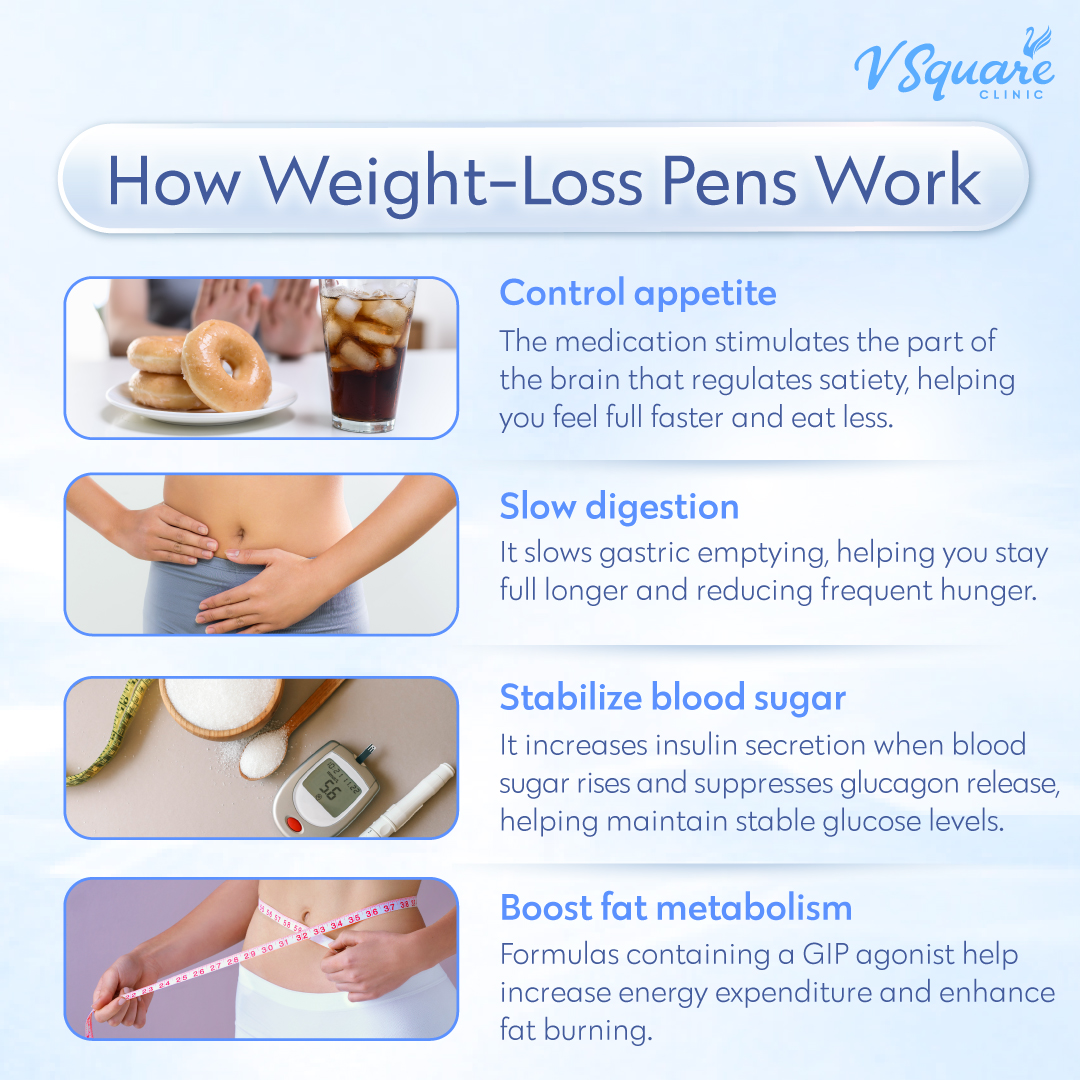
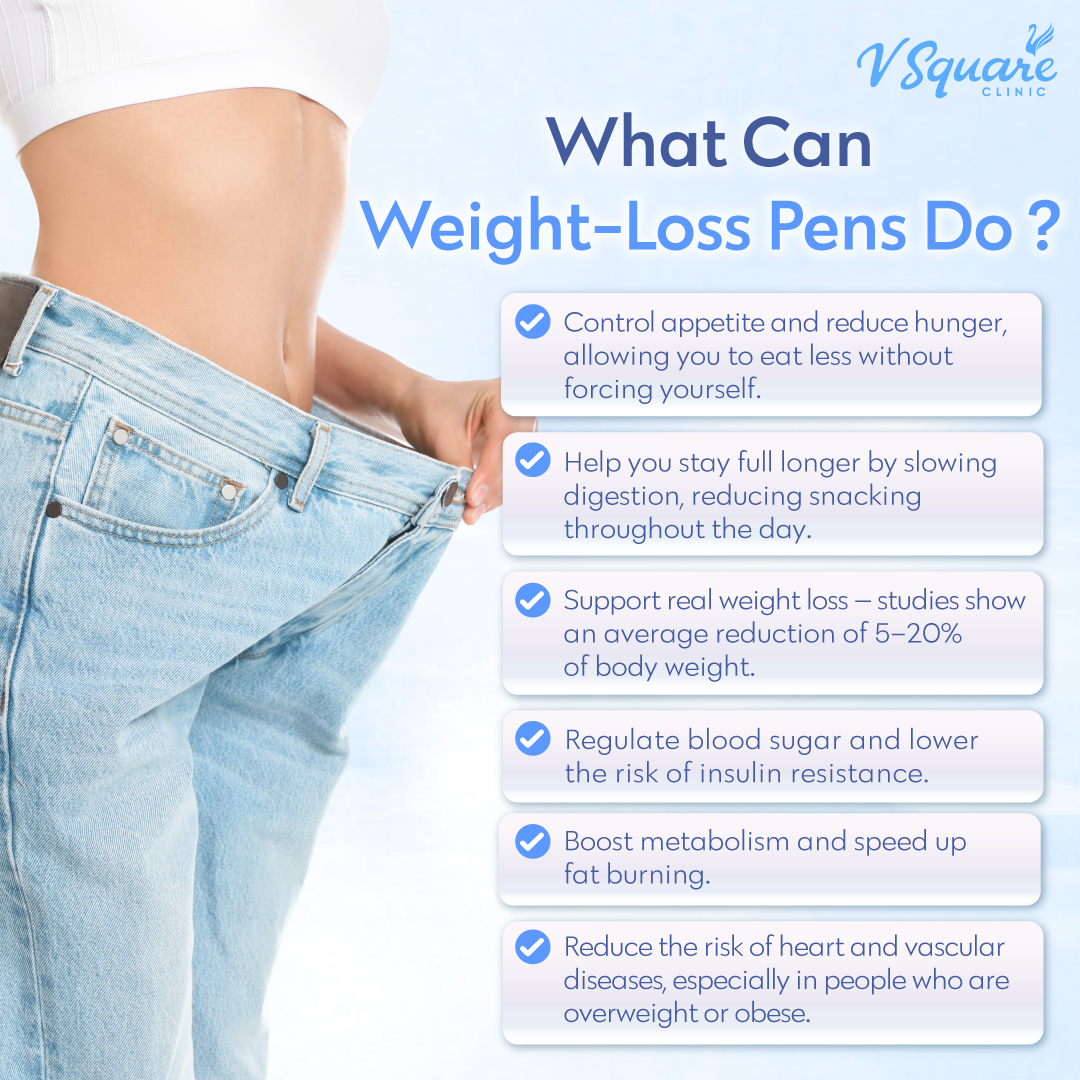
Since weight-loss injections are prescription medications, they must be administered and monitored by a doctor. Before starting treatment, the doctor will review your medical history, assess your overall health, and determine the most suitable brand and dosage for you.

Frequently Asked Questions About Visceral Fat
Is Visceral Fat Difficult to Reduce?
Visceral fat isn’t as hard to reduce as many people think. Because it responds well to lifestyle changes — especially balanced eating and regular exercise — which help the body use abdominal fat more efficiently.
With consistent habits, many people start to see a noticeable reduction within 2–3 months.
Can a Slim Person With a Belly Have Visceral Fat?
Yes. Everyone has some visceral fat, and even people who appear slim can carry excess amounts if they rarely exercise, eat high-fat foods, or don’t get enough sleep.
This condition is known as TOFI (Thin Outside, Fat Inside) — where someone looks slim but has high internal fat around the organs. TOFI carries similar risks for diabetes, hypertension, and heart disease as obesity.
Regardless of body type, annual health check-ups are recommended to monitor VF Level and overall metabolic health.
Can Meso Fat Injections Reduce Visceral Fat?
No. Meso Fat injections work only on subcutaneous fat and cannot reach visceral fat. They are suitable for areas like the double chin, cheeks, arms, and thighs, but they do not affect the deeper fat surrounding internal organs.
Do Waist-Trimming Belts Reduce Visceral Fat?
No. Waist-trimming belts do not reduce visceral fat. They merely compress the abdomen temporarily or increase sweat and heat during workouts. This is not related to reducing fat around internal organs.
What Visceral Fat Level Is Considered Dangerous?
A healthy Visceral Fat Level is 1–9. Levels 10 or higher indicate increased risk for heart disease, hypertension, and insulin resistance.
Can Visceral Fat Be Eliminated Permanently?
Visceral fat cannot be removed permanently, but it can be reduced and maintained at a healthy level.
Long-term control relies on consistent habits — a balanced diet, regular exercise, adequate sleep, and routine health monitoring — to lower the risks associated with visceral fat.
Summary — Visceral Fat Is Manageable With the Right Approach
Visceral fat is the deep abdominal fat that surrounds and protects vital organs such as the liver, heart, and intestines. When excessive, it significantly increases the risk of heart disease, diabetes, and metabolic disorders.
The most effective approach is to keep your VF Level within a healthy range by adjusting eating habits, exercising regularly, managing stress, and ensuring adequate rest. With consistent lifestyle habits, visceral fat can be managed well to support long-term health.
Reference
- Gavin KM, Bessesen DH. Sex Differences in Adipose Tissue Function. Endocrinol Metab Clin North Am. 2020 Jun;49(2):215-228. doi: 10.1016/j.ecl.2020.02.008. Epub 2020 Apr 16. PMID: 32418585; PMCID: PMC7921847.
- Shuster A, Patlas M, Pinthus JH, Mourtzakis M. The clinical importance of visceral adiposity: a critical review of methods for visceral adipose tissue analysis. Br J Radiol. 2012 Jan;85(1009):1-10. doi: 10.1259/bjr/38447238. Epub 2011 Sep 21. PMID: 21937614; PMCID: PMC3473928.
- Yoo EG. Waist-to-height ratio as a screening tool for obesity and cardiometabolic risk. Korean J Pediatr. 2016 Nov;59(11):425-431. doi: 10.3345/kjp.2016.59.11.425. Epub 2016 Nov 18. PMID: 27895689; PMCID: PMC5118501.
- https://my.clevelandclinic.org/health/diseases/24147-visceral-fat

สำหรับผู้อ่านทุกท่านที่มีข้อสงสัยเพิ่มเติม ทีมแพทย์ V Square Clinic ทุกคนยินดีให้คำปรึกษาฟรี โดยไม่มีค่าใช้จ่าย หรือสามารถปรึกษาหมอทาง inbox facebook หรือ Line นี้ได้เลยครับ หมอตอบเองครับ

What Is a Weight Loss Pen? How It Works & How to Choose the Right Option for Effective Results
Reading Time: 10 minutesObesity has become a major global health concern, leading many people to seek weight-loss methods that are both safe and effective. A weight loss pen, also known as a weight loss injection pen, is one of the medical innovations that has gained significant popularity in recent years

Wegovy Weight Loss Pen (Semaglutide): A Medical Approach ...
Reading Time: 10 minutesWegovy is a weight-loss pen developed in Denmark, containing the active ingredient Semaglutide. It is a treatment option designed to help individuals with obesity reduce weight and lower long-term health risks associated with excess body fat.

What Is Sinusitis? Causes, Treatments, and Ways to Streng...
Reading Time: 7 minutesSinusitis is becoming increasingly common, affecting around 15% of the general population. Although the condition is not typically dangerous and can be fully treated, inadequate self-care may lead to chronic symptoms or complications that require longer treatment.

Get to Know inBo — A New Korean-Swedish Botox with Fast R...
Reading Time: 8 minutesinBo is a new-generation botulinum toxin that has been gaining a lot of attention thanks to its high purity, fast onset, natural-looking results, and brand transparency. The manufacturer clearly discloses both the bacterial strain and its production origin, which many patients appreciate.

Best Ways to Tighten Enlarged Pores for Smoother Skin — W...
Reading Time: 14 minutesEnlarged pores can make the skin appear uneven and affect overall confidence. Today, there are many ways to tighten pores — from skincare ingredients and topical treatments to medical-grade procedures.