
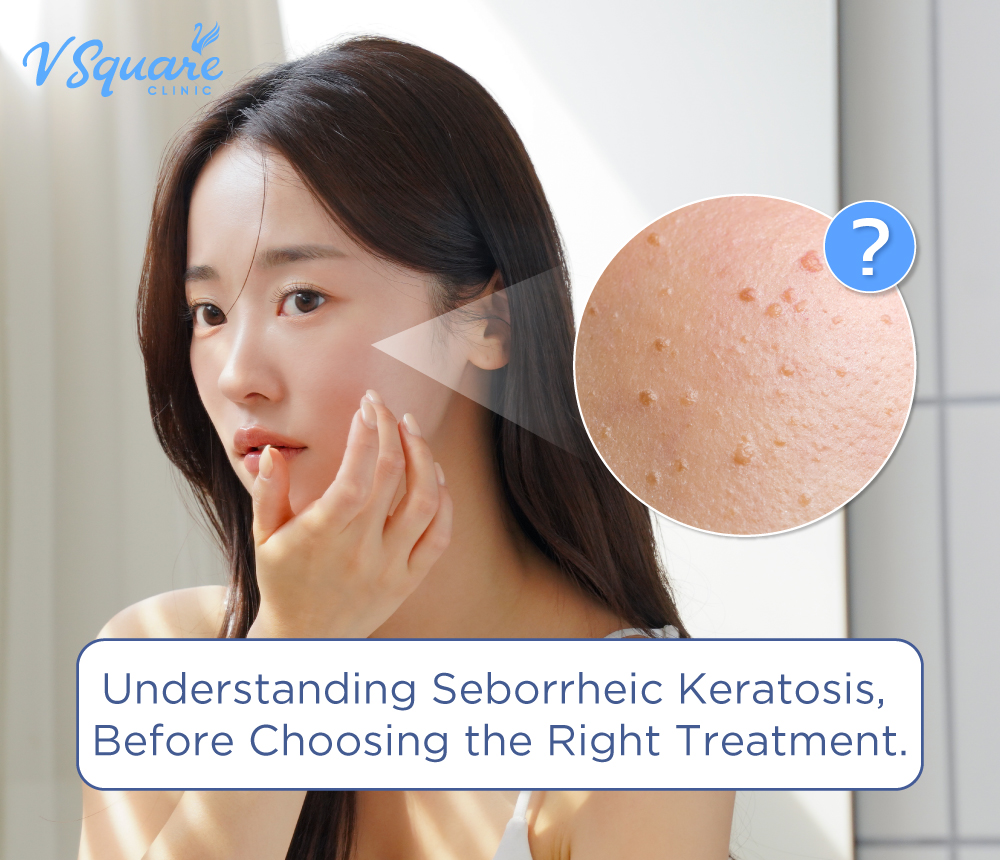
Seborrheic keratosis — A Skin Concern You Shouldn’t Overlook
Seborrheic keratosis is a common condition among adults and older individuals. Although it is a benign skin issue, many people choose to treat it because it can cause discomfort or affect confidence in daily life.
Today, several treatment options are available. Laser technology, in particular, can precisely and safely remove seborrheic keratosis while helping the skin appear smoother. In this article, we will explain the available treatment methods and answer common questions about seborrheic keratosis.
Table of Content : Seborrheic Keratosis
What is Seborrheic Keratosis?
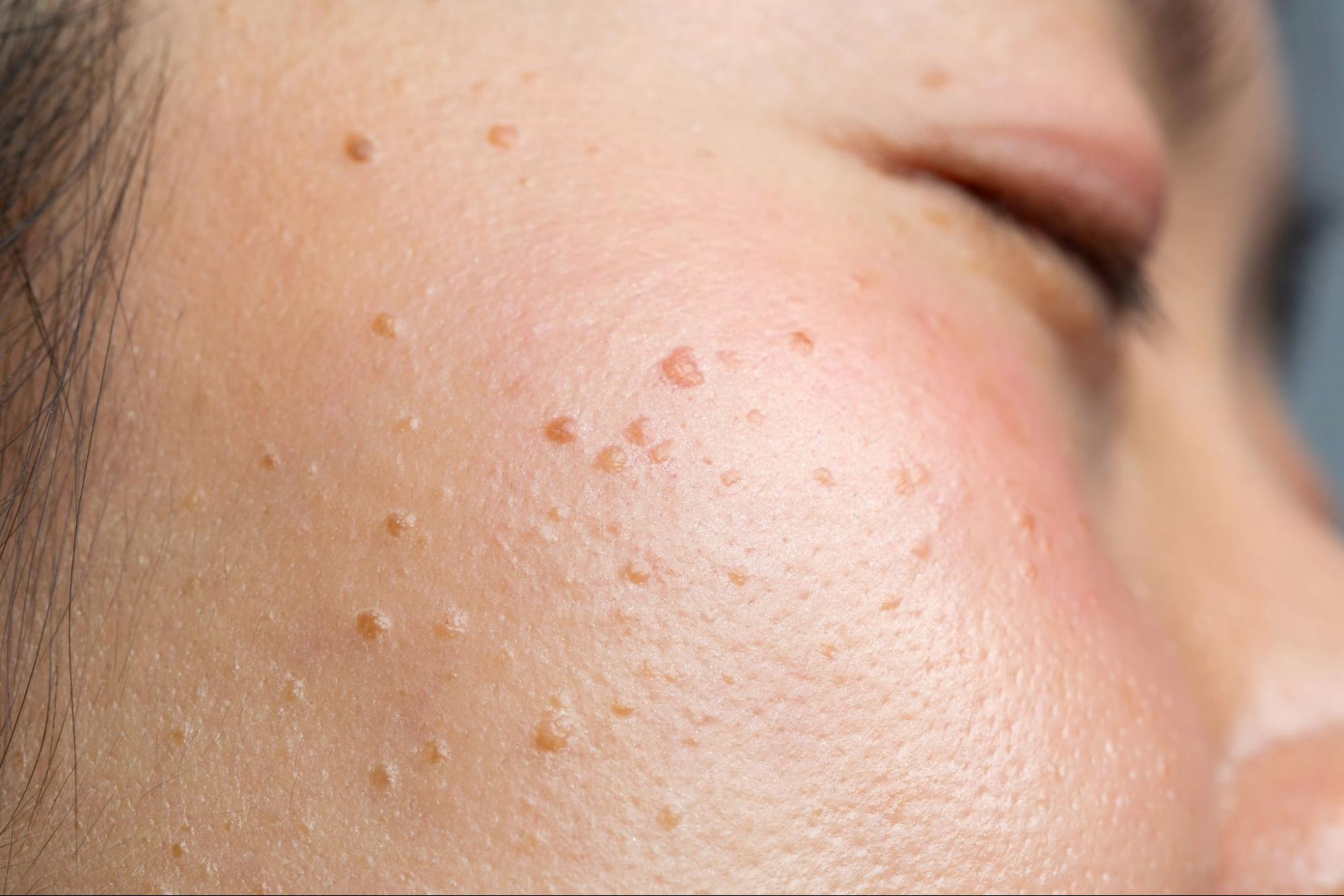
Seborrheic keratosis is a benign, raised skin growth caused by abnormal proliferation of epidermal cells (the upper layer of the skin). These growths can be as small as a pinhead or grow several centimeters over time. As they enlarge, the affected area often develops an uneven texture.
What Does Seborrheic Keratosis Look Like, and Where Does It Commonly Appear?
Seborrheic keratosis typically appears as small, raised bumps on the skin. They may look similar to warts or moles, often with a rough surface and shades ranging from light brown to dark brown or black. These lesions often appear in clusters and can occur almost anywhere on the body.
They are most commonly found on areas frequently exposed to sunlight, such as the face, around the eyes, chest, neck, back, and arms. Sun exposure accelerates skin aging, making these areas more prone to seborrheic keratosis.
What Causes Seborrheic Keratosis?
Seborrheic keratosis can develop due to several key factors:
- Natural skin aging, which commonly begins to appear in adults around age 30 and becomes more common with age
- Genetics — individuals with a family history of seborrheic keratosis have a higher likelihood of developing it
- Hormonal changes, especially during pregnancy
- Prolonged exposure to sunlight and UV radiation, which may contribute to the development of seborrheic keratosis
Is Seborrheic Keratosis Dangerous?
Seborrheic keratosis is not harmful and does not cause pain. However, the raised texture can make the skin appear uneven and affect confidence, especially when it develops on visible areas such as the face or arms. In some cases, friction may cause itching or irritation, which can interfere with daily activities.
How Can Seborrheic Keratosis Be Treated?
For those who wish to remove seborrheic keratosis and restore smoother skin, medical procedures are required. Several effective treatment methods are commonly used today.
Laser Removal for Seborrheic Keratosis
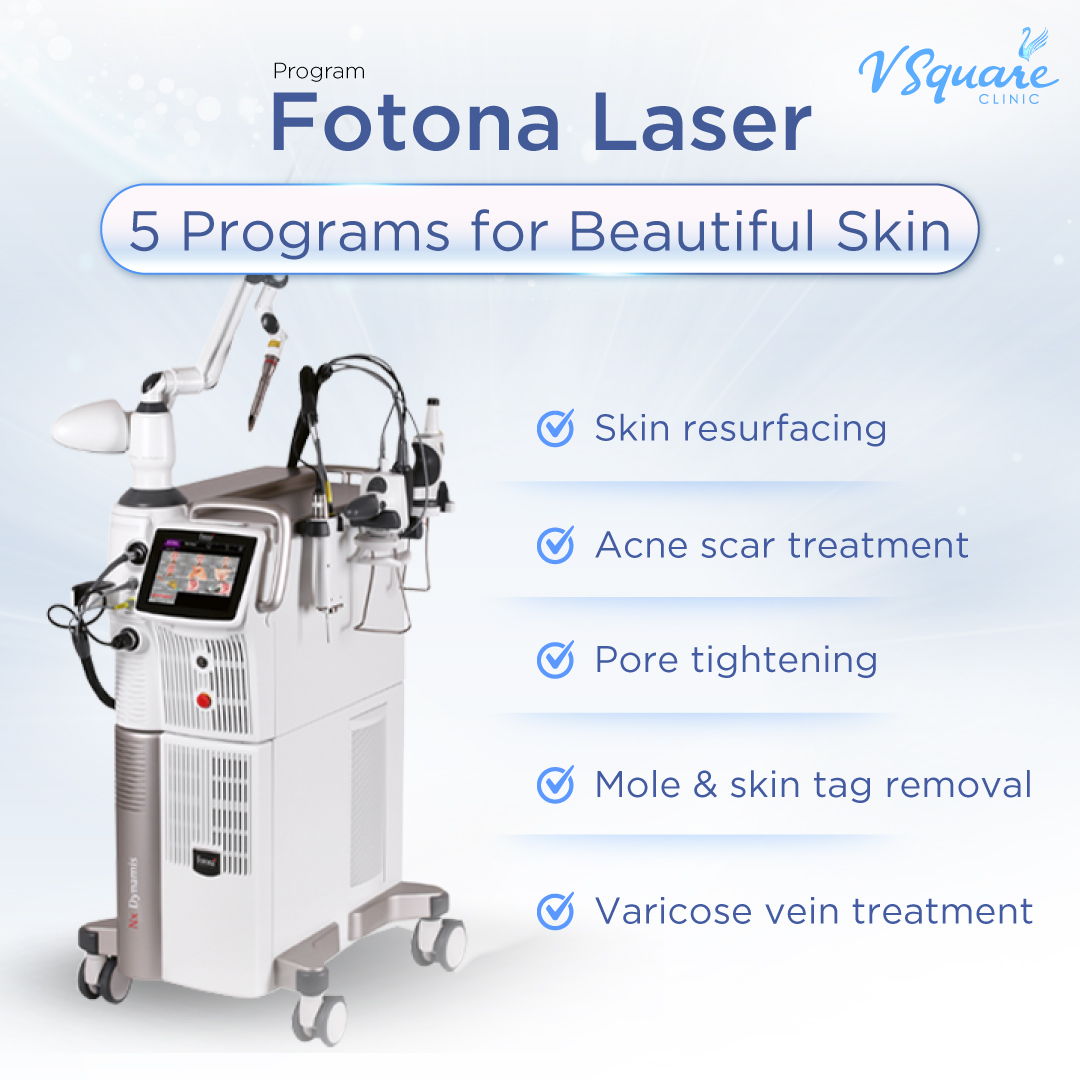
Laser removal uses modern laser energy to precisely target and eliminate seborrheic keratosis. This is the most popular method, and one device we often recommend is the Fotona SP Dynamis. It combines two wavelengths — Er:YAG (2940 nm) and Nd:YAG (1064 nm).
For removing skin tags, seborrheic keratosis, or moles, the Er:YAG laser is typically used. Its key advantage is precision: it vaporizes the lesion without damaging surrounding tissue, leaving smooth wound edges with no bleeding after the procedure.
Electrocautery
Electrocautery involves delivering a controlled electric current through a fine needle to burn off the seborrheic keratosis. The heat destroys the abnormal tissue, making this method suitable for thicker lesions. It should always be performed by an experienced doctor, as improper technique may increase the risk of scarring.
Cryotherapy
Cryotherapy uses extremely cold liquid nitrogen (-196°C) to freeze and destroy seborrheic keratosis. The lesion gradually falls off in about 14 days. This method is more suitable for very small growths.
Surgical Removal
Surgical excision removes the lesion using a blade. It is recommended for large seborrheic keratoses that require complete removal in one session. However, it may leave a scar and is not ideal for individuals prone to keloid formation.
Why Is Fotona Laser a Popular Treatment for Seborrheic Keratosis?
Fotona SP Dynamis is widely preferred for several reasons:
- Precise removal without damaging the surrounding tissue
- Minimal wounds with fast recovery and reduced risk of post-inflammatory hyperpigmentation
- High safety and accuracy
- Lower chance of scarring
- Non-surgical and no downtime
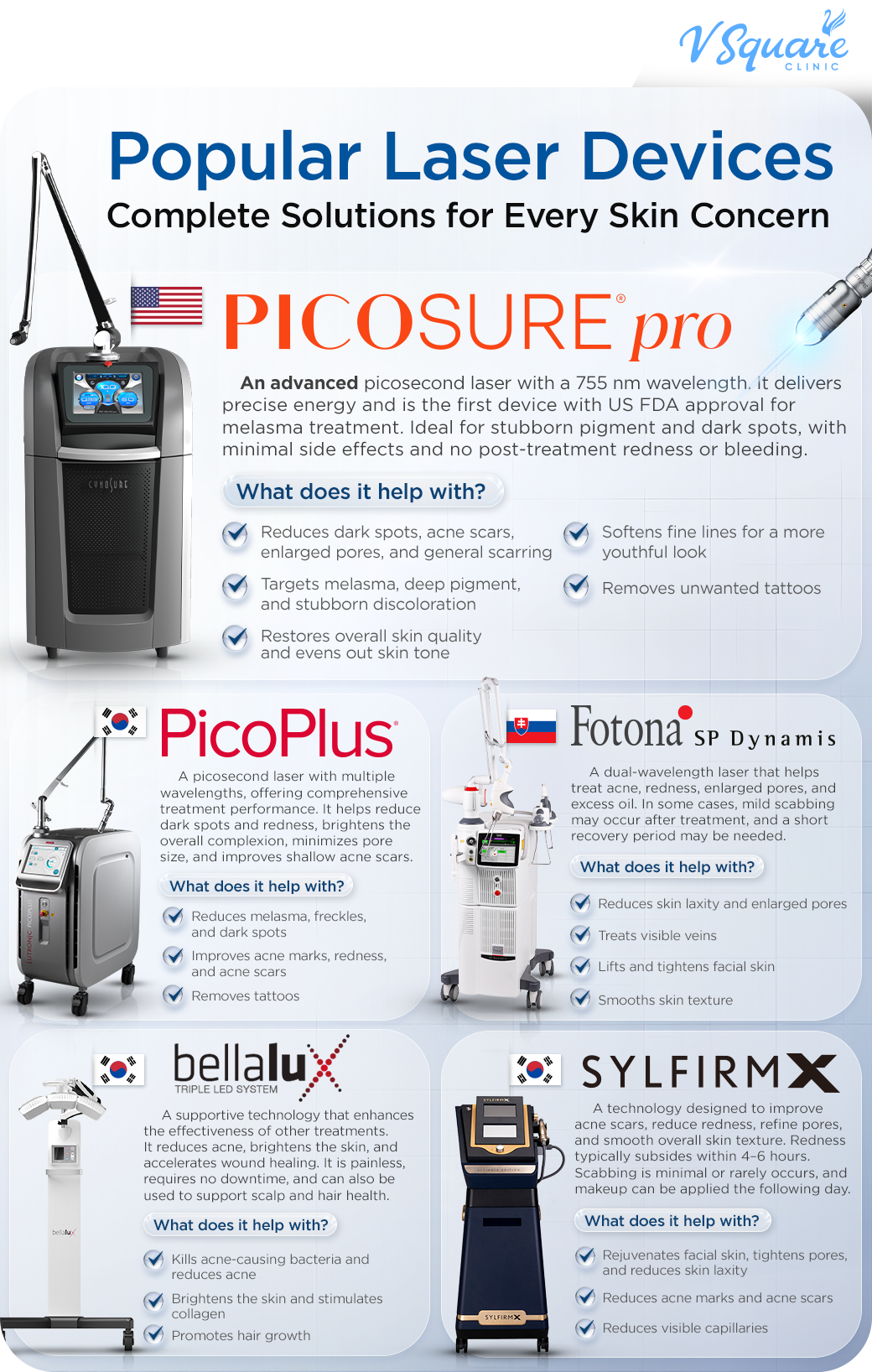
Another advantage of the Fotona laser is its ability to simultaneously rejuvenate the skin. It can also be combined with other laser technologies — such as PicoSure Pro, Pico Plus, Slyfirm, or Bellalux Lite — to address additional concerns like melasma, freckles, dark spots, dullness, and acne scars.
Where Should You Get Seborrheic Keratosis Treated?
When choosing where to treat seborrheic keratosis, it’s important to select a reliable and properly licensed clinic. This helps ensure safety and satisfying results. Key factors to consider include:
- The clinic must be legally registered, with a valid 11-digit medical license
- All procedures should be performed by qualified doctors, with proper evaluation of the skin before treatment
- Laser devices and medical equipment should be modern, high-quality, and legally imported
- There should be authentic reviews from real patients, ideally from multiple unbiased sources
- Treatment costs should be reasonable, especially when premium laser technology is used
Frequently Asked Questions (FAQs) About Seborrheic Keratosis
Q. Can seborrheic keratosis turn into cancer?
Seborrheic keratosis is a benign skin growth and does not develop into cancer. However, if you notice rapid changes in size, color, or shape, or if unusual symptoms appear, it is best to consult a dermatologist for proper evaluation.
Q. Can seborrheic keratosis be prevented?
Prevention can be difficult, especially when it is related to genetics or aging. However, you can reduce external risk factors by avoiding excessive sun exposure and using sunscreen regularly, especially on the face and neck.
Q. Will seborrheic keratosis go away on its own?
No. Once it appears, seborrheic keratosis does not go away on its own. It may gradually grow larger or increase in number over time. Medical treatment is the only effective way to remove it.
Q. Can seborrheic keratosis be cured permanently?
Once removed, the treated lesion does not return. However, new seborrheic keratoses may develop in other areas due to factors such as genetics and aging, which cannot be controlled.
Q. Does laser treatment for seborrheic keratosis hurt?
This depends on the type of laser used. For Fotona laser removal, numbing cream is applied beforehand, and in some cases, the doctor may use local anesthesia. During treatment, patients may feel warmth or slight stinging, particularly on thin skin or thicker lesions, but it is generally well-tolerated.
Q. How many laser sessions are needed?
This depends on the size and number of lesions. For large or multiple seborrheic keratoses, we may recommend 1–3 sessions, spaced about 4–8 weeks apart, to allow the skin to fully recover.
Summary: Seborrheic Keratosis — Causes and the Best Treatment Today
Seborrheic keratosis is common among adults and mostly results from natural skin aging. Although it is harmless, it can cause discomfort or affect confidence. While it cannot be fully prevented, the chance of developing new lesions may be reduced by consistently using sunscreen.
Laser treatment is currently the most popular and effective method for removing seborrheic keratosis. It offers precise results, fast recovery, and minimal scarring, making it one of the safest and most reliable treatment options available.

สำหรับผู้อ่านทุกท่านที่มีข้อสงสัยเพิ่มเติม ทีมแพทย์ V Square Clinic ทุกคนยินดีให้คำปรึกษาฟรี โดยไม่มีค่าใช้จ่าย หรือสามารถปรึกษาหมอทาง inbox facebook หรือ Line นี้ได้เลยครับ หมอตอบเองครับ

Best Ways to Tighten Enlarged Pores for Smoother Skin — Which Treatment Should You Choose?
Reading Time: 14 minutesEnlarged pores can make the skin appear uneven and affect overall confidence. Today, there are many ways to tighten pores — from skincare ingredients and topical treatments to medical-grade procedures.
Vitamin B Complex — A Complete Boost for Energy, Health, ...
Reading Time: 9 minutesมีคนอ่านบทความนี้แล้ว : 7 วันที่อัพเดตล่าสุด : 6 February 2026 Understanding Vitamin B Complex Vitamin B Complex is a key component in dietary supplements and vitamin drip programs because these nutrients play essential roles throughout the body. They support immune function, digestion, and the nervous system, and they also promote healthier skin, hair, and nails. This article […]

How Many Pico Laser Types Are There? Models, Modes, and K...
Reading Time: 9 minutesMany people may not realize that “Pico Laser” is not a single machine — but a category of laser technologies available in various types, models, and brands. These include PicoSure, PicoSure Pro, PicoPlus, Enlighten, PicoWay, and Discovery Pico, each designed to address different skin concerns.

What Is Yag Reju Laser Rejuvenation? Benefits, Suitabilit...
Reading Time: 11 minutesYag Reju Laser Rejuvenation is a treatment designed to improve underarm skin quality. It helps reduce keratosis pilaris–like bumps, smooth uneven texture, and stimulate collagen production. For individuals who feel self-conscious about rough or uneven underarm skin
Laser Scar Removal — A Safe, Effective Way to Fade Scars ...
Reading Time: 7 minutesLaser scar removal is a safe and effective option for improving different types of scars. It helps address concerns that can impact confidence and daily life — from acne marks to surgical scars and injury-related marks.