
Acne Scar Treatments
“Reducing acne scars” refers to improving skin that is left with dark marks, redness, or atrophic scars after acne heals. These concerns often require time and consistency to treat. Today, there are many acne scar treatment options — from topical creams and exfoliation to a range of medical procedures, each with its own strengths.
For those who want faster results, this article guides you through everything essential — what causes acne scars, the different types, how to prevent them, and the medical treatments that help fade marks more quickly. You’ll also find skincare tips to support safe and consistent improvement.
Table of Content : Acne Scar Treatment
How Do Acne Marks, Acne Scars, and Depressed Scars Develop?
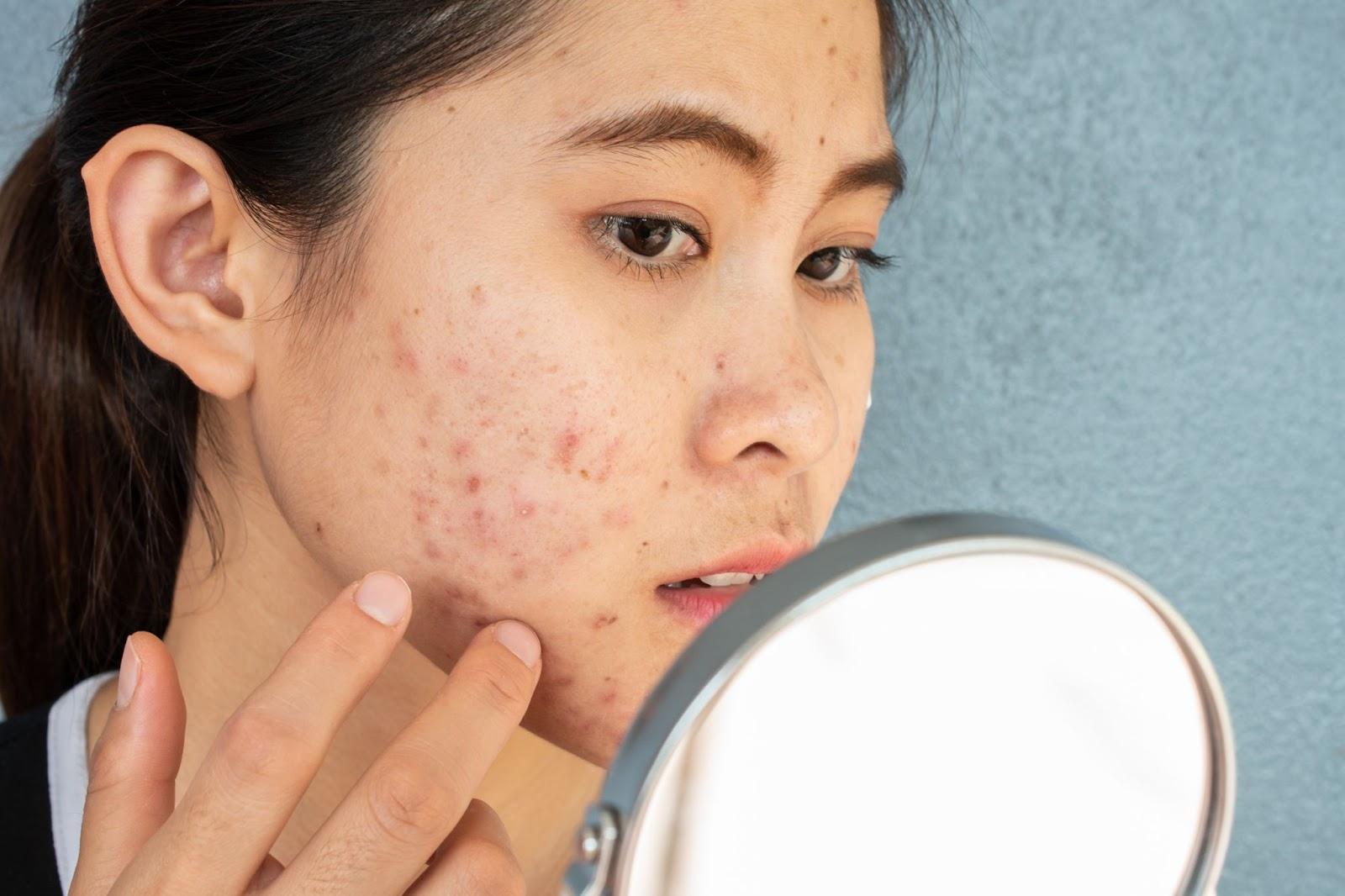
Acne marks and acne scars often develop when inflamed acne is squeezed or picked at, damaging the surrounding tissue. This can rupture tiny blood vessels under the skin and trigger inflammation.
Facial skin is also exposed to sunlight more frequently. Without proper sun protection, the affected areas may darken further and turn into persistent post-inflammatory hyperpigmentation.
Types of Acne Scars — What’s the Difference?
Acne scars that remain after acne heals are generally categorized into three main types, each with different characteristics, causes, and treatment approaches.
Red Acne Marks (Post-Inflammatory Erythema: PIE)
Red acne marks occur due to inflammation, especially from inflamed or pustular acne. The small blood vessels under the skin dilate, leaving the area reddish. These marks are more common in lighter skin tones or sensitive skin and may fade slowly, especially with frequent sun exposure or repeated picking.
Dark Acne Marks (Post-Inflammatory Hyperpigmentation: PIH)
Dark acne marks appear as brown or purplish spots left after acne heals, especially after inflamed acne. During the skin’s healing process, excess melanin production leads to dark discoloration. PIH is more common in medium to darker skin tones and can worsen with unprotected sun exposure.
Acne Scars (Atrophic Scars)
Atrophic scars occur when severe inflammation destroys deeper layers of the skin, leaving visible depressions. These scars are the most difficult to treat and require more time. They are common in individuals with chronic acne, recurrent clogged acne, or large, inflamed nodules. Without treatment, these scars can become permanent.
Depressed acne scars can be classified into five types:
- Rolling Scar: Shallow depressions with undefined edges, creating a wave-like texture
- Boxcar Scar: Deeper scars with sharp, well-defined edges
- Ice Pick Scar: Narrow but deep scars that resemble small punctures
- Atrophic Scar: Sunken skin that appears thin and flat
- Hypertrophic / Keloid Scar: Raised scars caused by excessive collagen formation
15 Ways to Reduce Acne Scars, Dark Marks, Redness, and Depressed Scars
There are many methods available today to help reduce acne scars — including dark marks, red marks, and atrophic scars. Below are options you can try at home, along with medical acne scar treatments that provide more visible results.
1. Using Topical Acne Scar Creams
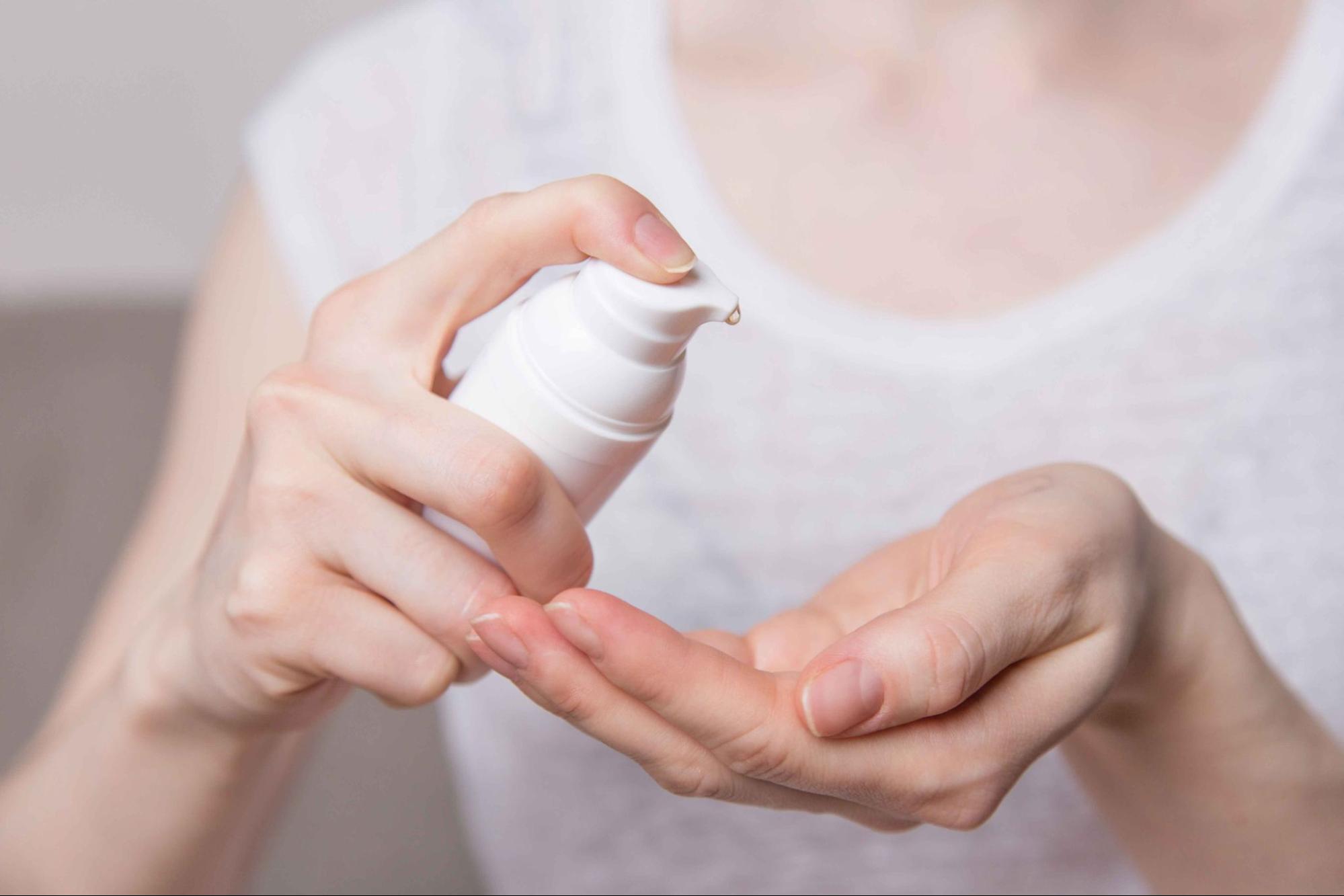
When choosing a topical cream for acne scars, look for ingredients such as vitamin C, niacinamide, arbutin, kojic acid, cortisone, ceramides, or AHA fruit acids. These ingredients help fade dark marks more quickly — especially when applied consistently in the morning and at night, along with daily sunscreen use.
2. Acne Scar Serums
Acne scar serums are ideal for patients who prefer lightweight, non-greasy formulas. They often contain concentrated active ingredients such as niacinamide, AHA, or alpha hydroxy acids to promote gentle exfoliation, fade dark spots, and reduce redness.
For best results, apply 1–2 times a day and always pair with sunscreen in the morning to prevent pigmentation from worsening.
3. Acne Scar Gels
Acne scar gels are different from acne spot treatments. These gels are specifically designed to fade dark marks and redness left behind after acne heals. Look for formulas containing allantoin, vitamin B3, mucopolysaccharide, or alpha arbutin to improve hydration and support skin renewal. Results vary depending on your skin condition and how consistently the product is used.
4. Vitamins and Supplements for Acne Scar Reduction

Vitamins that help reduce acne scars include zinc, vitamin C, and grape seed extract. These ingredients support anti-inflammatory activity and enhance overall skin clarity. However, dosage and suitability are important — excessive intake may be harmful, while too little may show no improvement. Consulting a doctor or pharmacist is recommended to ensure safe and effective use.
5. Acne-Reducing Cleansers
Acne marks — especially on areas like the back — can occur when the skin isn’t cleansed thoroughly, leading to repeated breakouts while existing scars are still healing. Acne-focused cleansers can help reduce acne-causing bacteria, fade marks, and brighten skin tone. However, they may not suit all skin types; dry or sensitive skin may become irritated more easily.
6. Acne Scar Sprays
Acne scar sprays are popular for marks on the back, chest, neck, or arms. They help fade scars and promote smoother skin by accelerating cell turnover, often providing a cooling effect when applied.
Most formulas use natural extracts such as Centella asiatica and aloe vera, combined with active ingredients that reduce inflammation-induced redness — such as salicylic acid or Centella asiatica extract. However, results may be gradual and require consistent application.
7. Mesotherapy Acne Scar Treatment
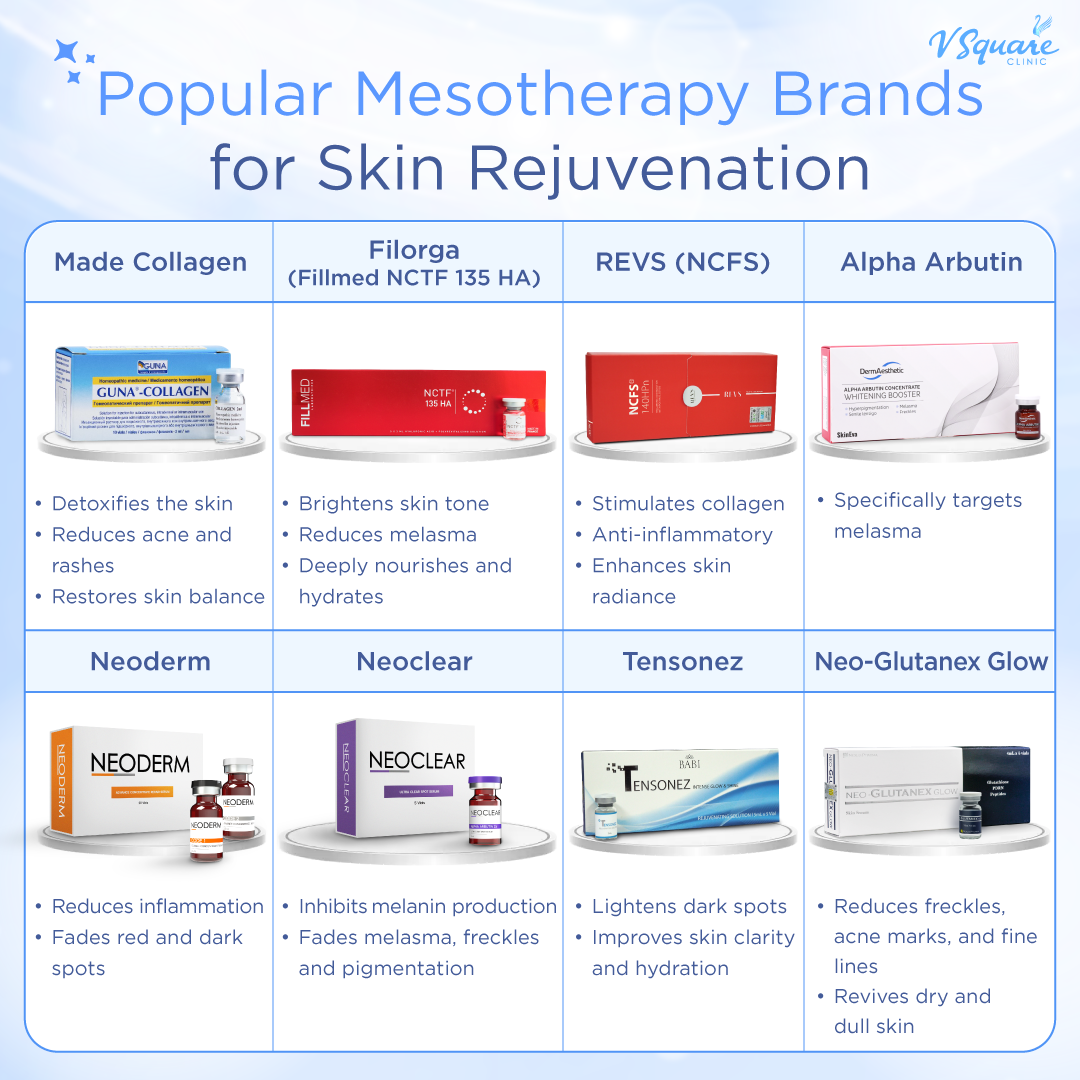
Mesotherapy for acne scar concerns involves delivering targeted vitamins directly into the mid-dermis. This nourishes the deeper layers of the skin — including collagen, elastin, and hyaluronic acid — resulting in better hydration, improved brightness, and reduced acne marks. It can also be used for shallow atrophic scars, although it is not suitable for all scar types.
After treatment, the active ingredients support cellular repair and regeneration, helping the skin appear smoother. Weekly sessions are typically recommended at first, followed by longer intervals once visible improvement is achieved.
Beyond facial treatment, some patients experience acne marks on other areas of the body, such as the neck or back. In these cases, IV Drip vitamin therapy can help brighten and revitalize the skin from within. Below are examples of commonly used mesotherapy formulas.
8. Exfoliation for Acne Mark Reduction
Gentle exfoliation helps remove old, pigmented skin cells and stimulates new cell turnover, creating smoother and more even-toned skin. Choose mild formulas such as brown sugar, yogurt, or tamarind paste, and exfoliate no more than 1–2 times per week to avoid irritation or thinning of the skin.
9. Using Scar-Reduction Topical Medication
After acne heals and comedones are removed, some marks may remain. Topical scar-reduction products — particularly those containing onion extract or Allium cepa extract — can help fade dark marks more quickly and lower the risk of raised scars.
10. Aloe Vera for Acne Mark Reduction
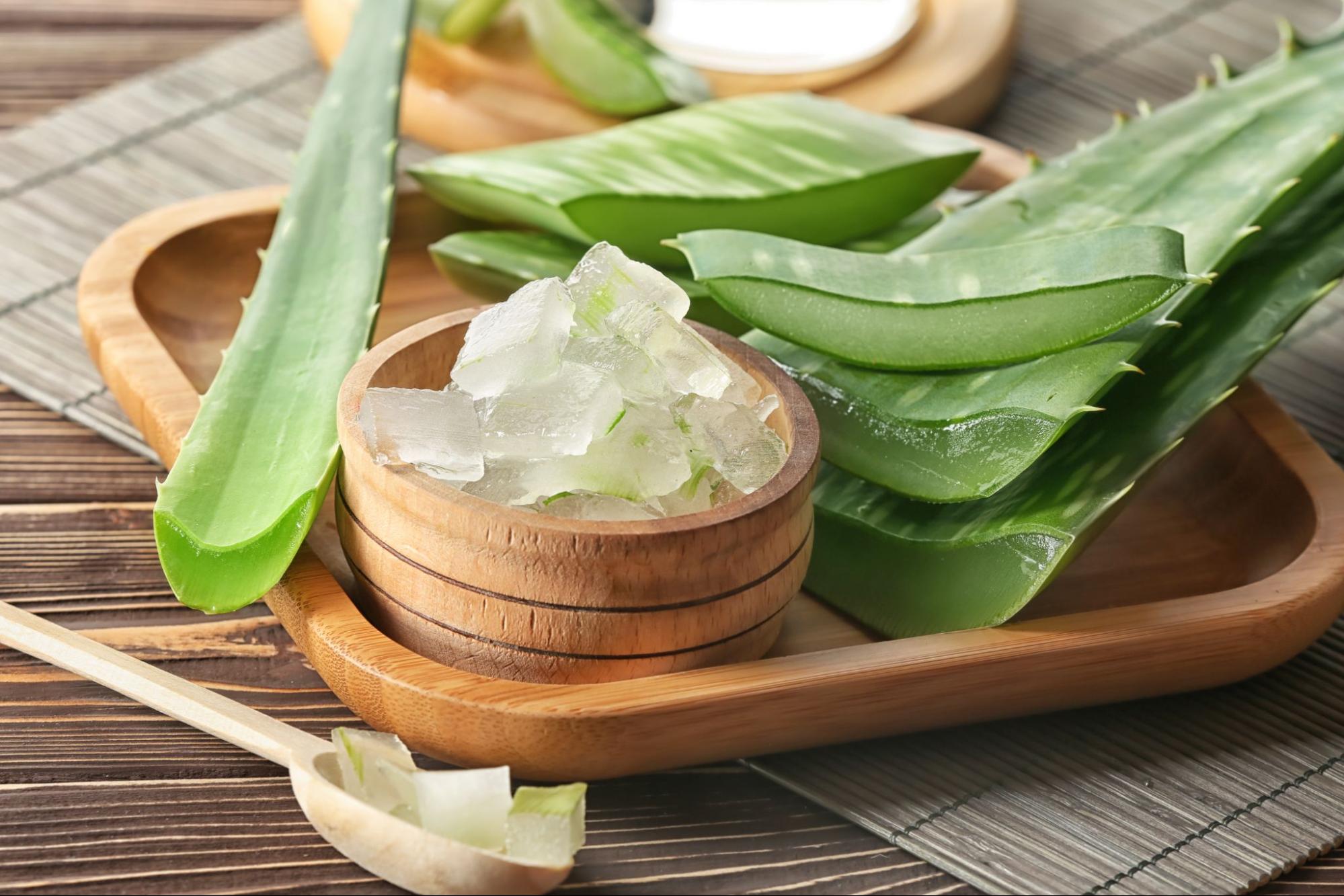
Aloe vera helps soothe wounds, maintain moisture balance, reduce inflammation, and support the healing of acne marks and discoloration.
Patients with acne marks can blend aloe vera into a smooth gel or slice it into thin sheets to use as a regular facial mask. It can also be used alongside other acne scar treatments to enhance results safely and effectively.
11. Herbal Face Masks
Natural herbal masks — such as tamarind mixed with honey, yogurt, cucumber, or turmeric — help exfoliate the skin, fade dark marks, and enhance overall radiance. These options are ideal for individuals with sensitive skin or those who prefer chemical-free treatments.
Using these masks 2–3 times a week, together with topical creams or scar ointments, can effectively reduce acne marks, redness, dark spots, and post-acne discoloration.
12. Hifu Acne Scar Treatment
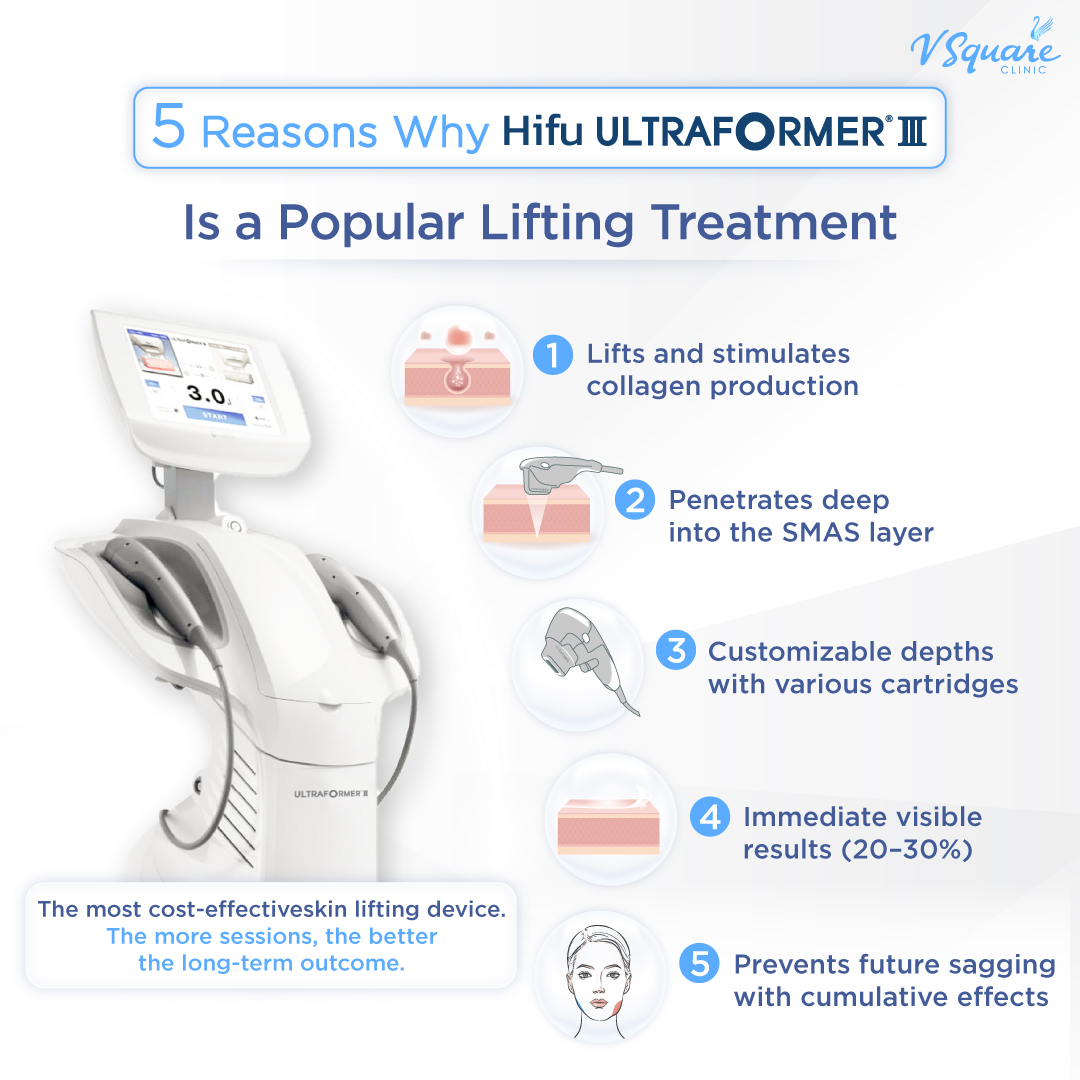
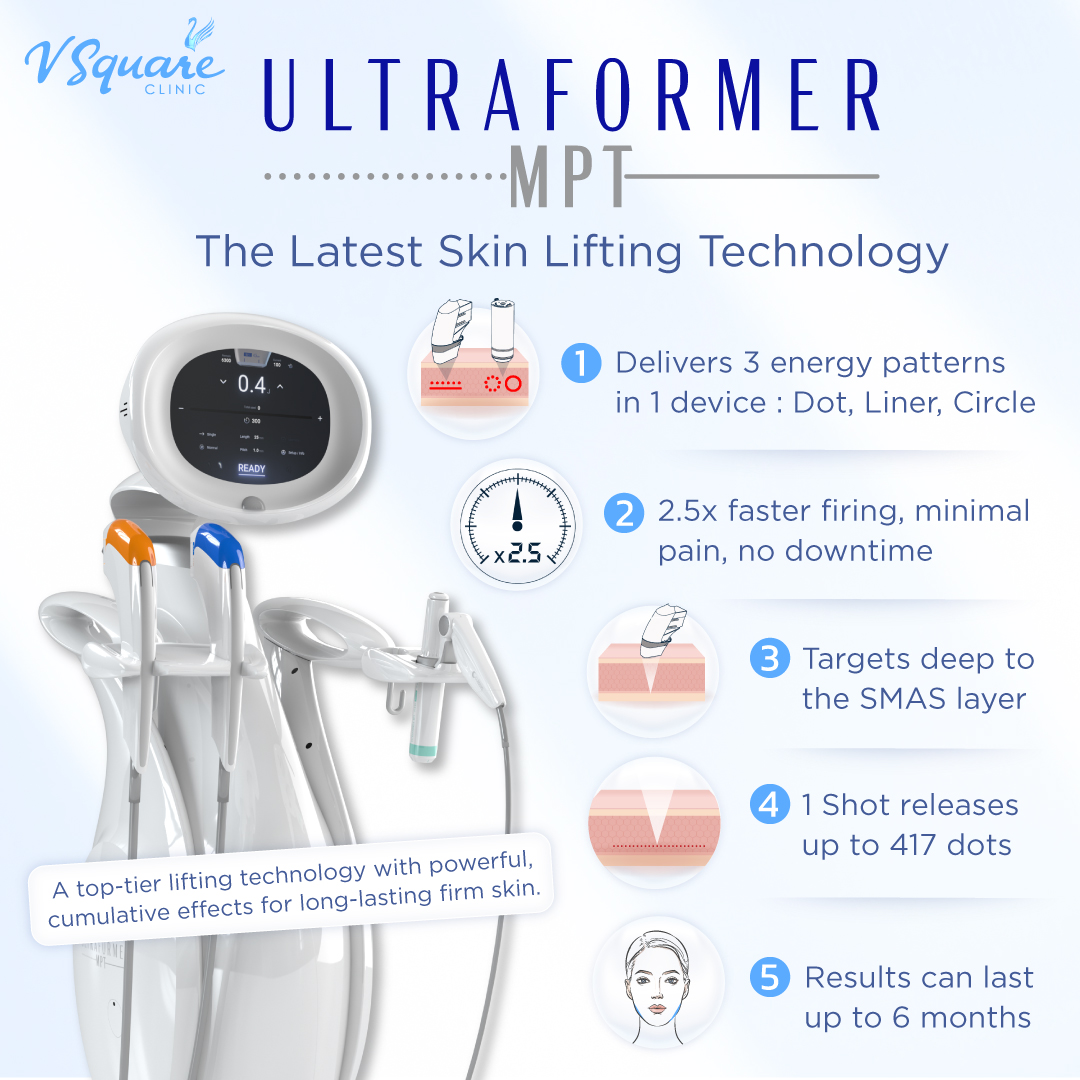
Hifu using Ultraformer III or Ultraformer MPT does not directly treat acne scars, but it helps stimulate collagen production and strengthen the skin structure. As the skin becomes firmer and smoother, shallow acne scars may appear less noticeable. This option suits patients who want skin tightening along with overall skin rejuvenation.
Hifu works by delivering focused ultrasound energy—adapted from medical fetal ultrasound—into specific layers of the skin. This improves skin quality from within while also supporting lifting and tightening. It can be combined with topical treatments or other supportive skincare methods.
13. Surgical Acne Scar Treatment
Surgical options are recommended for deep acne scars that do not respond to other treatments. Techniques include punch excision (removing the scar and suturing the skin), subcision (releasing fibrotic bands beneath the scar), and skin grafting (transplanting new skin). These procedures must be performed by an experienced specialist.
14. Filler Acne Scar Treatment
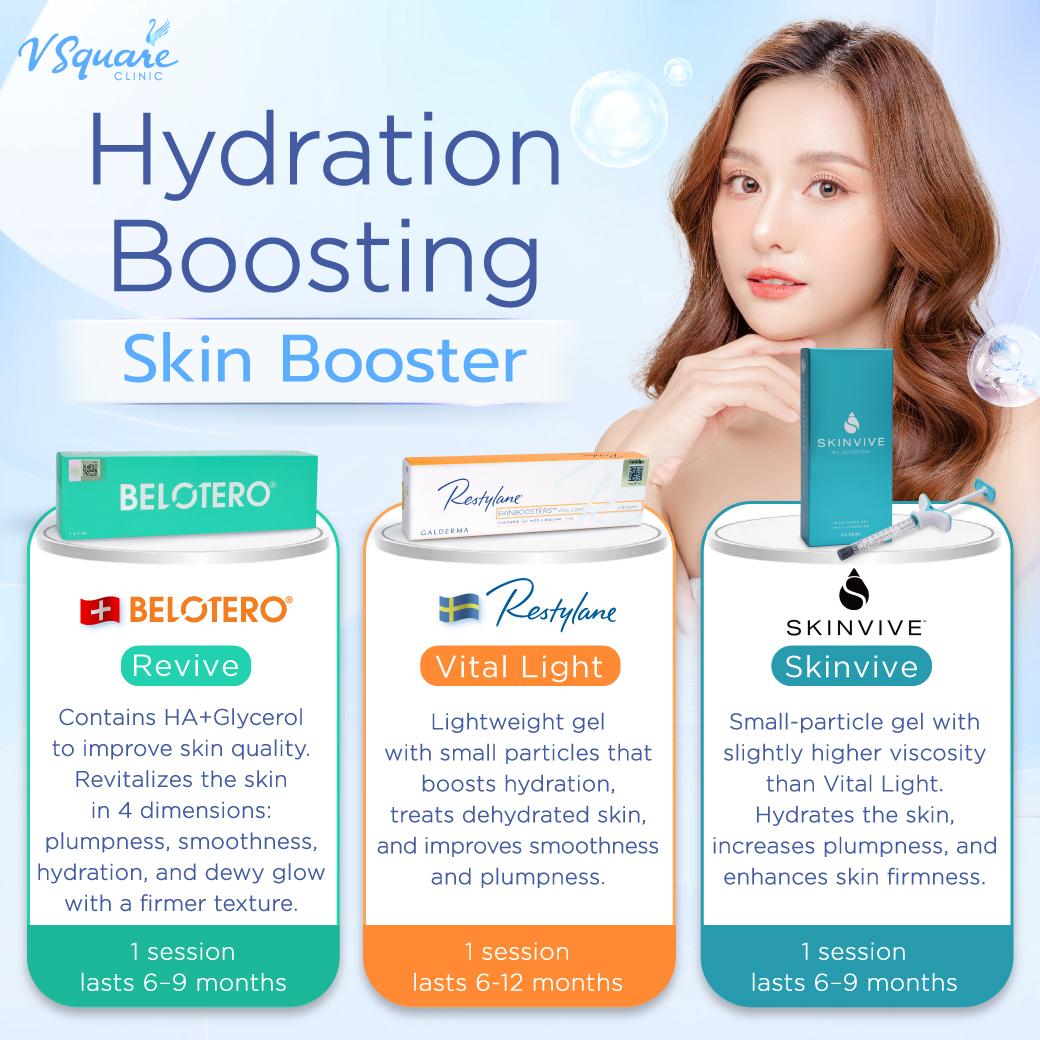
For patients with atrophic acne scars, hyaluronic acid fillers or skin-booster fillers can be injected to lift and smooth the depressions. Results are visible immediately with no downtime.
Popular filler options for acne scars include Belotero Revive, Skinvive (developed from Juvederm Volite), and Restylane Vital Light. These formulations have fine, blendable gel textures that integrate well with the skin. After injection, the treated areas are lifted and smoothed, with visible improvement right away.
15. Laser Acne Scar Treatment

For patients with acne on the chin, forehead, or cheeks who are left with dark marks or visible scars, laser acne scar treatment is one of the most popular solutions. Common devices include:
- Pico Laser: Pico Plus, Pico Sure Pro, and Pico Discovery
- Sylfirm X Plus
- Fotona SP Dynamis
- LED Bellalux
These treatments work by delivering laser energy to the affected areas to break down excess melanin and stimulate new skin cell regeneration within the dermis. Over time, the skin becomes smoother and more even, with acne marks gradually fading. Most patients notice visible improvement around 2–3 weeks after treatment, depending on individual skin responses.
Rapid Acne Scar Treatment with Visible Results at V Square Clinic
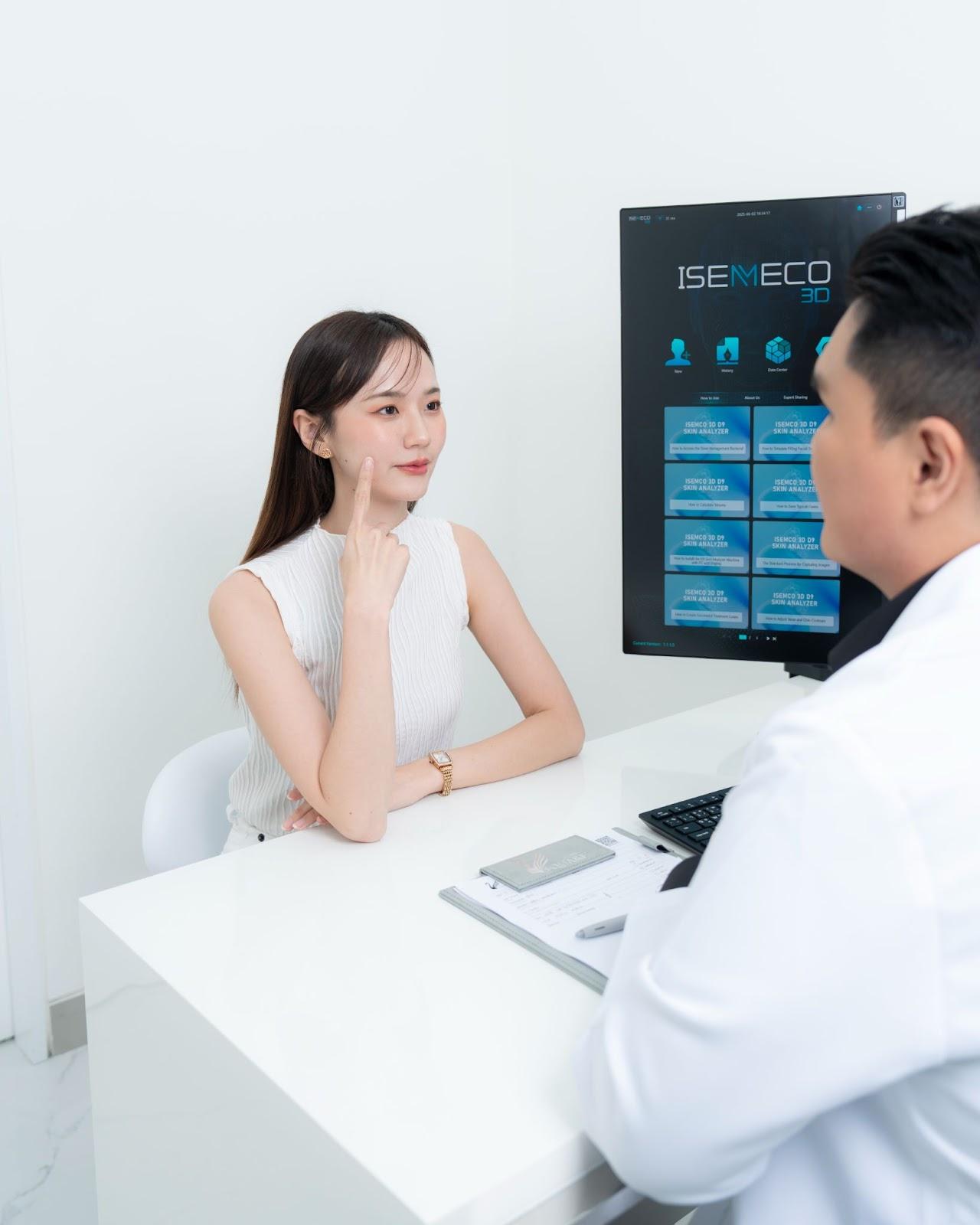
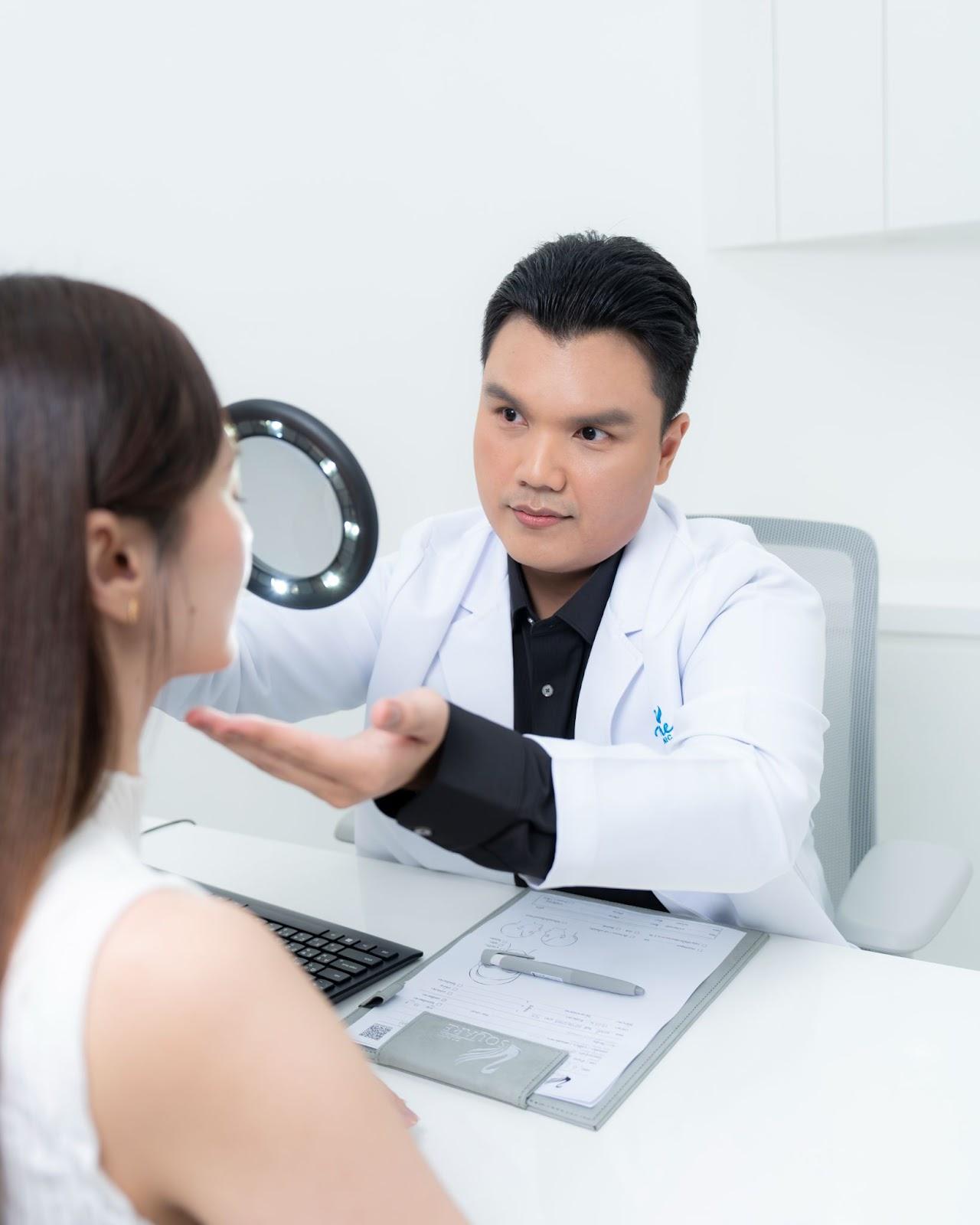
(Dr.Suranart Deesuwan . 46313)
Consult our doctors for a personalized skin assessment at V Square Clinic
For those dealing with prominent acne marks — whether red marks, dark spots, or acne scars — V Square Clinic provides rapid acne scar treatment options designed to deliver clear improvement within 2–3 weeks. Each plan is customized by our dermatologists based on individual skin conditions for safe and precise results.
What rapid acne scar treatments are available at V Square Clinic?
- Pico Laser – Targets pigmentation precisely by breaking melanin into fine particles for faster fading. Ideal for red and brown acne marks. Visible results from the first session.
- Sylfirm X Plus – Dual-wave RF microneedling for treating both red acne marks and acne scars in the same session.
- Fotona SP Dynamis – Dual-wavelength laser for acne scars, uneven texture, and enlarged pores.
- Bellalux LED – LED light therapy to reduce inflammation, soothe red marks, and speed healing.
- Mesotherapy for acne mark reduction – Balances the skin, fades acne discoloration, and strengthens overall skin health.
- Filler acne scar treatment – Lifts atrophic scars for smoother and more even skin.
- Hifu – Stimulates collagen to strengthen and tighten the skin, helping shallow scars appear less noticeable.
Our doctors evaluate the type of acne mark, how long it has been present, and your individual skin characteristics to determine the most appropriate treatment — focusing on safety, precision, and visible improvement.
Why Choose V Square Clinic for Acne Scar Treatment?
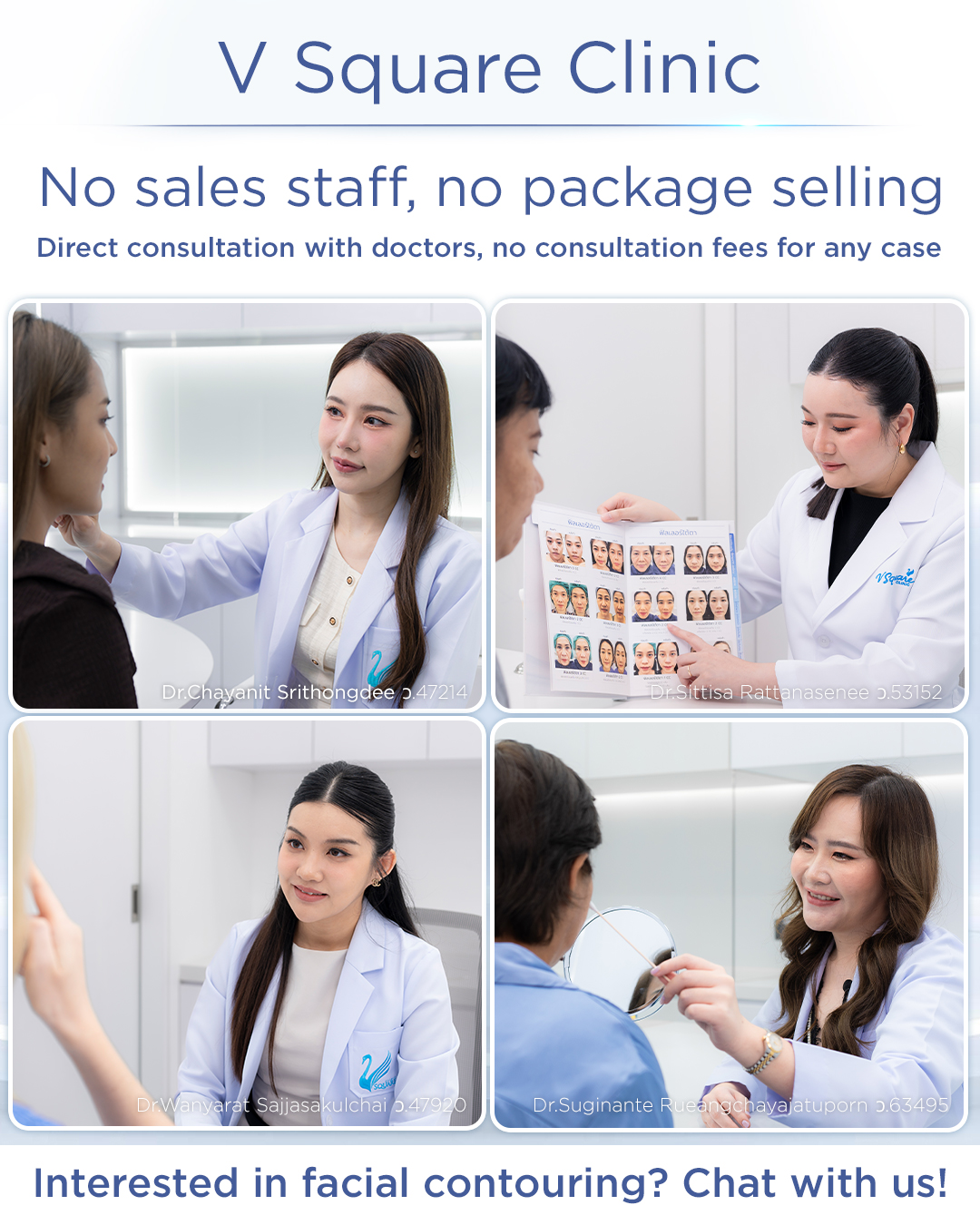
- No sales pressure, no course selling — every patient receives direct consultation with our doctors, free of charge.
- We use genuine products and certified devices approved by the Thai FDA, all verifiable.
- Treatments are performed by highly experienced aesthetic doctors with continuous training domestically and internationally.
- Personalized treatment plans based on each patient’s skin type and acne scar pattern for precise and visible results.
- We prioritize every step, from assessment to aftercare and follow-up.
- A full range of devices and treatments is available — patients pay only for what they truly need.
- Multiple clinic branches across Bangkok and nearby areas for convenient access.
- Strong track record with extensive real-case reviews and transparent results.
If you’d like a free consultation, you can book an appointment any day. Our experienced doctors are ready to provide personalized recommendations.
Interested in acne scar treatment at V Square Clinic?
Click to view the latest promotions for all procedures.

How to Prevent Acne Marks
Preventing acne marks from forming in the first place is the most effective approach. Once acne marks occur, they often require a long time to fade — and in some cases, they may become permanent. Taking proper care of your skin while acne is still active can greatly reduce the risk of red marks, dark spots, and acne scars.
- Avoid squeezing, picking, or popping pimples — these actions increase inflammation, risk infection, and easily lead to red or brown marks.
- Use sunscreen SPF 50+ every day, even indoors. UV exposure increases melanin production and can make acne marks darker.
- Choose non-comedogenic skincare and makeup products to prevent clogging and reduce irritation.
- Drink enough water to maintain skin hydration and balance, helping reduce excess oil production.
- Get adequate sleep — irregular sleep disrupts hormonal balance, making acne more inflamed and increasing the risk of acne marks.
- Avoid touching your face unnecessarily.
- Severe inflammatory acne should be treated by a doctor early to prevent long-term scars.
Frequently Asked Questions About Acne Mark Treatment
How can I make red acne marks fade faster?
Red marks occur from inflammation and dilated capillaries beneath the skin. To speed recovery, avoid direct sunlight, use skincare ingredients such as niacinamide or Centella asiatica, and consider combining treatments such as LED Bellalux, Pico Laser, or mesotherapy to help accelerate improvement.
How long do red acne marks take to fade?
Red acne marks typically lighten on their own within 2–6 weeks if they are not repeatedly irritated, such as by squeezing pimples or sun exposure. Deeper redness or sensitive skin may require several months to improve or may benefit from laser treatment for faster results.
Does aloe vera help reduce red acne marks?
Yes. Aloe vera contains anti-inflammatory and healing properties that help soothe the skin, reduce redness, and restore hydration. Fresh aloe vera gel or high-concentration aloe vera products can be applied daily to calm the skin and support recovery.
Do acne marks fade on their own?
Yes, post-acne marks — especially fresh red or brown marks — can fade naturally as the skin renews itself. Melanin gradually decreases over 1–6 months. However, long-standing or deep marks may require treatment for faster improvement.
What treatments help fade red and dark acne marks?
There are several effective medical treatments for reducing acne marks. Each option has different mechanisms and benefits. Our doctors select the most suitable method based on each patient’s skin and scar type for fast and safe results, such as:
- Pico Laser / LED Bellalux — reduce redness and deep pigmentation
- Mesotherapy / Exosomes / Rejuran — repair skin cells and reduce inflammation
- Vitamin IV therapy — enhances overall brightening
- AHA / BHA / chemical exfoliation — accelerates skin-cell turnover and pigment reduction
Summary — Acne Scar Treatment Made Easier When You Understand the Cause
Acne marks — whether red marks, dark spots, or atrophic acne scars — can fade more effectively when the skin is cared for properly and when the right treatment is chosen based on each individual’s skin condition.
If you are looking for an acne scar solution that is fast, safe, and suitable for your skin, our doctors at V Square Clinic offer free consultations. You’re welcome to reach out for initial advice anytime.

สำหรับผู้อ่านทุกท่านที่มีข้อสงสัยเพิ่มเติม ทีมแพทย์ V Square Clinic ทุกคนยินดีให้คำปรึกษาฟรี โดยไม่มีค่าใช้จ่าย หรือสามารถปรึกษาหมอทาง inbox facebook หรือ Line นี้ได้เลยครับ หมอตอบเองครับ

Best Ways to Tighten Enlarged Pores for Smoother Skin — Which Treatment Should You Choose?
Reading Time: 14 minutesEnlarged pores can make the skin appear uneven and affect overall confidence. Today, there are many ways to tighten pores — from skincare ingredients and topical treatments to medical-grade procedures.
Vitamin B Complex — A Complete Boost for Energy, Health, ...
Reading Time: 9 minutesมีคนอ่านบทความนี้แล้ว : 16 วันที่อัพเดตล่าสุด : 6 February 2026 Understanding Vitamin B Complex Vitamin B Complex is a key component in dietary supplements and vitamin drip programs because these nutrients play essential roles throughout the body. They support immune function, digestion, and the nervous system, and they also promote healthier skin, hair, and nails. This article […]
What is Seborrheic Keratosis? Is it Dangerous? A Complete...
Reading Time: 5 minutesSeborrheic keratosis is a common condition among adults and older individuals. Although it is a benign skin issue, many people choose to treat it because it can cause discomfort or affect confidence in daily life.

How Many Pico Laser Types Are There? Models, Modes, and K...
Reading Time: 9 minutesMany people may not realize that “Pico Laser” is not a single machine — but a category of laser technologies available in various types, models, and brands. These include PicoSure, PicoSure Pro, PicoPlus, Enlighten, PicoWay, and Discovery Pico, each designed to address different skin concerns.

What Is Yag Reju Laser Rejuvenation? Benefits, Suitabilit...
Reading Time: 11 minutesYag Reju Laser Rejuvenation is a treatment designed to improve underarm skin quality. It helps reduce keratosis pilaris–like bumps, smooth uneven texture, and stimulate collagen production. For individuals who feel self-conscious about rough or uneven underarm skin

8 Methods to Boost Facial Collagen — Restore Youthful Ski...
Reading Time: 8 minutesStimulating facial collagen is all about rejuvenating your skin from within. Each treatment encourages the natural production of new collagen fibers, gradually leaving your complexion smoother, firmer, and more youthful.