
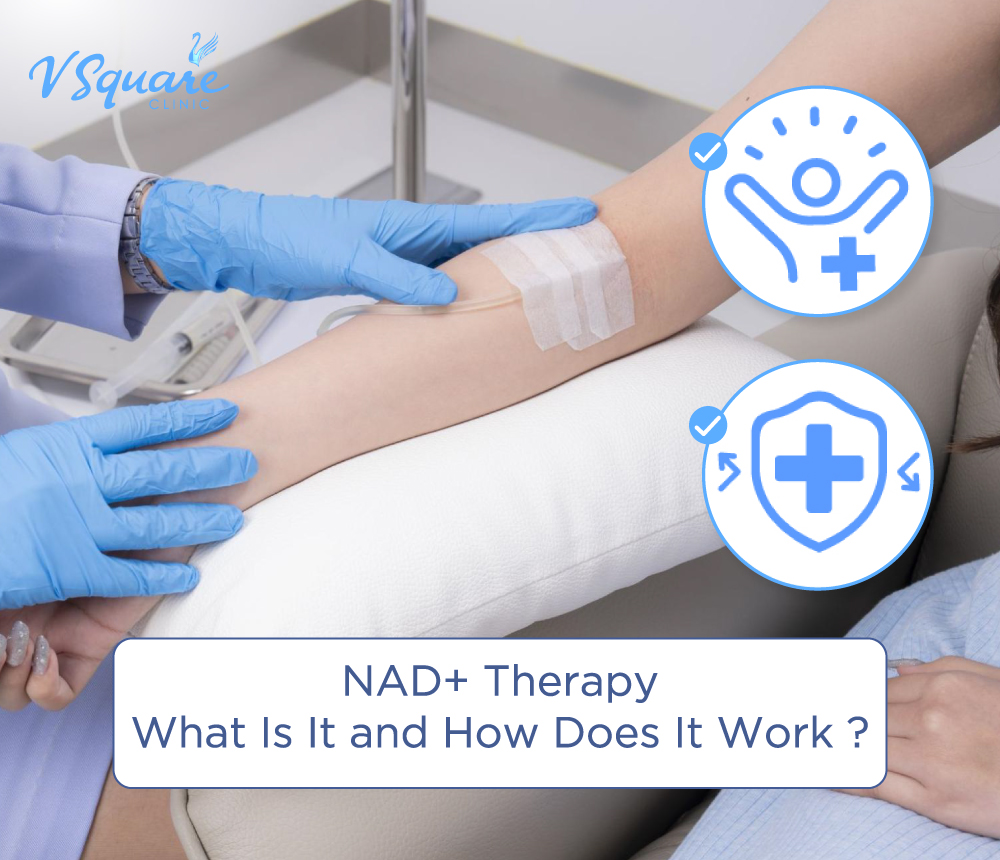
Understanding NAD+ Therapy
NAD+ Therapy has gained significant attention in the field of anti-aging medicine and preventive wellness. This treatment works at the cellular level, helping restore energy, support brain function, improve skin vitality, and reduce the risk of certain chronic conditions.
This article explains what NAD+ Therapy is, the benefits it provides, who may benefit most, and how to choose the right clinic to ensure safety and the best results.
Table of Content : NAD+ Therapy
What Is NAD+ Therapy?
NAD+ Therapy involves administering NAD+ (Nicotinamide Adenine Dinucleotide) directly into the bloodstream through an intravenous drip, similar to an IV infusion. The goal is to restore NAD+ levels to an optimal range, as this coenzyme plays a crucial role in cellular energy production, DNA repair, neurological function, and slowing age-related decline.
What Is NAD+ and Why Is It Important?
To better understand NAD+ Therapy, it is essential to first know what NAD+ is and why it matters.
NAD+ (Nicotinamide Adenine Dinucleotide) is a coenzyme naturally found in all living organisms. It works closely with key cellular components such as sirtuins and mitochondria, ensuring that vital biological processes function properly. These include cell repair, energy production, and protection against premature aging.
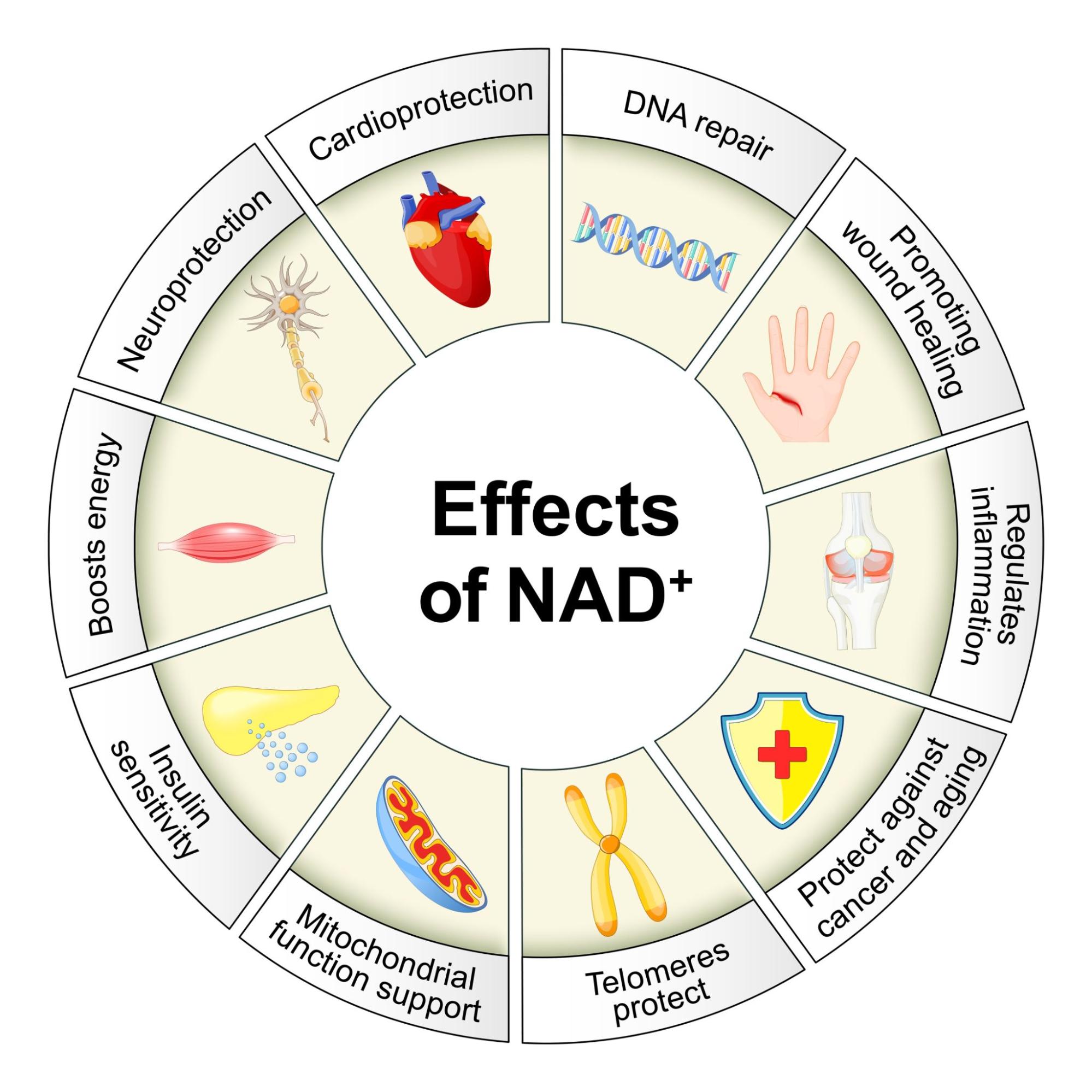
Key roles of NAD+ include:
- Neuroprotection: Supports enzymes that repair nerve cells and reduce brain inflammation. Adequate NAD+ levels may help lower the risk of neurological diseases such as Alzheimer’s and Parkinson’s.
- Cardioprotection: Enhances heart muscle cell function, reduces vascular inflammation, and optimizes cardiac energy metabolism, lowering the risk of heart disease and heart failure.
- DNA Repair: Activates enzymes responsible for detecting and repairing DNA damage, reducing mutations and slowing cellular aging.
- Wound Healing: Provides energy to immune and skin cells, accelerating tissue repair after injury.
- Inflammation Regulation: Boosts sirtuin activity, which has anti-inflammatory effects, helping prevent chronic inflammation linked to various diseases.
- Cancer and Aging Protection: Helps regulate the cell cycle and apoptosis (programmed cell death), lowering cancer risk and slowing age-related degeneration.
- Telomere Protection: Maintains telomere length — the protective caps at the ends of DNA — which shortens with age, increasing risks of degenerative diseases such as cancer, cardiovascular disease, and Alzheimer’s.
- Mitochondrial Function Support: Strengthens mitochondria, the “powerhouses” of the cell, improving resilience against oxidative stress.
- Insulin Sensitivity: Improves enzyme activity related to glucose metabolism, reducing insulin resistance and lowering the risk of type 2 diabetes.
- Energy Production: Plays a direct role in converting nutrients into energy, helping cells function more efficiently, reducing fatigue, and boosting vitality.
Although the body can produce NAD+ naturally, levels steadily decline with age. This decrease impairs key biological processes, contributing to cellular degeneration and increasing the risk of chronic conditions such as diabetes, cardiovascular disease, and neurodegenerative disorders.
How to Increase NAD+ Levels?
Lifestyle choices and diet can directly affect NAD+ levels in the body. To make it clearer, here is a table summarizing the key factors that decrease or increase NAD+ levels:
| Factors That Decrease NAD+ | Factors That Increase NAD+ |
|---|---|
| Advancing age | Foods rich in vitamin B3 and NAD+ precursors, such as salmon, tuna, lean meats, eggs, legumes, whole grains, spinach, kale, and shiitake mushrooms |
| UV radiation | Regular physical exercise at a suitable intensity |
| Exposure to toxins or chronic inflammation, e.g., alcohol consumption, smoking, infections, and illness | Quality sleep |
| Overexercising or inadequate rest | Intermittent Fasting (IF) |
| Diets high in sugar and refined carbohydrates, which burden metabolic processes | Supplements containing NAD+ precursors such as Nicotinic Acid (Niacin), Nicotinamide, Nicotinamide Riboside, and Nicotinamide Mononucleotide |
| NAD+ Therapy |
What Are the Benefits of NAD+ Therapy?
NAD+ Therapy helps restore NAD+ levels to an optimal range, supporting multiple aspects of health and recovery:
- Revitalizes the nervous system and brain function, reducing memory loss, mental fatigue, and enhancing cognition
- Restores metabolic balance, helping reduce excess energy storage
- Boosts cellular energy, improving recovery from fatigue and exhaustion
- Supports recovery from illness, infections, or substance exposure such as COVID-19, smoking, and alcohol use
- Improves mental clarity while helping reduce stress, anxiety, and mood fluctuations
- Stimulates DNA repair from free radical damage, promoting better overall health and skin vitality
- Regulates the body’s biological clock, ensuring optimal system function
- Lowers the risk of age-related diseases such as diabetes, obesity, hypertension, and Alzheimer’s disease
Who Is NAD+ Therapy Suitable For?
- Individuals recovering from illness or infections
- Those seeking to enhance weight management results
- Working-age adults experiencing fatigue and stress
- Anyone looking to slow aging and strengthen both body and skin health
What Ingredients Are in NAD+ Therapy?
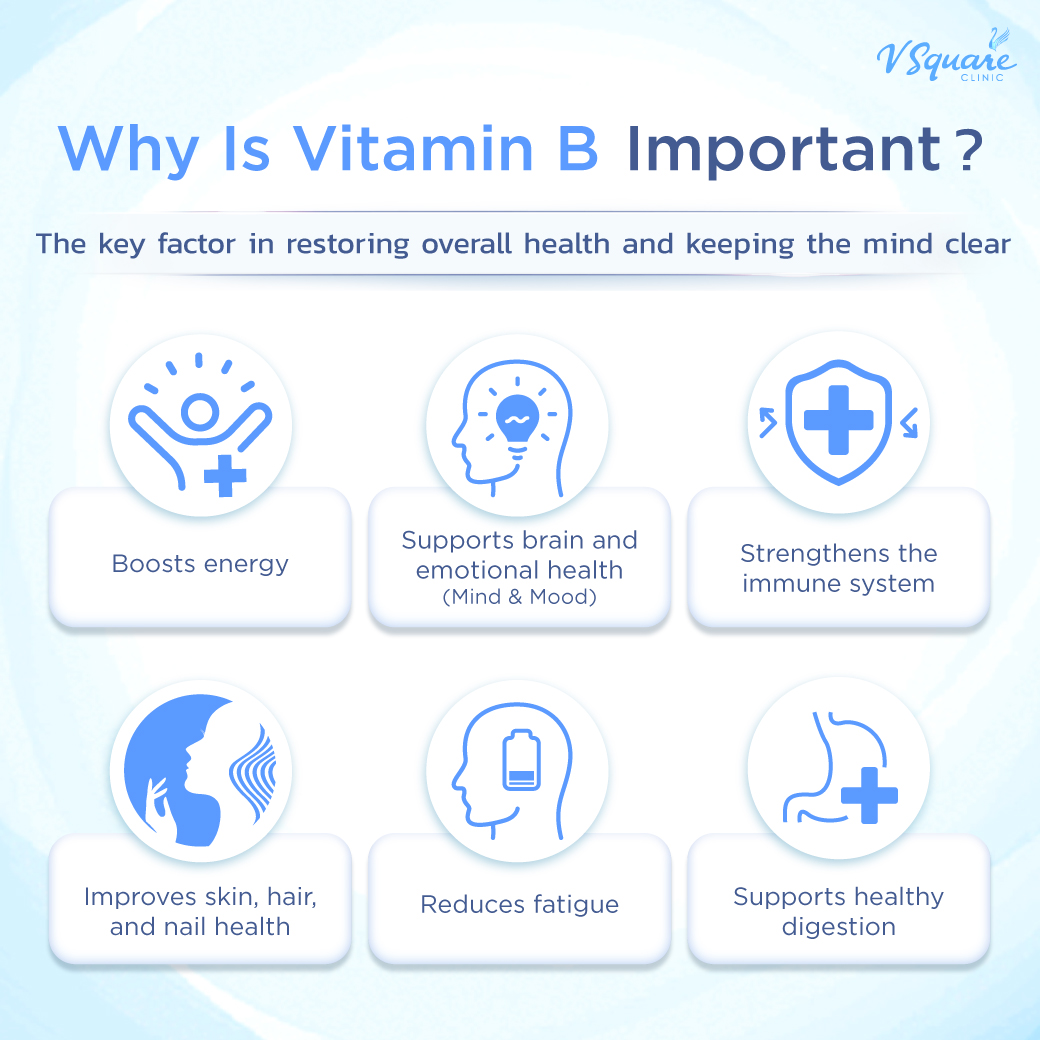
The ingredients used in NAD+ Therapy may vary depending on the clinic. In general, it includes NAD+ and a group of Vitamin B nutrients to enhance multiple systems in the body.
NAD+
A derivative of vitamin B3, NAD+ functions as a coenzyme in energy production, DNA repair, and the regulation of anti-aging processes at the cellular level.
Vitamin B Complex (B1–B12)
This group of vitamins works synergistically to support essential biochemical processes in the body, particularly energy production, protein synthesis, and nervous system function.
- B1 (Thiamine): Supports nervous system activity and carbohydrate metabolism
- B2 (Riboflavin): Provides antioxidant protection and helps generate cellular energy
- B3 (Niacin): Promotes cardiovascular health and supports blood circulation
- B5 (Pantothenic Acid): Aids hormone production and fat metabolism
- B6 (Pyridoxine): Supports nervous system health and strengthens immunity
- B7 (Biotin): Essential for healthy skin, hair, and nails
- B9 (Folate): Crucial for new cell formation and development
- B12 (Cobalamin): Supports the nervous system, produces red blood cells, and helps reduce the risk of anemia
How Often Should NAD+ Therapy Be Done and When to Expect Results?
NAD+ Therapy often shows noticeable effects after the first session. In practice, many people choose a treatment package of 3 to 5 sessions for continuity. It can be repeated every month, depending on a doctor’s evaluation.
What Are the Steps of NAD+ Therapy?
The procedure is similar to a vitamin IV drip, designed to support overall health. While details may differ across clinics, the process generally involves three stages:
Initial Assessment
Before beginning NAD+ Therapy, patients should always consult a doctor. This includes reviewing medical history, chronic illnesses, and any regular medications or supplements. Blood tests may also be performed to check NAD+ levels, allowing the doctor to create a personalized treatment plan.
NAD+ Therapy Procedure
The process begins with inserting an IV line into the arm, similar to a standard IV drip. NAD+ is then administered directly into the bloodstream, typically taking about 1.5–2 hours.
During the session, patients can rest comfortably. Once completed, they can return to daily activities immediately without downtime.
Follow-Up
For best results, NAD+ Therapy is usually continued once a month. Doctors may also recommend monitoring NAD+ levels to track improvements.
How Much Does NAD+ Therapy Cost?
The cost of NAD+ Therapy generally ranges from 5,000–15,000 THB, depending on the clinic, promotions, and customized formulations.
For those interested in vitamin IV drips for overall health restoration at V Square Clinic.
Click to see the latest promotions.
Where Is the Best Place to Get NAD+ Therapy?
Choosing a clinic for NAD+ Therapy follows the same principles as selecting any vitamin drip service. It is important to select an aesthetic clinic that is legally certified, has an official 11-digit license number, uses safe and approved ingredients, and ensures that procedures are performed by qualified medical professionals.
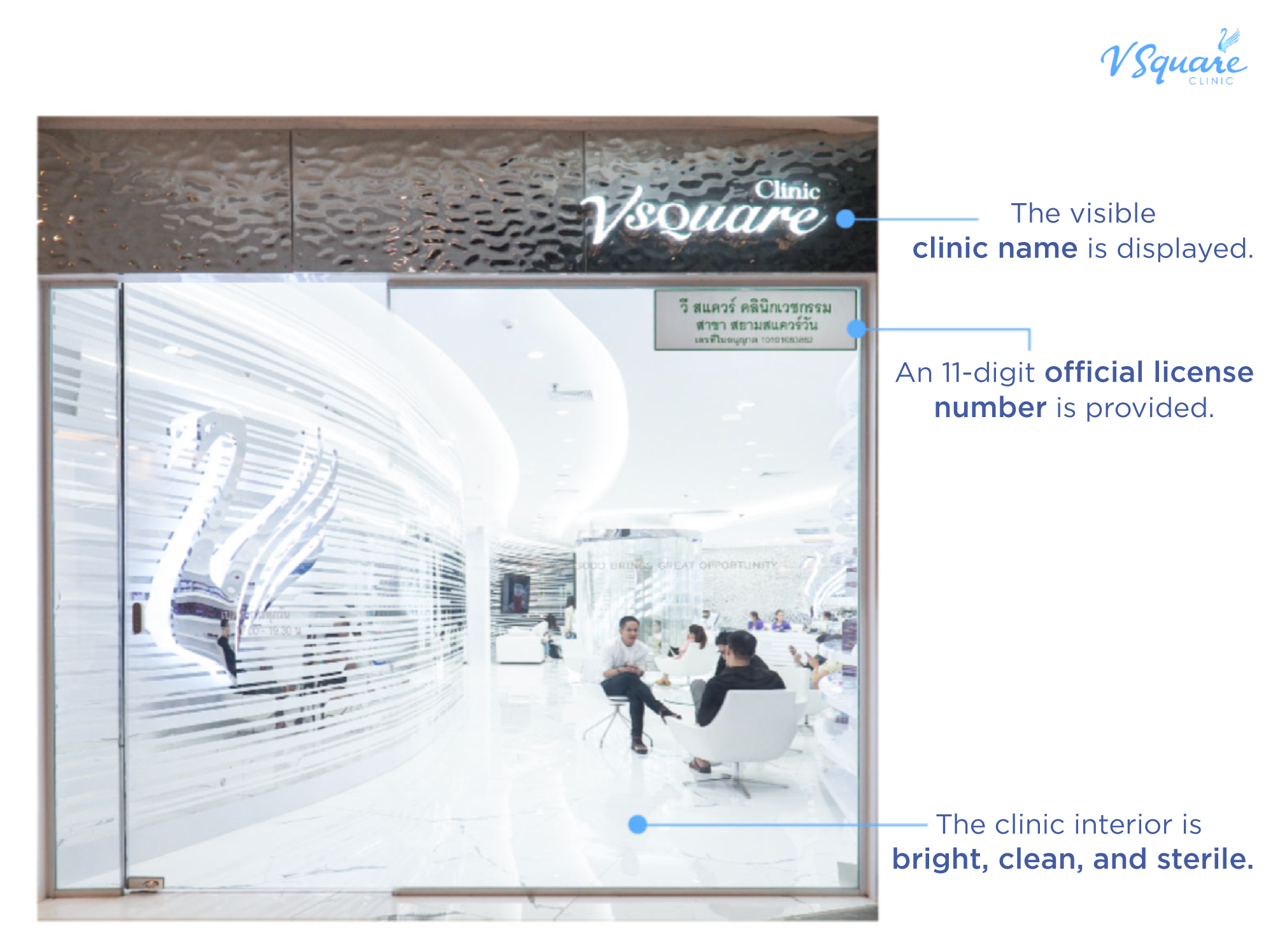
If the clinic also provides a direct medical assessment with a doctor beforehand, it further ensures that the IV drip formula will be tailored safely and effectively to each patient’s needs.
Is NAD+ Therapy the Best Option for Anti-Aging?
NAD+ Therapy is a valuable option for slowing down the aging process, strengthening the body, and lowering the risk of diseases related to cellular degeneration. It is especially suitable for individuals who struggle to maintain self-care routines, those experiencing chronic fatigue from work, or those looking for rapid physical recovery.
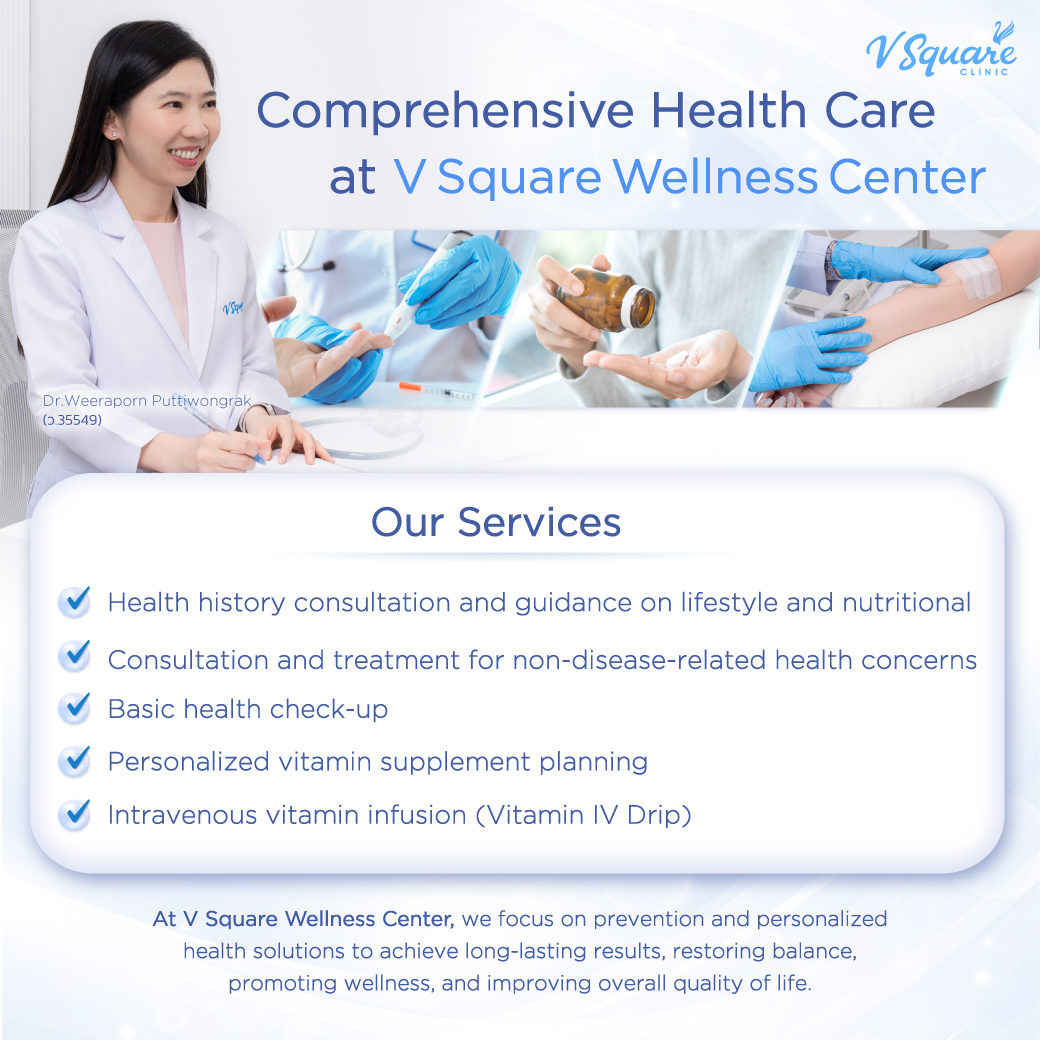
For anyone uncertain about whether NAD+ Therapy is the right choice, or who wishes to enhance overall health with vitamin IV therapy, our doctors at V Square Wellness Center are available for consultation. We focus on holistic wellness—supporting both body and mind, reducing risks, and preventing illness before it develops.
Reference
- Fang, J., Chen, W., Hou, P. et al. NAD+ metabolism-based immunoregulation and therapeutic potential. Cell Biosci 13, 81 (2023).
https://doi.org/10.1186/s13578-023-01031-5 - Levine DC, Hong H, Weidemann BJ, Ramsey KM, Affinati AH, Schmidt MS, Cedernaes J, Omura C, Braun R, Lee C, Brenner C, Peek CB, Bass J. NAD+ Controls Circadian Reprogramming through PER2 Nuclear Translocation to Counter Aging. Mol Cell. 2020 Jun 4;78(5):835-849.e7. doi: 10.1016/j.molcel.2020.04.010. Epub 2020 May 4. PMID: 32369735; PMCID: PMC7275919.
- McReynolds MR, Chellappa K, Baur JA. Age-related NAD+ decline. Exp Gerontol. 2020 Feb 22;134:110888. doi: 10.1016/j.exger.2020.110888. Epub ahead of print. PMID: 32097708; PMCID: PMC7442590.

สำหรับผู้อ่านทุกท่านที่มีข้อสงสัยเพิ่มเติม ทีมแพทย์ V Square Clinic ทุกคนยินดีให้คำปรึกษาฟรี โดยไม่มีค่าใช้จ่าย หรือสามารถปรึกษาหมอทาง inbox facebook หรือ Line นี้ได้เลยครับ หมอตอบเองครับ
Botox Aftercare Restrictions – How to Make Botox Last Longer
Reading Time: 12 minutesBotox (Botulinum Toxin) injections have been popular for many years because they deliver visible results—reducing wrinkles, slimming the jawline, and reshaping the face—at an affordable cost.Typically, Botox lasts around 4–6 months.

Which Botox Brand Is Best? USA / Korea / UK / Germany — H...
Reading Time: 12 minutesBotox is the trade name for Botulinum Toxin Type A, a substance widely used in aesthetic treatments. It is derived from the bacterium Clostridium Botulinum and acts as a neurotoxin by interfering with the communication between nerves and muscles.

Masseter Botox: How Many Days Until Results? Post-Treatme...
Reading Time: 4 minutesHow long does it take to see results after Masseter Botox? This is a common question among those who want a slimmer face shape but prefer to avoid surgery. Many also want a quick, convenient procedure without downtime. This article explains the expected timeline and provides essential aftercare tips to help Botox work faster and last longer.

What Is Exosome? How Much Does It Cost, and Is It Truly t...
Reading Time: 10 minutesExosomes are gaining significant attention in the aesthetics field for their role in skin rejuvenation and repair. They are being applied to address multiple skin concerns such as wrinkles, enlarged pores, acne scars, melasma, freckles, and dark spots.

13 Hair Removal Methods — Which One Should You Choose? Is...
Reading Time: 10 minutes13 popular hair removal methods — which one is the best for long-lasting results without the risk of ingrown hairs? Hair plays an important role in helping regulate body temperature and protecting the skin from bacteria and dirt. While body hair itself is not harmful