

Migraine Headaches
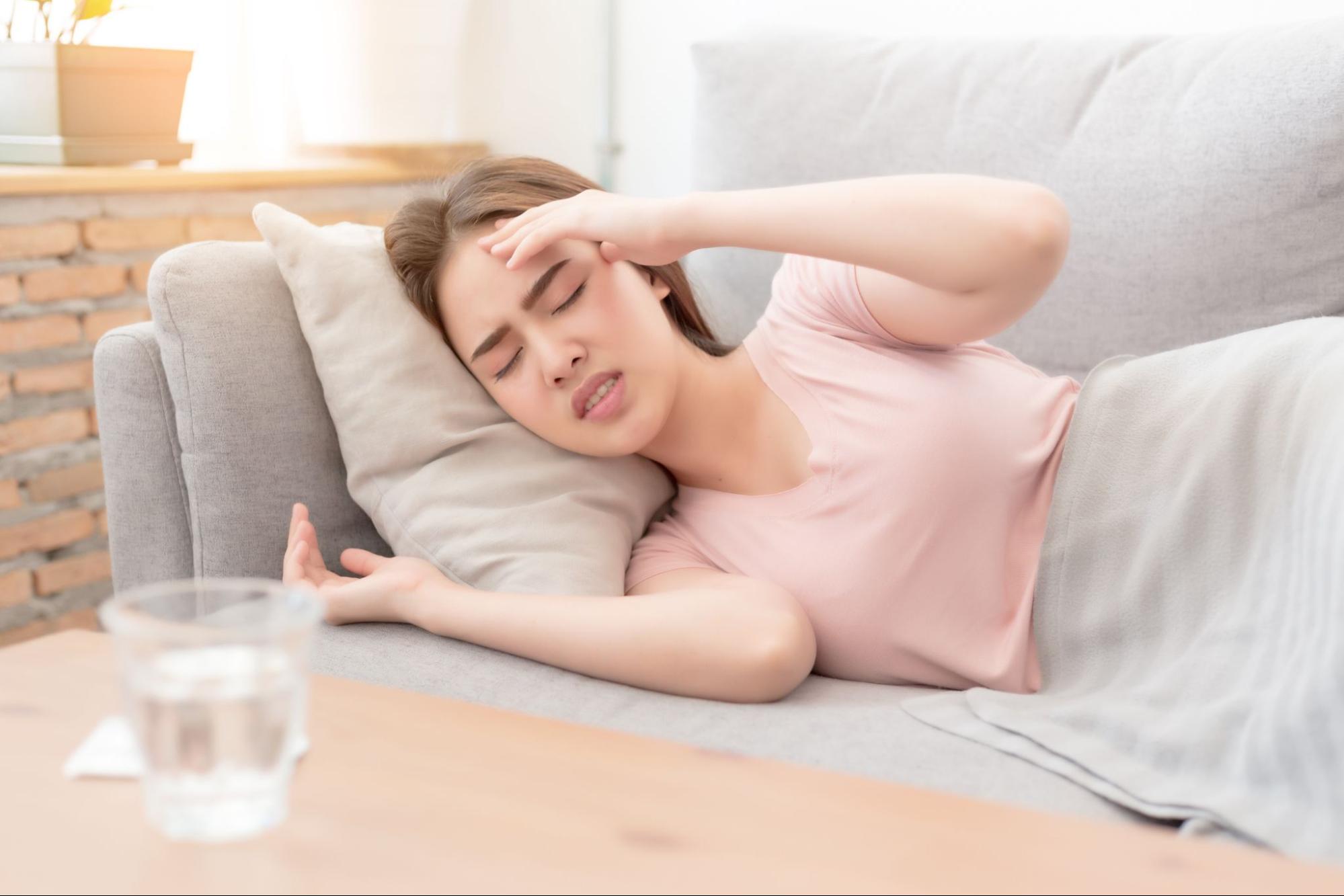
What causes migraine headaches? Why does the pain feel like a throbbing pulse on one side, sometimes so intense that it disrupts daily life, often accompanied by nausea and sensitivity to light or sound? Many people wonder whether migraines are dangerous, whether they can be cured, and how they should be treated.
This article explains migraines in detail — covering their causes, symptoms, proper management, and treatment options — to help you better understand the condition and take care of yourself effectively.
Table of Content : Migraine headache
What Are the Symptoms of Migraine Headaches?
Migraine headaches are a specific type of headache caused by abnormalities in the brain’s nervous and vascular systems. Unlike common headaches, migraines are associated with neurotransmitter changes that affect the constriction and dilation of blood vessels, leading to pain that can range from mild to severe.
Key characteristics of migraine headaches:
- Throbbing pain on one or both sides of the head, similar to a pulsing heartbeat
- Nausea, vomiting, and dizziness
- Sensitivity to light and sound
- Visual disturbances such as flashing lights, double vision, or blurred vision
- Fatigue, weakness, or lack of concentration
- Recurrent headaches that often coincide with menstrual cycles
- Each migraine episode can last anywhere from 4 hours to up to 3 days

What Causes Migraine Headaches?
The exact cause of migraines is still not fully understood. However, it is believed to result from multiple interacting factors involving the brain, hormones, and lifestyle habits.
Common contributing factors include:
- Neurotransmitter imbalance: Especially fluctuations in serotonin, which plays a key role in regulating cerebral blood vessels. When serotonin levels change, blood vessels may constrict or dilate abnormally, leading to migraine pain.
- Hormonal changes: Migraines are more common in women, particularly before or during menstruation, due to a drop in estrogen levels that increases the nervous system’s sensitivity to triggers.
- Stress and lack of rest: One of the most common triggers. When the body is fatigued and the brain overworked, migraines are more likely to occur.
- Dietary triggers: Certain foods and beverages — such as chocolate, cheese, alcohol, caffeine, or fermented foods — can provoke migraine episodes.
- Environmental stimuli: Bright lights, heat, loud noises, or even strong odors may trigger migraines in sensitive individuals.
- Medications: Some drugs can induce migraines, such as hormonal contraceptives (which alter hormone balance) or vasodilators (which affect cerebral blood vessels), making migraines more frequent in some people.
Who Can Experience Migraine Headaches?
Migraines can occur in people of all ages and genders, but they are most common among the following groups:
- Working-age women between 20–40 years old
- Individuals with a family history of migraines
- People with unbalanced lifestyles — such as lack of sleep, excessive caffeine consumption, or overworking
Are Migraine Headaches Dangerous?
Migraines are not life-threatening; however, if they occur frequently or become chronic without proper treatment, they can significantly affect quality of life. Persistent migraine episodes can interfere with work performance, sleep quality, and mental health — leaving many people feeling exhausted and struggling to maintain daily routines.
How to Relieve Migraine Headaches
If you’re wondering how to relieve migraine headaches, the first step is proper self-care. Try starting with these simple but effective adjustments:
- Get enough sleep and maintain a consistent bedtime schedule
- Stay hydrated by drinking plenty of water
- Avoid triggers such as bright lights, loud noises, or strong smells
- Rest in a dark, quiet, and well-ventilated room
- Apply a cold compress to the temples or forehead to reduce pain
- Engage in light exercise regularly
- Practice stress-relieving activities such as yoga or meditation
Note: If medication is needed to manage migraine symptoms, it’s essential to consult a doctor first. Migraines can vary in type and severity among individuals, so choosing the right medication early can help control symptoms more effectively and prevent complications from improper or excessive drug use.
3 Medical Treatments for Migraine Relief
If over-the-counter painkillers are not sufficient, or if migraines occur frequently enough to disrupt daily life, there are safe and effective medical options available today. These treatments can help alleviate migraine symptoms significantly. We recommend three primary approaches:
1. Acupuncture for Migraine Relief
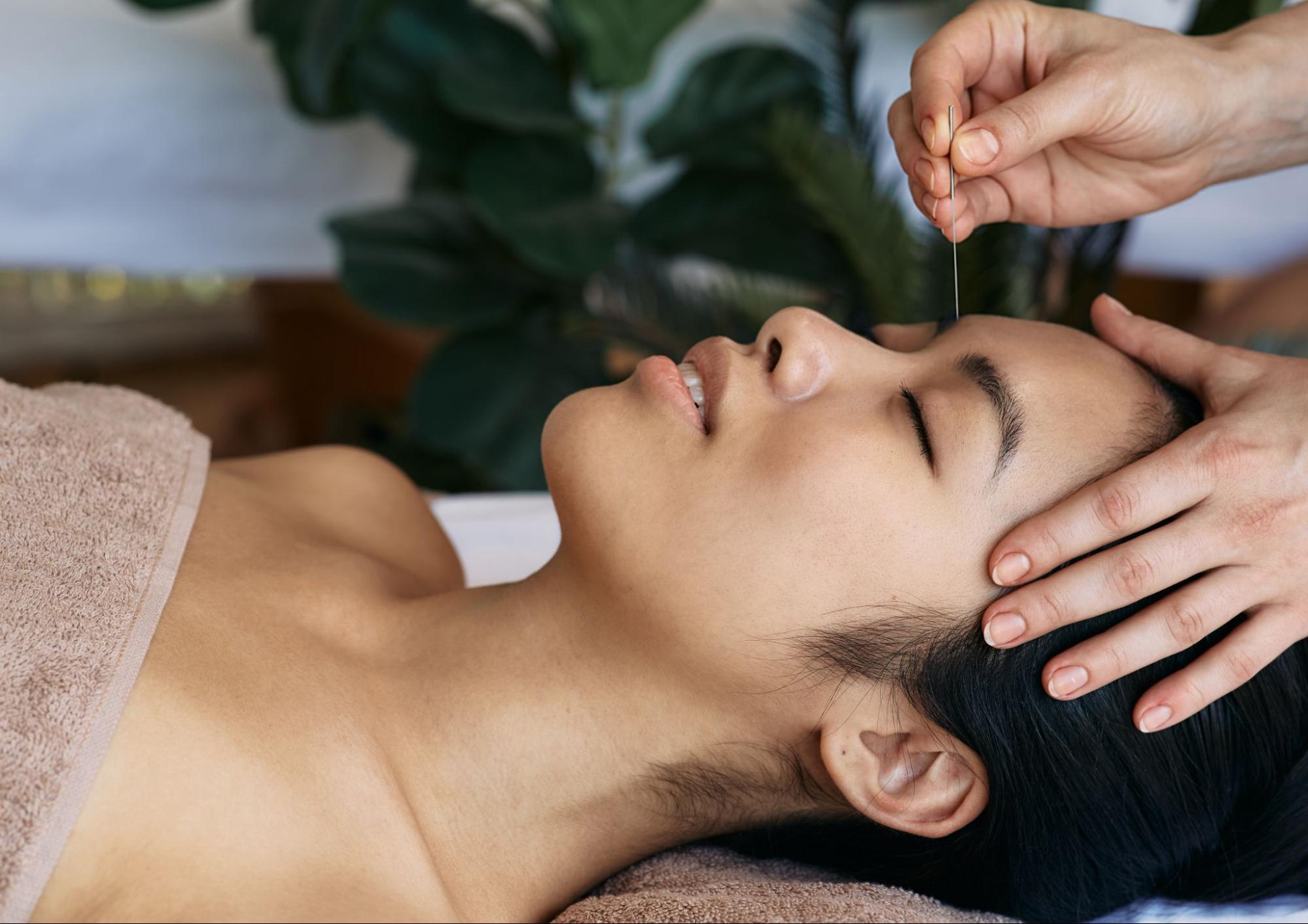
Acupuncture — a traditional Chinese medical practice — is widely recognized for its effectiveness in reducing migraine pain. During treatment, fine needles are inserted into specific acupoints connected to the nervous and circulatory systems. This helps stimulate energy flow (Qi), improve blood circulation, balance internal systems, reduce inflammation, and relieve pain.
For individuals with chronic migraines, acupuncture can promote relaxation and decrease attack frequency. Noticeable improvement is often seen after consistent treatment sessions.
2. Botox Injections for Migraine Relief
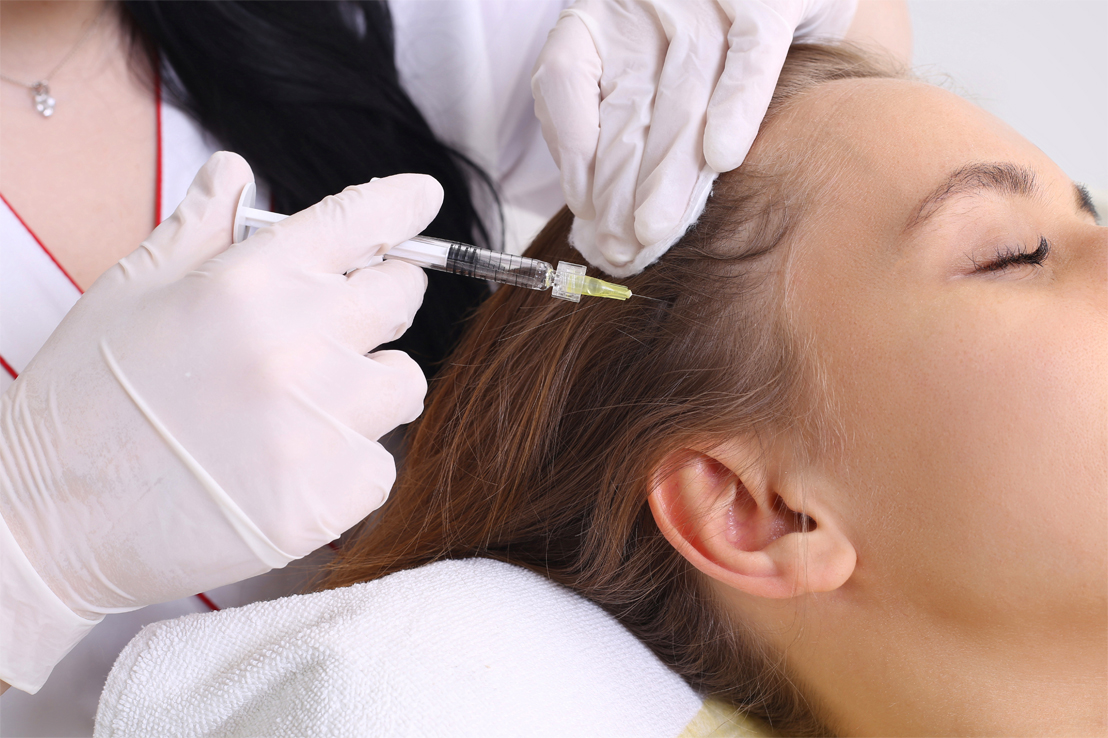
Botox injections are not only used for aesthetic purposes — they are also an established medical treatment for chronic migraine. During the procedure, botulinum toxin is injected into targeted areas such as the forehead, temples, back of the neck, and shoulders. These injections help relax muscles, reduce nerve compression, and consequently decrease both the frequency and intensity of migraine attacks.
The full effect of Botox for migraines typically appears within two weeks, though many patients begin to notice improvement within 3–4 days after treatment. Results generally last around 3–4 months, after which the toxin’s effect gradually wears off. Repeat sessions can be administered as recommended by the doctor for long-term symptom control.
3. IV Drip Therapy for Migraine Relief and Body Revitalization
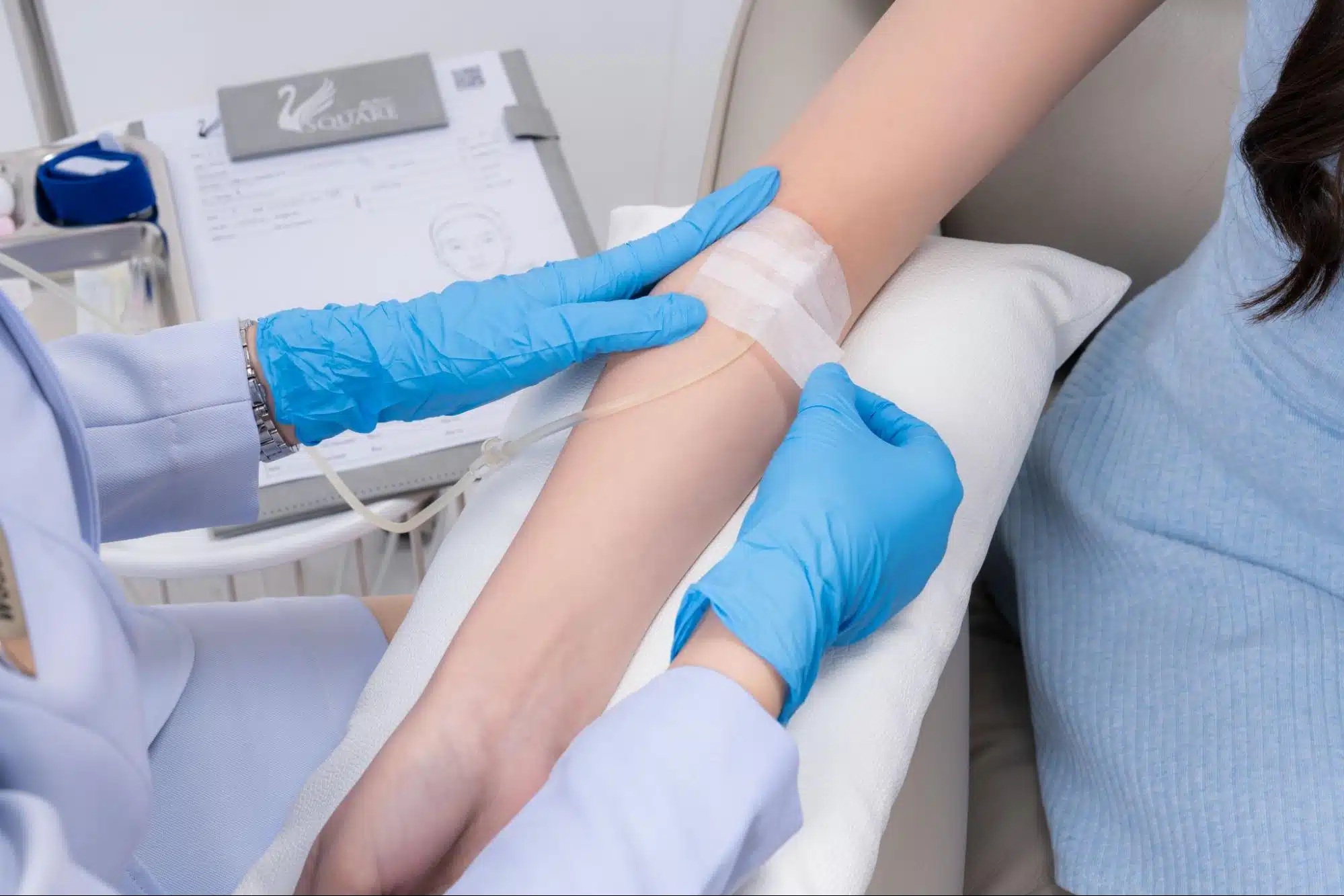
IV drip therapy involves administering essential nutrients, vitamins, and minerals directly into the bloodstream. This method helps reduce inflammation, nourish the nervous system, and relieve migraine symptoms effectively. It is particularly suitable for individuals who are sleep-deprived, fatigued, or under chronic stress — helping the body recover faster and maintain better balance.
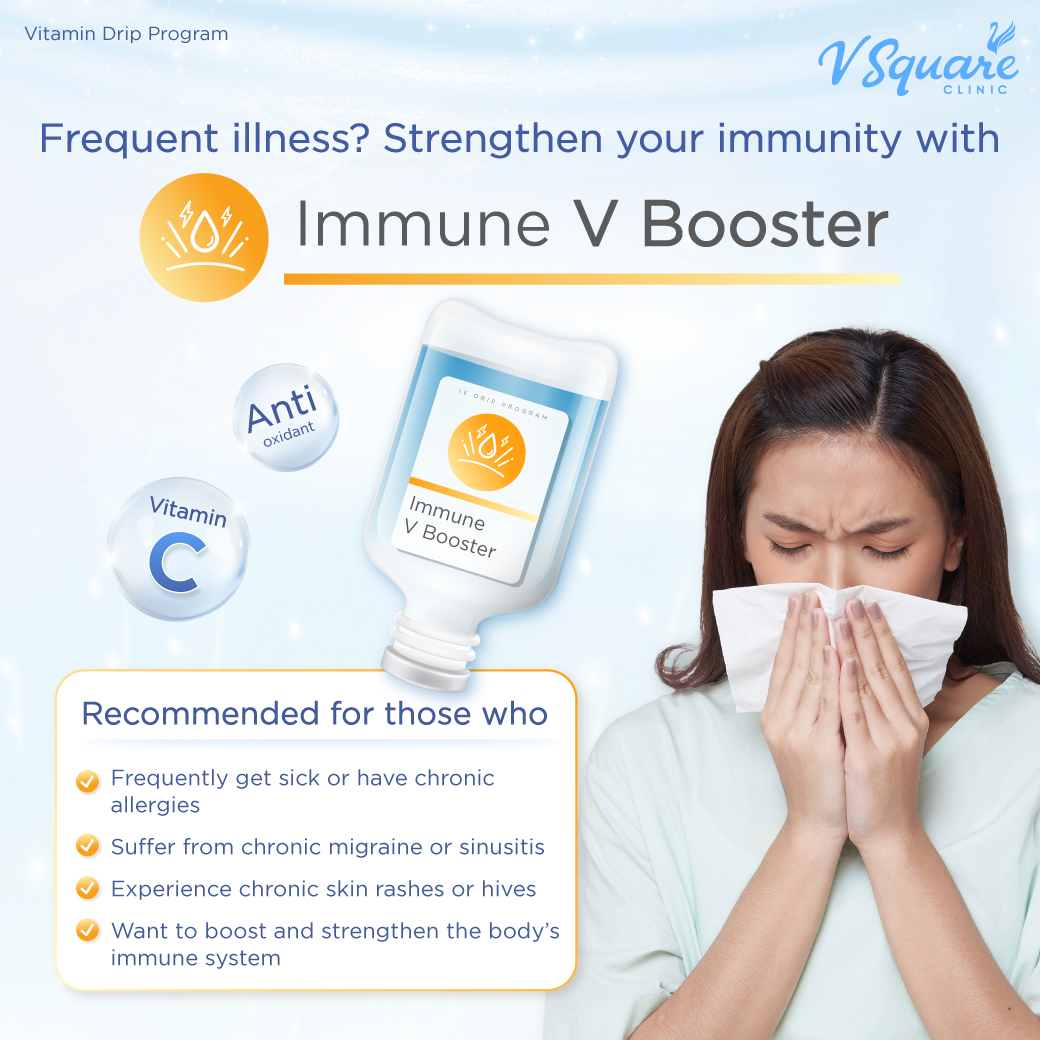
At V Square Wellness, our Immune V Booster IV drip program is designed to strengthen immunity and reduce the frequency of chronic health issues — including migraines and sinus-related discomfort. This formula combines vitamin C and antioxidants, which help stimulate immune function and reduce inflammation throughout the body.
The drip also includes essential minerals that support acid–base balance and aid in detoxification, promoting overall vitality while reducing the likelihood of recurrent migraine triggers. It’s an ideal option for those seeking long-term wellness support and preventive health care.
Interested in our Immune V Booster IV drip,
Click below to check the latest promotions.

Benefits of Vitamin Drip Therapy for Migraine Patients
Vitamin drip therapy is an effective supportive treatment for those suffering from chronic migraines — especially when symptoms are linked to stress, low immunity, or high oxidative stress in the body. The therapy provides several key benefits:
- Reduces inflammation within the body and the central nervous system, both of which are directly associated with migraine mechanisms
- Stimulates white blood cell activity, helping strengthen the immune system and prevent allergy-related flare-ups that can trigger migraines
- Restores internal balance, improves blood circulation, and supports detoxification, thereby reducing strain on the nervous system
- Revitalizes the body, relieves post-migraine fatigue, and helps patients return to daily activities more quickly
- Decreases migraine frequency and intensity, extending the interval between headache episodes
At V Square Wellness, we also offer customized vitamin formulas tailored to different health needs — such as Myer’s V Booster for energy restoration and freshness, and V Bright Booster for skin brightening and radiance. Our doctors will recommend the most suitable vitamin formula based on each person’s condition. (Advance booking is recommended for vitamin drip therapy.)
What to Eat to Relieve Migraine Headaches
A balanced diet can help alleviate migraine symptoms and reduce both their frequency and severity.
Foods That Help Relieve Migraine Symptoms
- Fatty fish such as salmon, mackerel, and sardines — rich in omega-3 fatty acids that reduce inflammation and help stabilize the nervous system
- Leafy greens and whole grains — excellent sources of magnesium, which helps lower the frequency of migraine episodes
- Fresh fruits such as bananas, avocados, and oranges — provide vitamin B and potassium to support healthy nerve function.
- Water — staying hydrated is crucial, as dehydration is one of the most common migraine triggers.

Foods to Avoid
- Caffeine and alcohol, such as coffee, liquor, and beer — may worsen migraine symptoms
- Chocolate and cheese — contain compounds that stimulate the nervous system
- Fermented or processed foods — often high in monosodium glutamate (MSG) and preservatives, which can trigger migraines
When to See a Doctor for Migraine Symptoms
Migraine symptoms can sometimes resemble those of more serious neurological conditions, such as stroke. You should seek immediate medical attention if you experience any of the following:
- A sudden, severe headache unlike any you’ve had before
- Weakness, numbness, or slurred speech
- Blurred or double vision, or sudden loss of vision
- Headache accompanied by high fever or neck stiffness
Summary — Proper Migraine Management and Treatment
Migraines are chronic headaches that can greatly impact daily life. Proper care begins with avoiding triggers such as stress, sleep deprivation, and certain foods.
If migraines occur often or become severe, consider advanced medical treatments such as Botox injections, acupuncture, or vitamin drip therapy. These approaches can safely and effectively relieve symptoms while restoring your body’s balance and improving overall well-being.
Reference
- Deen M, Christensen CE, Hougaard A, Hansen HD, Knudsen GM, Ashina M.
Serotonergic mechanisms in the migraine brain – a systematic review. Cephalalgia.
2017 Mar;37(3):251-264. doi: 10.1177/0333102416640501. Epub 2016 Jul 11. PMID:
27013238. - Panconesi A. Serotonin and migraine: a reconsideration of the central theory. J
Headache Pain. 2008 Oct;9(5):267-76. doi: 10.1007/s10194-008-0058-2. Epub 2008
Jul 31. PMID: 18668197; PMCID: PMC3452194.

สำหรับผู้อ่านทุกท่านที่มีข้อสงสัยเพิ่มเติม ทีมแพทย์ V Square Clinic ทุกคนยินดีให้คำปรึกษาฟรี โดยไม่มีค่าใช้จ่าย หรือสามารถปรึกษาหมอทาง inbox facebook หรือ Line นี้ได้เลยครับ หมอตอบเองครับ

What Is a Weight Loss Pen? How It Works & How to Choose the Right Option for Effective Results
Reading Time: 10 minutesObesity has become a major global health concern, leading many people to seek weight-loss methods that are both safe and effective. A weight loss pen, also known as a weight loss injection pen, is one of the medical innovations that has gained significant popularity in recent years

Wegovy Weight Loss Pen (Semaglutide): A Medical Approach ...
Reading Time: 10 minutesWegovy is a weight-loss pen developed in Denmark, containing the active ingredient Semaglutide. It is a treatment option designed to help individuals with obesity reduce weight and lower long-term health risks associated with excess body fat.

What Is Sinusitis? Causes, Treatments, and Ways to Streng...
Reading Time: 7 minutesSinusitis is becoming increasingly common, affecting around 15% of the general population. Although the condition is not typically dangerous and can be fully treated, inadequate self-care may lead to chronic symptoms or complications that require longer treatment.

What Visceral Fat Is — 9 Ways to Reduce VF Levels and Low...
Reading Time: 11 minutesMany people think visceral fat is the same as the belly fat you can see or pinch. In reality, visceral fat also surrounds vital organs such as the liver, intestines, and heart. Because of its location, it provides important clues about overall health.

Get to Know inBo — A New Korean-Swedish Botox with Fast R...
Reading Time: 8 minutesinBo is a new-generation botulinum toxin that has been gaining a lot of attention thanks to its high purity, fast onset, natural-looking results, and brand transparency. The manufacturer clearly discloses both the bacterial strain and its production origin, which many patients appreciate.

Best Ways to Tighten Enlarged Pores for Smoother Skin — W...
Reading Time: 14 minutesEnlarged pores can make the skin appear uneven and affect overall confidence. Today, there are many ways to tighten pores — from skincare ingredients and topical treatments to medical-grade procedures.