
Ingrown Hair Can Be Treated
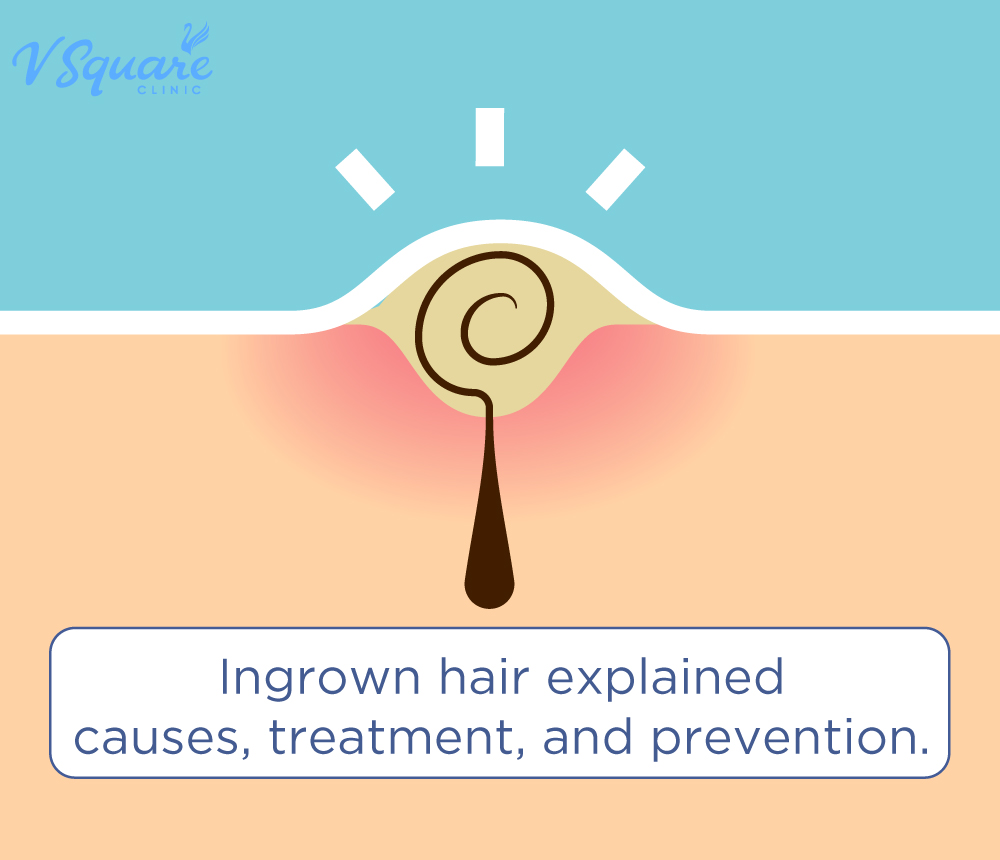
Ingrown hair is a common skin concern, especially after shaving, waxing, or plucking. Besides affecting the appearance of the skin, it can also cause discomfort. In more severe cases, ingrown hair may lead to inflammation or even infection.
If you’re experiencing this issue, this article will help you understand ingrown hair in detail — from causes, appearance, and symptoms to the most effective treatments and prevention tips — so you can take care of your skin properly and choose the right approach to manage it.
Table of Content : Ingrown Hair
What Is Ingrown Hair?
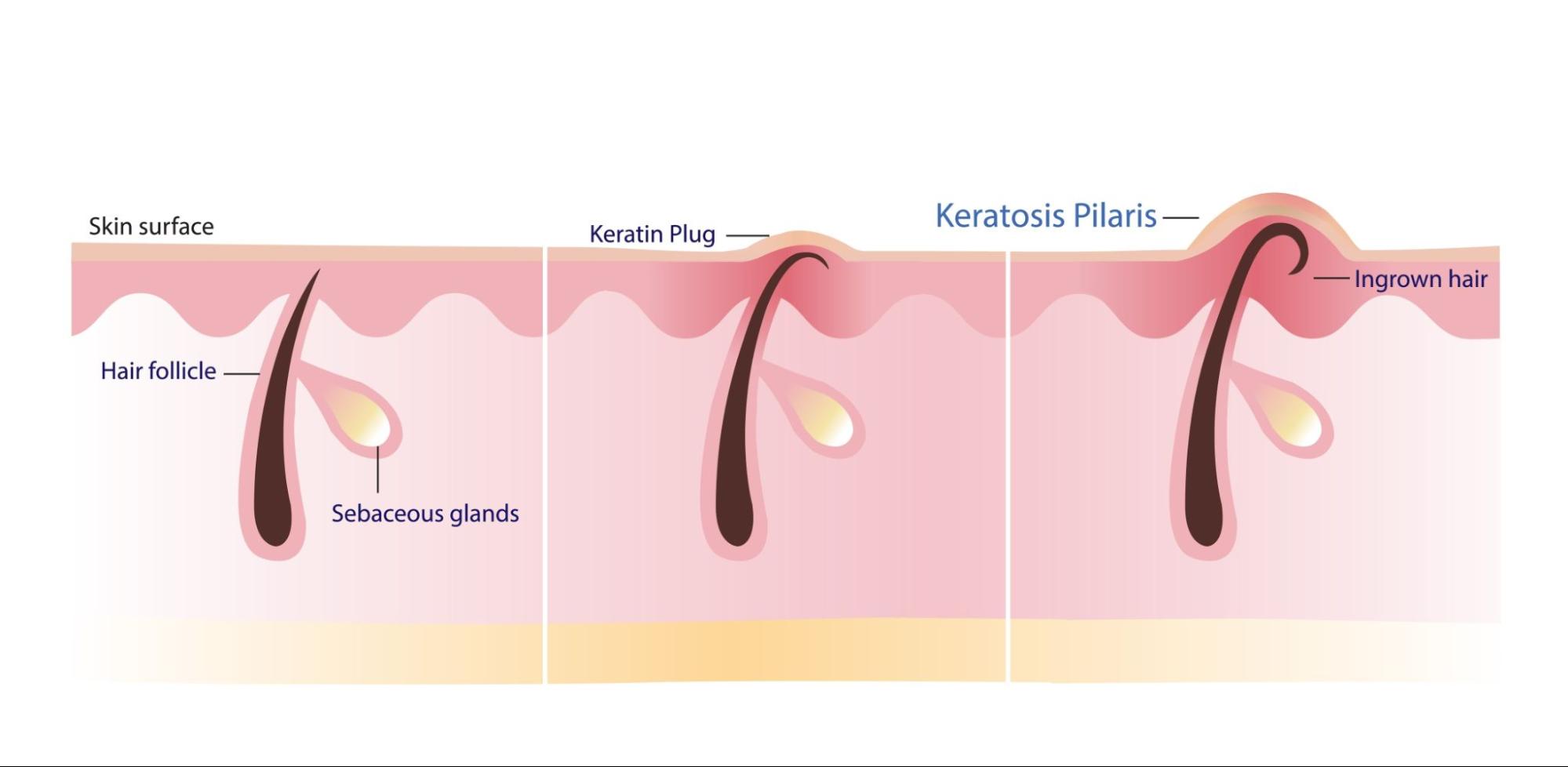
Ingrown hair occurs when keratin — the structural protein within the hair follicle — accumulates excessively, causing the skin to thicken. As a result, newly growing hair cannot break through the skin’s surface and curls back beneath the outer layer. This leads to raised bumps on the skin.
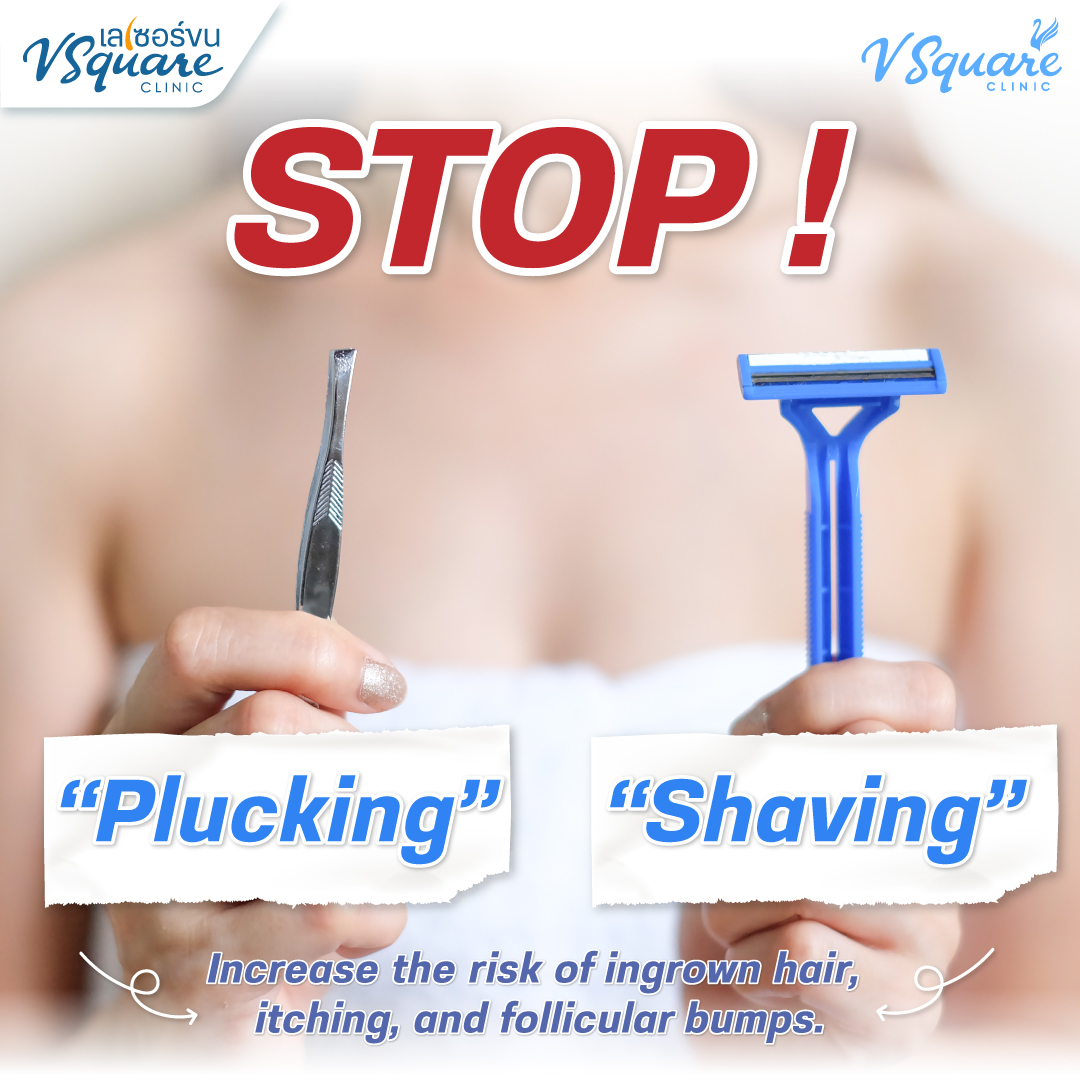
It often appears in areas that are shaved, plucked, or waxed frequently — such as the face, neck, groin, arms, and legs — and is especially common in people with thick or coarse hair.
What Does Ingrown Hair Look Like?
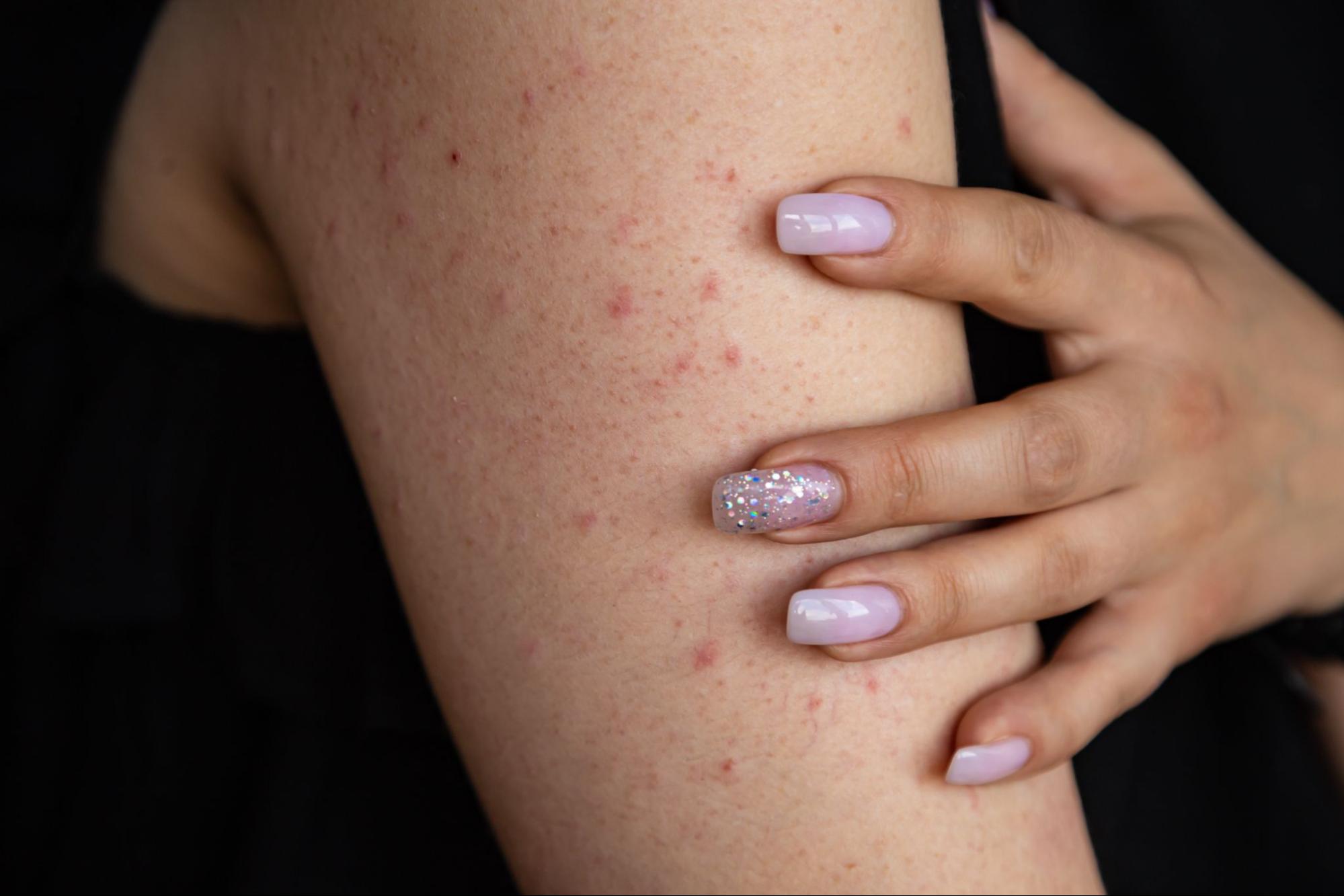
Ingrown hair usually appears as small red or pink bumps measuring about 1–3 mm. You may notice curled or sideways-growing hair trapped beneath the skin, which is a common sign of ingrown hair. In some individuals, these bumps may become inflamed or itchy, leading to scratching that further irritates the skin.
Is Ingrown Hair Dangerous?
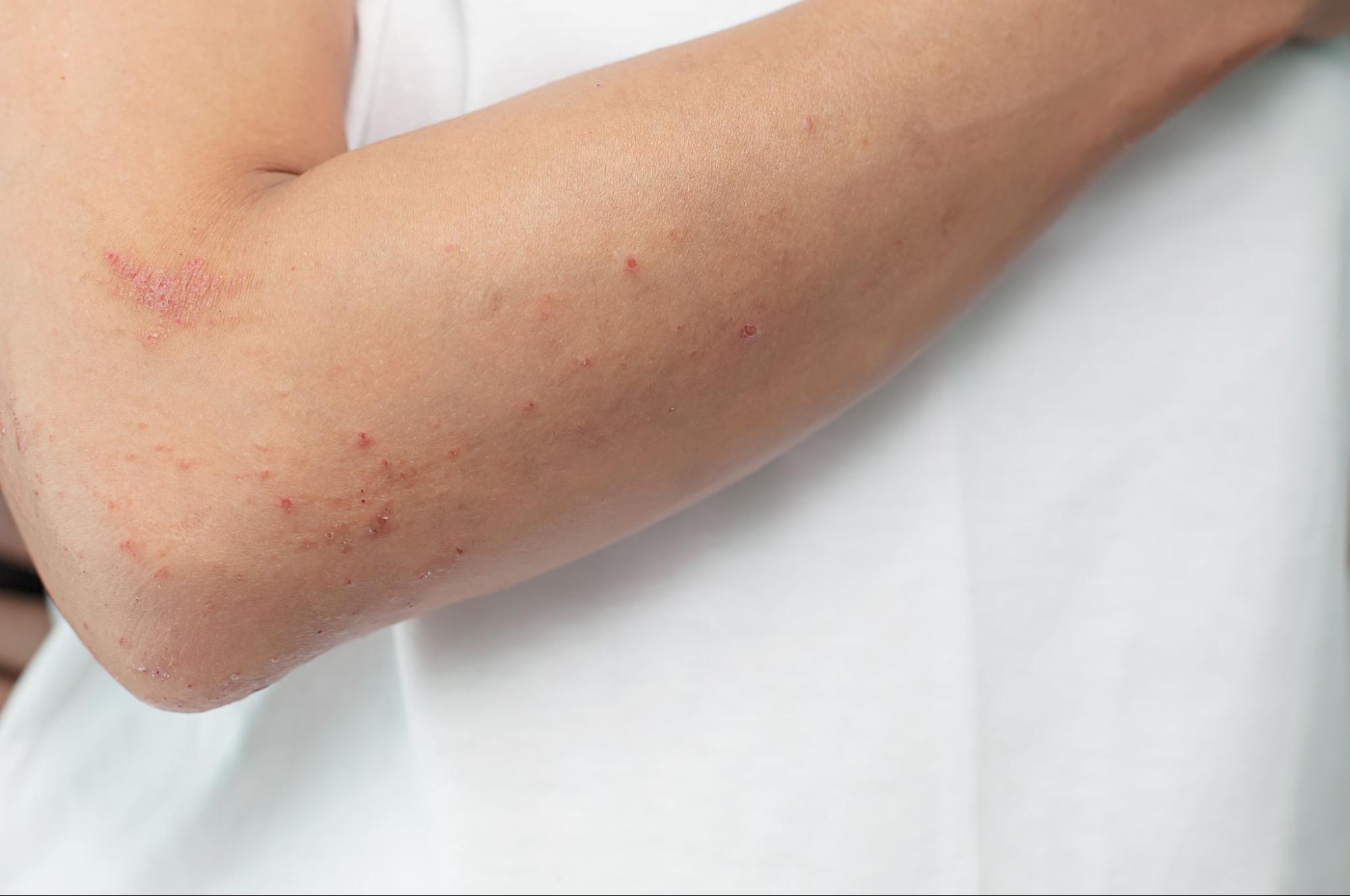
Ingrown hair is not dangerous or harmful to overall health, and in many cases, it may improve naturally with age. However, without proper care, it can cause discomfort and various skin concerns, such as:
- Dark spots or pigmentation
- Scarring, especially if squeezed, scratched, or pulled improperly
- Increased irritation or inflammation in individuals with sensitive skin or existing skin conditions
- In severe cases, painful abscesses or secondary bacterial infections caused by trapped hair beneath the skin
While ingrown hair is not life-threatening, proper prevention and treatment can greatly reduce symptoms. Permanent hair removal with laser — especially Long Pulse Nd:YAG technology — can significantly reduce ingrown hair by targeting the hair root directly. More details will be explained in the treatment section below.
Where Can Ingrown Hair Occur?
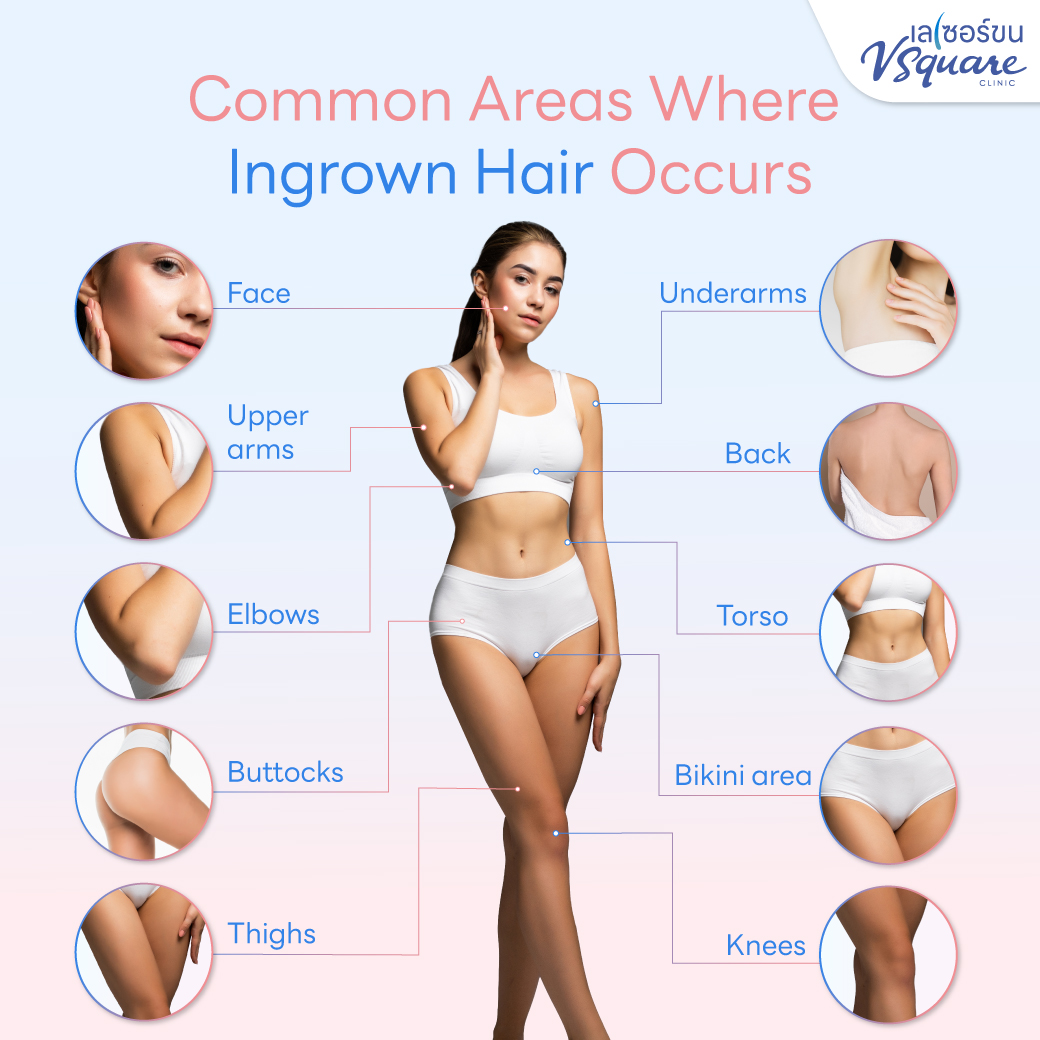
Ingrown hair can appear anywhere on the body, but it is most common in areas with thick or coarse hair, including:
- Face
- Underarms
- Groin
- Legs
- Arms
- Chest and back
- Buttocks and hips
- Intimate areas
What Causes Ingrown Hair?
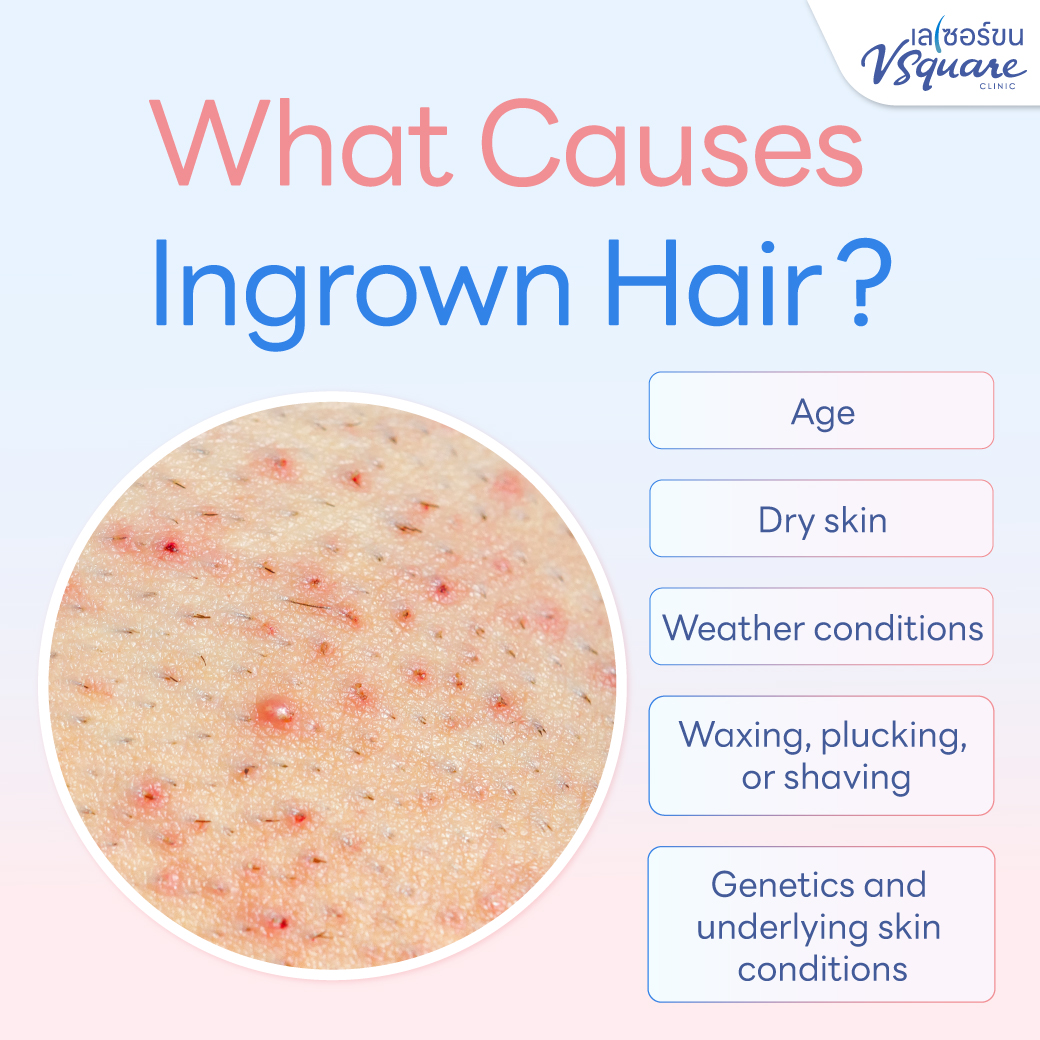
Ingrown hair is a common issue, especially in individuals with thick or coarse hair. Several factors can contribute to the development of ingrown hair, such as:
- Improper hair removal methods — shaving against the direction of hair growth can create sharp, pointed hair ends that easily curl back into the skin.
- Clogged hair follicles — buildup on the skin surface can thicken the outer layer, preventing hair from breaking through.
- Naturally curly or coily hair — these hair types tend to grow inward or sideways beneath the skin.
- Excessive scrubbing — aggressive exfoliation can cause hair to break and grow back beneath the skin.
- Tight clothing — friction and pressure can push hair to grow in the wrong direction.
- Hormonal changes — common in teenagers and pregnant women.
- Sweat and moisture buildup — especially in warm or humid areas.
- Genetics — some people are naturally more prone to ingrown hair.
- Dry or rough skin — particularly during cold weather.
How to Treat Ingrown Hair
Ingrown hair is a skin concern that can be effectively treated. There are several treatment options available, including at-home care, medical management, and dermatologic procedures.
1. At-Home Treatments for Ingrown Hair
You can manage ingrown hair at home with simple and cost-effective methods:
- Apply warm compresses to open the pores, allowing trapped hair to surface and helping reduce inflammation. Follow with a moisturizer to maintain hydration.
- Use exfoliating products to remove dead skin cells and prevent follicle blockage.
- Apply creams containing glycolic acid or salicylic acid to promote gentle exfoliation.
- Shower with mild cleansers or moisturizing body washes that soften the skin and support natural exfoliation.
- Take vitamin D if you have limited sun exposure, as deficiency may contribute to skin roughness and worsening ingrown hair in some individuals.
2. Medical Treatment for Ingrown Hair
If at-home care doesn’t improve the condition, seeing a doctor is a good option. A doctor may use a sterile fine needle to remove trapped hair or use electrical cautery to destroy the hair root and prevent recurrence.
3. Medication for Ingrown Hair
For those experiencing redness, itching, irritation, or secondary infection, a doctor may prescribe medication such as:
- Topical retinoids — help promote skin turnover and reduce follicle blockage.
- Topical steroids — for reducing inflammation in more severe cases.
- Topical antibiotics — to prevent or treat bacterial infection.
4. Treating Ingrown Hair Scars
If ingrown hair has left dark marks or scars, treatments such as resurfacing lasers can improve skin texture, reduce redness, and lighten pigmentation. Corticosteroid injections may also help reduce inflammation and flatten raised scars.
5. Exfoliating or Scrubbing for Ingrown Hair
Gentle exfoliation is a helpful method for treating and preventing ingrown hair. It removes dead skin cells and allows hair to grow outward more easily.
It is recommended to exfoliate 1–2 times per week using gentle scrubs. Avoid harsh grains or overly abrasive products, and be careful not to scrub too vigorously — especially on areas that are already inflamed or have active ingrown hair.
6. Laser Hair Removal for Treating Ingrown Hair
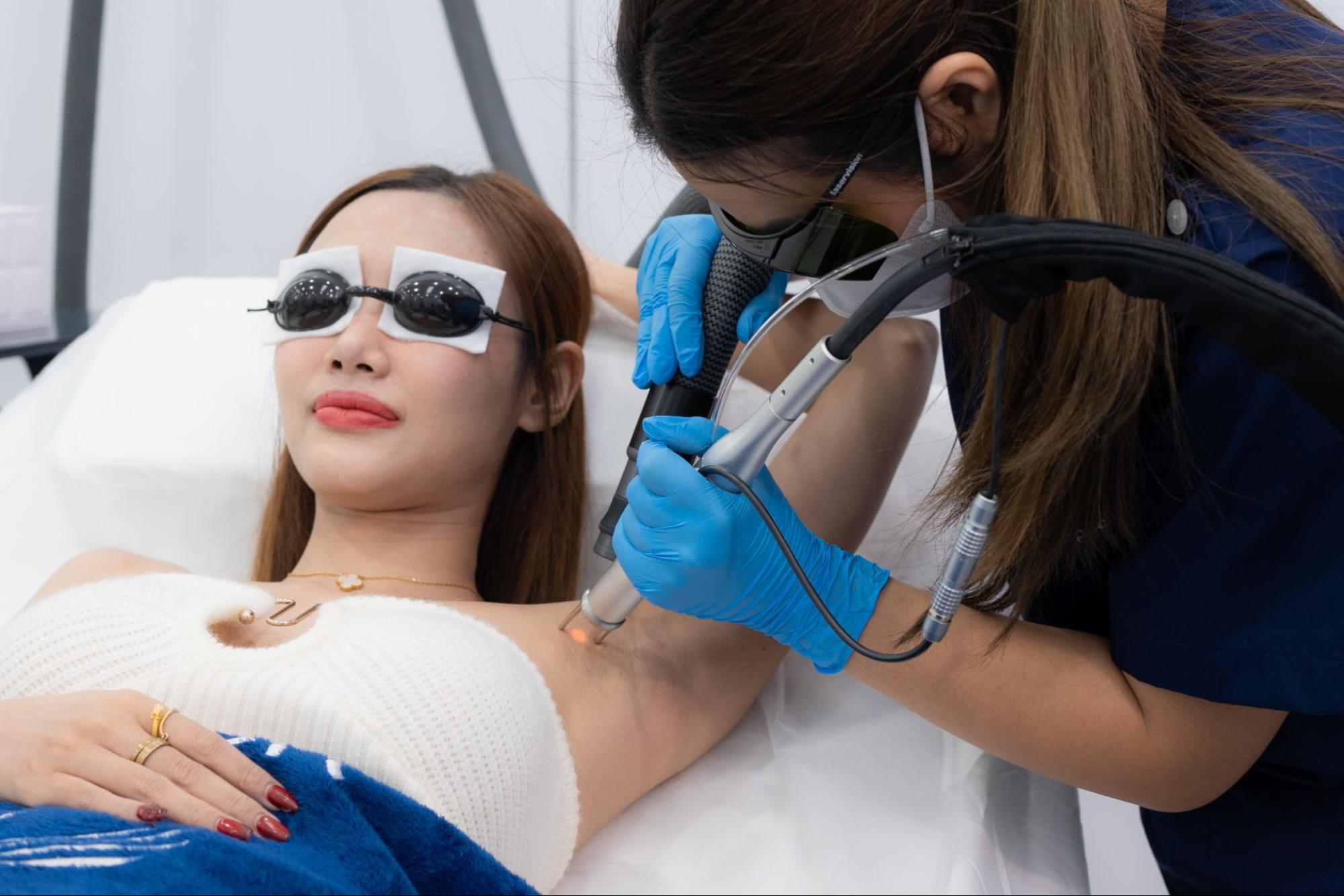
hair. It is safe for the skin, quick, and delivers visible results from the first session.
Laser hair removal is one of the most effective ways to reduce ingrown hair and prevent future recurrence. The laser delivers controlled heat directly to the hair root, destroying the follicle so it cannot regrow. This helps prevent follicular inflammation and irritation commonly caused by shaving or waxing.
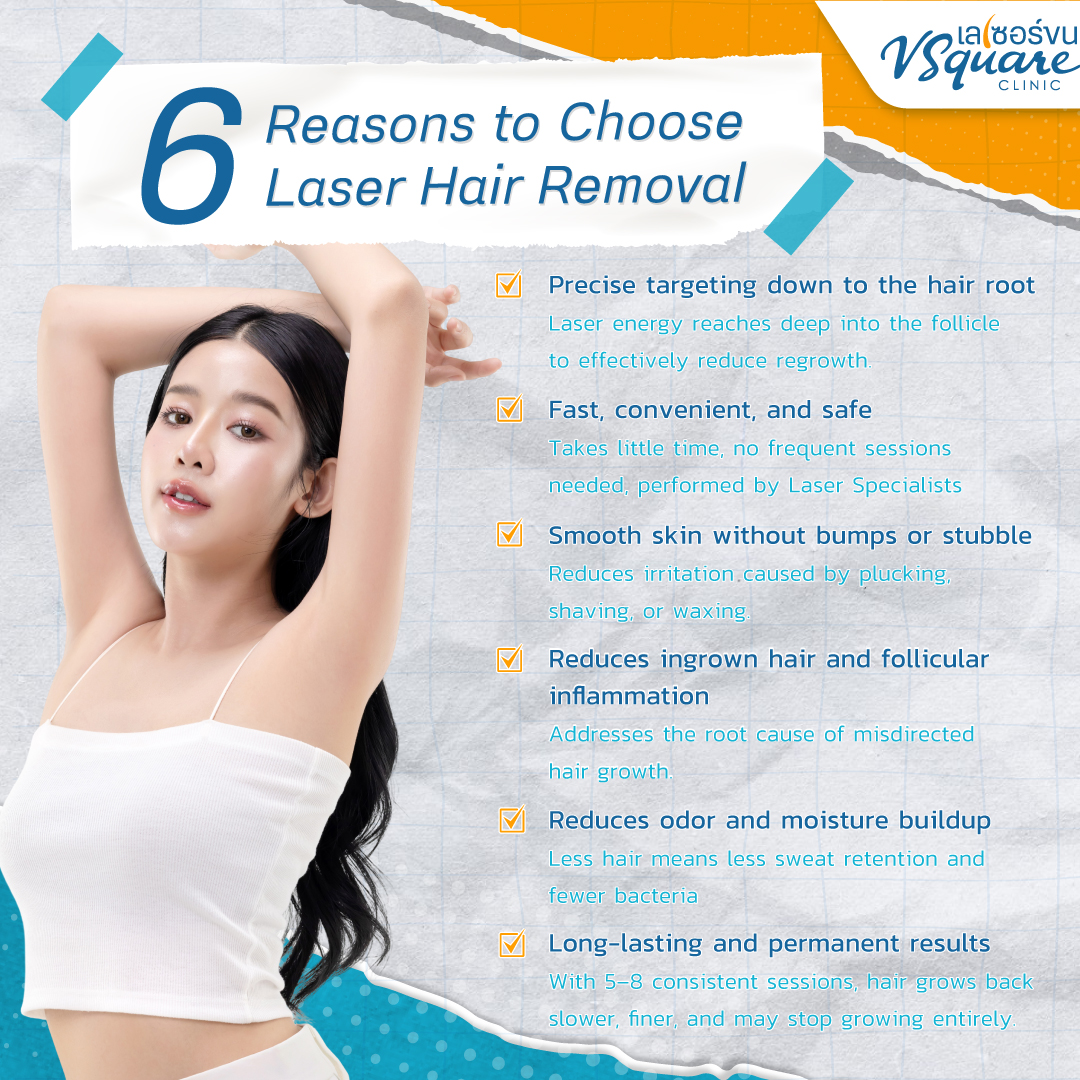
Today, two popular technologies for hair removal are Diode Laser and Nd:YAG Laser. Among them, the Long Pulse Nd:YAG 1064 is known for its strong performance in targeting deep hair follicles, making it widely used in leading clinics.
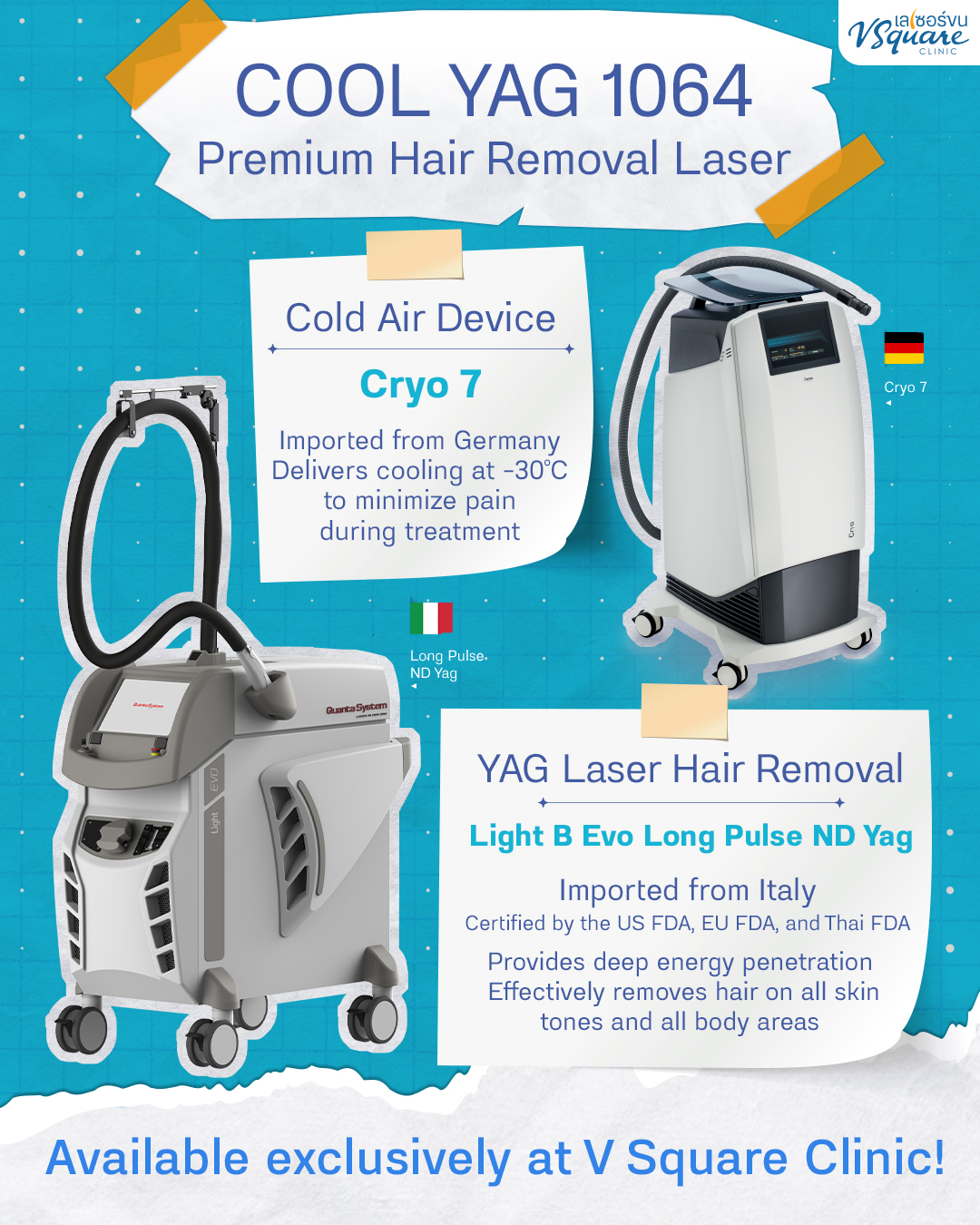
At V Square Clinic, we offer the Cool Yag 1064 program for patients who want targeted treatment for ingrown hair. This program uses the Long Pulse Nd:YAG 1064 laser (Light-B EVO from Italy) combined with the Cryo 7 cooling system from Germany. This combination is safe, effective, and approved by the US FDA, European CE, and Thai FDA.
Why V Square Clinic Uses the Cool Yag 1064 Program
- To provide patients with the most comfortable and effective hair removal experience using advanced laser technology.
- The combination of Long Pulse Nd:YAG 1064 and the New Cryo 7 cooling system keeps the skin comfortable during treatment — no pain, no burning sensation, and no need for numbing cream.
- Long Pulse Nd:YAG 1064 delivers energy deep into the hair root, slowing regrowth and making hair finer over time.
- Visible improvement from the first session; with 5–8 consistent sessions, long-term or permanent hair reduction can be achieved.
- Suitable for all skin types, hair thicknesses, and hair colors (except gray hair).
- Effective for various body areas — including underarms, Brazilian, facial hair, legs, and more.
- Helps reduce ingrown hair, folliculitis, and irritation caused by shaving or waxing.
- Quick treatment time, fast hair shedding, and smoother skin.
- A cost-effective hair removal method with long-term benefits.
Interested in the Cool Yag 1064 program?
Click to check the latest promotions.

How to Prevent Ingrown Hair
Preventing ingrown hair is the most effective way to maintain smooth, healthy skin. Here are simple prevention methods you can follow:
- Address the root cause of ingrown hair with laser hair removal — particularly Long Pulse Nd:YAG technology.
- Shave correctly by shaving in the direction of hair growth and using a clean, sharp razor.
- Use products containing glycolic acid or salicylic acid to exfoliate dead skin cells, reduce ingrown hair, and keep the skin hydrated.
- Drink enough water to maintain skin moisture from within.
- Avoid tight clothing to reduce friction and pressure on the skin.
- Use gentle skincare products and avoid harsh chemicals.
- Shower daily — especially after exercising — and dry the skin thoroughly before dressing.
Should You See a Doctor for Ingrown Hair?
In most cases, ingrown hair is not dangerous and does not require a doctor’s visit. However, medical attention is recommended if you experience:
- Severe inflammation or pain
- Signs of infection, such as pus or fever
- Widespread or worsening ingrown hair
- No improvement with at-home treatments
- Ingrown hair affecting confidence or quality of life
If these symptoms occur, seeing a doctor can help you receive proper treatment. A doctor may prescribe antibiotics or topical steroids to reduce inflammation and prevent infection.
In cases where ingrown hair persists or recurs frequently, additional treatment options may be recommended — such as laser hair removal, targeted skincare products, or professional treatments designed to reduce ingrown hair.
Summary — What Is the Best Way to Treat Ingrown Hair?
The most effective way to manage ingrown hair is to prevent it from developing in the first place. You can apply the prevention and treatment methods discussed above based on your symptoms, skin condition, and personal needs.
For those who want a long-term solution that directly addresses the root cause, laser hair removal is one of the most effective options. You can visit V Square Clinic for a free skin assessment and personalized guidance.
If your ingrown hair is severe or persistent, consulting a dermatologist is recommended. Early treatment helps prevent complications and keeps your skin healthy over the long term.

สำหรับผู้อ่านทุกท่านที่มีข้อสงสัยเพิ่มเติม ทีมแพทย์ V Square Clinic ทุกคนยินดีให้คำปรึกษาฟรี โดยไม่มีค่าใช้จ่าย หรือสามารถปรึกษาหมอทาง inbox facebook หรือ Line นี้ได้เลยครับ หมอตอบเองครับ

Best Ways to Tighten Enlarged Pores for Smoother Skin — Which Treatment Should You Choose?
Reading Time: 14 minutesEnlarged pores can make the skin appear uneven and affect overall confidence. Today, there are many ways to tighten pores — from skincare ingredients and topical treatments to medical-grade procedures.
Vitamin B Complex — A Complete Boost for Energy, Health, ...
Reading Time: 9 minutesมีคนอ่านบทความนี้แล้ว : 16 วันที่อัพเดตล่าสุด : 6 February 2026 Understanding Vitamin B Complex Vitamin B Complex is a key component in dietary supplements and vitamin drip programs because these nutrients play essential roles throughout the body. They support immune function, digestion, and the nervous system, and they also promote healthier skin, hair, and nails. This article […]
What is Seborrheic Keratosis? Is it Dangerous? A Complete...
Reading Time: 5 minutesSeborrheic keratosis is a common condition among adults and older individuals. Although it is a benign skin issue, many people choose to treat it because it can cause discomfort or affect confidence in daily life.

How Many Pico Laser Types Are There? Models, Modes, and K...
Reading Time: 9 minutesMany people may not realize that “Pico Laser” is not a single machine — but a category of laser technologies available in various types, models, and brands. These include PicoSure, PicoSure Pro, PicoPlus, Enlighten, PicoWay, and Discovery Pico, each designed to address different skin concerns.

What Is Yag Reju Laser Rejuvenation? Benefits, Suitabilit...
Reading Time: 11 minutesYag Reju Laser Rejuvenation is a treatment designed to improve underarm skin quality. It helps reduce keratosis pilaris–like bumps, smooth uneven texture, and stimulate collagen production. For individuals who feel self-conscious about rough or uneven underarm skin

8 Methods to Boost Facial Collagen — Restore Youthful Ski...
Reading Time: 8 minutesStimulating facial collagen is all about rejuvenating your skin from within. Each treatment encourages the natural production of new collagen fibers, gradually leaving your complexion smoother, firmer, and more youthful.