
Hyaluronic Acid (HA)
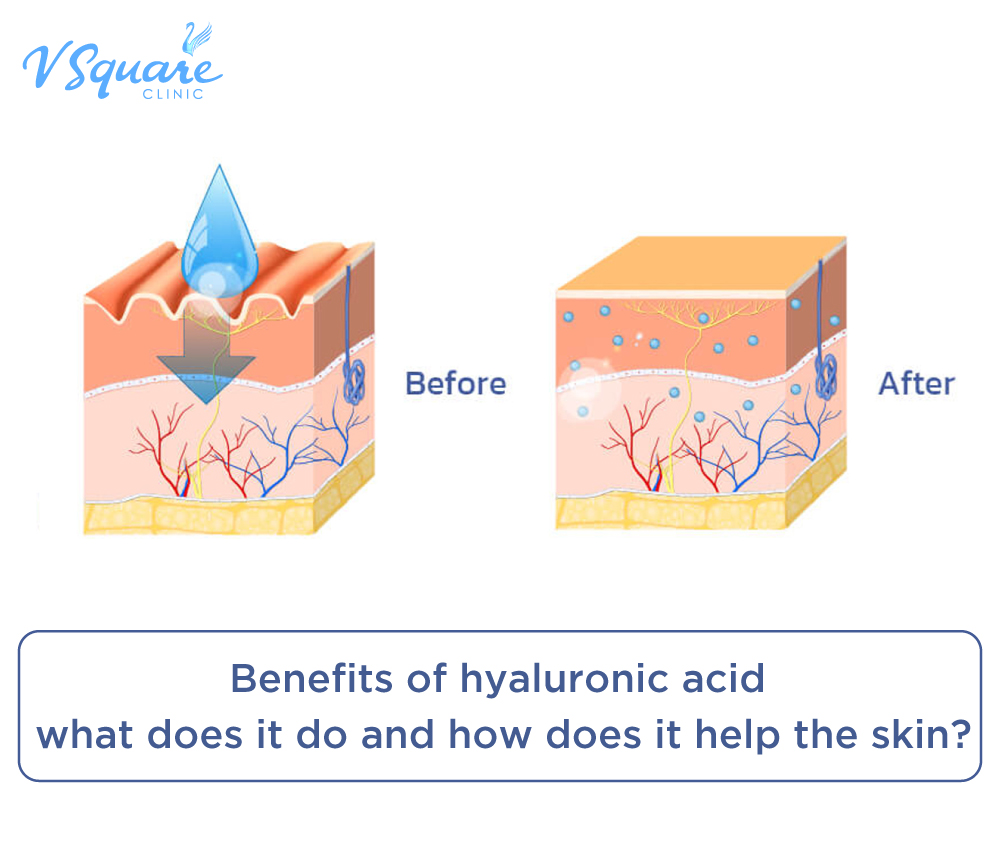
What exactly is hyaluronic acid? What are its key properties, and how does it benefit the skin? How do hyaluronic acid-based fillers help reduce fine lines and wrinkles? These are common questions, and this article explores everything you need to know about hyaluronic acid (HA)—from its uses and skin benefits to its safety profile.
Table of content : hyaluronic acid
What Is Hyaluronic Acid?
Hyaluronic Acid (HA), also known as hyaluronan, is a naturally occurring substance in the human body. It’s a type of sugar molecule called a polysaccharide, found in various connective tissues, and the body can produce it on its own.
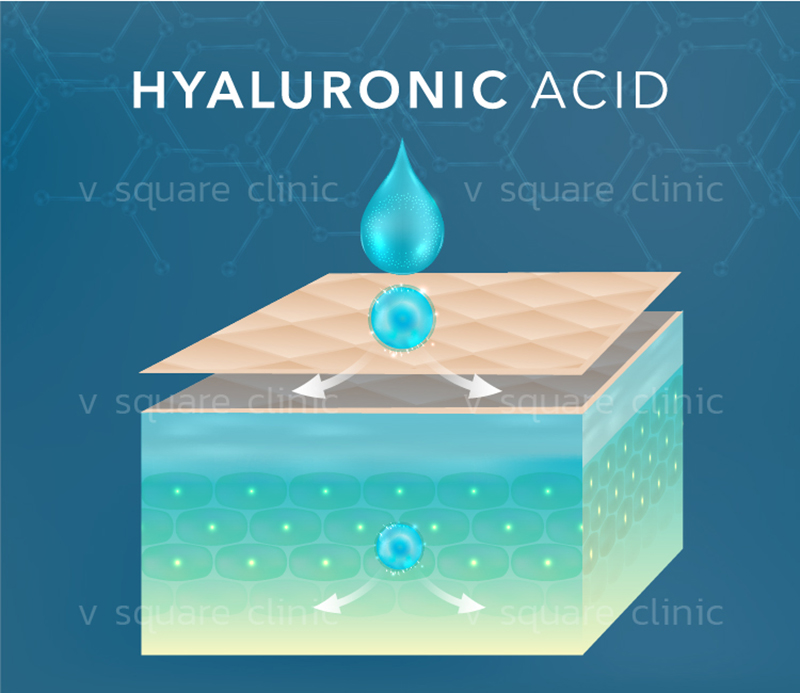
One of HA’s key roles is in the dermis—the deeper layer of the skin—where it helps maintain hydration and skin structure. However, as the body ages, it gradually produces less hyaluronic acid, as well as other vital components like collagen and elastin. This natural decline begins as early as the 20s and accelerates over time, leading to the formation of fine lines, wrinkles, and sagging skin.
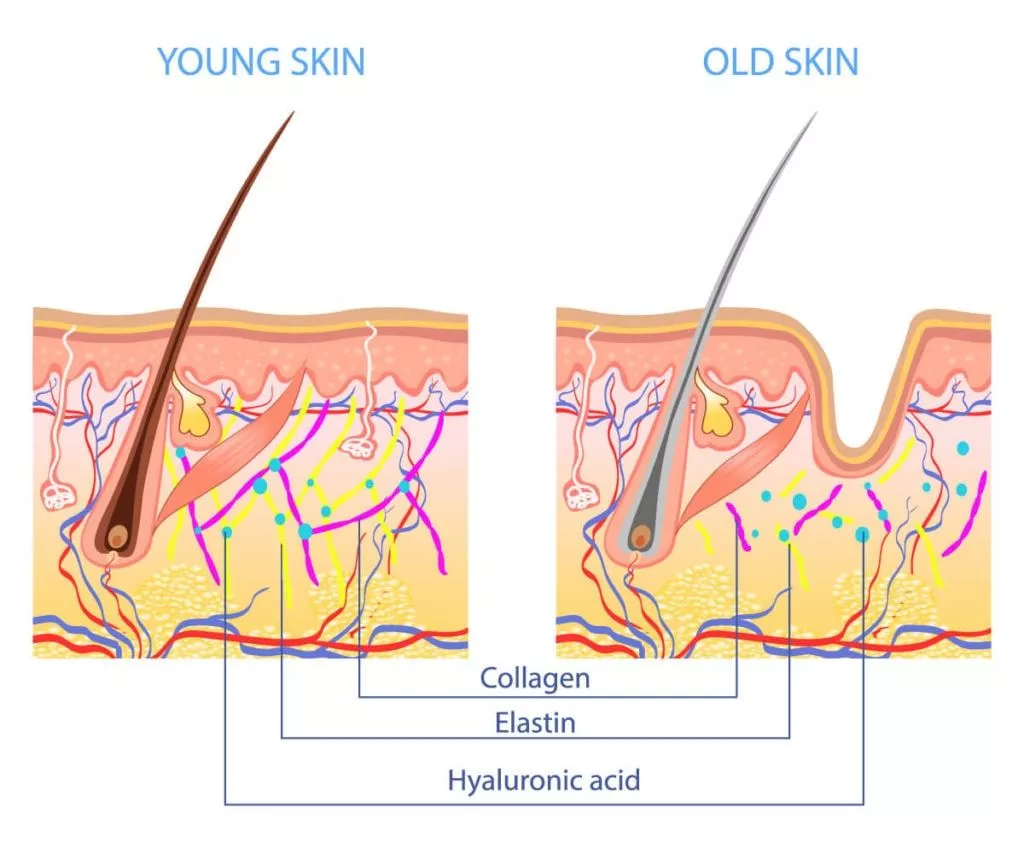
To address this, synthetic hyaluronic acid was developed for medical use. Its primary purpose is to supplement the body’s declining HA levels.
What Does Hyaluronic Acid Do?
Hyaluronic acid (HA) offers multiple benefits, both in the medical and cosmetic fields. Its main role is to retain moisture and keep tissues well-lubricated. In the body, HA acts as a natural shock absorber between joints, promotes wound healing, and is also used to treat certain eye conditions. In aesthetics, it’s widely known for hydrating the skin and reducing the appearance of fine lines and wrinkles.
Common Uses of Hyaluronic Acid
Initially, hyaluronic acid was used in injectable medical treatments for conditions such as osteoarthritis of the knee and scapulohumeral periarthritis (inflammation around the shoulder joint). It helps relieve joint and muscle pain and is also used during eye surgeries to repair damaged tissues, including the retina.
Later on, HA became increasingly popular in the anti-aging and skincare industries. Today, it’s found in various forms—creams, serums, essences, dietary supplements, and most notably, in the form of dermal fillers, which are widely used in aesthetic clinics.
Hyaluronic Acid for Wrinkle Reduction
Hyaluronic acid is considered one of the most effective ways to reduce wrinkles. Thanks to its moisture-retaining ability, it helps the skin stay hydrated and elastic. Since it’s a substance naturally found in the body, HA-based fillers are generally well-tolerated and unlikely to trigger allergic reactions. This makes it a safe and popular choice in aesthetic treatments for skin rejuvenation and anti-aging.
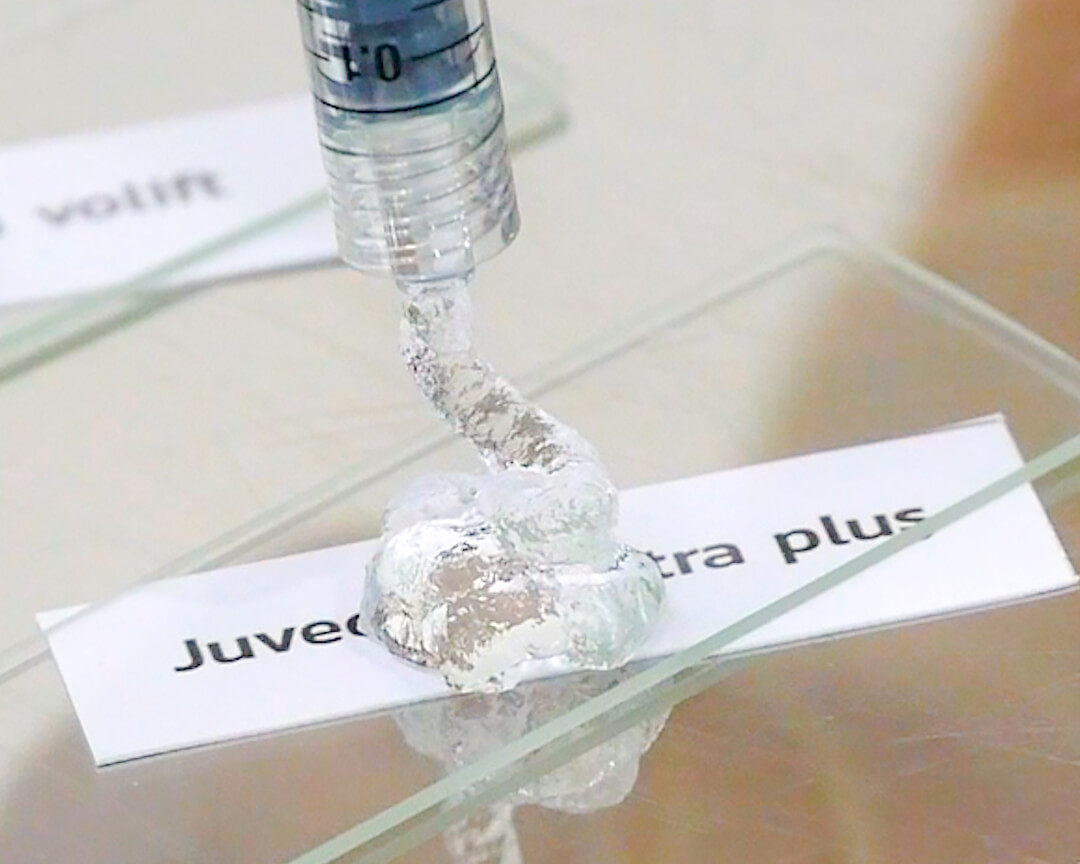
In aesthetic medicine, hyaluronic acid (HA) fillers are commonly used to treat various facial depressions and volume loss caused by aging. These fillers can be strategically injected in several key areas, such as:
- Nasolabial folds (smile lines): Softens deep creases that contribute to a tired or sagging appearance.
- Temples: Corrects hollow temples and sharp facial angles, giving the face a softer, more youthful contour.
- Under-eyes: Reduces dark circles, tear troughs, and under-eye bags, refreshing the overall appearance.
- Forehead: Fills sunken or flat foreheads and smooths forehead wrinkles, enhancing facial harmony.
- Chin: Addresses short, recessed, or asymmetrical chins, helping to elongate and refine the lower face.
- Lips: Adds volume to thin, dry, or wrinkled lips, creating a fuller, hydrated look.
HA doesn’t just work to fill deep lines. It also deeply hydrates the skin, helping to restore firmness, smoothness, and elasticity. The skin looks younger, more radiant, and glowy—ideal for patients looking to improve dull, dehydrated, or aging skin. It’s also a good option for those wanting that “glass skin” effect.
HA can be combined with other treatments like subcision (a technique used to release fibrotic scar tissue) or laser procedures to improve acne scars more effectively.
In addition, HA fillers are used to improve overall facial balance and enhance facial lifting in patients with mild skin laxity. The results typically last between 6 and 24 months, offering noticeable improvement without surgery and with minimal downtime.
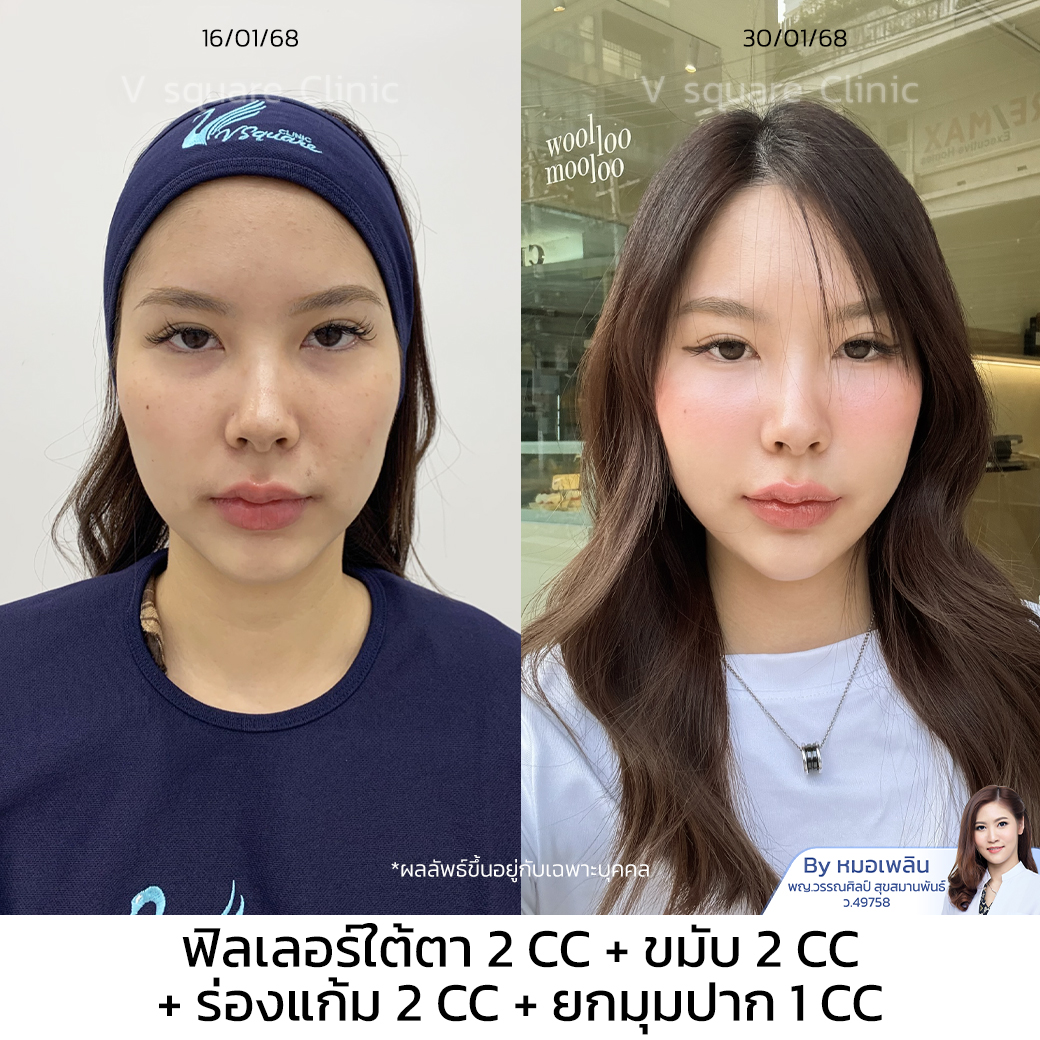
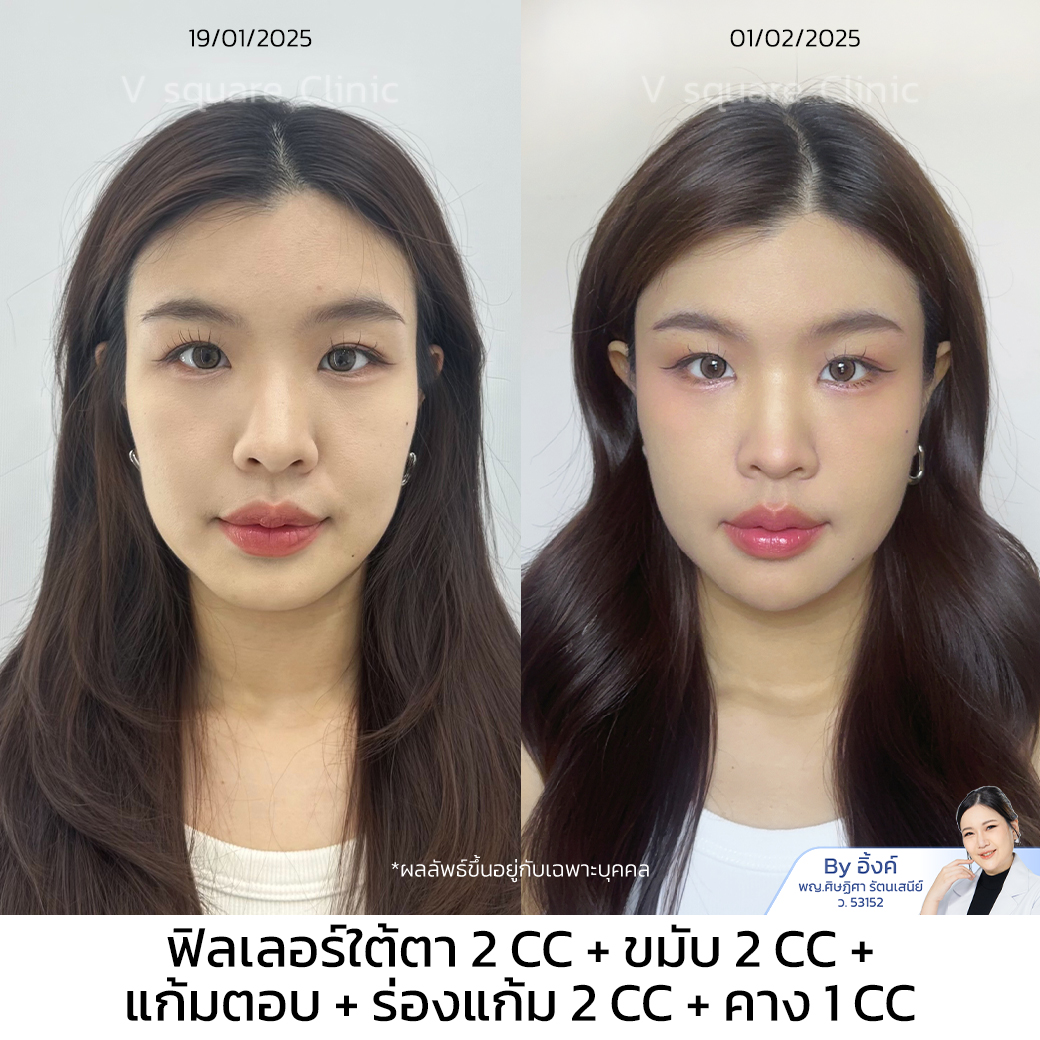
Before-and-after results of filler treatment (review examples below)
Hyaluronic Acid in Medical Treatments
Hyaluronic acid isn’t only used for aesthetic purposes—it also plays an important role in medical treatments. In its injectable form, it has therapeutic benefits in managing several conditions, such as:
- Osteoarthritis of the knee.
- Scapulohumeral periarthritis (inflammation around the shoulder joint).
- Prevention of bone mass loss.
- Muscle and joint pain relief.
The U.S. FDA (Food and Drug Administration) has also approved the use of hyaluronic acid in ophthalmic surgery, particularly to assist in procedures involving retinal repair and eye tissue support.
In addition to these, hyaluronic acid offers further medical benefits, including:
- Cataract treatment: Ophthalmologists often inject HA into the eye to help stabilize the ocular structure during cataract surgery.
- Mouth ulcers and oral lesions: HA-based gels are effective in accelerating wound healing inside the mouth.
- Wound healing and burn care: Hyaluronic acid helps control inflammation and promote tissue regeneration. When applied by a trained professional, it may reduce wound size, lower the risk of infection, relieve pain, and speed up recovery, even in cases of burn injuries.
- Dry eye relief: HA eye drops are frequently prescribed to relieve dryness caused by reduced tear production. They help lubricate the eyes and improve overall ocular health.

Caused by decreased natural tear production.
What Should Hyaluronic Acid Not Be Used With?
Hyaluronic acid is a highly safe compound that naturally exists in human skin. As such, it poses no risks when used alongside other skincare ingredients. Combining it with certain active ingredients can further enhance skin health and treatment results.
- HA and Vitamin C: Improve anti-aging effects and stimulate collagen production.
- HA and Retinol: Help maintain moisture and reduce irritation, making retinol-based regimens more tolerable for sensitive skin.
HA in Injectable Form Can Be Combined with Other Treatments:
- HA and Botulinum Toxin (Botox):These two work synergistically—Botox smooths out expression lines (dynamic lines), while HA fills static wrinkles and deeper folds. Together, they offer more complete wrinkle correction.
- HA and Collagen Biostimulators (like Sculptra, Gouri, Exosome, Radiesse):
These treatments support both skin lifting and collagen regeneration. However, it’s best not to perform them on the same day. A gap of 1–2 weeks between sessions is recommended. - HA and Skin Tightening Devices (like HIFU, Ultraformer III, MPT, Ulthera, Thermage):These can be combined effectively, but order matters. Start with energy-based devices to stimulate collagen first, then follow with HA filler for volume restoration. This approach enhances results and may reduce the amount of filler needed.
Important: Avoid doing skin-tightening treatments immediately after filler injections, as heat may break down the filler faster. Wait at least 2–4 weeks before proceeding.
What Happens When the Skin Lacks Hyaluronic Acid?
When the skin is deficient in hyaluronic acid, it becomes dry, dull, and dehydrated. Moisturizers and serums may feel ineffective because the skin can’t retain or absorb them properly. If left untreated, this can lead to deeper wrinkles, loss of elasticity, and signs of premature aging.
How Is Hyaluronic Acid Used?
Today, hyaluronic acid is available in various forms, including:
- Topical skincare products: Found in creams, serums, essences, and even cosmetics.
- Oral supplements: Available in capsule or tablet form.
- Injectable fillers: Commonly used in aesthetic clinics to restore facial volume, enhance hydration, and reduce the appearance of wrinkles.
Are There Any Side Effects from Hyaluronic Acid Fillers?
When injected at a certified clinic using authentic HA fillers and performed by an experienced doctor, hyaluronic acid injections are generally very safe. Some mild, temporary side effects may occur, such as slight swelling, redness, or needle marks, but these usually resolve on their own.
Allergic Reactions to Hyaluronic Acid
Allergic reactions to genuine hyaluronic acid fillers are rare. When they occur, symptoms are usually mild, such as localized swelling or small lumps appearing shortly after injection. In rare cases, late-onset reactions may appear months or even a year later, depending on the filler’s longevity and the patient’s immune response.
Severe allergic reactions, like extensive swelling, hives, or angioedema, are extremely uncommon but require immediate medical attention.
Oral Hyaluronic Acid Supplementation
Hyaluronic acid is available in oral supplement form, though it’s less common and typically used for specific conditions. For example, patients with osteoarthritis may take 80–200 mg daily for at least 2 months to relieve joint pain and stiffness, under medical supervision.
Is Under-Eye Hyaluronic Injection a Good Idea?
There are two common types of hyaluronic acid injections for the under-eye area:
- Under-eye filler: It’s ideal for those with hollow eyes, deep tear troughs, or fine lines due to dehydration. It’s a safe option because HA fillers can naturally dissolve over time.
- HA-based vitamin blend: A formulation that combines hyaluronic acid with antioxidants, coenzymes, and minerals. It uses the same HA base found in dermal fillers but is designed for skin revitalization.
Marketing terms such as “Hya under-eye” or “Filorga under-eye” often refer to these hyaluronic-based injections. They help revitalize the skin, reduce dark circles, and plump the under-eye area for a more refreshed appearance. However, they are not suitable for addressing deep tear troughs caused by age-related bone loss.
Interested in Hyaluronic Injection at V Square Clinic?
Click to see our latest promotions.

Is Hyaluronic Acid Dangerous?
Hyaluronic acid is generally considered very safe, as it mimics a substance naturally found in the body. However, it should be used in proper amounts—whether applied topically or injected—since it is synthetically produced using a bacteria called Bacillus subtilis.
Some people may experience mild allergic reactions to residual proteins from the bacterial extraction process. This is particularly relevant for individuals who are pregnant, breastfeeding, or have a history of cancer, as it may potentially accelerate abnormal cell growth.
Types of Hyaluronic Acid Fillers Available in Thailand
In Thailand, hyaluronic acid fillers—commonly referred to as “fillers”—come in a variety of brands. Each brand uses unique manufacturing technologies that produce different textures and consistencies. An experienced doctor will know how to select the right type for patients’ specific needs to ensure smooth, natural-looking results.
Restylane Filler
Restylane is a Swedish filler brand known for its NASHA technology, which provides long-lasting firmness and minimal migration, and its OBT technology, which offers excellent flexibility and moldability.
FDA-approved Restylane products in Thailand:
- Restylane Perlane lyft
- Restylane Volyme
- Restylane Defyne
- Restylane Refyne
- Restylane Vital Light
- Restylane classic
- Restylane kysse
Juvederm Filler
Juvederm is a dermal filler brand from the United States. It is developed using Hylacross and Vycross technologies, which enhance its ability to retain moisture. The gel has a high degree of flexibility, adapts well to facial movement, and blends smoothly without forming lumps.
Juvederm offers a wide range of product options to address various concerns—from facial contouring and wrinkle reduction to deep hydration and skin rejuvenation.
FDA-approved Juvederm products in Thailand:
- Juvederm Ultra Plus
- Juvederm Voluma
- Juvederm Volbella
- Juvederm Volift
- Juvederm Volite
- Juvederm Volux
Definisse Filler
Definisse is an Italian filler brand using XTR™ technology, which cross-links HA into a stable matrix. It offers good lifting capacity and natural shaping while minimizing the risk of allergic reactions.
FDA-approved Definisse products in Thailand:
- Definisse Restore
- Definisse Core
- Definisse Touch
Belotero Filler
Belotero, from Switzerland, uses CPM (Cohesive Polydensified Matrix) technology. This results in a cohesive, elastic gel that integrates well into the skin, offering smooth results and easy contouring.
FDA-approved Belotero products in Thailand:
- Belotero volume
- Belotero Soft
- Belotero intense
- Belotero revive
Neuramis Filler
Neuramis is a Korean filler brand manufactured using the SHAPE technology, which features a two-step cross-linking process. It provides long-lasting structure, easy molding, and has minimal residual BDDE, reducing the risk of allergic reactions.
FDA-approved Neuramis products in Thailand:
- Neuramis Deep Lidocaine
- Neuramis Volume Lidocaine
Flore Filler
Flore, also from Korea, is produced using HCCL (Highly Complete Cross-Linking) technology that bonds HA molecules in a 3D network. It’s a biphasic filler, combining cross-linked and non-cross-linked HA, offering both softness and structure.
FDA-approved Flore products in Thailand:
- Flore max
- Flore max 1400
- Flore Aqua-S
- Flore S
- Flore N
In addition to the major brands mentioned above, other HA fillers like Yvoire, e.p.t.q., Biohyalux, Revolax, and Perfectha are also available in aesthetic clinics. Before undergoing any filler procedure, it’s important to research each brand, understand their pros and cons, and consult with an experienced doctor to ensure safe and satisfying results.
Summary
Hyaluronic acid offers a wide range of benefits—from reducing wrinkles and increasing hydration to aiding wound healing and improving skin elasticity. Recent research also shows that HA has antioxidant properties, helping protect the skin from environmental aggressors such as pollution.

Additionally, hyaluronic acid should always be used in appropriate amounts and from certified sources, especially for those with sensitive skin. When used in filler form, the treatment must be performed by an experienced doctor using authentic, FDA-approved products to ensure both safety and effective results.

สำหรับผู้อ่านทุกท่านที่มีข้อสงสัยเพิ่มเติม ทีมแพทย์ V Square Clinic ทุกคนยินดีให้คำปรึกษาฟรี โดยไม่มีค่าใช้จ่าย หรือสามารถปรึกษาหมอทาง inbox facebook หรือ Line นี้ได้เลยครับ หมอตอบเองครับ

What Is a Weight Loss Pen? How It Works & How to Choose the Right Option for Effective Results
Reading Time: 10 minutesObesity has become a major global health concern, leading many people to seek weight-loss methods that are both safe and effective. A weight loss pen, also known as a weight loss injection pen, is one of the medical innovations that has gained significant popularity in recent years

Wegovy Weight Loss Pen (Semaglutide): A Medical Approach ...
Reading Time: 10 minutesWegovy is a weight-loss pen developed in Denmark, containing the active ingredient Semaglutide. It is a treatment option designed to help individuals with obesity reduce weight and lower long-term health risks associated with excess body fat.

What Is Sinusitis? Causes, Treatments, and Ways to Streng...
Reading Time: 7 minutesSinusitis is becoming increasingly common, affecting around 15% of the general population. Although the condition is not typically dangerous and can be fully treated, inadequate self-care may lead to chronic symptoms or complications that require longer treatment.

What Visceral Fat Is — 9 Ways to Reduce VF Levels and Low...
Reading Time: 11 minutesMany people think visceral fat is the same as the belly fat you can see or pinch. In reality, visceral fat also surrounds vital organs such as the liver, intestines, and heart. Because of its location, it provides important clues about overall health.

Get to Know inBo — A New Korean-Swedish Botox with Fast R...
Reading Time: 8 minutesinBo is a new-generation botulinum toxin that has been gaining a lot of attention thanks to its high purity, fast onset, natural-looking results, and brand transparency. The manufacturer clearly discloses both the bacterial strain and its production origin, which many patients appreciate.

Best Ways to Tighten Enlarged Pores for Smoother Skin — W...
Reading Time: 14 minutesEnlarged pores can make the skin appear uneven and affect overall confidence. Today, there are many ways to tighten pores — from skincare ingredients and topical treatments to medical-grade procedures.