
Chapped Lips — A Problem You Shouldn’t Ignore
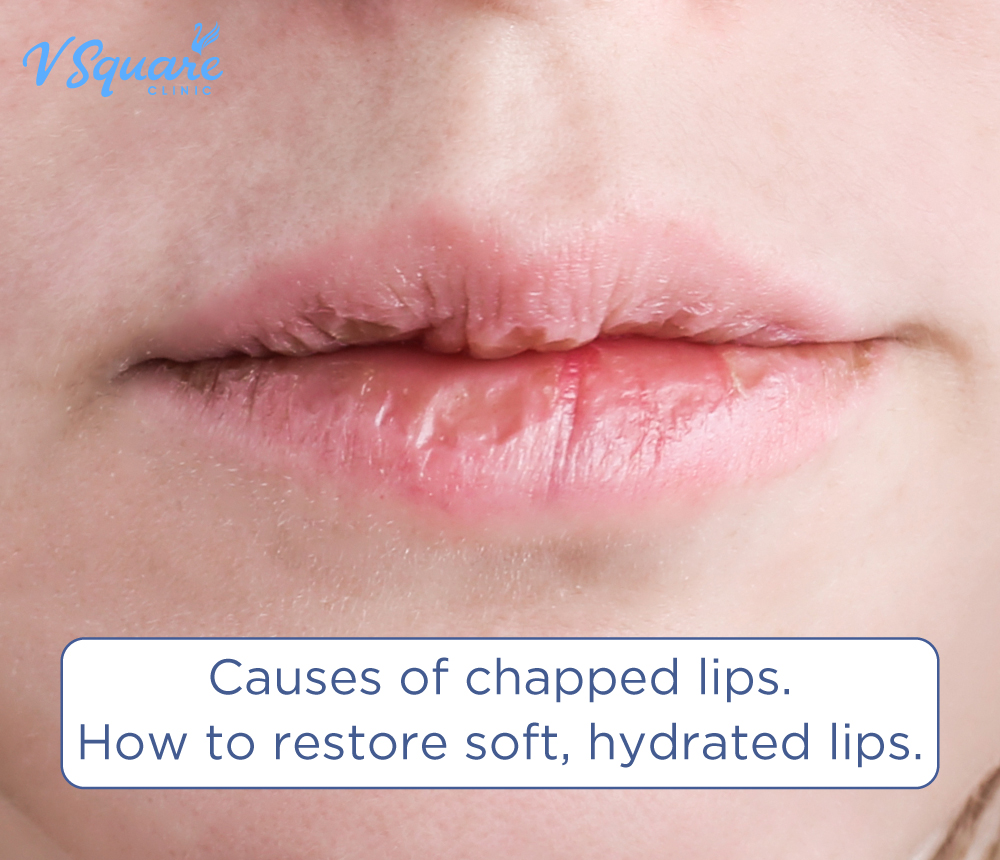
If you’re dealing with chapped lips, noticeable lip lines, or dry, peeling lips that affect your confidence — whether the lips sting, crack, form scabs, or lipstick settles into lines — this article will help you understand why it happens and how to restore smooth, healthy lips.
You’ll learn the common causes of dry or cracked lips, effective ways to relieve them, and the daily habits that may be making things worse. These tips will help improve lip hydration, reduce discomfort, and make your lips look naturally soft and healthy again.
Table of Content : Chapped Lips
What Do Chapped Lips Look Like?
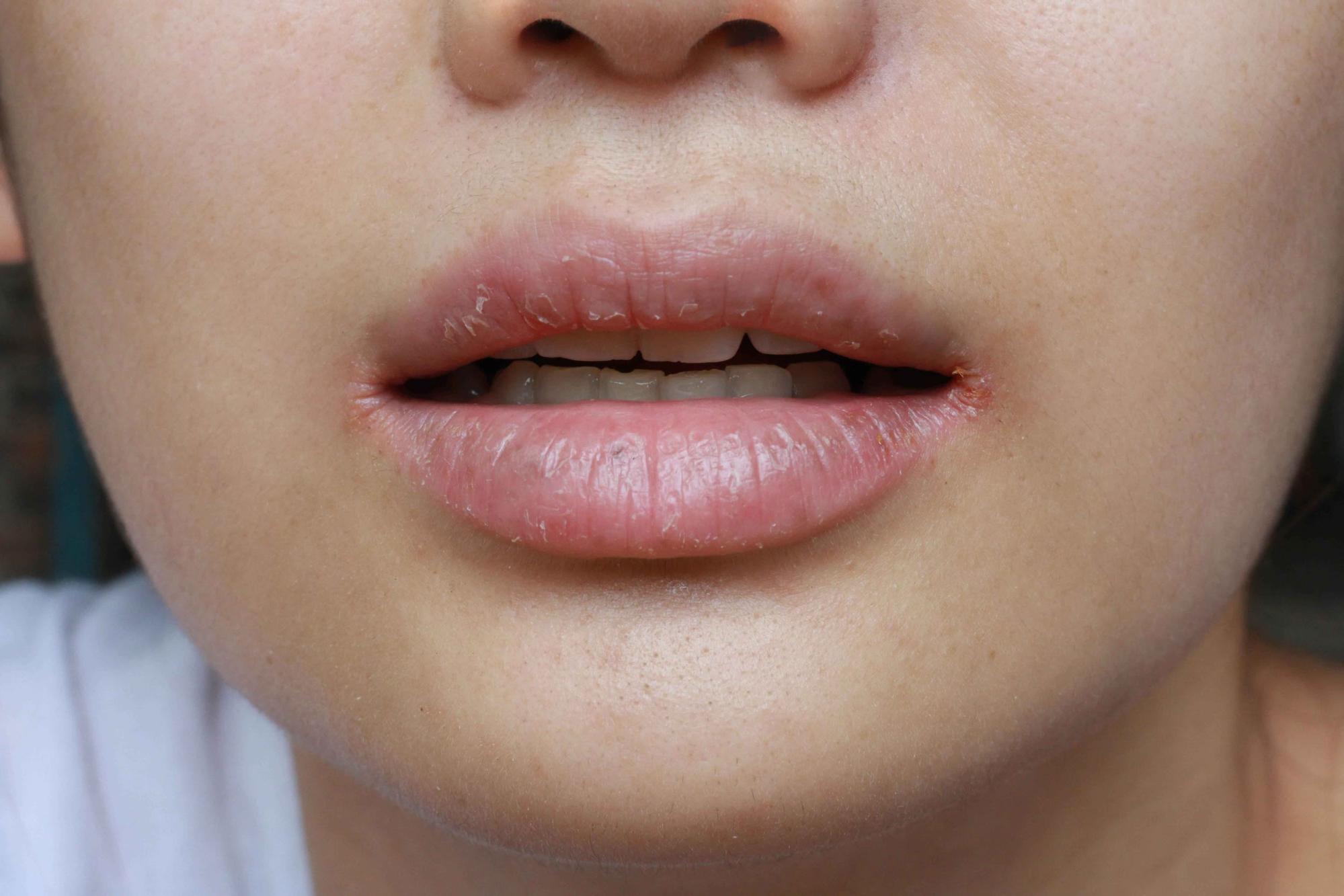
Chapped lips — or dry, tight, dehydrated lips — can happen to anyone because the lips do not contain oil glands like other areas of the skin. Without proper care, they lose moisture easily, leading to tightness, cracking, and even small tears that may bleed when the lips move frequently.
The severity varies from person to person and may include:
- Flaky or peeling lips
- Cracked or sore lips
- Deep vertical lip lines or fissures
Aside from affecting appearance and confidence, chapped lips can be painful and interfere with daily life — especially when eating foods that touch the lips. If left untreated, they may lead to darkening, hyperpigmentation, or dull, uneven lip tone over time.
What Causes Chapped Lips?
Dry, cracked lips can result from many factors — lifestyle habits, allergies, environmental conditions, or simply aging. Here are the most common causes:
Dehydration — Not Drinking Enough Water
One of the most common reasons for dry or cracked lips is dehydration. When you don’t drink enough water, the lips lose moisture quickly because this area evaporates water faster than the rest of the skin. This results in dryness, flaking, and visible cracks.
Aging
As we age, lip lines and lip wrinkles become more noticeable. The lips gradually thin as collagen production decreases, making them more prone to cracking and dryness — similar to a balloon that slowly loses air over time.
Lifestyle Habits
Several habits can worsen dry lips or contribute to cracked, peeling lips:
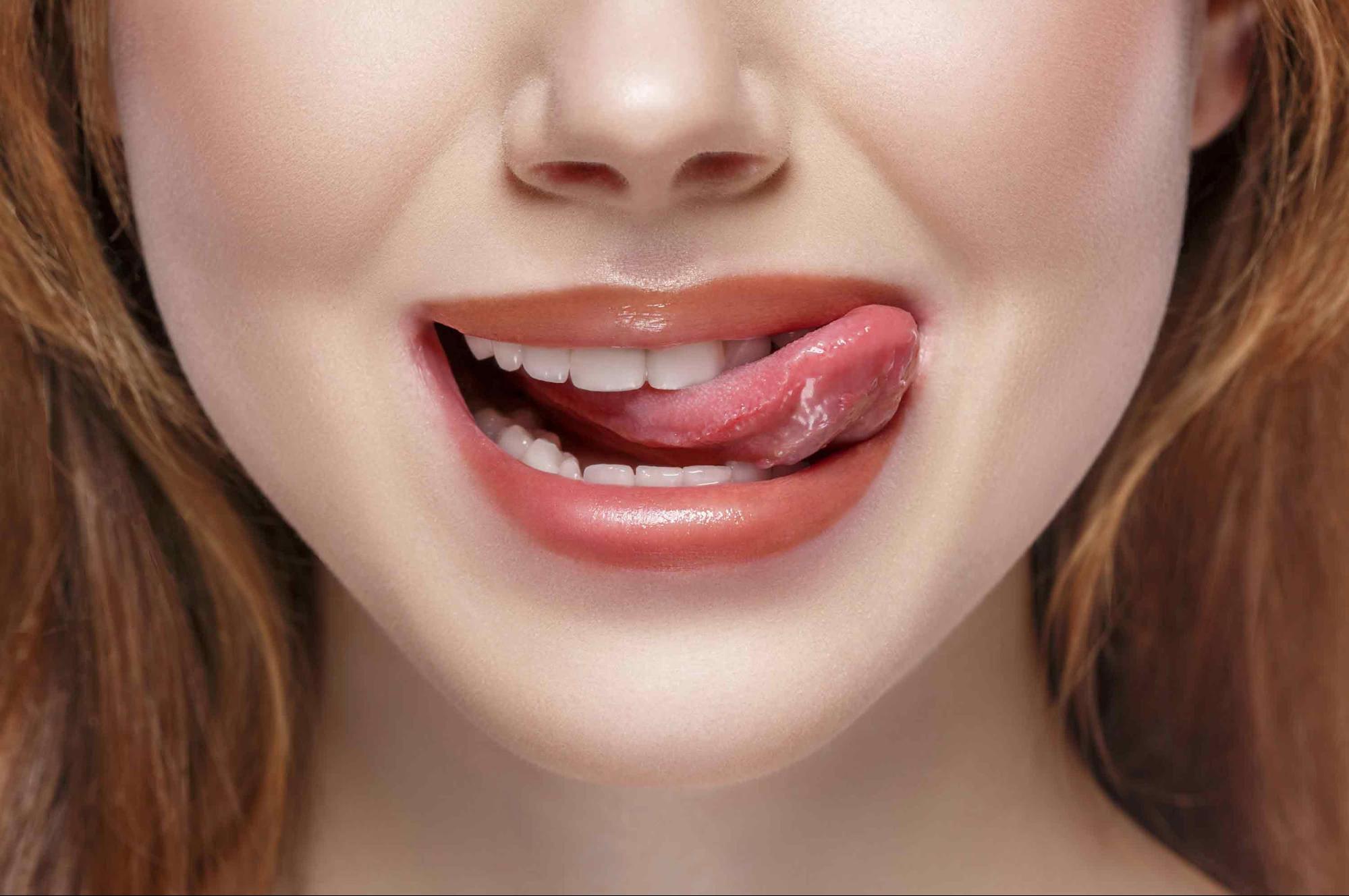
- Constant lip licking: Many people believe licking the lips helps moisturize them, but saliva actually strips away moisture and leads to even drier, darker lips.
- Snoring or mouth breathing: Breathing through the mouth, especially during sleep, allows air to pass over the lips continuously. This reduces saliva, causes dryness, and leads to cracked lips or throat irritation.
Cold, Dry, or Air-Conditioned Environments
Cold weather, dry climates, or staying in air-conditioned rooms for long periods can cause the lips to lose moisture. Without proper hydration, the lips can peel, crack, or even bleed — especially in those who don’t drink enough water or frequently lick their lips.
Vitamin and Nutrient Deficiency
A lack of essential vitamins and nutrients can contribute to chapped lips, dryness, cracking, and peeling in the same way dehydration does. The most common deficiencies linked to dry or cracked lips include vitamins B, C, and E, as well as iron and zinc — nutrients the body cannot produce on its own.
- Vitamin B2 (Riboflavin): Supports tissue repair around the lips and oral mucosa, reducing the likelihood of cracks. Found in milk, eggs, liver, leafy greens, nuts, and whole grains.
- Vitamin B3 (Niacin): Improves blood circulation to the lips and supports collagen synthesis. Found in poultry, fish, nuts, avocado, sunflower seeds, and whole grains.
- Vitamin B6 (Pyridoxine): Promotes new skin cell formation, reduces inflammation, and supports immunity. Found in bananas, potatoes, peanuts, fish, chicken, and leafy greens.
- Vitamin C: Stimulates collagen production, enhances hydration, and brightens dull, dark lips. Found in citrus fruits, guava, tomatoes, broccoli, bell peppers, kiwi, and papaya.
- Vitamin E: A strong antioxidant that helps retain moisture and softens the lips. Found in nuts, eggs, vegetable oils, and leafy greens.
- Iron: Supports oxygen delivery to skin cells on the lips, promoting repair and recovery. Found in liver, red meat, egg yolks, beans, spinach, kale, sesame seeds, and pumpkin seeds.
- Zinc: Helps repair skin tissue, boosts collagen production, and promotes wound healing in cracked lips. Found in oysters, beef, sunflower seeds, nuts, eggs, and dairy.
Irritating Foods or Products
Chapped or peeling lips can also be triggered by certain foods or irritants in oral care products or cosmetics — especially in people with sensitive skin or easily irritated lips.
- Foods: Highly acidic or sour foods such as citrus fruits (lemons, oranges), green mango, or alcoholic beverages can worsen lip dryness.
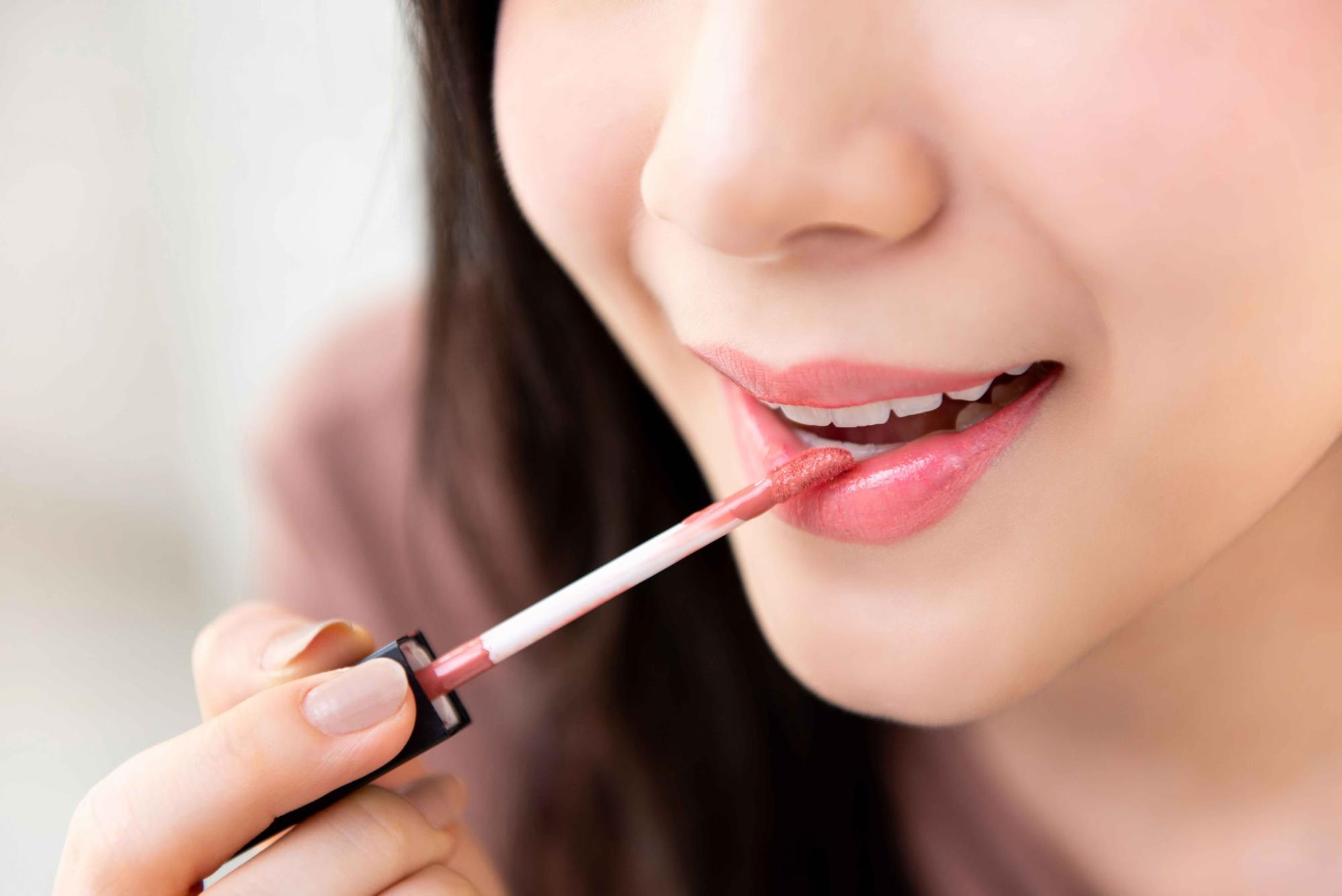
- Oral-care and cosmetic products: Irritation may come from ingredients like sodium lauryl sulfate in toothpaste, alcohol in mouthwash, or fragrances and synthetic dyes in lipsticks.
Underlying Conditions and Treatment Side Effects
Dry or cracked lips may also result from medical conditions or side effects from medications, supplements, or cancer treatments.
- Medications and supplements: Certain drugs can decrease skin moisture and contribute to chapped lips — including antihistamines, decongestants, and high-dose vitamin A or retinoids.
- Chronic skin conditions or allergies: Atopic dermatitis or allergic skin conditions can cause persistent dryness, peeling, or cracked lips.
- Radiation therapy to the head and neck: Radiation can affect major salivary glands, reducing saliva production and causing severe lip dryness in patients undergoing cancer treatment.
Reduced Saliva Production
Chapped lips can occur when the body produces less saliva than normal, leading to dry mouth or xerostomia. This may be caused by lifestyle habits, aging, diabetes, or radiation therapy in some patients.
Common accompanying symptoms include:
- Dry, flaky lips
- Dry tongue or oral coating
- Burning or tingling sensation in the mouth
- Difficulty swallowing, especially dry foods
- Altered taste perception
- Tooth decay, bad breath, or loose teeth
If you experience these symptoms, it’s best to consult a doctor for proper diagnosis and treatment.
Are Deeply Chapped, Cracked Lips Dangerous?
Allowing the lips to remain dry for long periods — from mild tightness to peeling, flaking, or pulling off loose skin until they bleed — can gradually lead to deeper lip lines, cracking, premature aging, and darker lip discoloration. Over time, the lips may appear dull, wrinkled, and older than they should.
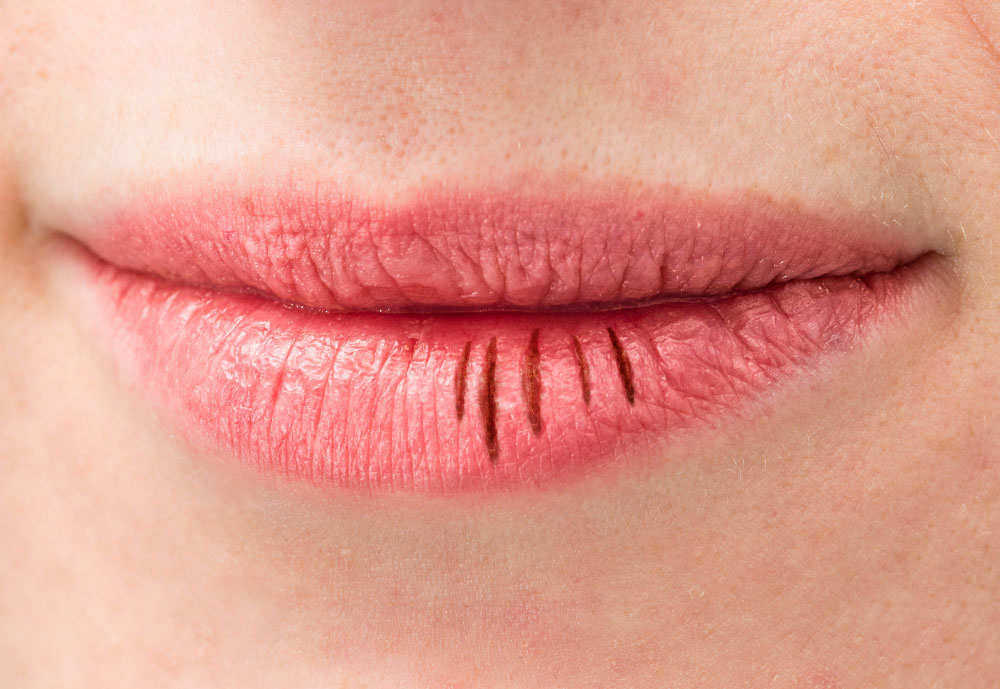
In more severe cases, issues like cracked mouth corners, infected wounds, or lip inflammation may develop and eventually impact oral health. This makes it important not to overlook persistent dryness or cracked lips — caring for them early helps prevent further damage and protects your lip health.
How to Prevent Dry, Cracked Lips and Vertical Lip Lines
There are many ways to treat chapped lips, restore moisture, and prevent deep lip lines — from simple self-care habits to medical treatments and aesthetic procedures.
Increase Your Water Intake
To prevent dry or cracked lips, make sure you’re drinking enough water — ideally around 8–10 glasses a day. Sipping water regularly throughout the day helps keep the lips hydrated.
Stop Lip-Licking Habits
Lip licking makes dryness worse. If your lips feel dry, apply lip balm instead of licking, as saliva evaporates quickly and removes natural moisture from the lips.
Apply Lip Balm Regularly
If you constantly struggle with dry lips or cracked lips, applying lip balm throughout the day helps lock in moisture and prevent flaking. Even when your lips aren’t dry, using a hydrating balm helps maintain long-lasting moisture.
Tip: The lips can absorb UV radiation just like other areas of the skin. Sun exposure can worsen dryness and peeling. Choose lip balms that contain SPF to protect the lips from UV damage.
Suck on Sugar-Free Lozenges or Chew Gum
Sugar-free lozenges or chewing gum help stimulate natural saliva production, which can relieve dry mouth and reduce the symptoms of dry, chapped lips.
Exfoliate Your Lips
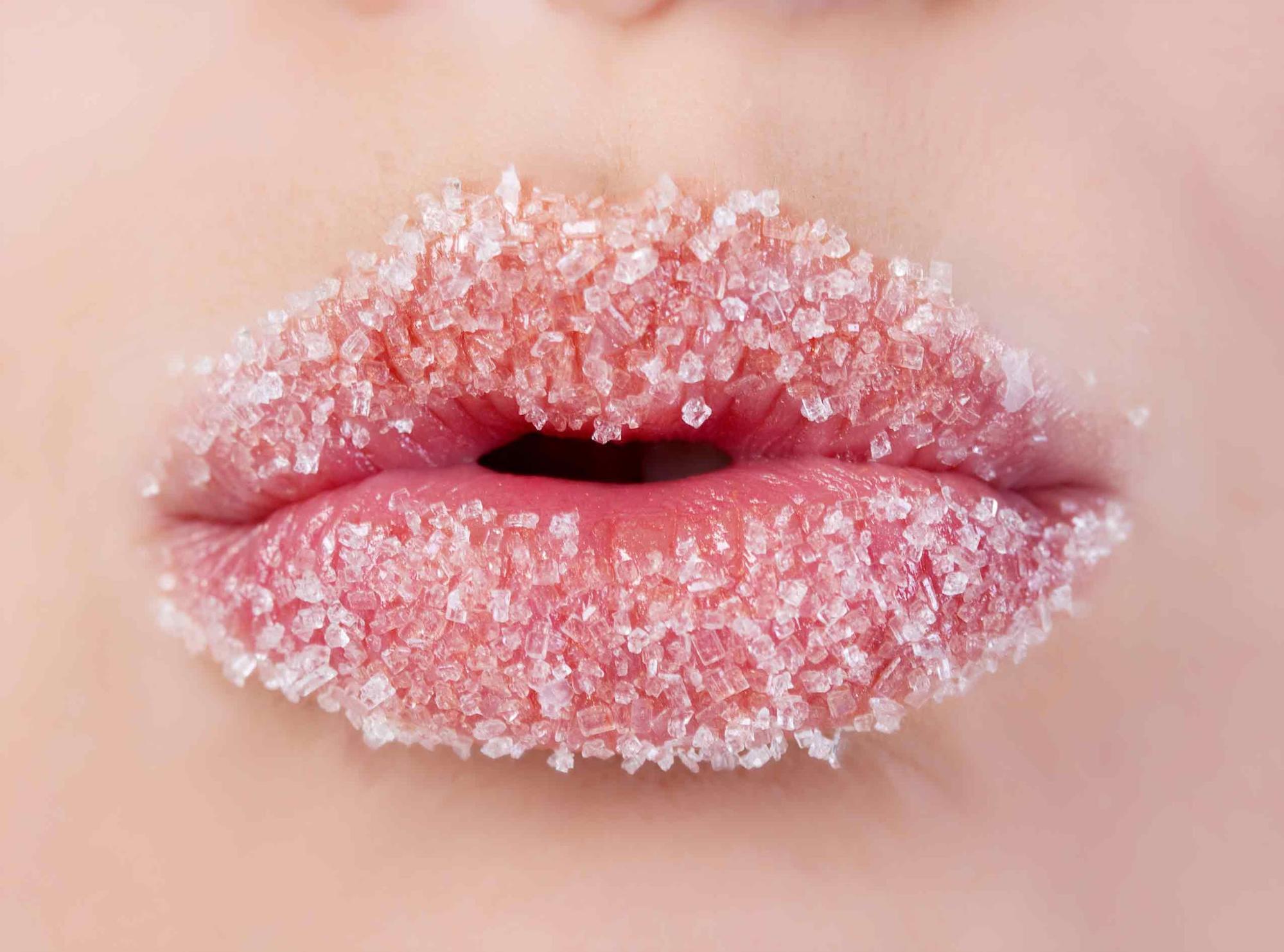
Gentle lip exfoliation removes dead skin cells that cause roughness and flaking. This helps the lips feel smoother, softer, and more hydrated, while reducing the risk of persistent dryness. Exfoliate 2–3 times per week and always apply a moisturizing lip balm afterward to lock in hydration.
Switch to Non-Irritating Toothpaste
Chemical ingredients can worsen lip dryness, peeling, and irritation — and toothpaste is a common hidden trigger. If you have chronic chapped lips and cannot find the cause, try switching to natural or herbal toothpaste formulas that are free of harsh chemicals. This often helps reduce dryness and irritation around the lips.
Avoid Foods That Worsen Lip Dryness
Certain foods can make dry or chapped lips worse. Try to avoid overly salty foods, acidic foods, or sour fruits. If you do eat them, rinse your mouth afterward to prevent the acidity from drawing moisture out of the lips.
You should also avoid alcohol, which has a dehydrating effect on the body and can make the lips dry more easily.

Nutrient-Rich Foods and Essential Vitamins
To help improve dry or cracked lips, consider eating foods rich in B vitamins, such as leafy greens, brown rice, nuts, and liver. B vitamins support tissue repair and strengthen the lips. Foods high in sulfur — such as eggs and garlic — can also help the lips appear more hydrated and plump.
Lip Filler for Dry, Cracked Lips and Deep Lip Lines
Along with daily lip care, lip fillers are an option for individuals who want faster and more noticeable improvement. They are one of the most popular solutions for restoring smoothness, moisture, and lip volume.
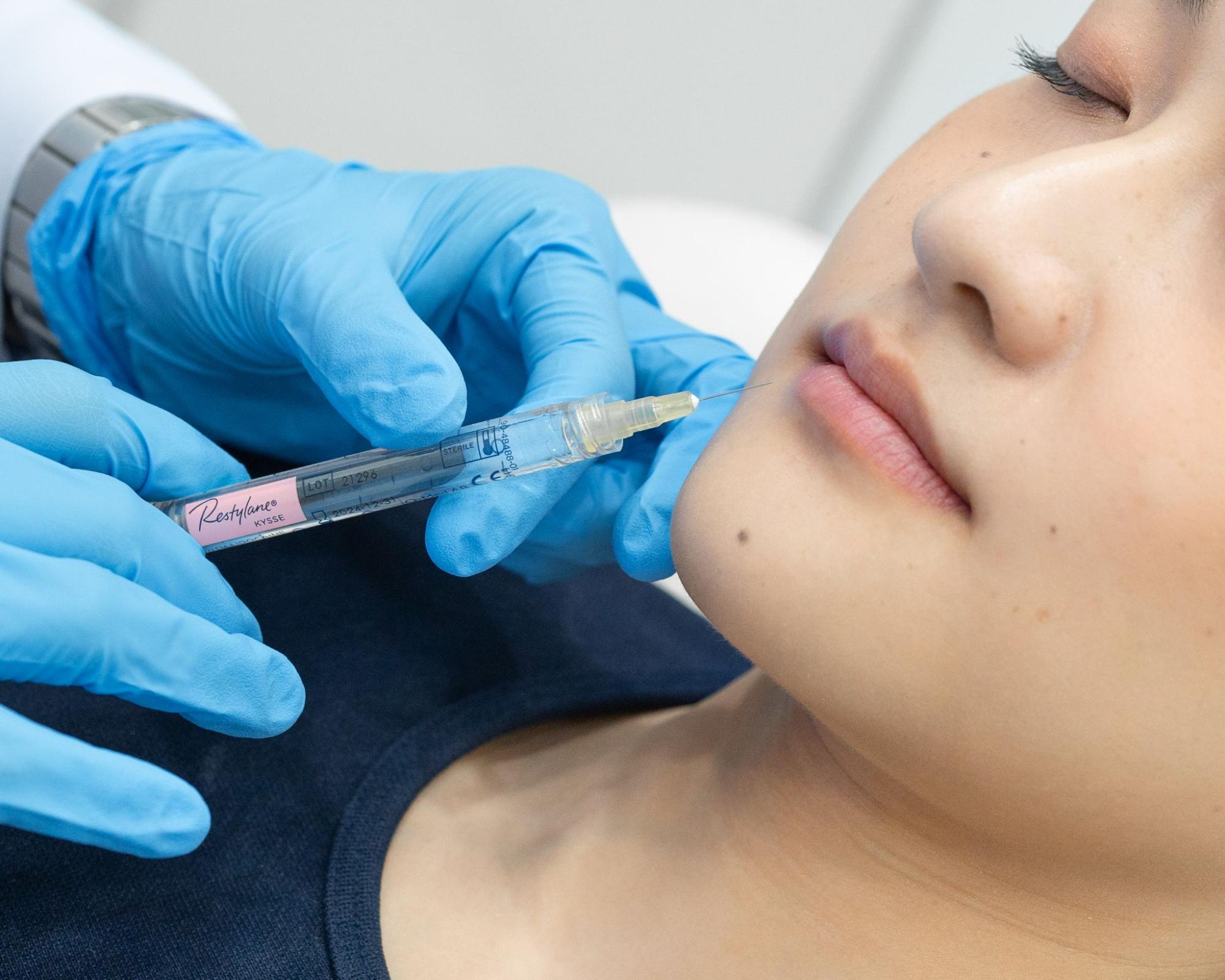
Lip fillers are increasingly popular in Thailand — not only for enhancing lip shape, but also for treating chapped lips, vertical lip lines, and dryness, helping the lips look fuller, smoother, and more hydrated.
Lip fillers are suitable for individuals with:
- Lips lacking moisture
- Visible fine lines around the lips
- Deep vertical lip lines that cause lipstick to settle or look uneven
Benefits of Lip Filler
- Directly treats dry lips: Hyaluronic acid–based fillers restore volume and retain moisture, helping the lips appear fuller, hydrated, and more youthful.
- Safe and convenient procedure: Lip filler effectively improves cracked or lined lips, and genuine HA fillers gradually dissolve naturally without residue. Results typically last around 1 year.
- Small amount with noticeable results: Most patients require no more than 1 cc to see a significant improvement.
Precautions
Lip fillers should only be performed by an experienced injector to ensure the correct filler type, appropriate technique, and natural, balanced results.
Patients who have undergone lip surgery should inform their doctor beforehand. Scar tissue may affect the distribution of blood vessels, requiring extra caution during injection to ensure optimal and safe results.
Review — Treating Deeply Cracked, Dry Lips with Lip Filler
Before deciding to get lip filler to treat chapped or cracked lips, it’s important to choose a reputable, certified clinic. The injector’s experience also plays a crucial role, and reviews from real patients — especially clear before-and-after results — can help you make an informed decision.
A clinic with strong reviews and word-of-mouth recommendations can give you more confidence in the expected outcome.
Examples of 1 CC lip filler reviews at V Square Clinic
Enhancing hydration and improving dry, cracked lips.
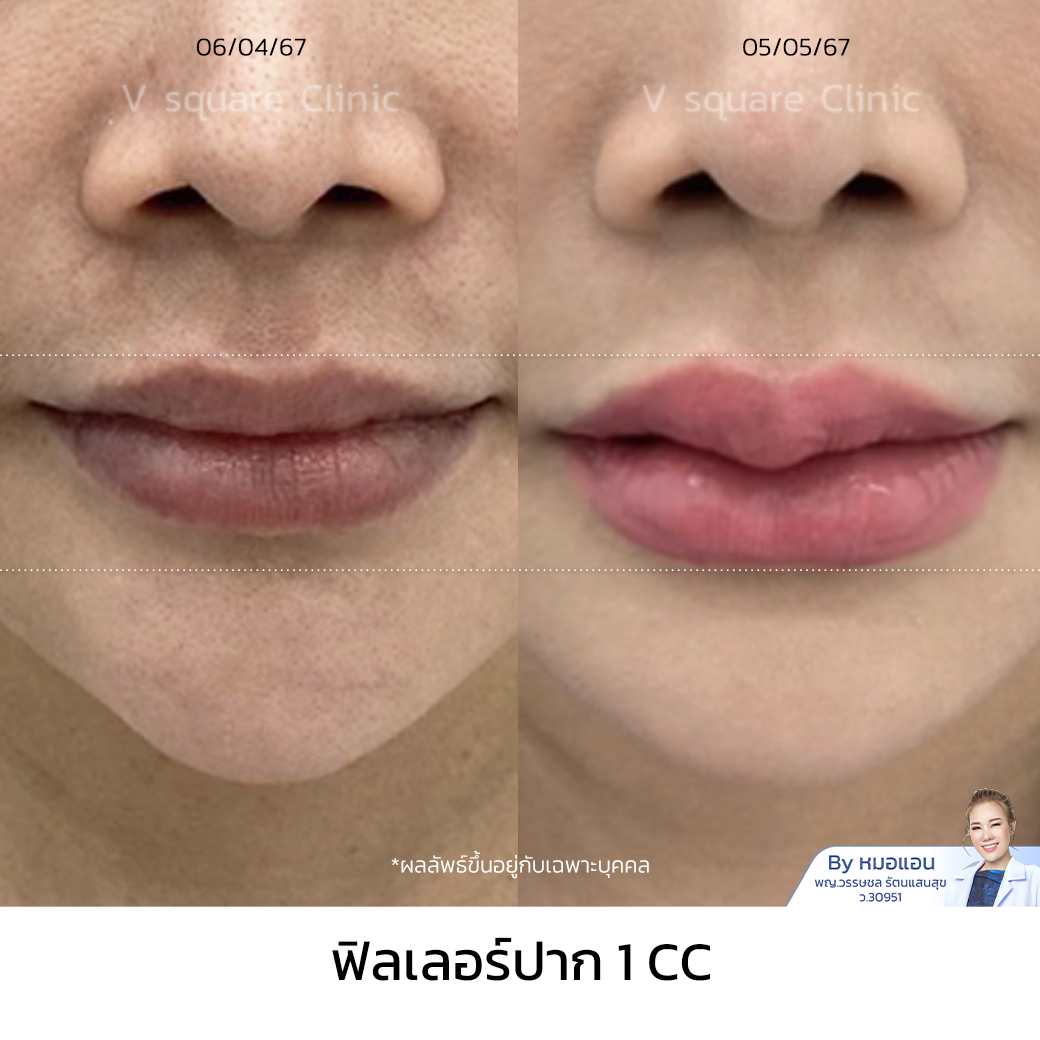
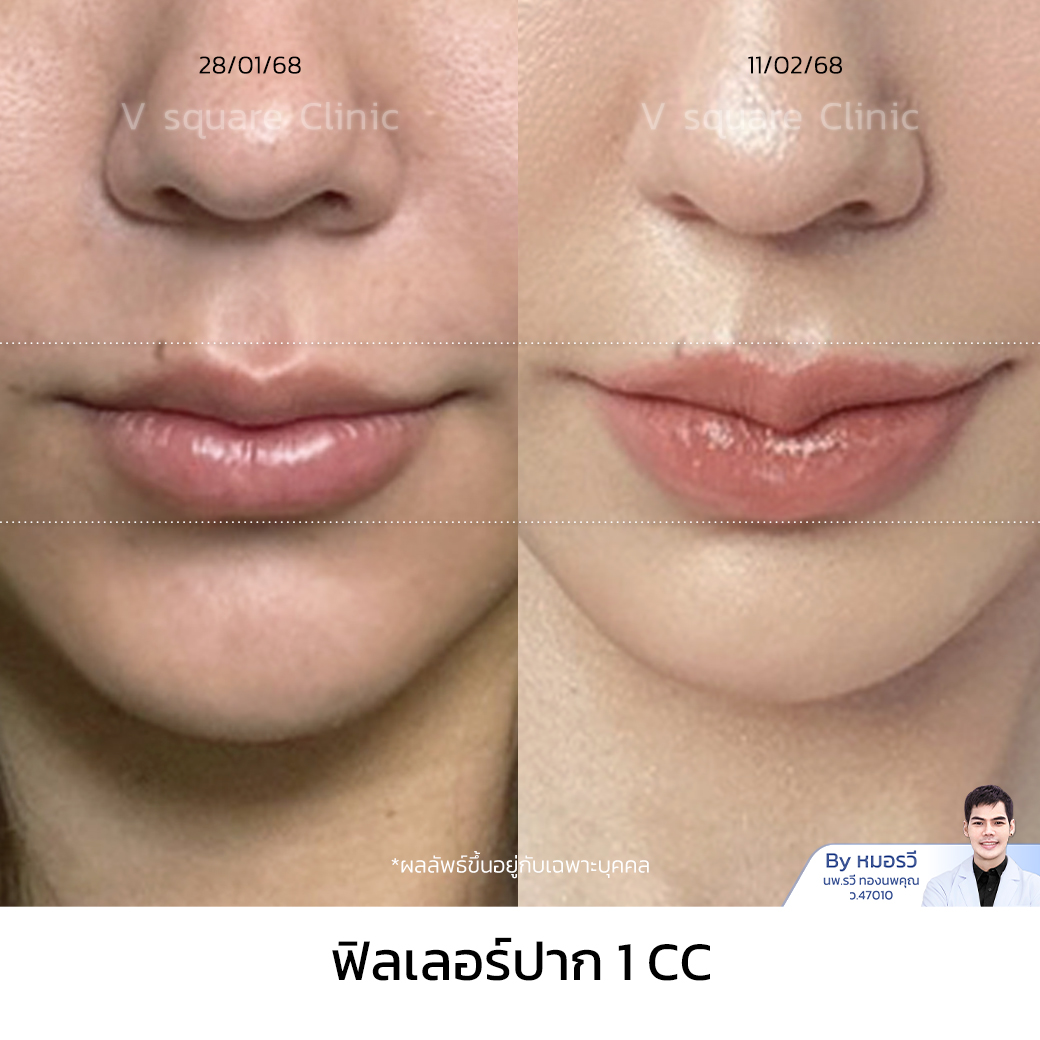
*Results vary depending on individual patient conditions.
When it comes to lip filler pricing, costs vary depending on the brand and grade of filler used. At V Square Clinic, we only use genuine, 100% dissolvable hyaluronic acid fillers. Every syringe is opened fresh in front of the patient, and both the box and syringe are provided for verification. Each filler brand has different textures and properties, and we recommend the most suitable option based on your lip shape and goals.
For patients with severely dry, peeling, or cracked lips, especially those with deep lip lines, lip filler helps smooth the lip surface, restore hydration, and create a naturally fuller, healthier appearance.
Interested in lip filler at V Square Clinic?
Click to check updated promotions.

FAQ — Chapped Lips
What Symptoms of Chapped or Cracked Lips Require a Doctor’s Visit?
Most cases of chapped lips improve with proper care. However, if symptoms become severe or don’t get better despite self-care, you should see a doctor — especially in cases such as:
- Severe dryness with deep cracks, chronic peeling, or bleeding
- Pain when talking or eating, affecting daily life
- Darkened, hyperpigmented lips from chronic dryness that don’t improve with lip balm
- Suspected underlying conditions such as eczema, diabetes, or a reaction to medications
- History of radiation therapy to the head and neck, causing persistent dryness
- Signs of infection: redness, burning, swelling, blisters, or pus
- Oral health issues such as unusually strong bad breath, frequent tooth decay, or recurrent gum inflammation
If left untreated, cracked lips can progress to cheilitis, which may occur when bacteria or fungi enter through open fissures. Seeking early treatment helps prevent complications.
How to Care for Bleeding or Severely Cracked Lips
If your lips crack to the point of bleeding, avoid licking or picking at the peeling skin. Apply a rich, protective lip balm to help shield and hydrate the lips. If there is significant swelling, burning, or signs of infection, consult a doctor promptly.
Summary — Understanding and Treating Chapped Lips
Chapped lips, whether they appear as deep cracks, dryness, or persistent peeling, can often improve with consistent lifestyle adjustments and proper daily lip care.
For patients who want faster, more visible results, lip filler is an effective option. It restores hydration immediately, softens vertical lip lines, and keeps the lips moisturized for longer — especially when combined with the self-care methods discussed above.

สำหรับผู้อ่านทุกท่านที่มีข้อสงสัยเพิ่มเติม ทีมแพทย์ V Square Clinic ทุกคนยินดีให้คำปรึกษาฟรี โดยไม่มีค่าใช้จ่าย หรือสามารถปรึกษาหมอทาง inbox facebook หรือ Line นี้ได้เลยครับ หมอตอบเองครับ

Best Ways to Tighten Enlarged Pores for Smoother Skin — Which Treatment Should You Choose?
Reading Time: 14 minutesEnlarged pores can make the skin appear uneven and affect overall confidence. Today, there are many ways to tighten pores — from skincare ingredients and topical treatments to medical-grade procedures.
Vitamin B Complex — A Complete Boost for Energy, Health, ...
Reading Time: 9 minutesมีคนอ่านบทความนี้แล้ว : 16 วันที่อัพเดตล่าสุด : 6 February 2026 Understanding Vitamin B Complex Vitamin B Complex is a key component in dietary supplements and vitamin drip programs because these nutrients play essential roles throughout the body. They support immune function, digestion, and the nervous system, and they also promote healthier skin, hair, and nails. This article […]
What is Seborrheic Keratosis? Is it Dangerous? A Complete...
Reading Time: 5 minutesSeborrheic keratosis is a common condition among adults and older individuals. Although it is a benign skin issue, many people choose to treat it because it can cause discomfort or affect confidence in daily life.

How Many Pico Laser Types Are There? Models, Modes, and K...
Reading Time: 9 minutesMany people may not realize that “Pico Laser” is not a single machine — but a category of laser technologies available in various types, models, and brands. These include PicoSure, PicoSure Pro, PicoPlus, Enlighten, PicoWay, and Discovery Pico, each designed to address different skin concerns.

What Is Yag Reju Laser Rejuvenation? Benefits, Suitabilit...
Reading Time: 11 minutesYag Reju Laser Rejuvenation is a treatment designed to improve underarm skin quality. It helps reduce keratosis pilaris–like bumps, smooth uneven texture, and stimulate collagen production. For individuals who feel self-conscious about rough or uneven underarm skin

8 Methods to Boost Facial Collagen — Restore Youthful Ski...
Reading Time: 8 minutesStimulating facial collagen is all about rejuvenating your skin from within. Each treatment encourages the natural production of new collagen fibers, gradually leaving your complexion smoother, firmer, and more youthful.