
Hair Removal
13 popular hair removal methods — which one is the best for long-lasting results without the risk of ingrown hairs?
Hair plays an important role in helping regulate body temperature and protecting the skin from bacteria and dirt. While body hair itself is not harmful, excessive hair can make hygiene more difficult, allowing dirt and sweat to accumulate.
Many people choose to remove hair for easier hygiene, to reduce sweat and odor, or for aesthetic reasons — aiming for smoother, cleaner-looking skin that boosts confidence.
This article explores the most common hair removal methods and outlines the most suitable options based on different needs. It also discusses whether self-hair removal can be risky.
Table of content : Hair Removal
13 Hair Removal Methods
Hair removal is one form of self-care, whether for beauty, convenience, or reasons related to health and hygiene.
In the past, it was usually done by simple methods like shaving or plucking. Today, with advances in technology, there are many more options available.
1. Hair Removal by Shaving
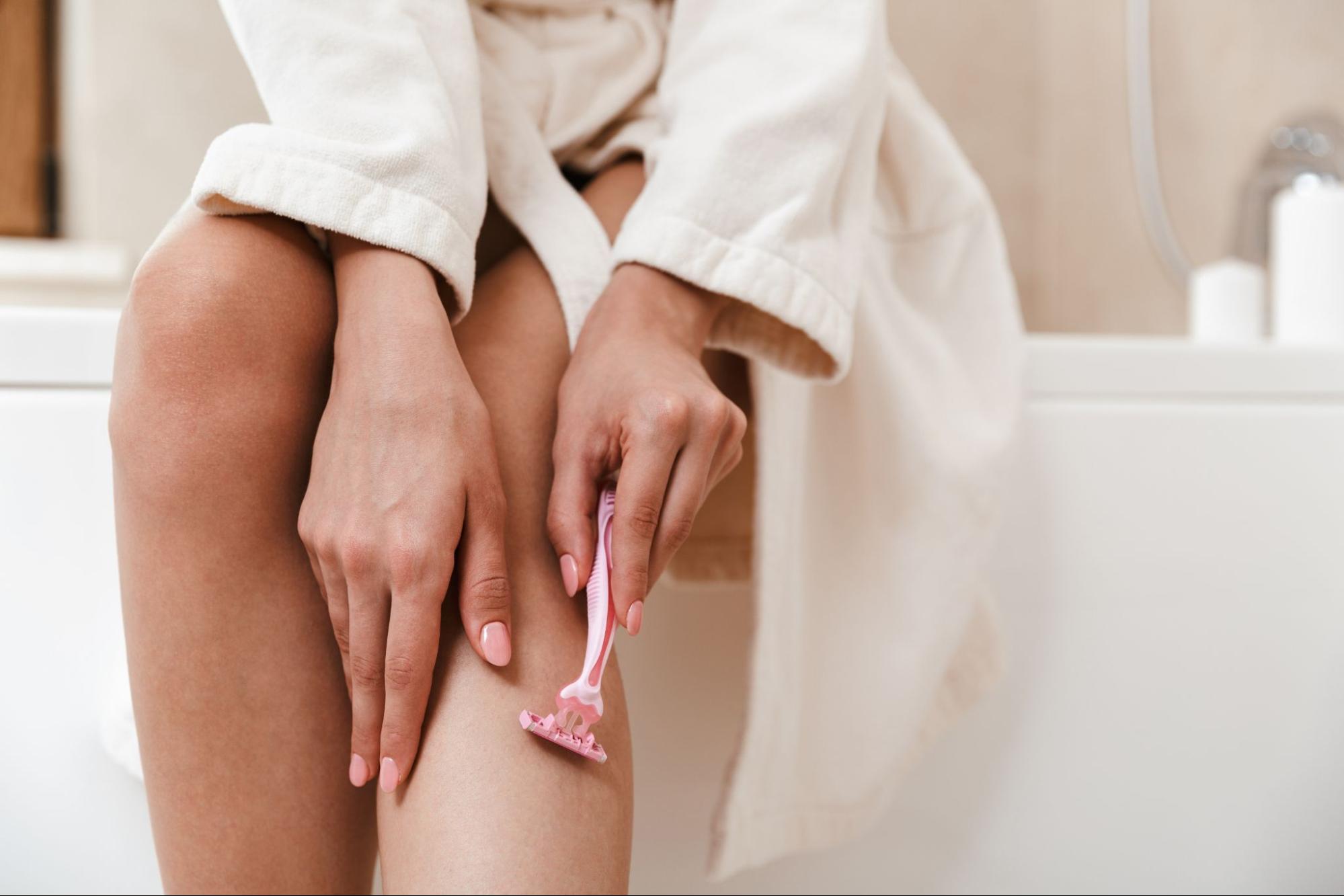
Shaving is one of the most common temporary hair removal methods. It is quick, easy, and can be done on almost any part of the body. The downside is that results don’t last long — hair usually grows back within 1–2 days.
Frequent shaving is generally not recommended, as it can affect the skin over time. Regrown hair may look coarser and thicker, and the risk of ingrown hairs increases. Careless shaving may also cause cuts, and using an unclean razor can lead to infection.
2. Hair Removal by Plucking
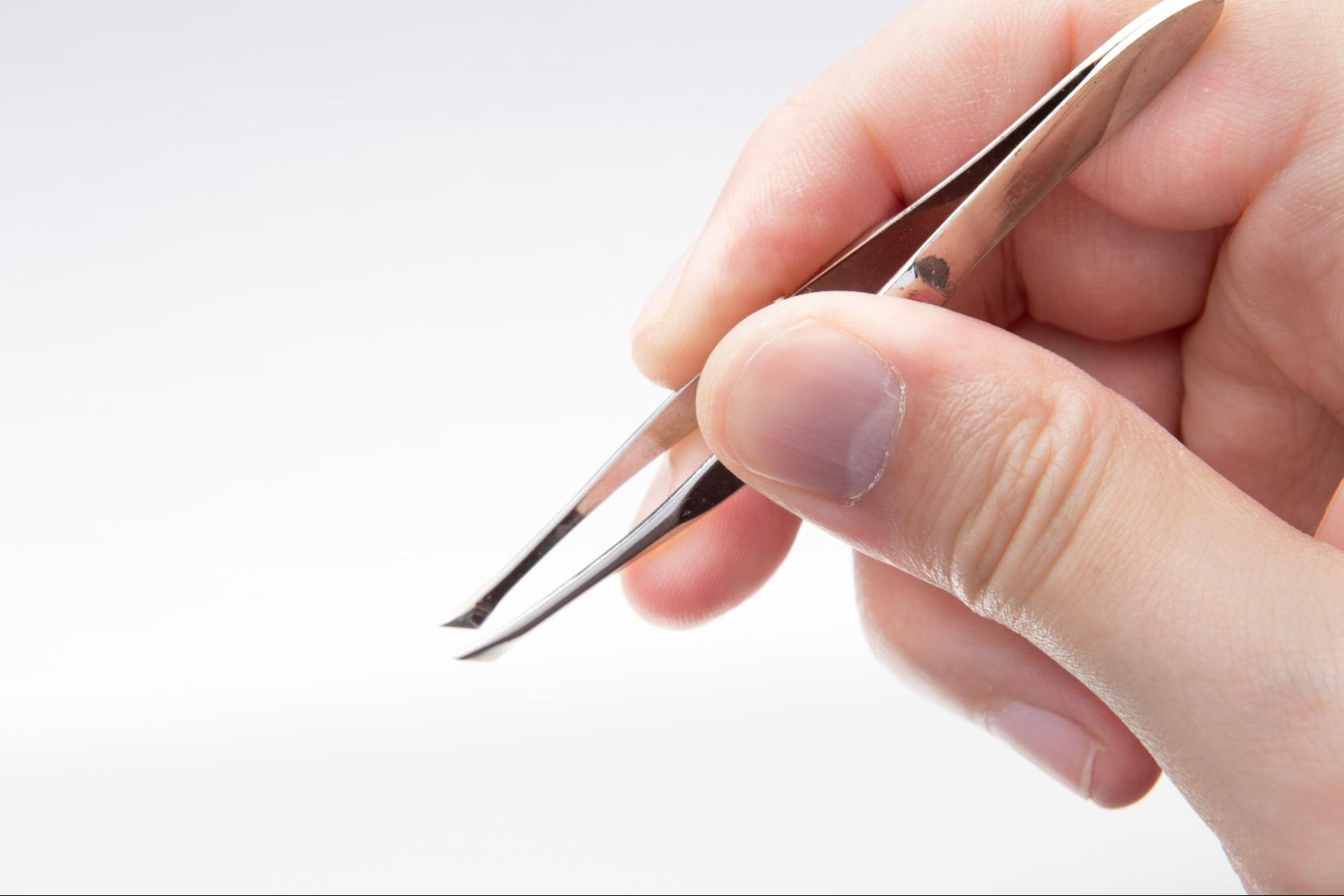
Plucking involves using tweezers to pull out hair, usually in small areas such as the underarms, eyebrows, or facial hair. It is convenient, can be done at home, and hair grows back more slowly compared to shaving. However, plucking is more painful.
If done incorrectly, plucking can cause folliculitis, leading to redness, swelling, and irritation. Incomplete removal may also result in ingrown hairs. Over time, this may cause a “chicken skin” appearance, especially in the underarms, which can reduce confidence when wearing sleeveless clothing.
3. Hair Removal with an Epilator
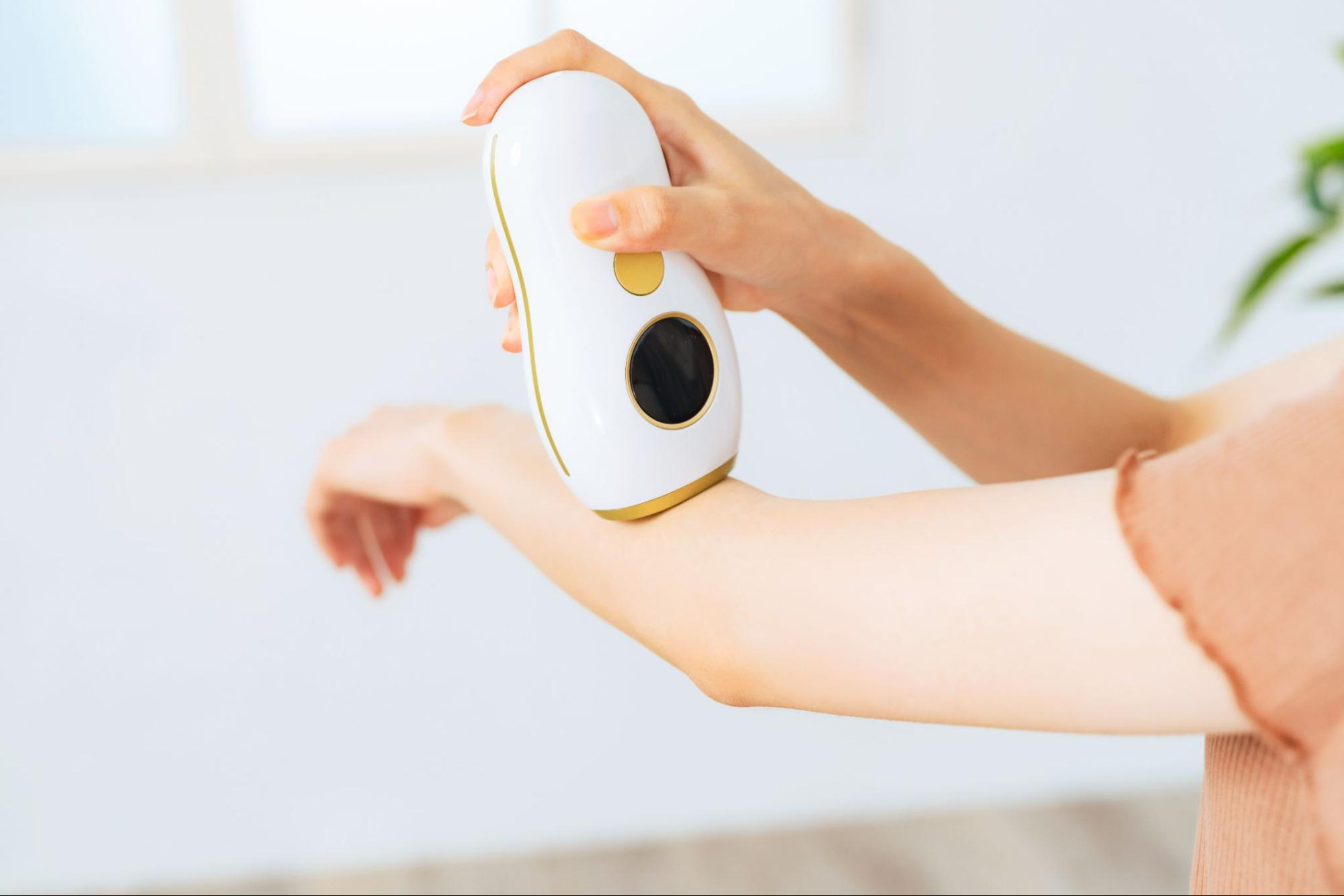
An epilator (mechanical hair removal device) is widely available in many models. It removes multiple hairs at once using small tweezers or metal discs in the device head, pulling hairs out from the root. This method is similar to plucking but faster and able to cover larger areas.
Epilators also carry the risk of ingrown hairs. To minimize this, it is important to use a device that meets quality standards — though these tend to be more expensive.
4. Hair Removal by Waxing
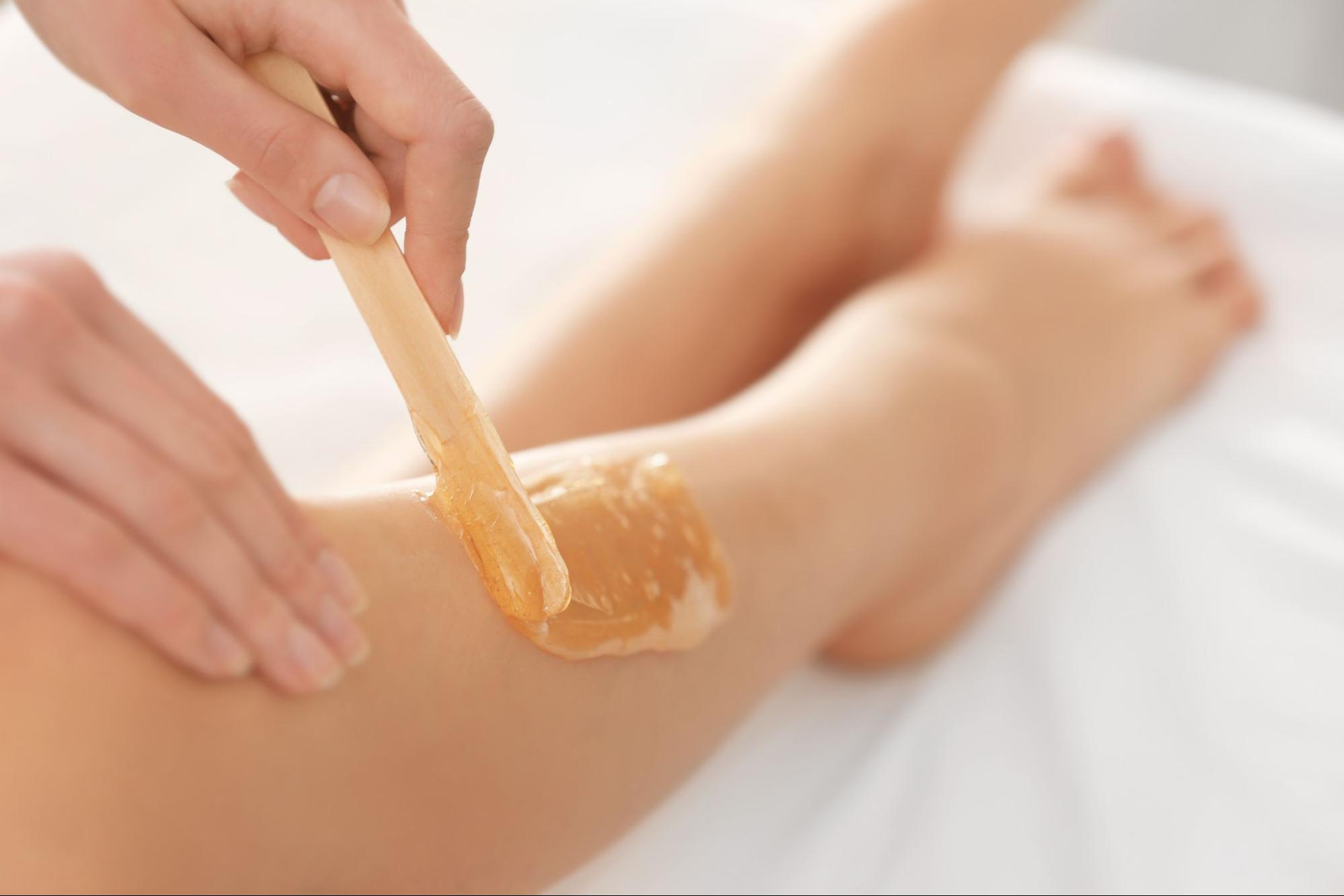
Waxing is a popular temporary hair removal method in Thailand. It comes in two forms: cold wax and hot wax.
- Cold wax: Often available in ready-to-use strips, convenient for at-home use without the need for heating.
- Hot wax: Warm wax is applied to the area, left to set, and then removed quickly with a cloth strip.
Waxing removes hair from the root, so regrowth is slower compared to shaving. However, the process is more painful. Ideally, it should be performed by a trained professional. Incorrect technique can lead to irritation, inflammation, or bruising. Frequent waxing may increase the risk of folliculitis, redness, and ingrown hairs.
5. Hair Removal with Depilatory Creams
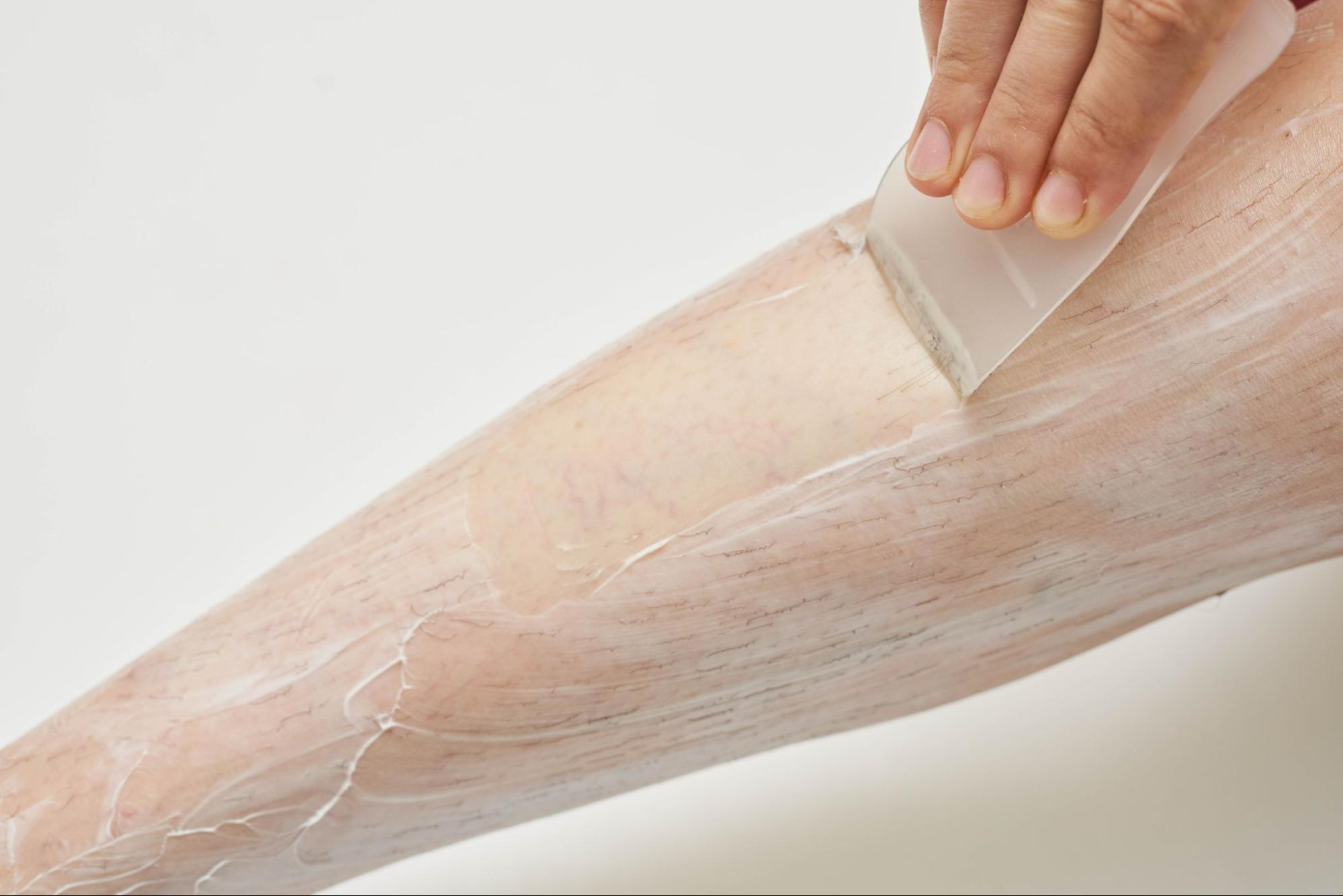
Depilatory creams are a temporary method that use alkaline chemicals to break down keratin proteins in the hair. After application, the cream is wiped off along with the hair. They are commonly used on the arms and legs but are not recommended for sensitive areas such as the bikini line or upper lip.
This method is inexpensive, painless, and widely available. However, most creams have a strong chemical odor and may cause irritation, especially for those with sensitive skin. It is strongly advised to perform a patch test before full application to check for allergic or irritant reactions.
6. Laser Hair Removal
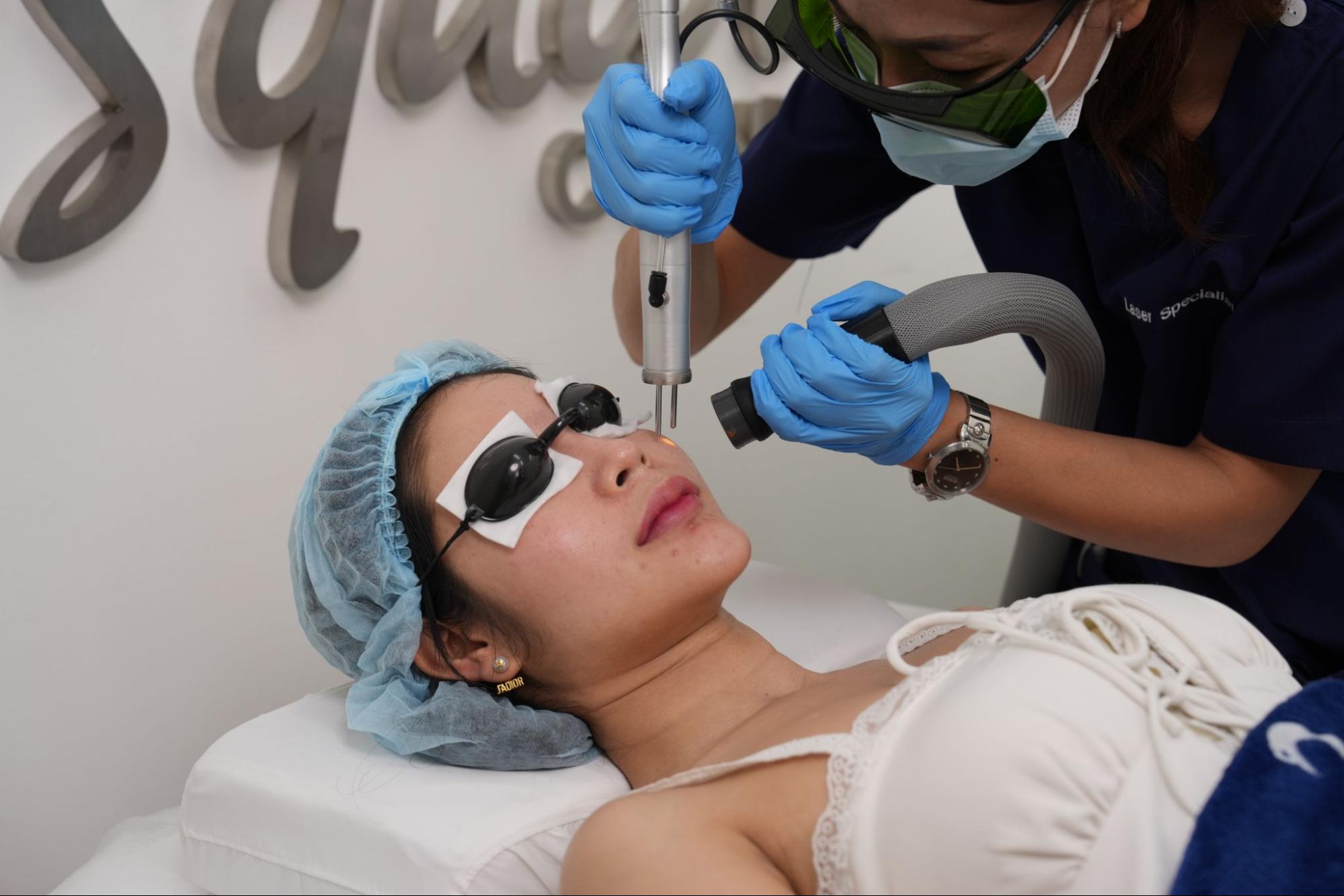
One of the most popular and effective methods is laser hair removal. It works by using laser heat energy to target and destroy hair follicles.
The melanin pigment in the hair absorbs the energy, damaging the follicle. With repeated treatments, the number of hairs decreases, new hairs grow back finer, and in some cases, hair growth may eventually stop.
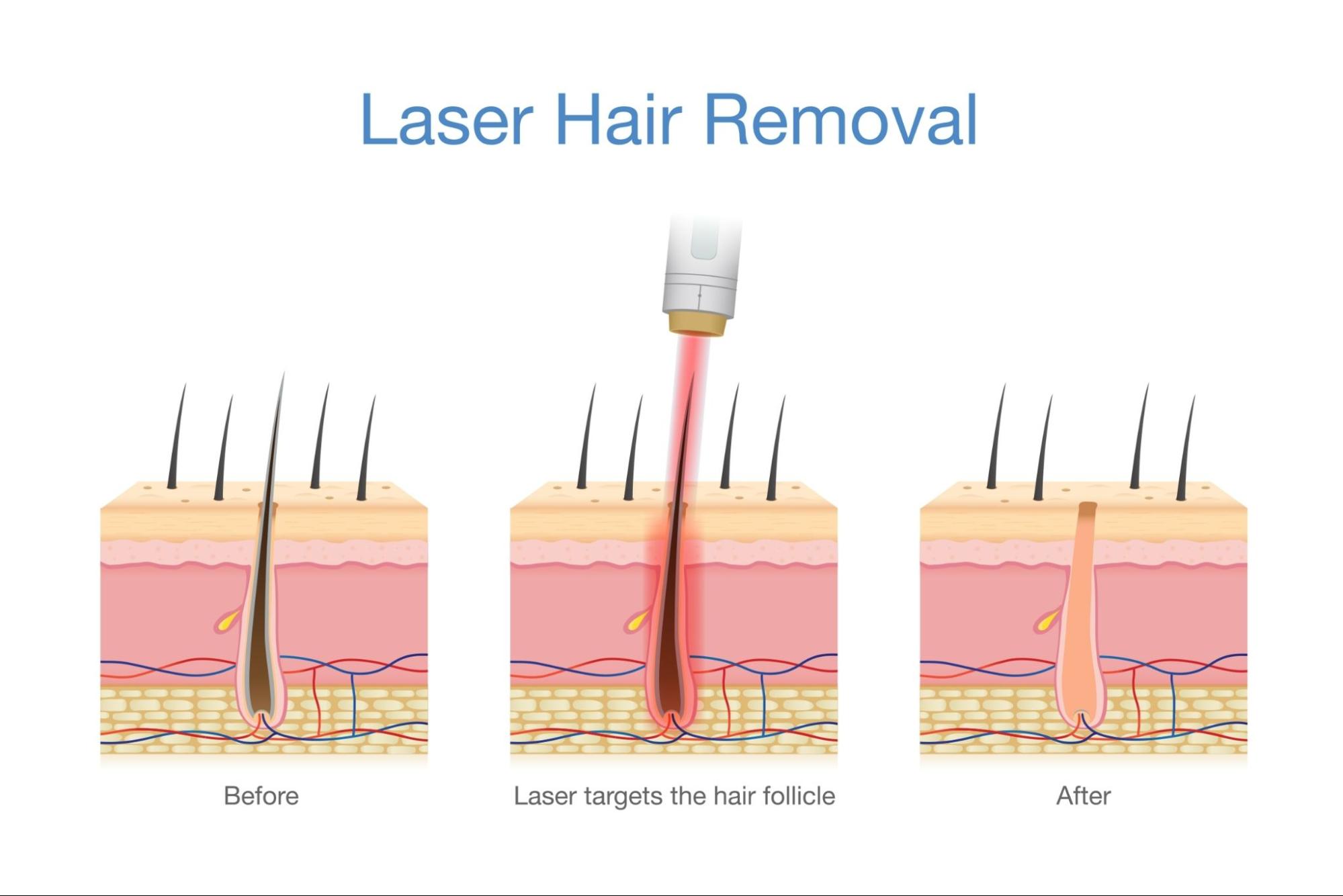
Currently, one of the most effective and widely used devices is the YAG Laser, or Long Pulse Nd:YAG Laser, with a wavelength of 1064 nm. It targets hair down to the root, suitable for all skin tones and hair thicknesses.
At V Square Clinic, the Cool Yag 1064 program is offered. This treatment combines the Long Pulse Nd:YAG 1064 laser (Light-B EVO, imported from Italy) with the Cryo 7 cooling system from Germany. The system is FDA-approved in both the U.S. and Thailand, and CE-certified in Europe. The Cryo 7 provides adjustable cooling to reduce discomfort and keep the skin comfortable during treatment.
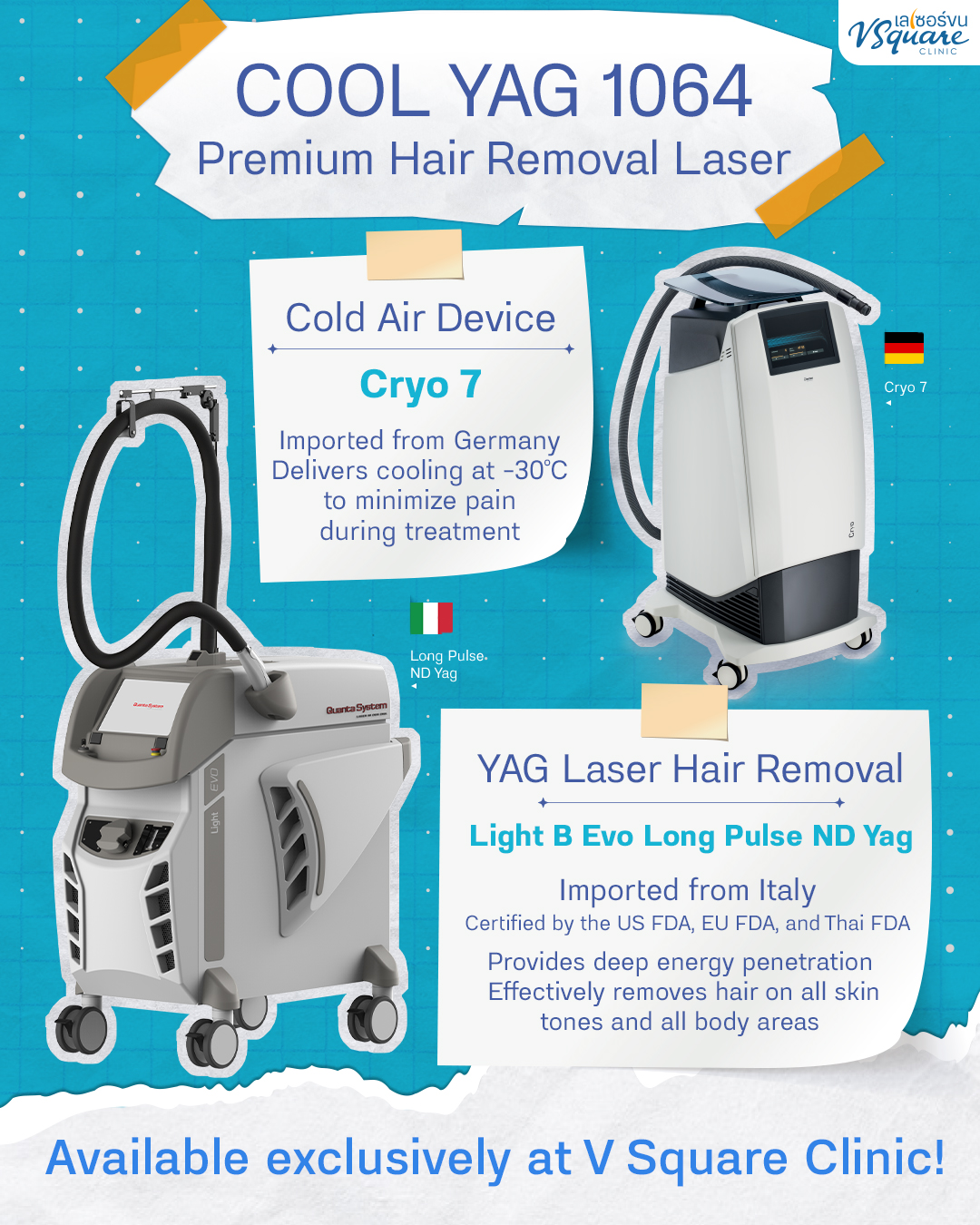
Laser hair removal is safe, effective at reducing both the number and thickness of hairs, and can be used on the face and body. While the cost is higher compared to other methods, it offers greater long-term value. Results last much longer than shaving or plucking, and it significantly lowers the risk of ingrown hairs.
Interested in laser hair removal with the Cool Yag 1064 at V Square Clinic?
Click here to view the latest promotions.

7. Hair Removal with IPL Technology
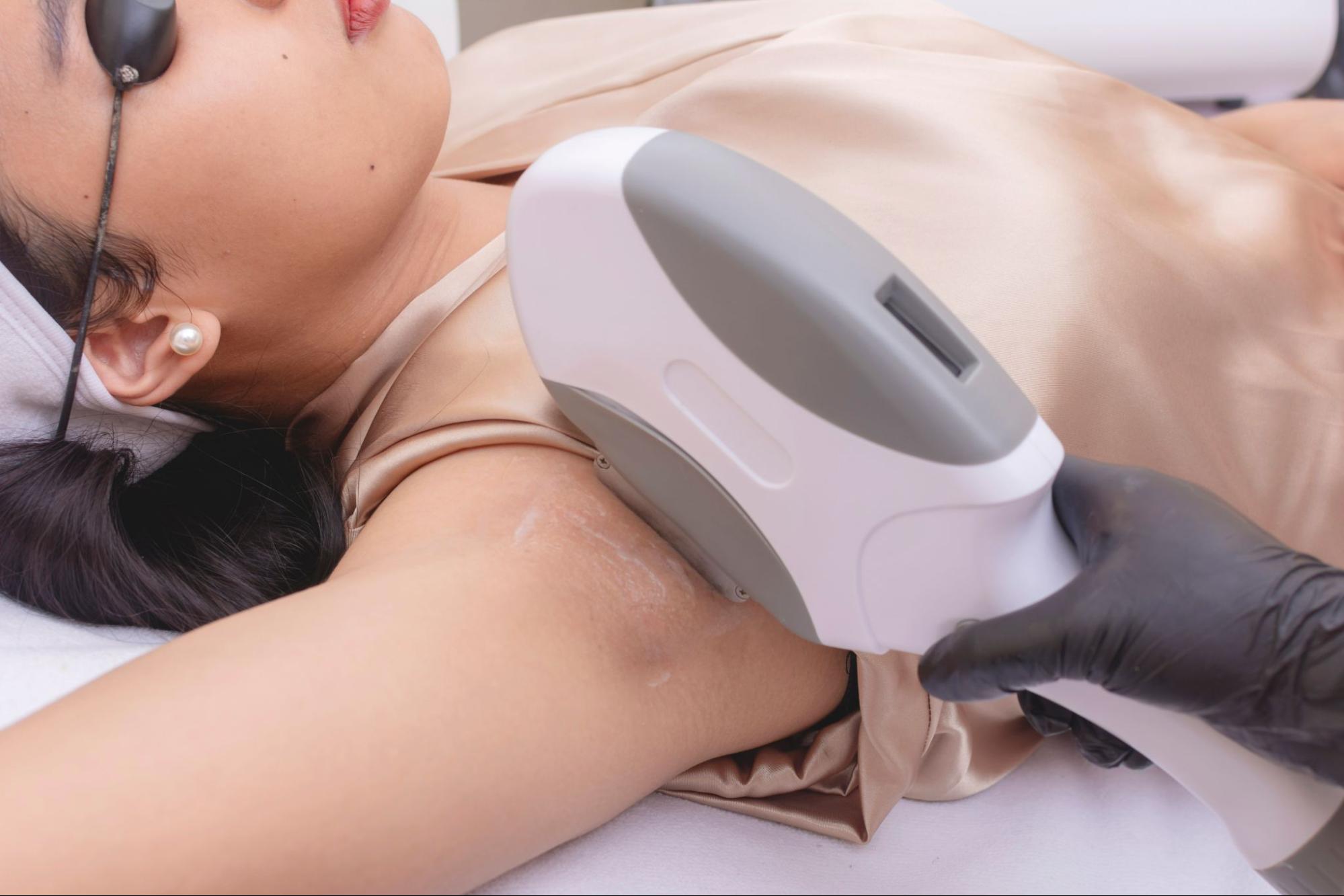
Some people may mistakenly think IPL is a type of laser, but technically it is not. IPL (Intense Pulsed Light) uses a broad-spectrum light source, which works similarly to laser but is less focused. It can still be used for body hair removal.
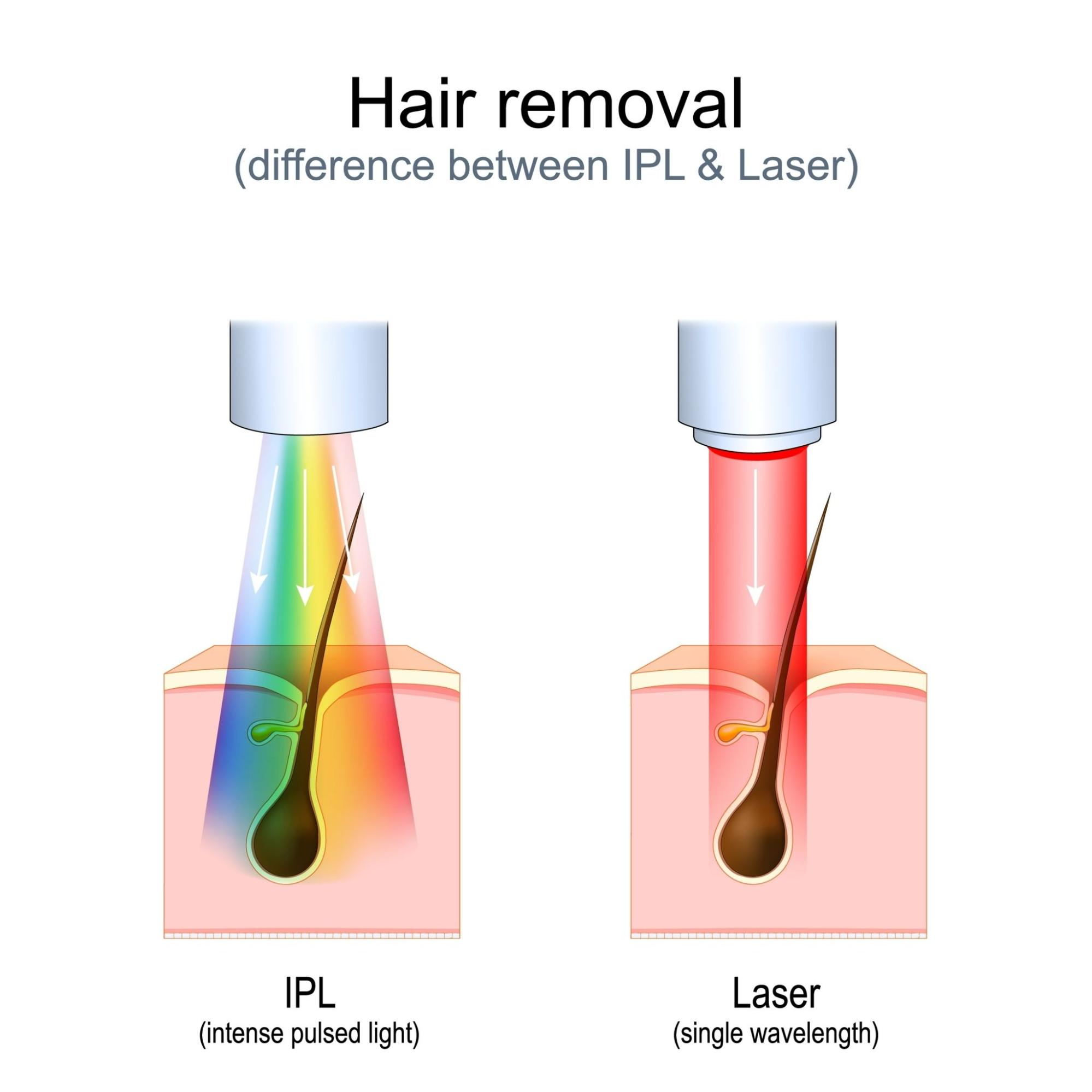
The advantage of IPL is that it is generally more affordable than laser treatments and causes less discomfort because the light is spread over a wider area and does not penetrate as deeply into the follicles. However, IPL has a higher risk of skin burns, is less suitable for darker skin tones, and requires multiple sessions due to lower effectiveness compared to laser hair removal.
8. Hair Removal with Exfoliating Tools

Exfoliating tools such as crystal pads or hair removal stones have recently gained popularity on social media. These tools have a fine sandpaper-like surface and are used to gently rub on wet skin. The friction breaks the hair at the surface while also exfoliating dead skin cells.
They are easy to use and can be a convenient alternative for some people, but caution is advised — especially on sensitive areas such as the underarms, knees, or bikini line. Excessive scrubbing may cause abrasions or skin irritation.
9. Hair Removal with Threading (Huang Ming)
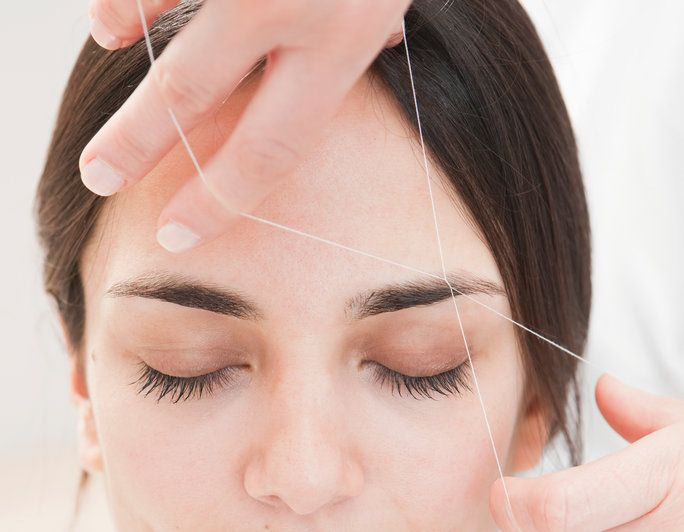
Threading, also known in Chinese tradition as Huang Ming, is a technique that uses thread to pull out fine hairs. It is most commonly done on the face — such as the upper lip, cheeks, chin, or between the eyebrows — where hair is fine and dense. Before threading, powder is often applied to reduce friction between the thread and the skin.
The benefit is smoother-looking skin. However, it comes with drawbacks: many patients report discomfort during the procedure, and some may develop irritation, acne breakouts, or flare-ups — especially those with sensitive or acne-prone skin.
10. Hair Removal with Sprays
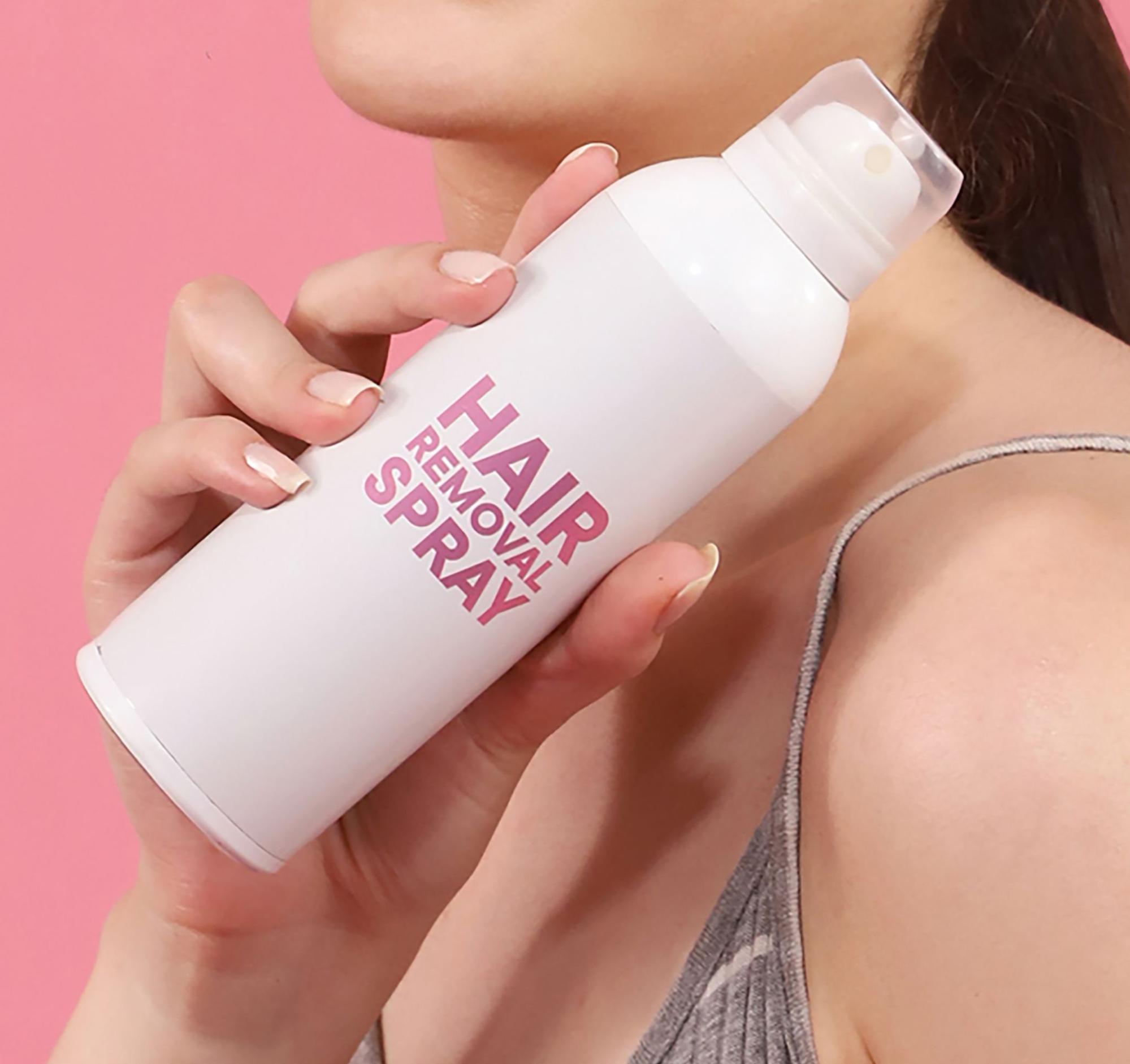
Hair removal sprays are a newer and convenient option, developed from foams and mousses. The product is sprayed directly on the area and then wiped off with the hair. Some sprays also contain ingredients that temporarily slow regrowth.
While results are quick, caution is required. Possible side effects include allergic reactions, peeling, or irritation. Sprays are also not suitable for sensitive areas.
11. Hair Removal by Sugar Waxing

Sugar waxing is becoming an increasingly popular method of hair removal. It uses a paste made from sugar, lemon, and salt that is boiled until thick. It is particularly suitable for sensitive skin and can be used on delicate areas like the face and bikini line.
The process works similarly to hot waxing — the warm paste is applied to the skin, then pulled off against the direction of hair growth. It leaves the skin smooth and slows regrowth. However, it is painful, and incorrect temperature or technique may cause irritation, ingrown hairs, or skin damage.
12. Hair Removal with Electrolysis
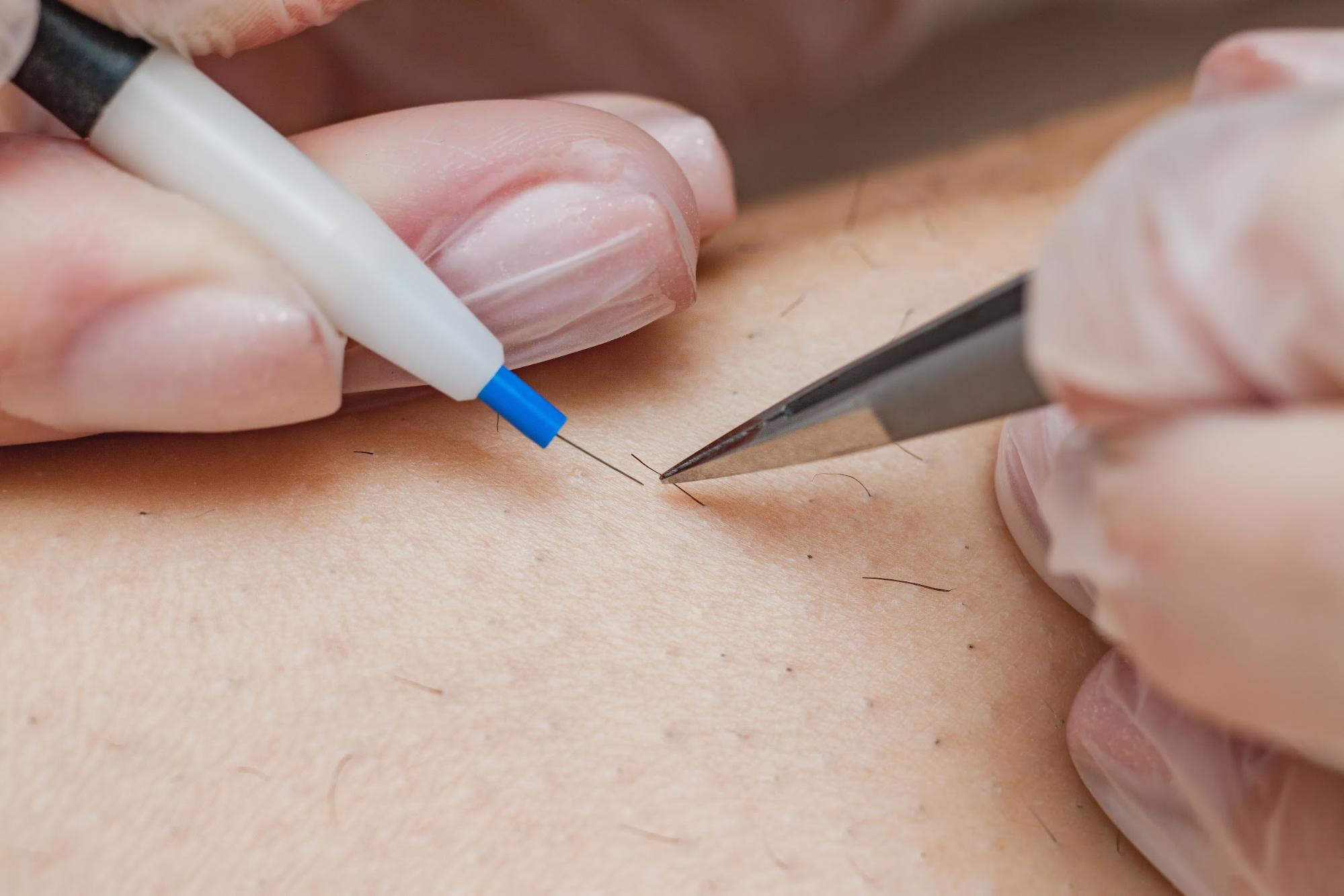
Electrolysis, or radiofrequency epilation, is a permanent hair removal method. A fine needle is inserted into the follicle, and an electrical current destroys the root to prevent regrowth.
Although effective, electrolysis is less popular today. The process is time-consuming, painful, and carries risks of hyperpigmentation or scarring. Compared with laser hair removal, it is less comfortable and less skin-friendly.
13. Hair Removal with a Lighter

Some online groups have mentioned using a lighter to burn hair, particularly on the upper lip or bikini area. The flame only burns the hair on the surface and does not affect the root. This method is strongly discouraged.
It does not stop hair from growing back and is highly unsafe. Risks include skin burns, blisters, permanent scars, and infections — especially if the skin is broken or moist.
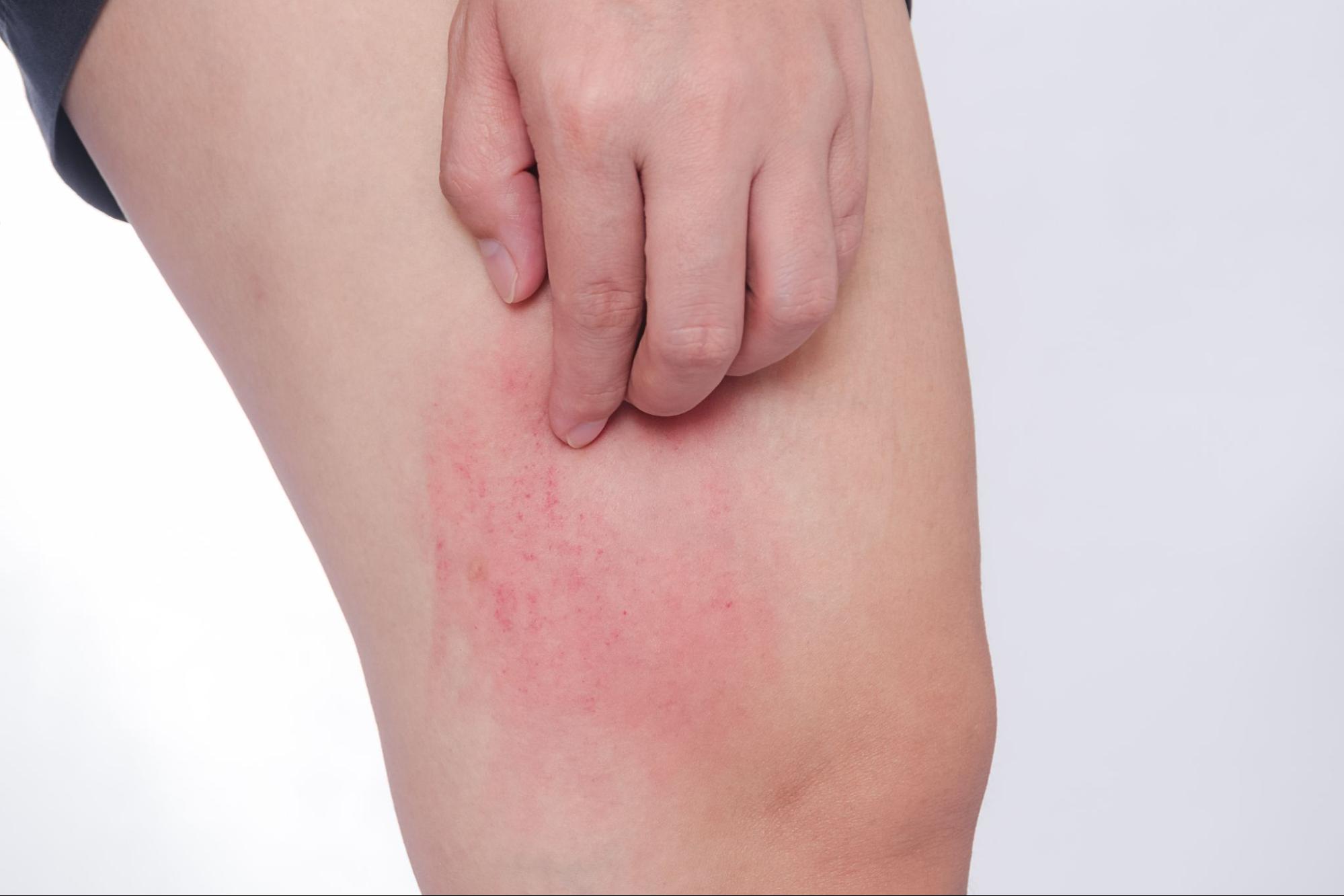
What Causes Itching After Hair Removal?
Itching after hair removal is a common side effect and may occur for several reasons:
- Skin irritation: Shaving and waxing can irritate the skin, sometimes causing redness and rashes that lead to itching.
- Dry skin: Methods like depilatory creams or waxing may strip the skin of moisture, resulting in dryness and itching. Applying moisturizer before and after hair removal helps keep the skin hydrated and reduces irritation.
- Allergic reactions: Often triggered by creams or sprays, where certain chemical ingredients cause itching, redness, or discomfort.
Is DIY Hair Removal Dangerous?
In general, removing hair at home is not dangerous. However, if done incorrectly, it may lead to side effects such as:
- Skin irritation or inflammation: Shaving, threading, or using depilatory creams may irritate or inflame the skin, especially if the skin is sensitive or if small cuts occur from dull razors or improper technique.
- Ingrown hairs: Shaving, waxing, or plucking incorrectly can cause hairs to grow back into the skin, creating bumps that may become inflamed or infected.
- Skin infections: Shaving, plucking, or using abrasive tools may cause small, unnoticed cuts. If the tools are not clean, infections can develop.
- Dry, damaged skin: Frequent waxing or use of creams and sprays containing harsh chemicals may damage the skin long-term, particularly if proper aftercare is neglected.
For those who choose DIY hair removal, it is important to use tools and products suitable for their skin type and hair, keep equipment clean, and follow aftercare to minimize irritation.
To avoid concerns about tools and potential side effects, professional treatments at reputable clinics are a safer choice. Though more costly than DIY methods, they provide convenience, speed, and higher safety standards.
Which Hair Removal Method Is Best?
So, which method is best? Let’s compare across several aspects:
By method:
- Depilation (removes hair above the skin surface, grows back quickly): shaving, depilatory creams and sprays, exfoliating tools.
- Epilation (removes hair from the root, slower regrowth): plucking, waxing, sugar waxing, threading (Huang Ming), laser hair removal, IPL, electrolysis.
By results:
- Temporary results: shaving, plucking, waxing, depilatory creams and sprays, IPL, threading, exfoliating tools.
- Permanent results (with repeated treatments): laser hair removal, electrolysis.
By cost:
- Affordable: shaving, plucking, waxing, depilatory creams and sprays, exfoliating tools, threading.
- Higher cost: laser hair removal, IPL, electrolysis.
By pain level:
- Painless: shaving, depilatory creams and sprays, exfoliating tools.
- Painful: plucking, waxing, laser hair removal, IPL, electrolysis, threading.
(*Pain levels vary depending on personal sensitivity, hair type, and hair density.)
Conclusion: There is no one-size-fits-all answer. The best method depends on skin type, hair density, and budget. However, in terms of results and long-term value, laser hair removal stands out as the most effective method. It offers permanent reduction, works on multiple areas, and carries fewer side effects.
Laser treatment also reduces the risk of ingrown hairs, which often result from incomplete removal during shaving or plucking. By targeting the root, laser hair removal prevents hair from curling back into the skin.
Conclusion on Hair Removal Methods
There are many ways to remove hair, and the right method depends on factors such as skin type, hair density, and budget. The key is to choose a safe approach that maintains skin health and avoids long-term damage.
For those looking for permanent results, smooth skin, and freedom from ingrown hairs or “chicken skin,” laser hair removal is the most effective choice.
Before starting treatment, it is best to consult a doctor or specialist to determine the most suitable device for each individual’s skin and hair type, ensuring safe and worthwhile results.

สำหรับผู้อ่านทุกท่านที่มีข้อสงสัยเพิ่มเติม ทีมแพทย์ V Square Clinic ทุกคนยินดีให้คำปรึกษาฟรี โดยไม่มีค่าใช้จ่าย หรือสามารถปรึกษาหมอทาง inbox facebook หรือ Line นี้ได้เลยครับ หมอตอบเองครับ

Which Botox Brand Is Best? USA / Korea / UK / Germany — How Do They Differ?
Reading Time: 12 minutesBotox is the trade name for Botulinum Toxin Type A, a substance widely used in aesthetic treatments. It is derived from the bacterium Clostridium Botulinum and acts as a neurotoxin by interfering with the communication between nerves and muscles.

Masseter Botox: How Many Days Until Results? Post-Treatme...
Reading Time: 4 minutesHow long does it take to see results after Masseter Botox? This is a common question among those who want a slimmer face shape but prefer to avoid surgery. Many also want a quick, convenient procedure without downtime. This article explains the expected timeline and provides essential aftercare tips to help Botox work faster and last longer.

What Is Exosome? How Much Does It Cost, and Is It Truly t...
Reading Time: 10 minutesExosomes are gaining significant attention in the aesthetics field for their role in skin rejuvenation and repair. They are being applied to address multiple skin concerns such as wrinkles, enlarged pores, acne scars, melasma, freckles, and dark spots.

Shaving Armpit Hair: Is It Really Good? Why Does It Itch ...
Reading Time: 7 minutesShaving armpit hair is one of the most common hair removal methods. But have you ever wondered what really happens if shaving becomes a regular habit? Is it actually good for the skin, and why does it seem that with frequent shaving, the hair grows back thicker and coarser?

Where to Get Skin Whitening Injections? Safe and Effectiv...
Reading Time: 8 minutesIf you’re wondering where to get skin whitening injections that are both safe and effective, this guide will help. For anyone dreaming of brighter, healthier, glowing skin, it’s essential to know how to choose a reliable clinic. This article explains how to identify a trustworthy clinic