
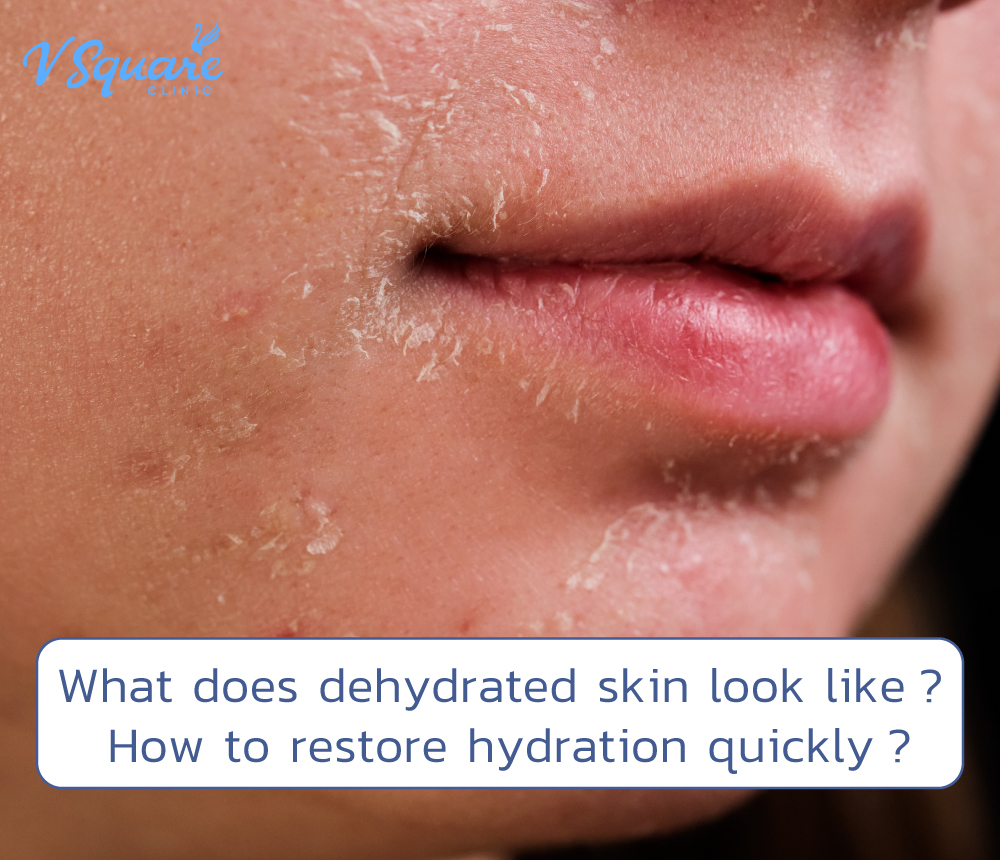
Dehydrated Skin Overview
Dehydrated skin is a common condition that many people experience without realizing it. Some assume they simply have dry skin, while others think their skin is naturally oily. However, when the skin lacks enough water beneath the surface, it becomes tight, dull, flaky, and makeup doesn’t apply smoothly — even if several moisturizers or skincare products are used.
This article explains what dehydrated skin is, how it differs from dry or oily skin, the causes behind it, and which treatment options can help rehydrate the skin effectively — including fast-acting solutions.
Table of Content : Dehydrated Skin
What Is Dehydrated Skin?
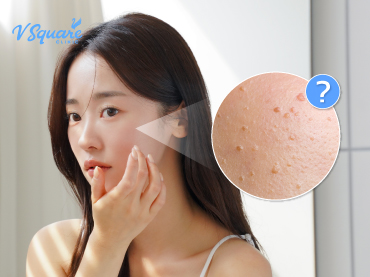
Dehydrated skin is a condition in which the skin lacks sufficient water beneath the surface, leading to reduced moisture levels. This typically causes tightness, flakiness, dullness, and more visible fine lines. In some cases, the skin may even appear oilier than usual, with noticeably enlarged pores.
Dehydrated skin can occur in any skin type — oily, dry, or combination — especially when the skin is not cared for properly. Many people often confuse dehydrated skin with naturally dry skin, so in the next section, we’ll break down the differences clearly.
Dehydrated Skin vs. Dry Skin
Dehydrated skin and dry skin are not the same. The comparison below highlights the key differences:
| Dehydrated Skin | Dry Skin | |
|---|---|---|
| A temporary condition where the skin lacks adequate moisture. It can occur in all skin types — dry, oily, or combination. | Meaning | A natural skin type present since birth, characterized by low oil production. |
| Skin feels tight, sometimes oily, with flakiness, dullness, and more visible fine lines. | Characteristics | Skin feels dry throughout the day, especially after cleansing. In dry weather, the skin may become flaky. |
| Behaviors that reduce skin moisture, such as drinking too little water or using unsuitable cleansing products. | Causes | The sebaceous glands produce very little natural oil. |
| Skin returns to its original state slowly after performing a cheek-pinch test due to reduced elasticity. | Skin elasticity test | Skin returns to its original state quickly after performing the cheek-pinch test. |
In summary, dry skin is a natural skin type, while dehydrated skin is a condition that can occur when the skin lacks adequate water. Without proper care — such as insufficient moisturization or low water intake — dehydrated skin can lead to dullness, fatigue-looking skin, and increased sensitivity. Over time, this may weaken the skin barrier and increase the risk of various skin concerns.
Excessive Oiliness May Be a Sign of Dehydrated Skin
If the skin is unusually oily, dehydration may be the underlying cause. This condition — often called “dehydrated oily skin” — occurs when the deeper layers of the skin lack moisture. As a result, the skin compensates by producing more oil to maintain hydration.
This leads to shiny skin, enlarged pores, rough texture, flakiness, and small bumps that make the skin appear uneven. It may also increase the risk of clogged pores and breakouts.
A common misconception is that oily skin doesn’t need moisturizer, which can worsen dehydration and disrupt the skin’s moisture–oil balance. The first step to improvement is restoring hydration and choosing products suitable for oily skin to help regulate both water and oil levels.
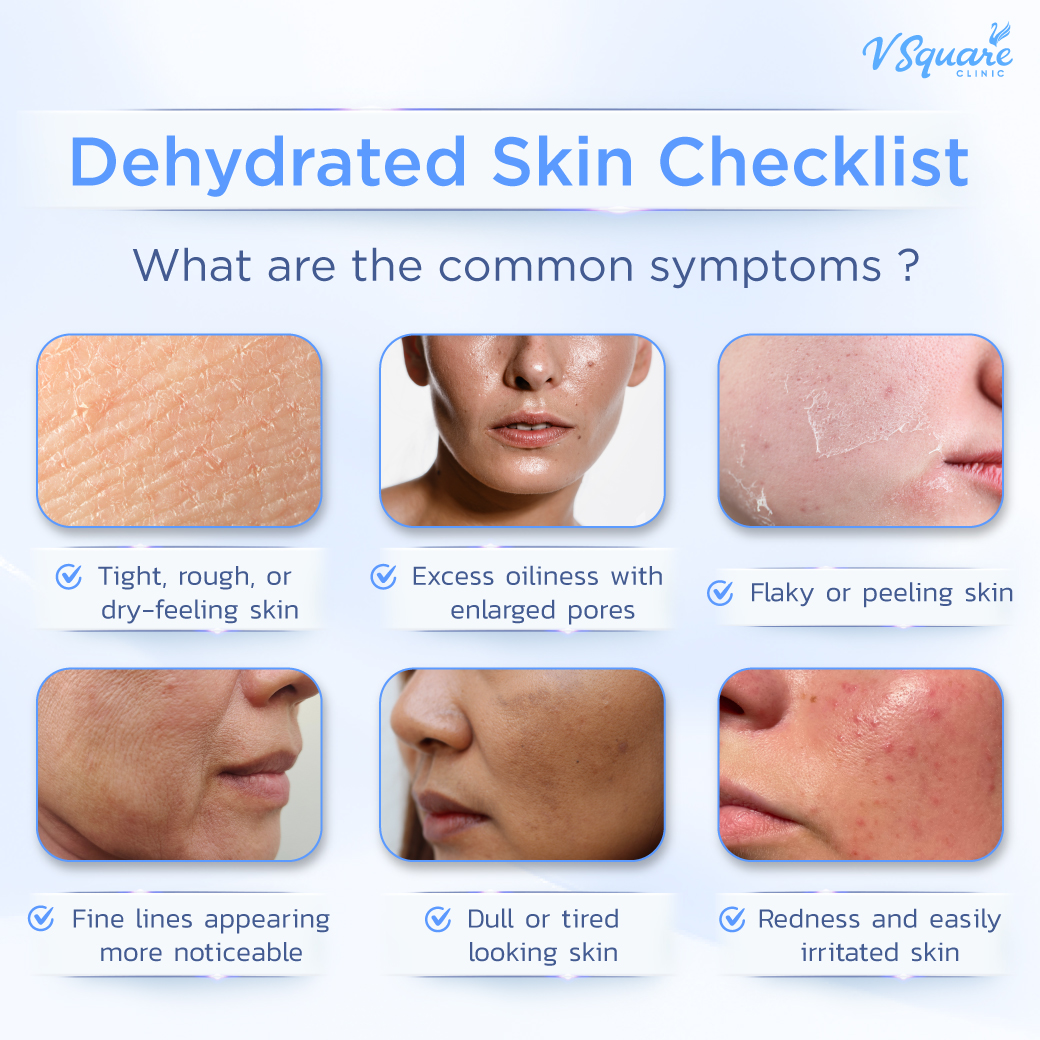
Checklist — Signs of Dehydrated Skin
People with dehydrated skin often notice the following signs:
- Tightness and rough texture: The skin feels tight, coarse, or itchy, and lacks smoothness.
- Excess oil production: Dehydration triggers the skin to produce more oil, especially in the T-zone, increasing the risk of clogged pores.
- Flakiness: Often seen on the cheeks, nose, and forehead due to reduced skin elasticity.
- More visible fine lines: Areas such as the forehead, under-eye area, and smile lines appear more pronounced.
- Dull, lackluster skin: Slow cell turnover causes old skin cells to accumulate, making the skin look tired.
- Redness and sensitivity: A weakened moisture barrier makes the skin more reactive to sunlight, dust, and chemicals.
What Happens If Dehydrated Skin Is Left Untreated?
If dehydrated skin persists for a long time, several issues may follow:
- Increased sensitivity and irritation from sunlight, dust, or chemicals
- A weakened skin barrier allows irritants and bacteria to penetrate more easily
- Premature fine lines due to reduced skin plumpness
- Dull skin caused by slower cell turnover and reduced oxygen flow
- Makeup that does not adhere well, creases easily, or fades quickly
Water within the skin plays an essential role in maintaining healthy skin function. Two main skin layers are responsible for water retention:
- Epidermis: The outermost layer, containing about 10–30% water. It acts as a protective barrier, helps maintain hydration, prevents water loss, and reduces penetration of harmful substances. When dehydrated, the skin becomes dry, fragile, and easily irritated.
- Dermis: The deeper layer, containing about 70–80% water. It is composed mainly of collagen, elastin, and hyaluronic acid, which give the skin firmness, elasticity, and strength. Adequate hydration in this layer helps the skin repair and regenerate effectively.
This is why preventing dehydrated skin is so important. Hydration directly affects the skin’s moisture balance, strength, and overall youthful appearance.
What Causes Dehydrated Skin?
Dehydrated skin can result from internal factors, daily habits, and environmental conditions. If these factors are ignored for too long, the skin becomes more vulnerable, loses moisture easily, and weakens over time. The main causes include:
- Aging: As we age, the sebaceous glands produce less oil, and intercellular lipids decrease, reducing the skin’s ability to retain moisture.
- Hormonal changes: Menstruation, pregnancy, or menopause can disrupt skin balance and affect hydration levels.
- Insufficient water intake: When the body is dehydrated, the skin also loses internal moisture, leading to tightness and dullness.
- Weather and environment: Cold, dry climates, prolonged air-conditioning, and strong sunlight all accelerate moisture loss, causing dryness or dehydrated skin.
- Incorrect cleansing habits: Washing the face too often, using hot water, or choosing harsh cleansers strips away natural oils and disrupts the skin’s moisture balance.
- Inappropriate skincare products: Products lacking hydrating ingredients or containing irritants can weaken and dehydrate the skin.
- Over-exfoliation: Scrubbing too frequently or too harshly damages the skin barrier, reducing its ability to retain moisture.
- Lifestyle habits: Late nights, stress, smoking, alcohol consumption, and sun exposure without protection all accelerate skin deterioration and dehydration.
- Poor diet: A lack of essential nutrients such as vitamin C, vitamin E, and essential fatty acids (Omega-3, Omega-6) decreases skin elasticity and slows repair.
- Underlying medical conditions: Atopic dermatitis and certain hormonal disorders can directly impair the skin’s ability to retain water.
How to Restore Dehydrated Skin at Home
If dehydration is mild, most patients can improve their skin condition through proper habits and consistent skincare. These steps help the skin regain hydration, strength, and long-term health:
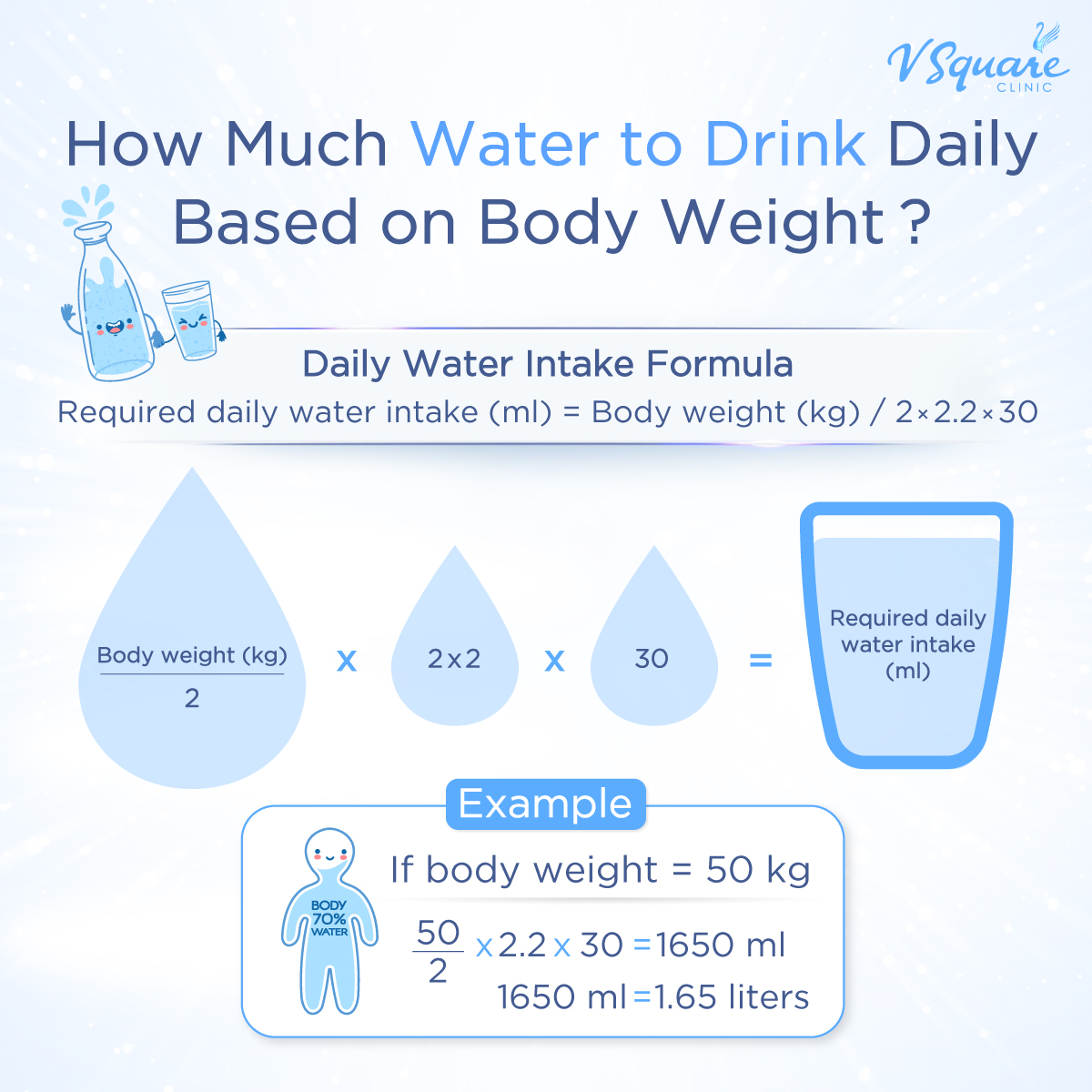
- Drink enough water: Aim for 1.5–2 liters per day, or adjust based on body weight. Consistent hydration improves moisture levels from within and speeds up skin recovery.
- Cleanse properly: Use room-temperature water and cleanse only twice a day (morning and night), about 30 seconds each time. Over-washing or using hot water strips natural oils and worsens dehydration.
- Reduce harsh exfoliation: Over-exfoliating or using abrasive scrubs disrupts the skin barrier. Choose gentle exfoliation methods and limit to 2–3 times per week.
- Use hydrating skincare: Regular use of moisturizers helps lock in water, boost plumpness, and strengthen the moisture barrier.
- Get enough sleep: Quality sleep—6 to 8 hours per night—supports skin repair and hydration.
- Manage stress: Stress disrupts hormonal balance and weakens the skin barrier, reducing moisture retention.
- Avoid skin-damaging habits: Such as smoking, drinking alcohol, or sun exposure without adequate protection.
What Products Work Best for Dehydrated Skin?
Choosing skincare for dehydrated skin shouldn’t rely only on brand names. It’s important to check the ingredients to ensure they support hydration and barrier repair.
Ingredients to Look For
- Hyaluronic Acid: Helps attract and retain water within the skin, improving plumpness and long-lasting hydration.
- Glycerin: A powerful humectant that pulls moisture into the skin and reduces water loss.
- Ceramides: Strengthen the skin barrier and reduce moisture loss, making the skin more resilient.
- Aloe Vera: Provides hydration, soothes irritation, and cools the skin.
- Panthenol (Provitamin B5): Enhances hydration, reduces irritation, and promotes skin recovery.
Ingredients to Avoid
- Alcohol Denat.: Can cause dryness and irritation, especially for sensitive or dehydrated skin.
- Fragrance/Perfume: May trigger sensitivity or allergic reactions in dehydrated or delicate skin types.
- Sulfates (e.g., SLS, SLES): Strong cleansing agents that remove dirt effectively but can strip moisture and irritate compromised skin.
How to Quickly Transform Dehydrated Skin Into Dewy, Hydrated Skin
For patients who want fast improvement — restoring moisture, achieving a dewy glow, or even the glass-skin look — in-clinic aesthetic treatments can be very effective. Several options are available to help replenish hydration and strengthen the skin.
Before choosing a treatment, it’s best to have your skin assessed based on its condition, the concerns you want to address, and your budget. Each procedure differs in ingredients, mechanisms, treatment frequency, and how quickly results appear. Below, we explain each option in detail to help you understand what may suit your skin best.

Our doctors at V Square Clinic provide a thorough consultation and skin assessment before treatment. The consultation is complimentary.
1. IV Vitamin Drip — Hydration Boost for Dehydrated Skin
An IV vitamin drip delivers vitamins, minerals, and essential nutrients directly into the bloodstream. This helps improve skin hydration, smoothness, and radiance — often noticeable from the first session, with even clearer results when performed consistently.
IV drips are effective for dehydrated skin because they contain multiple vitamins that support collagen formation, reinforce the skin barrier, and enhance overall moisture levels. They also help strengthen the immune system and promote healthier skin from within. Different formulas are available depending on whether the goal is skin health or a more radiant complexion.
- Key Components: Vitamins, electrolytes, and antioxidants such as vitamin C and B-complex vitamins
- Mechanism: Delivers hydration and nutrients directly into the bloodstream for rapid absorption.
- Results: Improved skin hydration from the 2nd session; 3–5 sessions recommended for optimal results
- Longevity: Approximately 1–2 months
- Price: 1,500–3,900 THB per session, depending on the formula
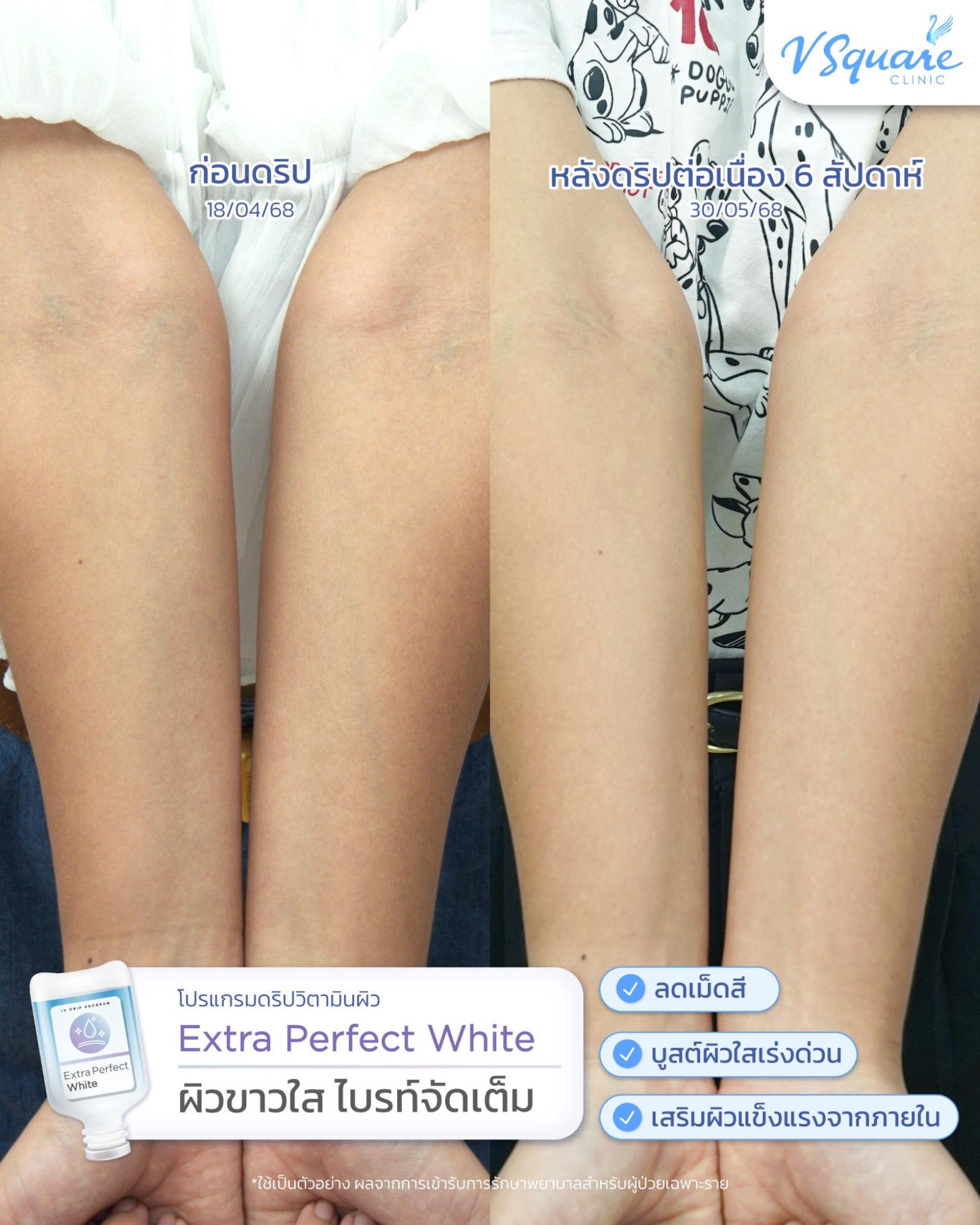
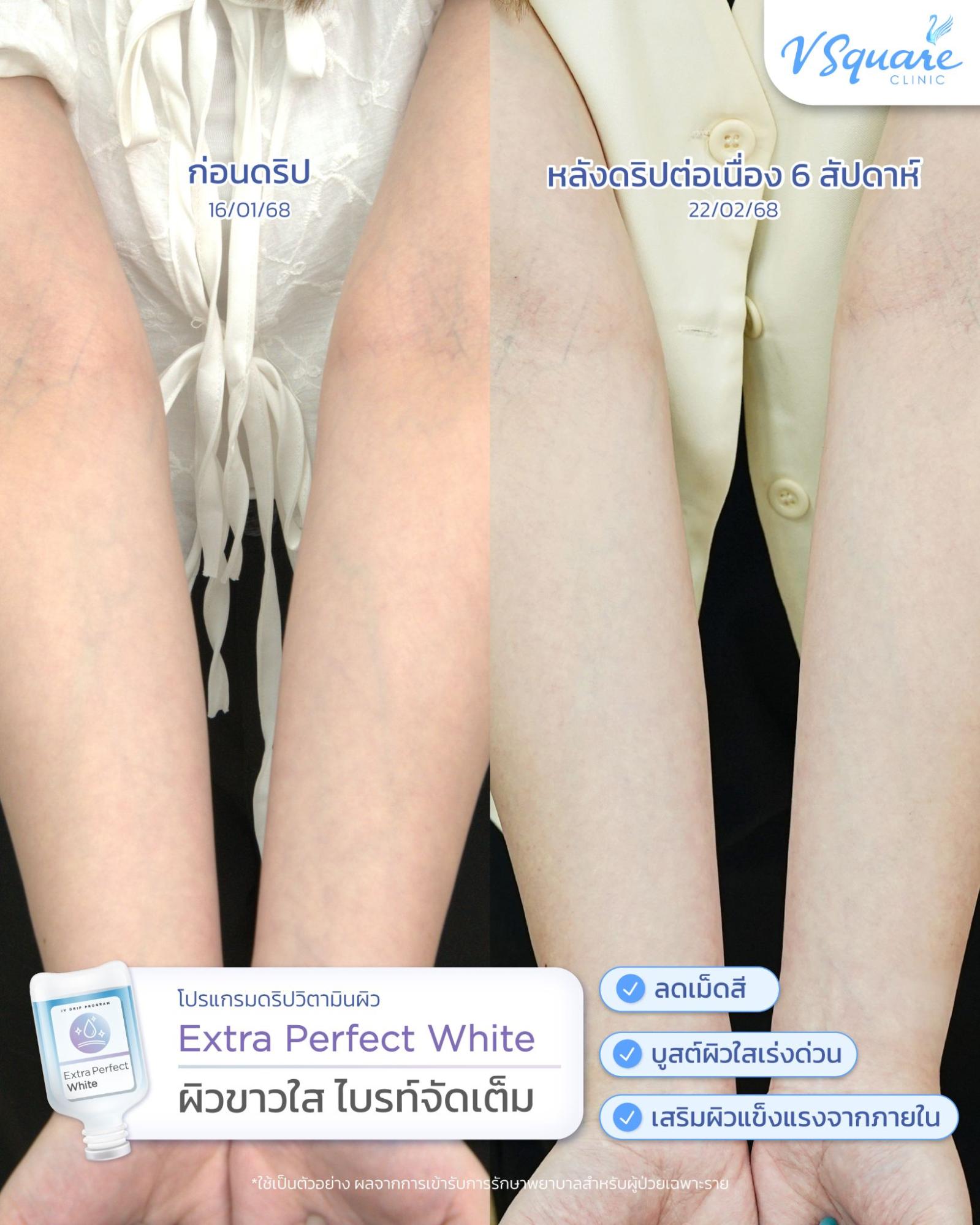
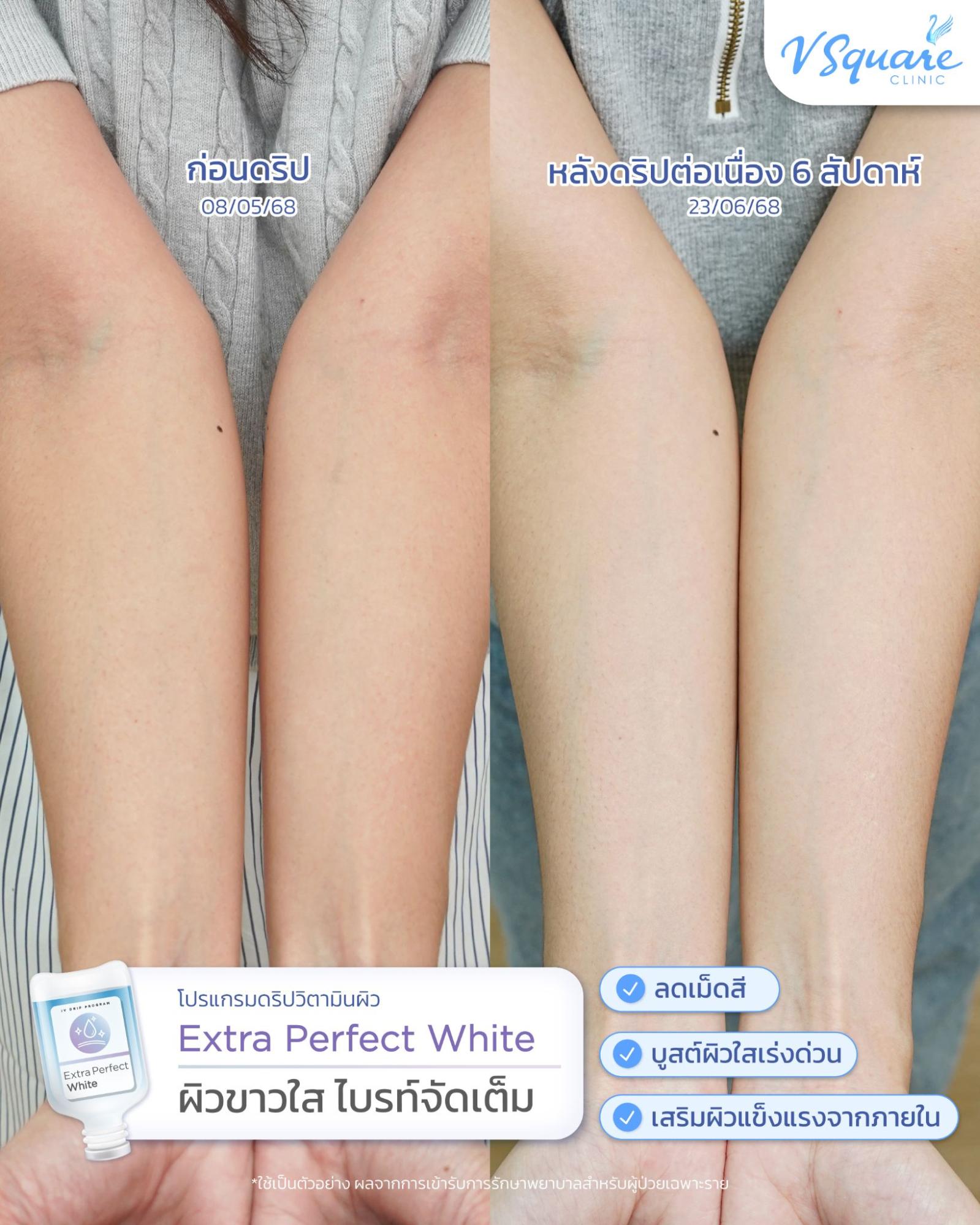
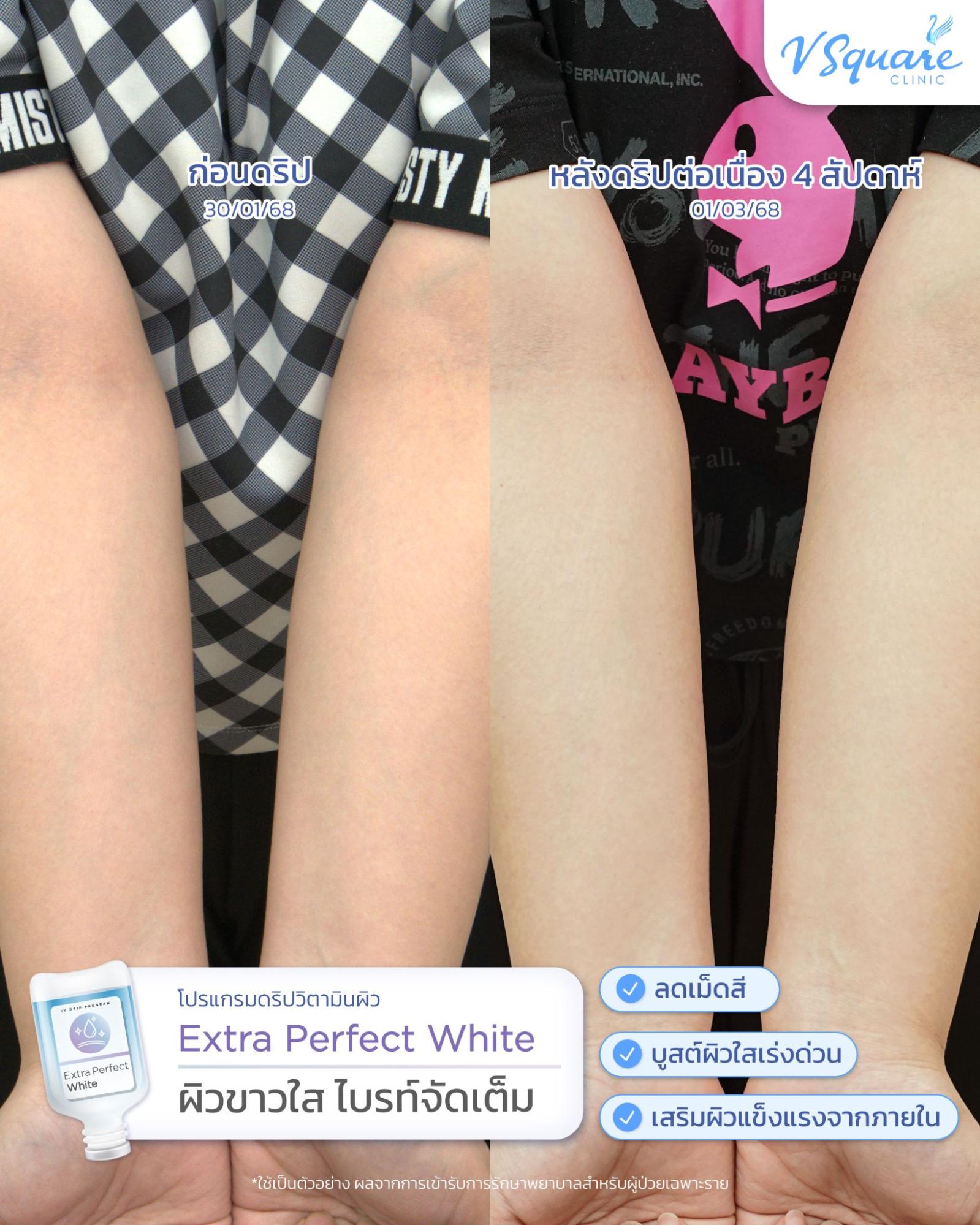
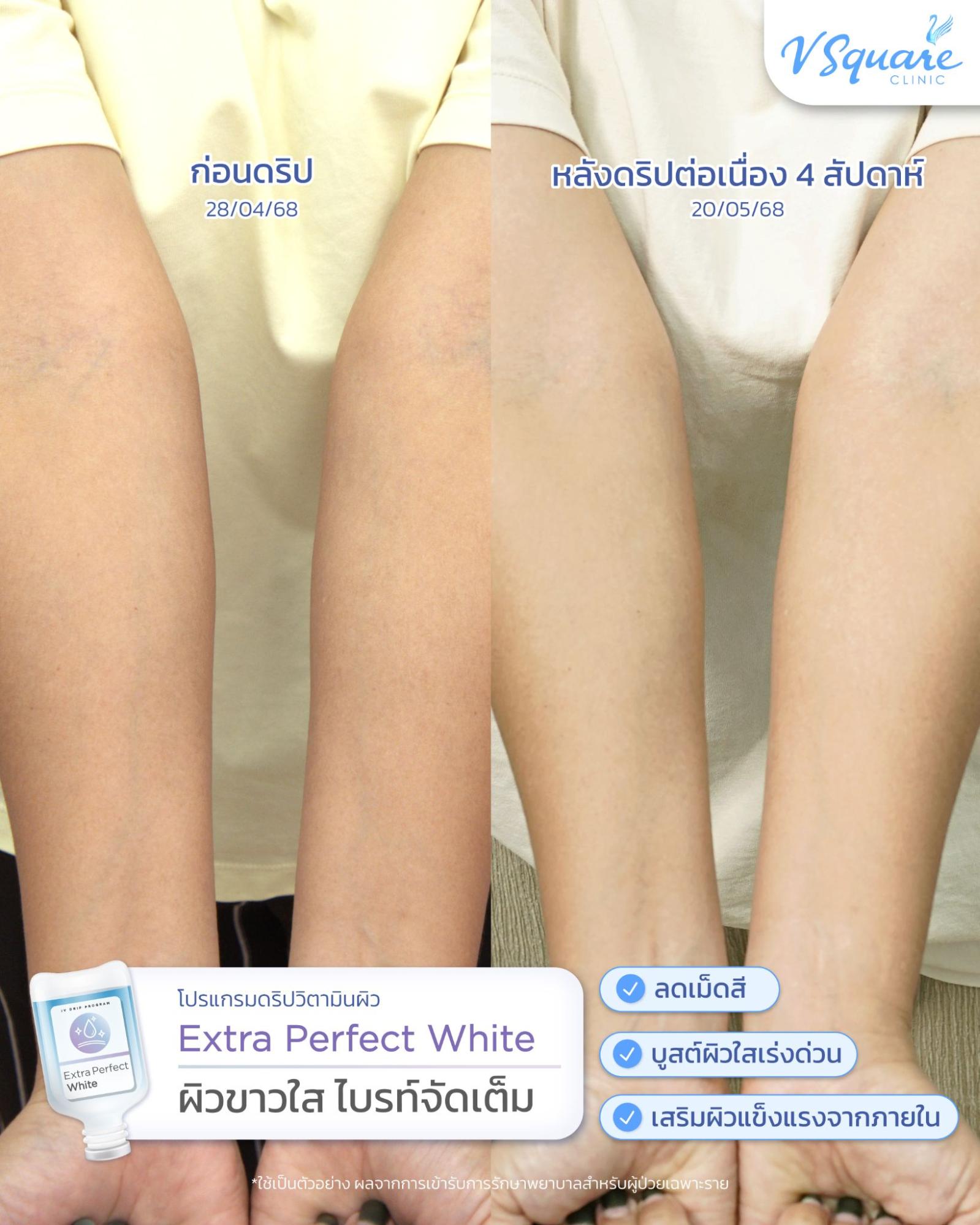
Before–after result: IV Vitamin Drip Extra Perfect White formula
(Comparison between pre-treatment and post-treatment at 4–6 weeks)
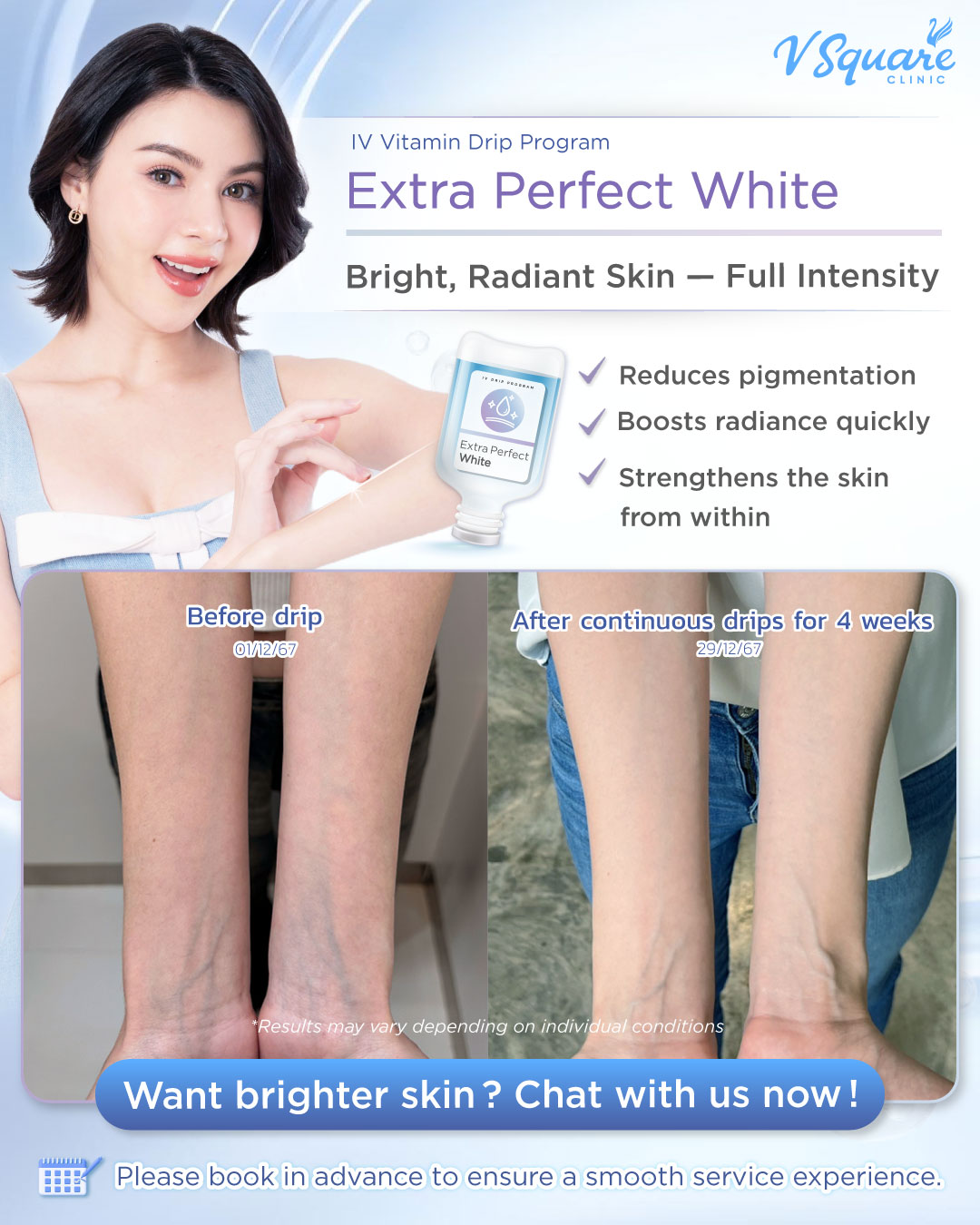
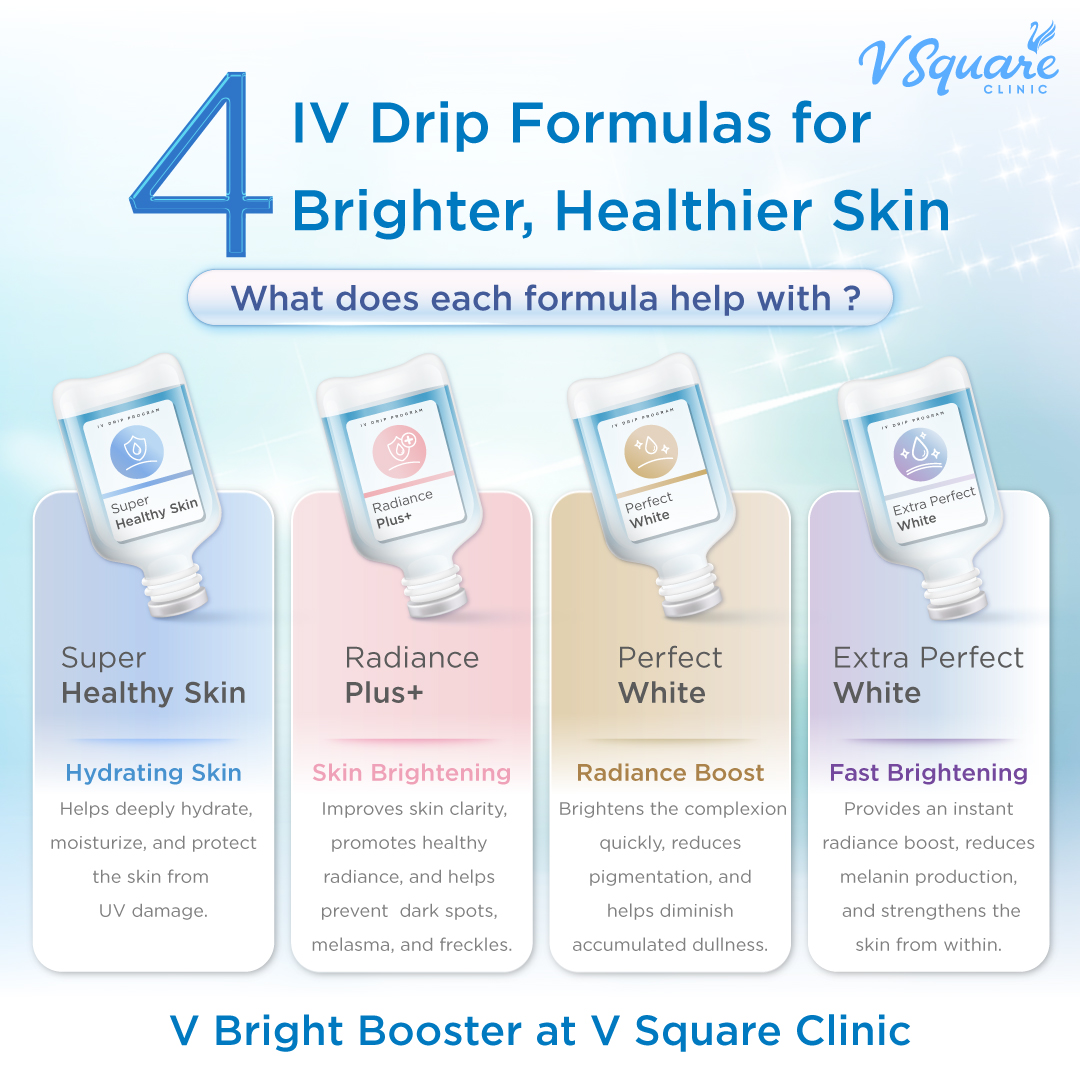
Examples of IV Vitamin Drip formulas at V Square Clinic
For patients who want to relieve dehydrated skin, brighten the complexion, and improve overall skin health, our V Bright Booster IV Drip program offers four specialized formulas. You may inbox us for more details or to book an appointment.
2. Skin Booster Filler — Instant Hydration for Dewy, Radiant Skin
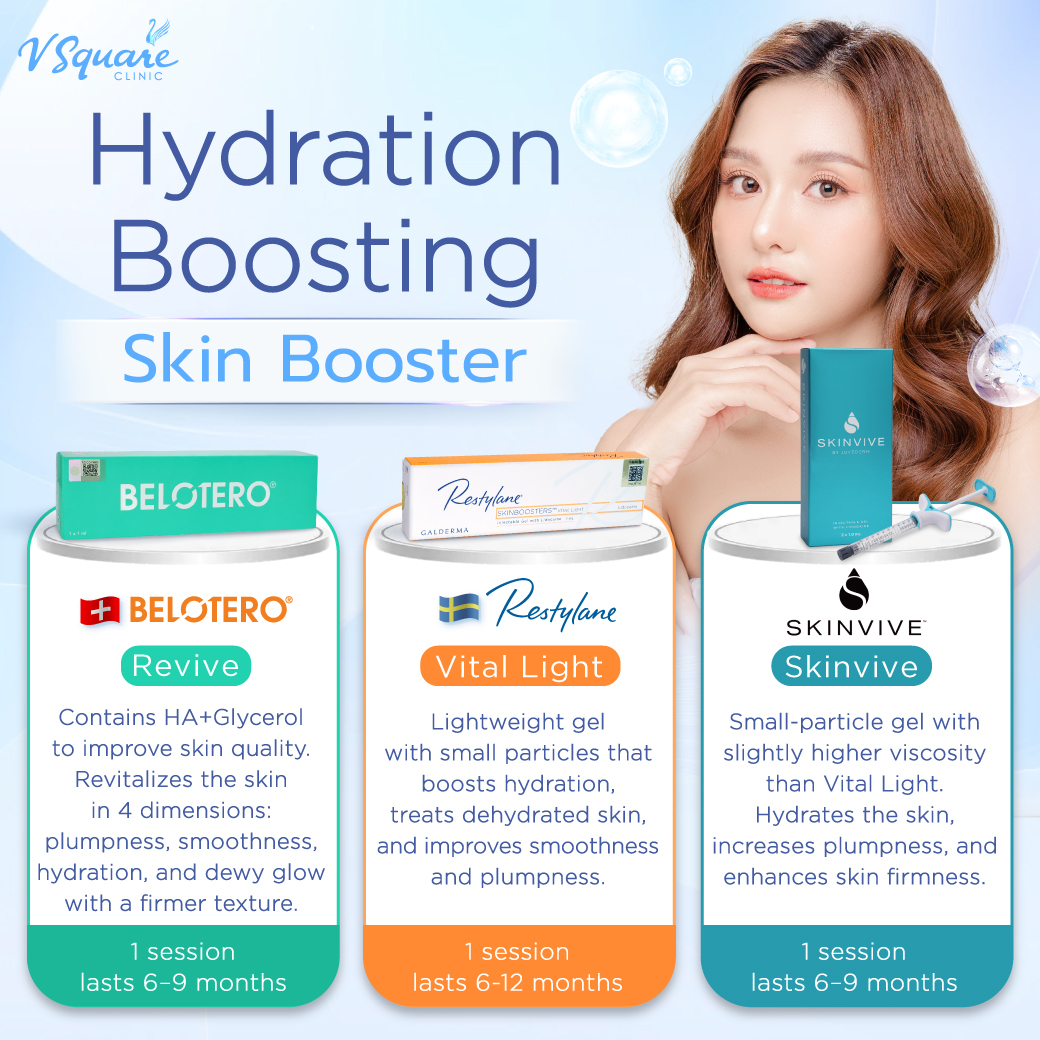
Hyaluronic Acid (HA), the main component of fillers, has an exceptional ability to retain moisture. For skin-conditioning filler injections, fillers with a soft, fine gel texture and small molecular size are used.
These formulas help boost skin hydration, revitalize dry and rough skin, and create a dewy, luminous appearance. They can also soften shallow acne scars and fine lines, giving the skin a smooth, refined look. Popular options include Belotero Revive, Restylane Vital Light, and Skinvive.
- Key Components: Crosslinked HA (Belotero Revive also contains Glycerol)
- Mechanism: Rapid hydration boost to enhance elasticity, plumpness, and smoothness
- Results: Immediate improvement; optimal results at 2 weeks
- Longevity: 6–12 months, depending on brand and formulation
- Price: 13,000–14,000 THB per CC
3. Mesotherapy — Dewy Glow Injection for Dehydrated Skin
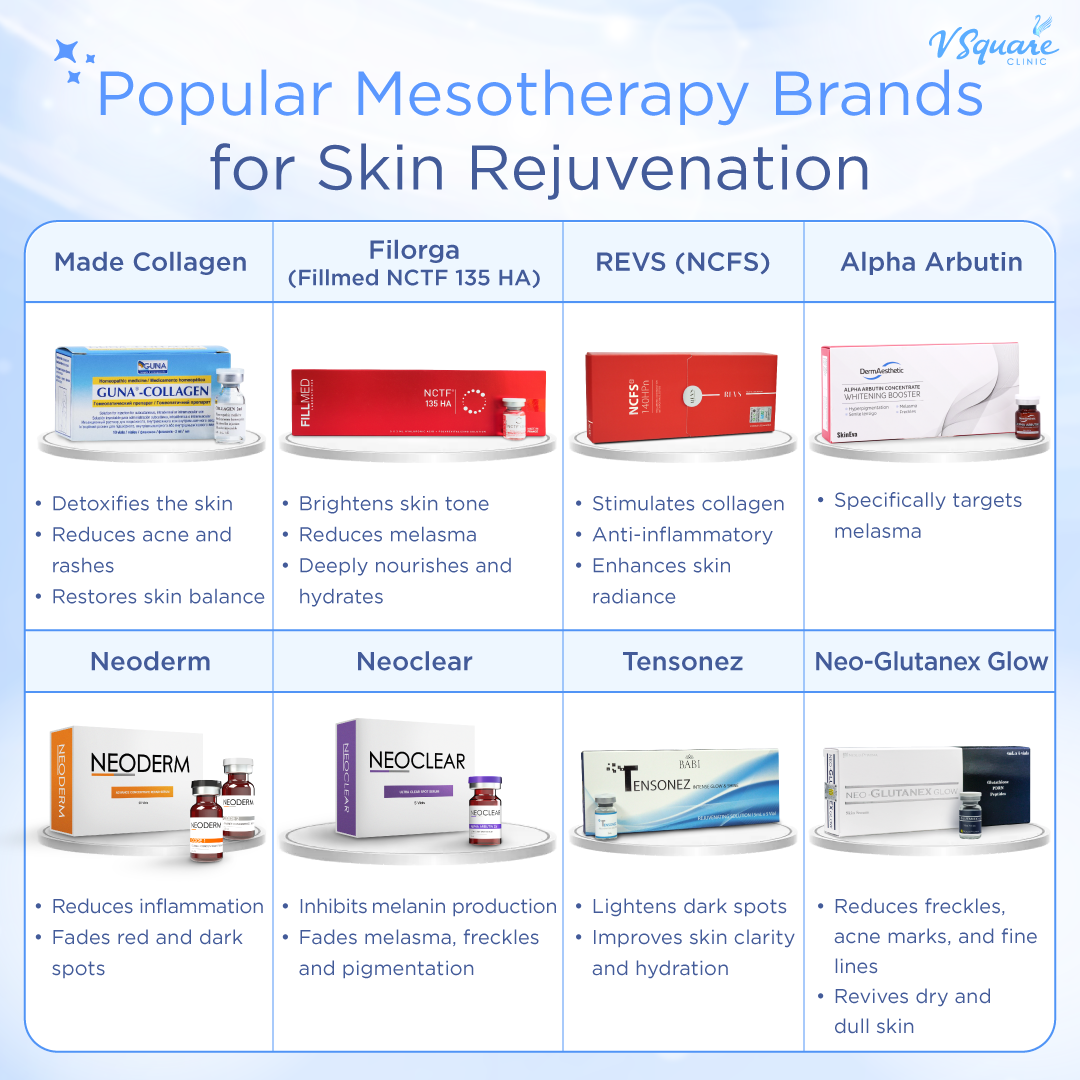
Mesotherapy injections deliver vitamins and essential nutrients directly into the dermis, providing much faster results than topical skincare. This treatment is popular for patients with dehydrated or dull skin who want a dewy, radiant glow. Commonly used formulas such as Filorga and REVS contain HA as a key ingredient to deeply replenish moisture.
- Key Components: Vitamins, antioxidants, and skin-essential nutrients such as HA, collagen, and PN
- Mechanism: Delivers nutrients directly into the dermis — the skin layer rich in collagen, hyaluronic acid, and elastin.
- Results: Visible improvement within 3 days; clearer results in 14 days
- Longevity: Lasts about 1 month with continuous treatment
- Price: 2,500–9,000 THB per session, depending on the brand
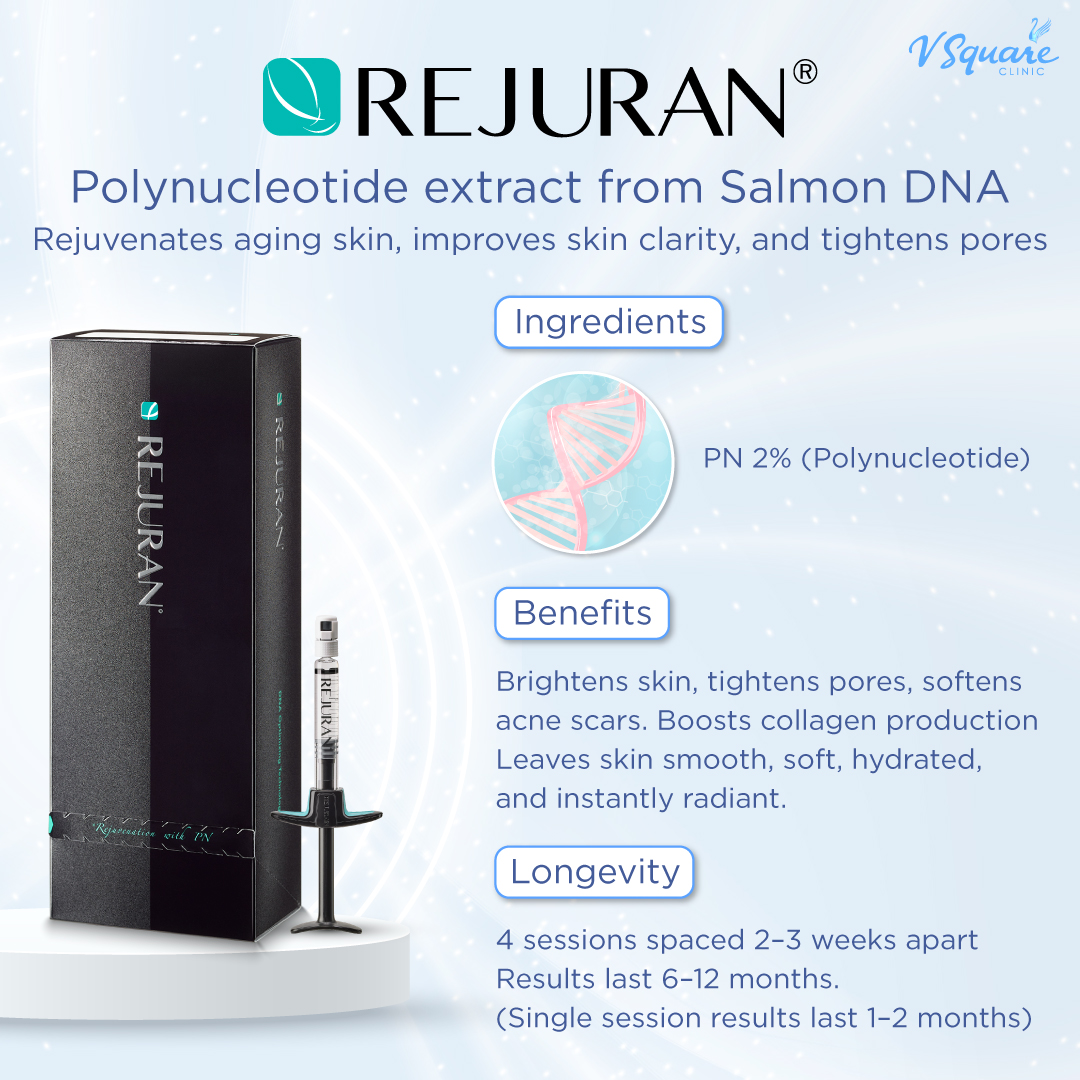
4. Rejuran — Restores Dehydrated, Rough Skin
Rejuran is a highly popular Skin Booster known for repairing dehydrated, rough, and tired-looking skin. It helps restore hydration, smoothness, and clarity — creating a glass skin effect.
Using PN (Polynucleotide), which is highly compatible with human cells, Rejuran accelerates skin regeneration and repair. It addresses multiple concerns at once and delivers fast, visible results.
- Key Components: PN (Polynucleotide) extracted from salmon DNA
- Mechanism: PN enhances cellular repair, reduces inflammation, improves microcirculation, and stimulates the release of growth factors
- Results: Improvements appear within 3–5 days; significant results at 4 weeks
- Longevity: 6–12 months with a recommended course of 4 sessions
- Price: 9,000–10,000 THB per syringe (2.7 CC)
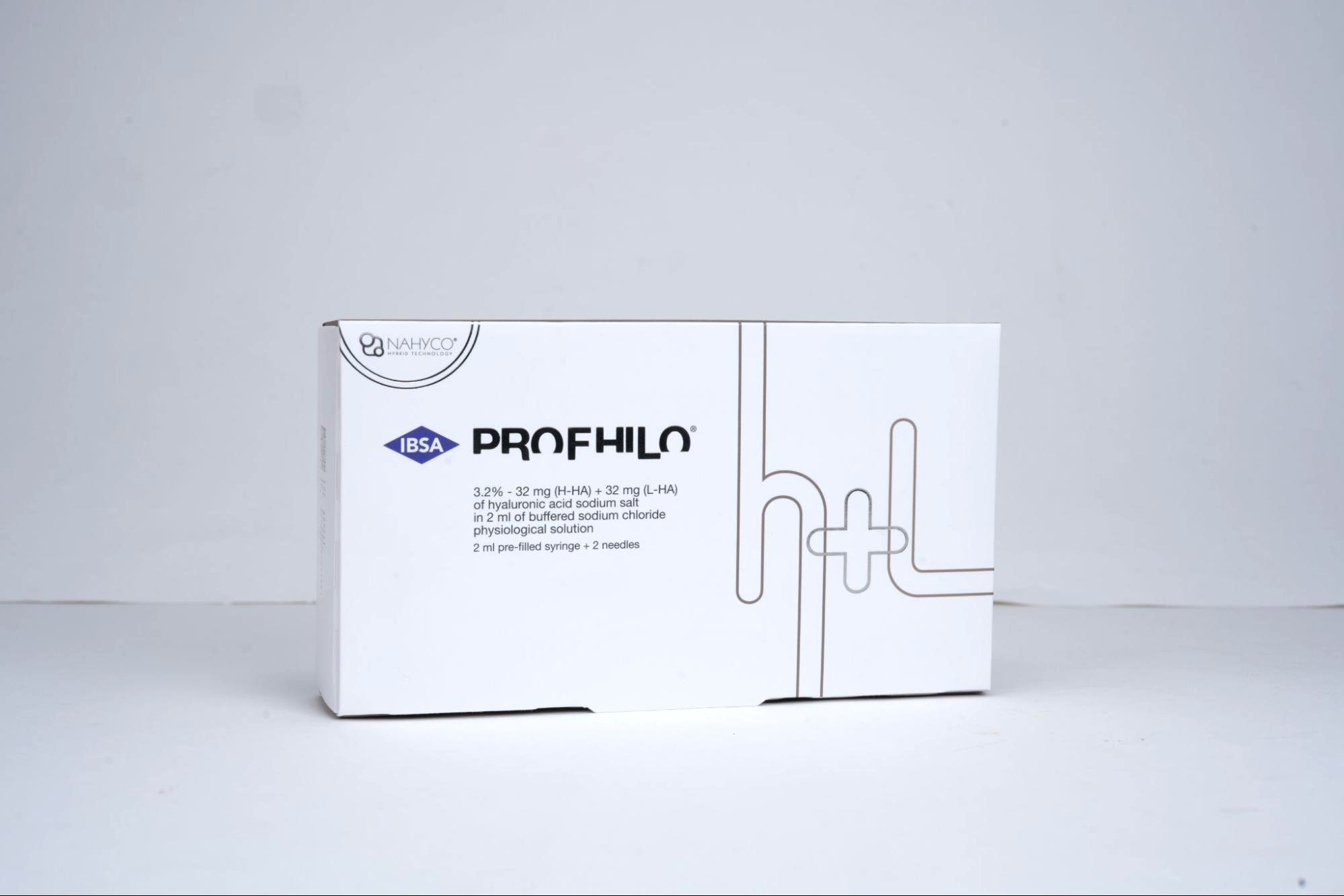
5. Profhilo — Enhances Moisture Retention and Deep Hydration
Profhilo uses a high concentration of HA to rejuvenate key cells within the skin’s structural layers. It improves the skin’s ability to retain water, reduces dryness and tightness, and stimulates collagen production. This results in plumper, smoother, and more radiant skin with reduced fine lines.
- Key Components: Non-crosslinked HA in HCC (Hybrid Cooperative Complex) form
- Mechanism: Activates essential skin cells — keratinocytes in the epidermis, fibroblasts in the dermis, and adipocytes in the subcutaneous layer
- Results: Visible improvement within 7–14 days; full results in 1–2 months
- Longevity: 6–12 months when injected twice within 1 month
- Price: 20,000–30,000 THB per syringe
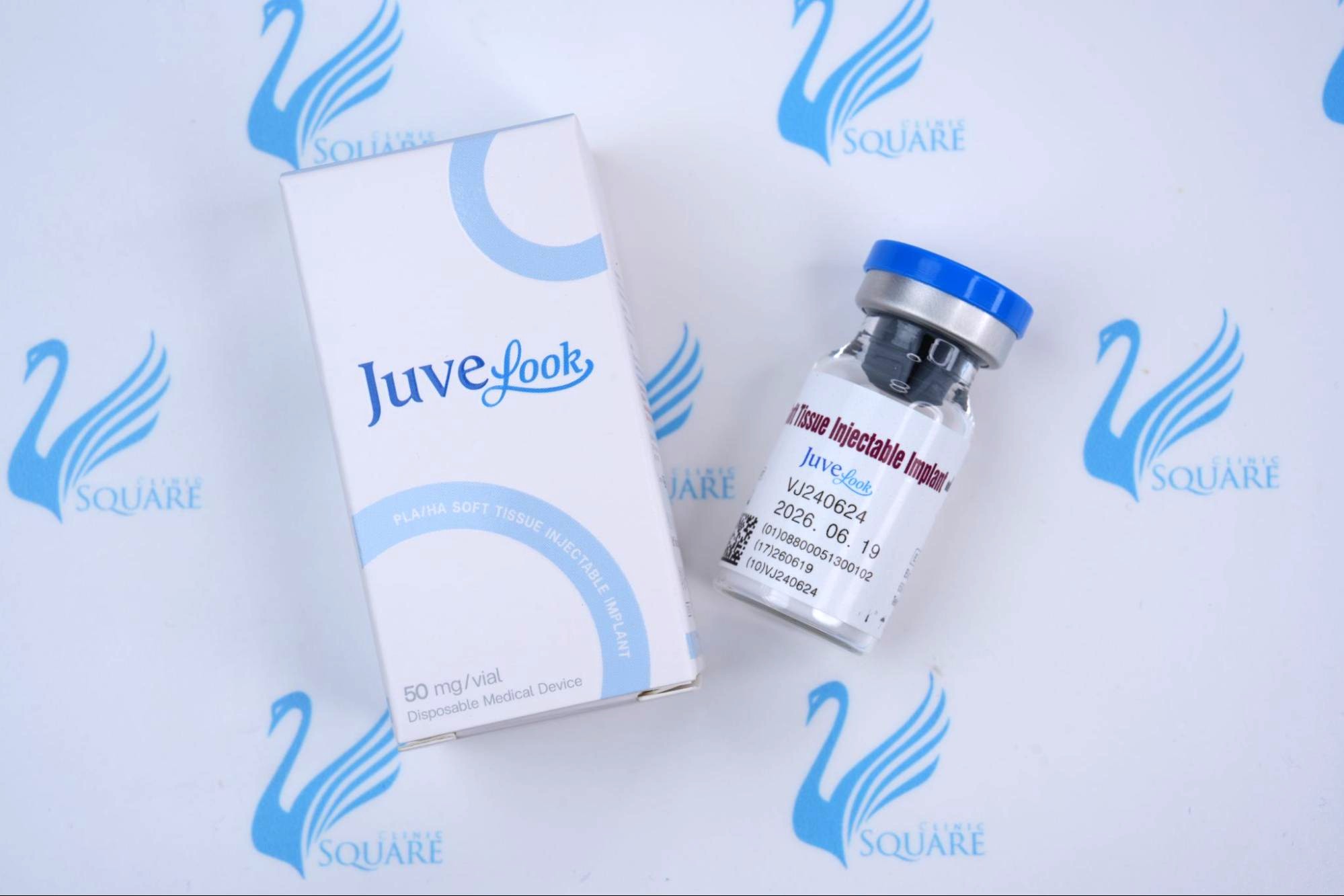
6. Juvelook — Deep Moisture and Long-Term Skin Rejuvenation
Juvelook is a hybrid biostimulator composed of PDLLA (Poly D, L-Lactic Acid) combined with non-crosslinked HA. It provides immediate hydration for dehydrated skin while stimulating long-term collagen production. It is commonly used for full-face rejuvenation or targeted concerns such as stretch marks, acne scars, or under-eye darkness.
- Key Components: PDLLA and non-crosslinked HA
- Mechanism: Instantly replenishes moisture and continues stimulating collagen production over time
- Results: Immediate hydration after injection; skin becomes firmer within 2–4 weeks as collagen builds, with optimal results at 3–6 months
- Longevity: Up to 1.5 years with continued treatment
- Price: 15,000 THB per vial (6 CC)
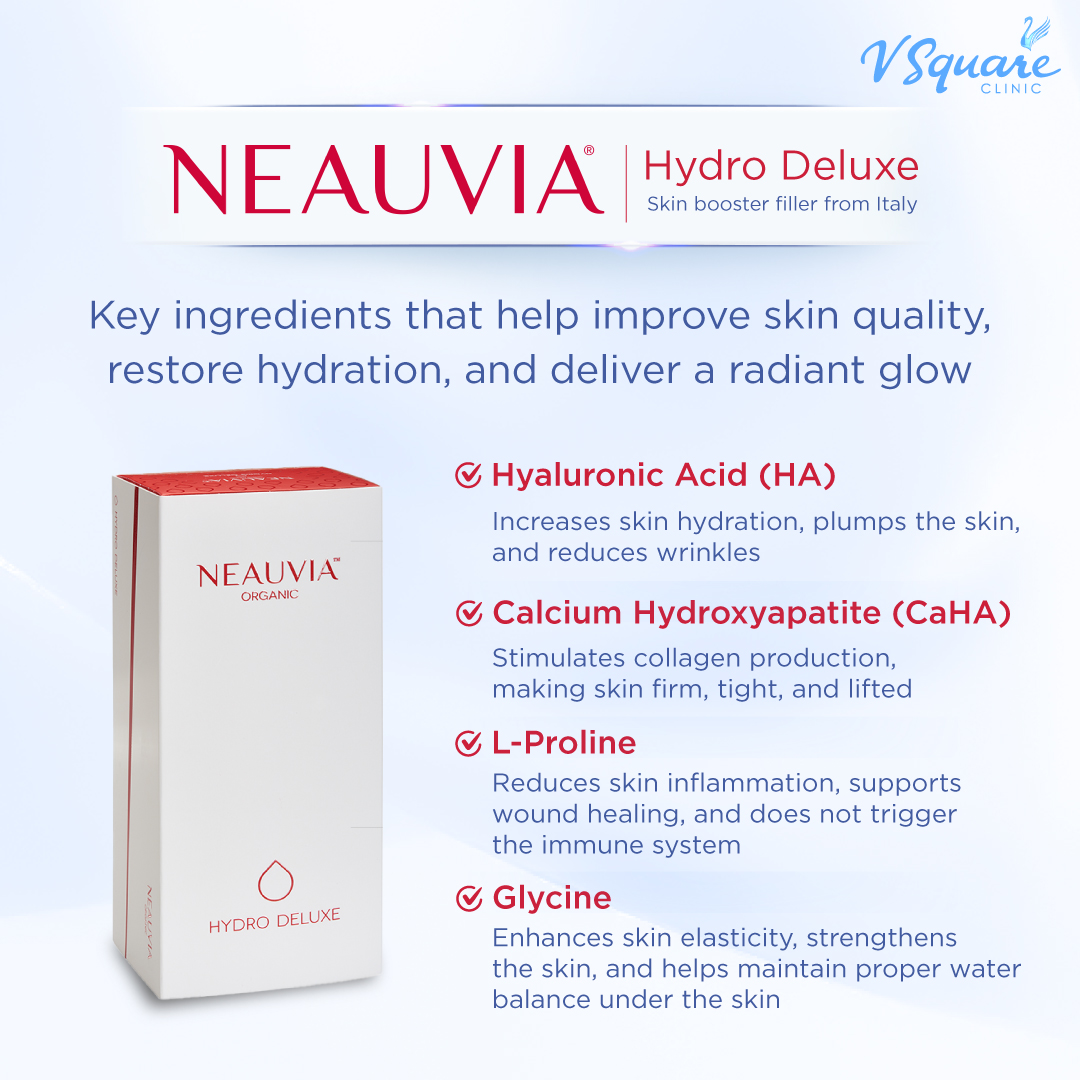
7. Neauvia Hydro Deluxe — For Dehydrated, Rough, and Dull Skin
Neauvia Hydro Deluxe is a hybrid between a skin-booster filler and a collagen biostimulator. It effectively improves dehydrated, rough, and dull skin while enhancing elasticity and smoothness. Its key ingredients include HA, collagen-stimulating CaHA, and amino acids such as L-Proline and Glycine, which help reduce post-injection swelling.
- Key Components: Non-crosslinked HA and CaHA
- Mechanism: Provides deep hydration and stimulates long-term collagen production
- Results: Immediate improvement; full results at 1–2 weeks
- Longevity: 6–9 months with a series of 4 sessions
- Price: 14,000–16,000 THB per syringe (2.5 CC)
How to Prevent Dehydrated Skin
Preventing dehydrated skin begins with proper self-care and can be supported by aesthetic treatments when needed. Key steps include:
- Drink enough water: Helps maintain fluid balance and reduce dehydration.
- Apply sunscreen daily: Protects the skin from UV damage that contributes to dryness, dullness, and skin aging. Many sunscreens also contain hydrating ingredients.
- Avoid overly hot showers: High temperatures strip natural oils; use lukewarm or room-temperature water instead.
- Use skincare and moisturizers consistently: Choose serums and moisturizers that focus on hydration and water retention.
- Eat skin-friendly foods: Omega-3–rich foods like salmon and nuts support the skin barrier, while water-rich fruits and vegetables — such as cucumbers, watermelon, and oranges — help hydrate from within.
- Get regular skin treatments: Procedures like meso skin boosters or IV drips strengthen the skin from within. For patients with loss of firmness or reduced collagen, collagen biostimulators or lifting devices may be appropriate.
Summary — Dehydrated Skin Is a Condition You Shouldn’t Ignore
Dehydrated skin can occur in all skin types, including oily and dry skin. If left untreated, it may lead to acne, fine lines, and premature skin aging. Basic care includes staying hydrated, cleansing properly, and using skincare that boosts moisture.
For faster and more noticeable improvement, in-clinic treatments such as skin-booster fillers, meso injections, Profhilo, or Rejuran can help restore hydration, strengthen the skin, and enhance overall skin health.
At V Square Clinic, our experienced doctors provide personalized consultations and recommend safe, effective treatment plans to address dehydrated skin and achieve clear, healthy, and well-hydrated skin.
Interested in treating dehydrated skin at V Square Clinic?
Click to view the latest promotions for all treatments.


สำหรับผู้อ่านทุกท่านที่มีข้อสงสัยเพิ่มเติม ทีมแพทย์ V Square Clinic ทุกคนยินดีให้คำปรึกษาฟรี โดยไม่มีค่าใช้จ่าย หรือสามารถปรึกษาหมอทาง inbox facebook หรือ Line นี้ได้เลยครับ หมอตอบเองครับ

Best Ways to Tighten Enlarged Pores for Smoother Skin — Which Treatment Should You Choose?
Reading Time: 14 minutesEnlarged pores can make the skin appear uneven and affect overall confidence. Today, there are many ways to tighten pores — from skincare ingredients and topical treatments to medical-grade procedures.
Vitamin B Complex — A Complete Boost for Energy, Health, ...
Reading Time: 9 minutesมีคนอ่านบทความนี้แล้ว : 16 วันที่อัพเดตล่าสุด : 6 February 2026 Understanding Vitamin B Complex Vitamin B Complex is a key component in dietary supplements and vitamin drip programs because these nutrients play essential roles throughout the body. They support immune function, digestion, and the nervous system, and they also promote healthier skin, hair, and nails. This article […]
What is Seborrheic Keratosis? Is it Dangerous? A Complete...
Reading Time: 5 minutesSeborrheic keratosis is a common condition among adults and older individuals. Although it is a benign skin issue, many people choose to treat it because it can cause discomfort or affect confidence in daily life.

How Many Pico Laser Types Are There? Models, Modes, and K...
Reading Time: 9 minutesMany people may not realize that “Pico Laser” is not a single machine — but a category of laser technologies available in various types, models, and brands. These include PicoSure, PicoSure Pro, PicoPlus, Enlighten, PicoWay, and Discovery Pico, each designed to address different skin concerns.

What Is Yag Reju Laser Rejuvenation? Benefits, Suitabilit...
Reading Time: 11 minutesYag Reju Laser Rejuvenation is a treatment designed to improve underarm skin quality. It helps reduce keratosis pilaris–like bumps, smooth uneven texture, and stimulate collagen production. For individuals who feel self-conscious about rough or uneven underarm skin

8 Methods to Boost Facial Collagen — Restore Youthful Ski...
Reading Time: 8 minutesStimulating facial collagen is all about rejuvenating your skin from within. Each treatment encourages the natural production of new collagen fibers, gradually leaving your complexion smoother, firmer, and more youthful.