
What Is Collagen?
Collagen is a vital structural component that plays a key role in maintaining healthy skin and overall body function. When the body produces less collagen, it can lead to visible signs such as dry skin, acne, wrinkles, and skin sagging — all indicators of collagen deficiency.
In this article, we’ll take a closer look at what collagen is, why it’s essential, habits that can reduce collagen production, and what happens when your collagen levels drop. We’ll also share practical ways to help preserve your body’s natural collagen for healthier, more youthful-looking skin.
Table of content : Collagen
What Is Collagen and Why Is It Important?
Collagen is the most abundant protein in the human body, accounting for about 30% of all body proteins. It acts like a natural adhesive, holding tissues and structures together. Collagen is primarily found in connective tissues such as bones, cartilage, tendons, muscles, blood vessels, nails, and hair — and most notably in the skin, where it makes up as much as 75% of its structure.
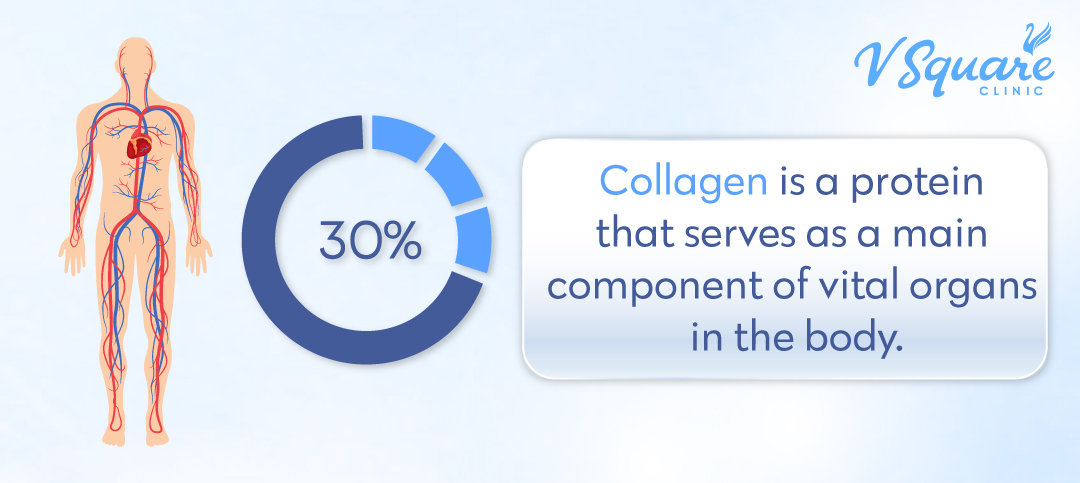
Collagen also plays a vital role in various cellular processes, including tissue repair, immune response, cellular communication, and cell migration.
Properties of Collagen
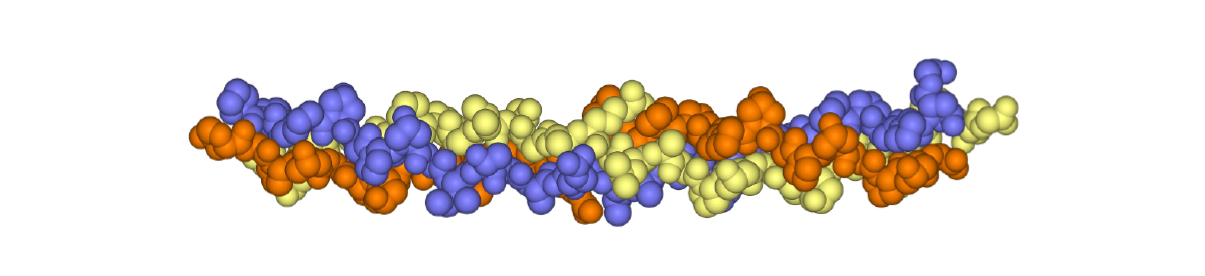
Due to its triple-helix fiber structure made up of tightly connected molecular chains, collagen possesses exceptional strength, durability, and elasticity — much like a natural spring. These properties help the skin regain firmness, smoothness, and hydration, giving it a healthy, plump, and youthful appearance.
What Are the Benefits of Collagen?
Collagen offers a wide range of health and beauty benefits because it is one of the most essential proteins in the human body. It supports overall wellness — from skin vitality and bone strength to healthy joints, hair, and nails. In addition, collagen has been shown to help relieve joint pain in older adults and promote faster wound healing.

What Does Collagen Do?
Skin Health
- Strengthens the skin and improves elasticity.
- Reduces wrinkles, making the skin firmer and more lifted.
- Increases skin hydration, reducing dryness and rough texture.
- Promotes cell turnover for smoother, brighter-looking skin.
Internal Health
- Supports a stronger immune system.
- Aids in blood clot formation, allowing proper coagulation.
Bone and Joint Health
- Helps build bones and cartilage.
- Strengthens bones and joints.
- Reduces the risk of osteoarthritis and osteoporosis.
Hair and Nail Health
- Promotes stronger nails and healthier hair growth.
How Is Collagen Used?
Today, collagen is available in several forms — oral supplements, topical products, and injectable treatments — each with different purposes and effectiveness.
1. Oral Collagen
Oral collagen is the most common and convenient form for improving overall skin and body health. It can be consumed through supplements or collagen-rich foods, helping support natural collagen levels in the body. However, results typically require consistent, long-term use before visible improvements appear.
2. Topical Collagen
Topical collagen is found in skincare products such as creams, lotions, soaps, cosmetics, and facial masks. Because collagen molecules are relatively large, they are not easily absorbed through the skin. Therefore, topical collagen mainly helps moisturize the surface rather than significantly reducing wrinkles or lifting sagging skin.
3. Injectable Collagen
Injectable collagen involves directly delivering collagen or active ingredients that stimulate collagen production into the skin layers. This method rejuvenates and restores the skin more effectively and provides faster results than oral or topical collagen.
One popular treatment is Made Collagen, an injectable mesotherapy solution from Italy. It contains skin nutrients and essential minerals that help revitalize skin cells and slow down collagen degradation, effectively restoring a healthy, youthful complexion.
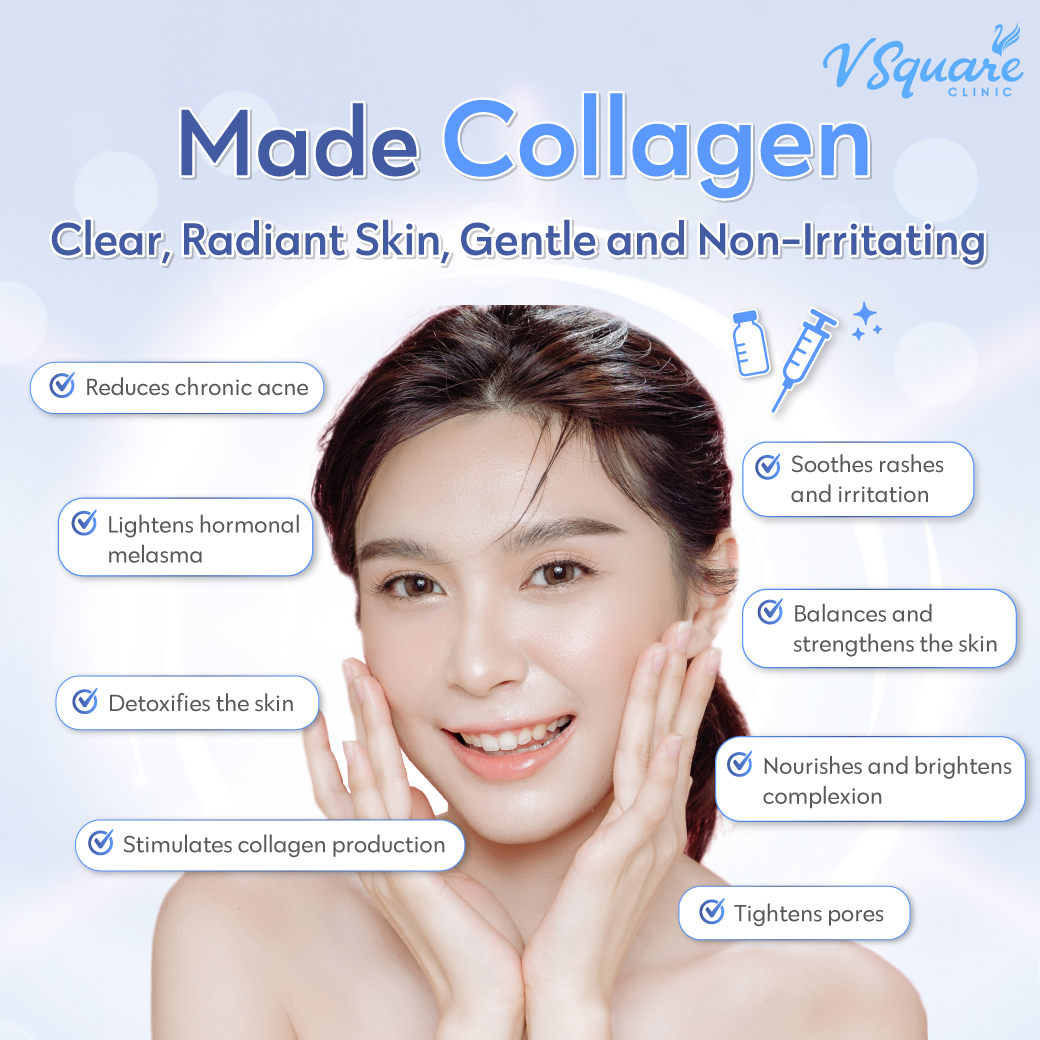
The key benefit of Made Collagen is its ability to detoxify the skin — reducing acne, rashes, and inflammation while strengthening the skin barrier with continued treatment.
- Mesotherapy involves injecting vitamins, essential nutrients, and minerals directly into the skin. It helps moisturize, deeply nourish, and rebalance the skin for a healthy complexion.
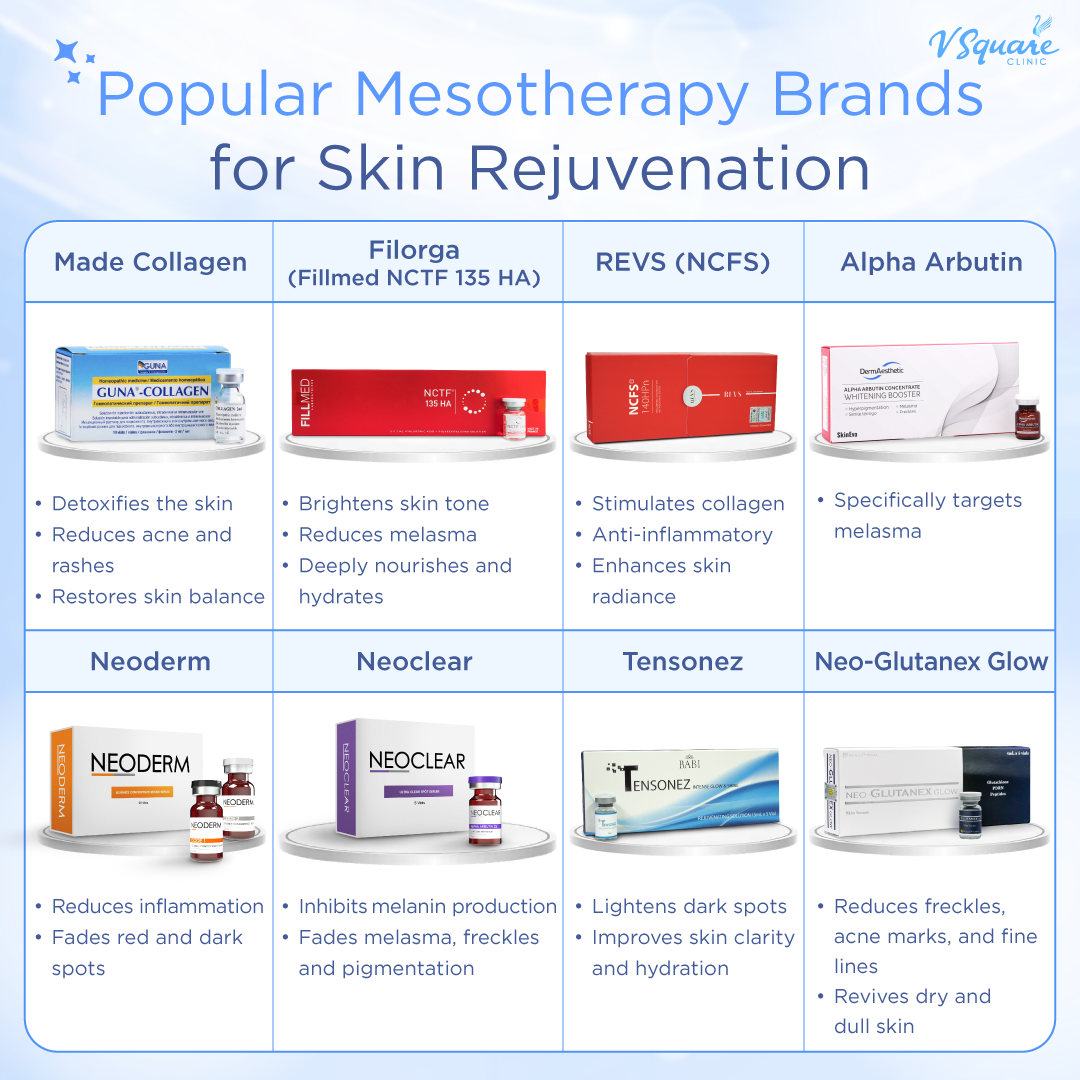
Today, mesotherapy solutions — such as Meso Bright Skin — come in many formulas. Choosing the right brand or formula depends on each person’s specific skin concerns and desired results.
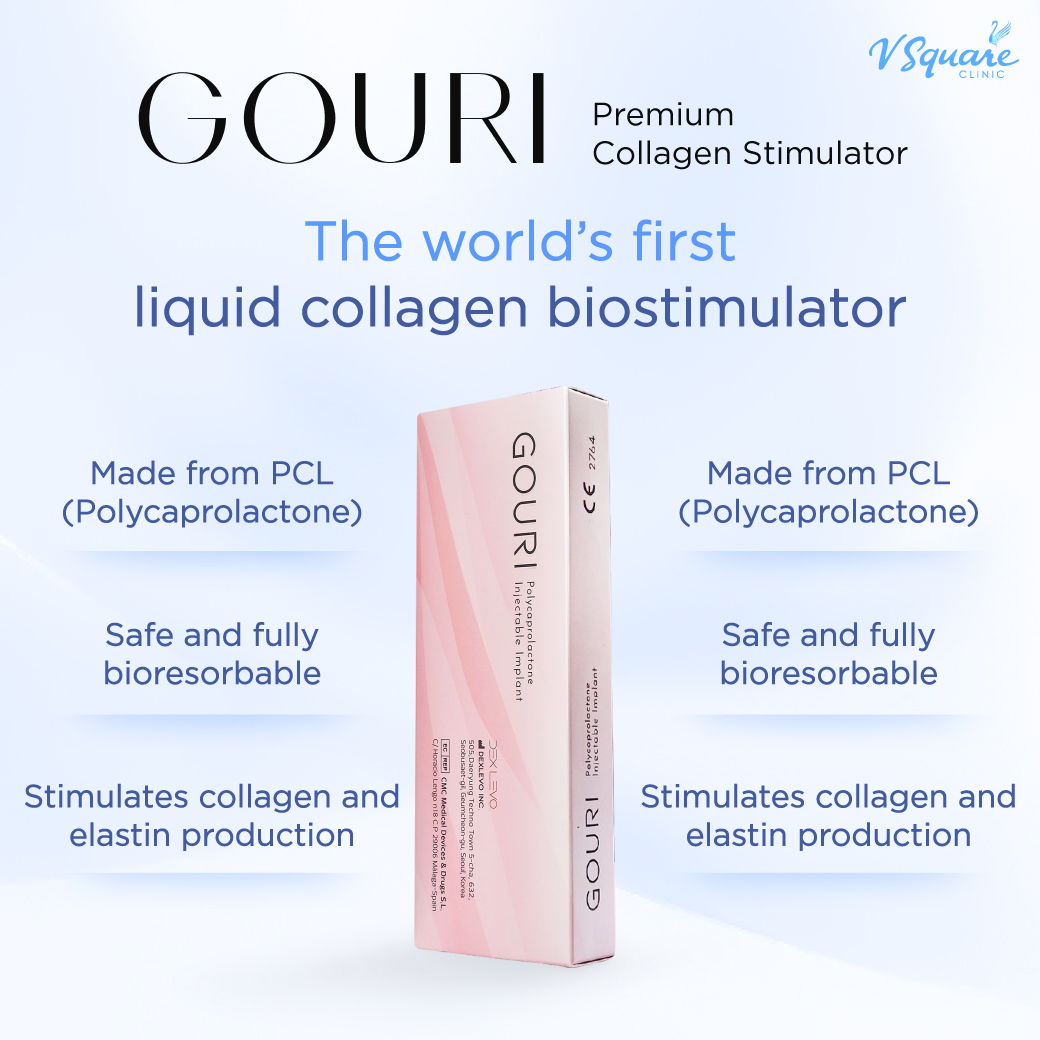
- Gouri is the world’s first liquid PCL (Polycaprolactone) collagen stimulator. Developed from collagen thread-lifting technology, it comes in an injectable form that is safer and fully absorbable. Once injected, it helps hydrate the skin, repair cells, and boost collagen production, making the skin firmer and tighter.
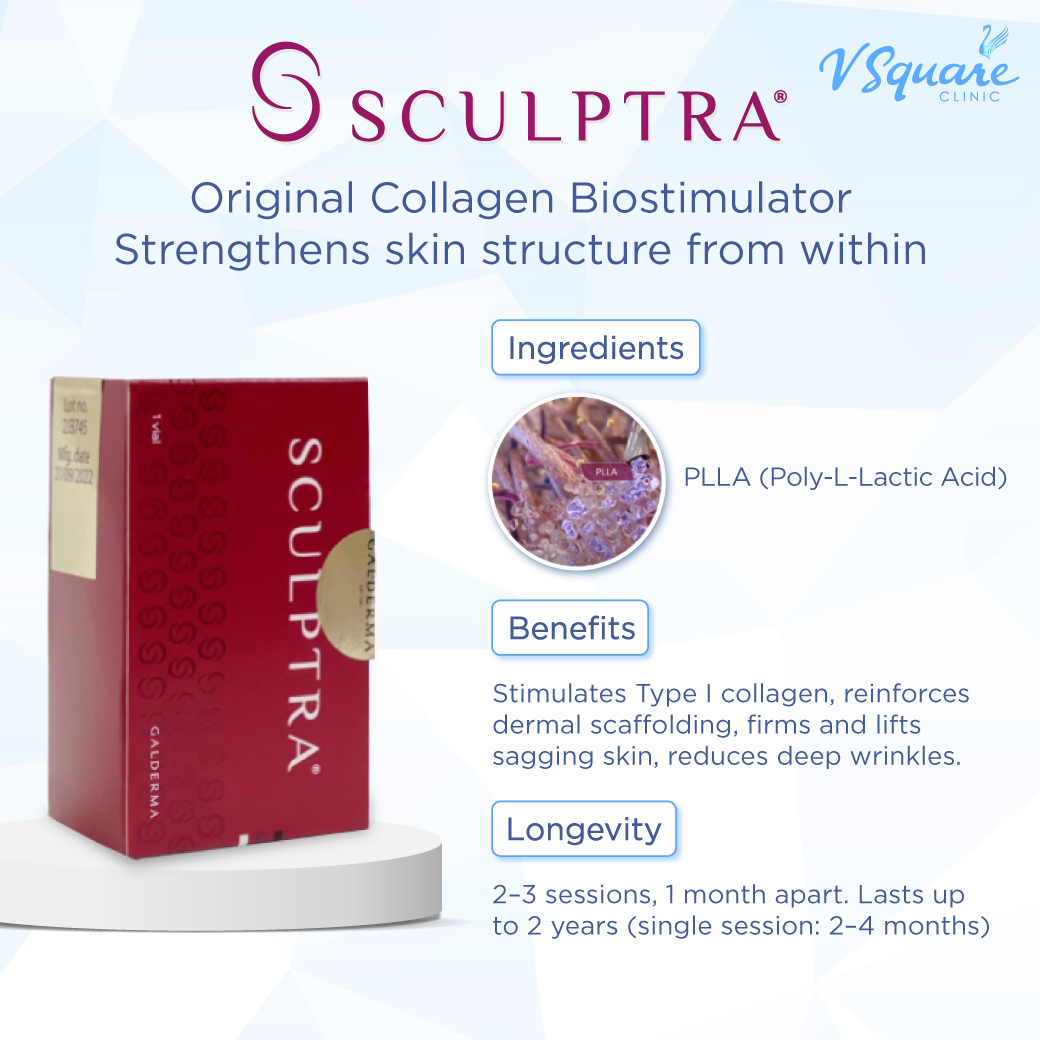
- Sculptra is an innovative skin rejuvenation treatment made from PLLA (Poly-L-Lactic Acid) — a biocompatible synthetic substance that stimulates the skin’s natural collagen production. When injected, it helps boost Type I collagen by up to 66.5%, effectively replenishing the collagen lost with age. The result is firmer, smoother, and more radiant skin that looks naturally revitalized.
- Exosome is a complex of over 1,000 bioactive molecules essential for skin health — including growth factors, peptides, amino acids, coenzymes, hyaluronic acid, and various proteins. It rejuvenates the skin by stimulating fibroblast cells to produce new collagen and elastin, helping the skin look firmer, smoother, and more youthful.
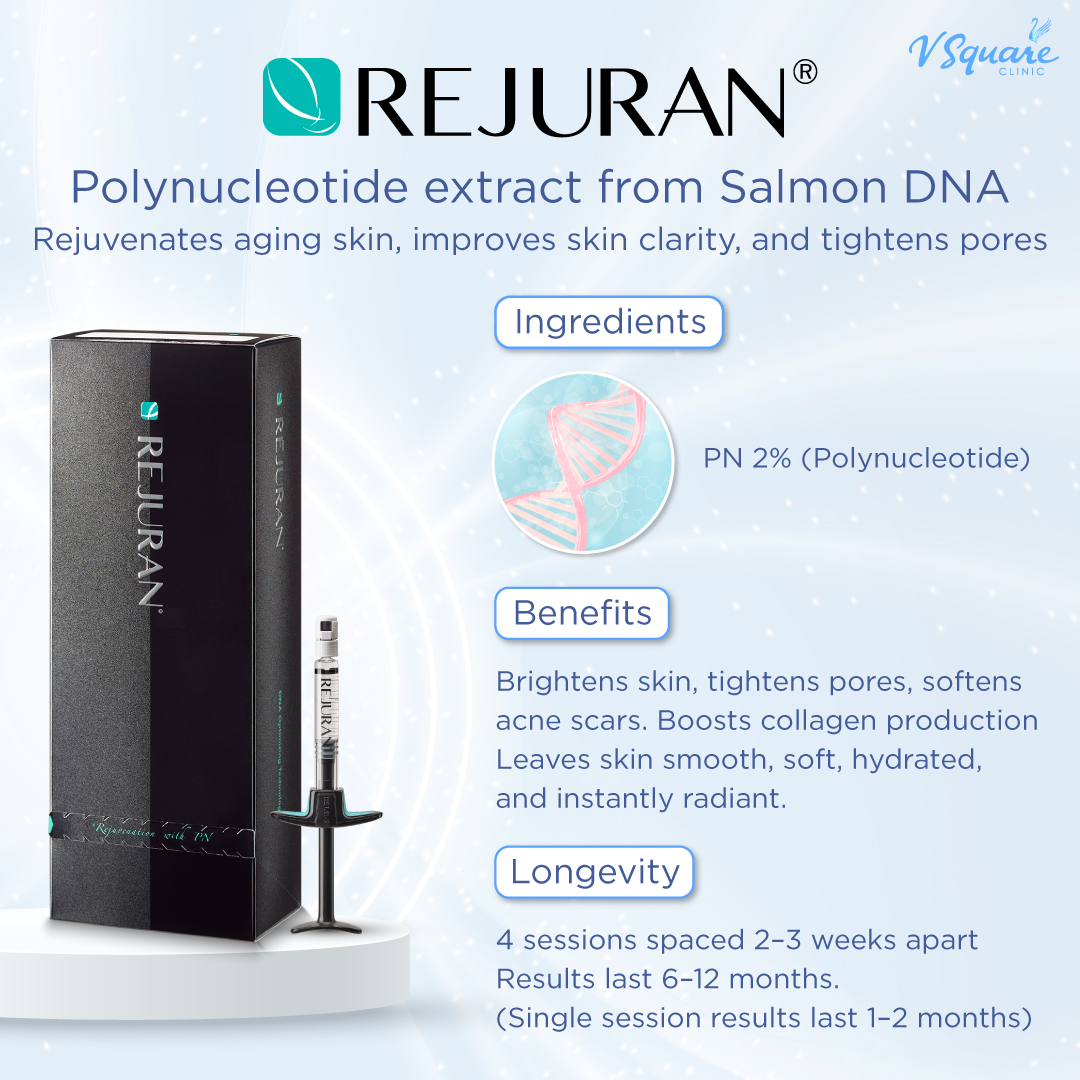
- Rejuran is an advanced skin-healing treatment that uses 2% Polynucleotide (PN) extracted from salmon DNA fragments. It helps improve skin elasticity, stimulate collagen regeneration, and strengthen the skin barrier, while also reducing inflammation and scarring. Fine lines become smoother, and the skin appears more hydrated and radiant.
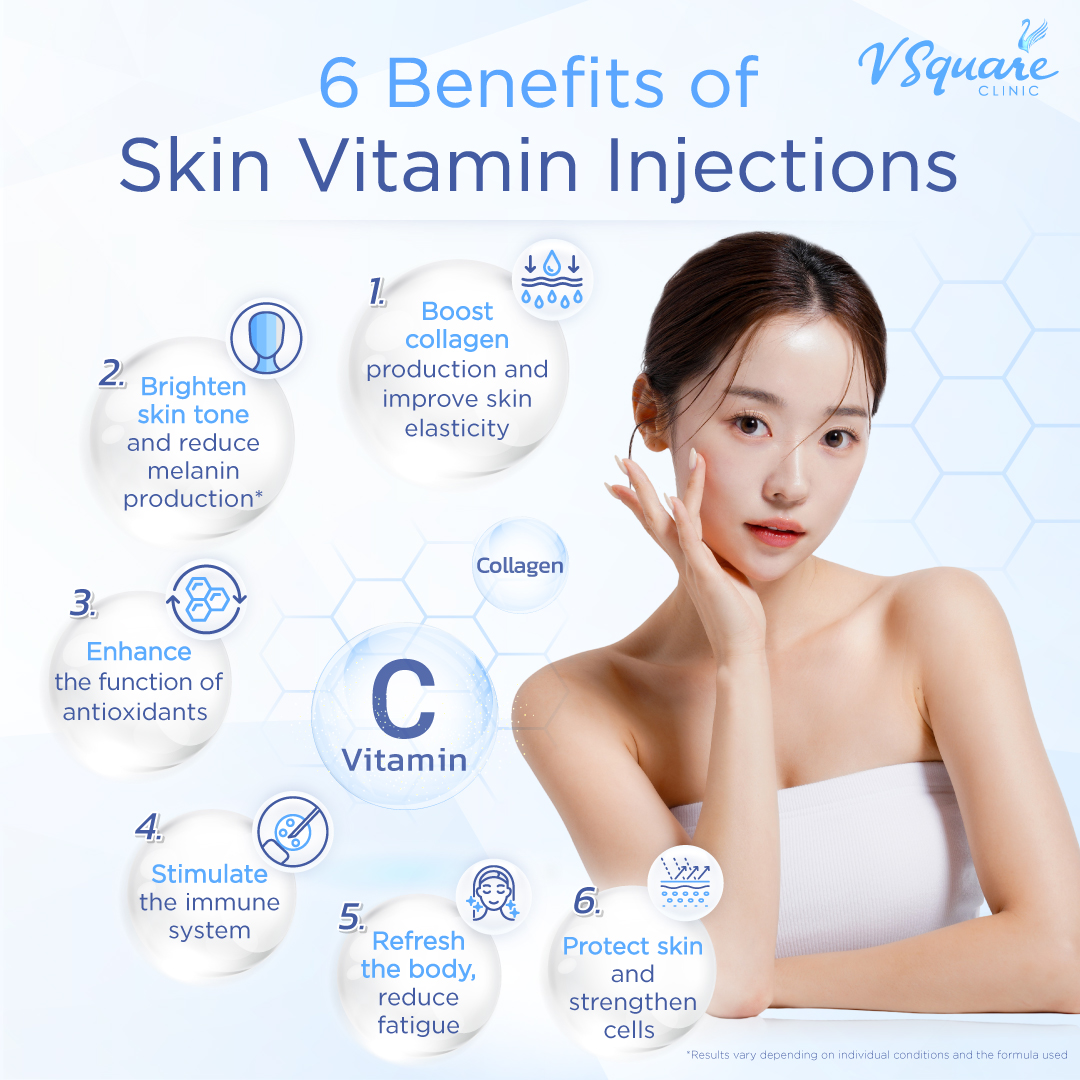
- IV vitamin therapy (skin vitamin injection) involves delivering a blend of skin-nourishing vitamins directly into the skin or through an intravenous (IV) drip.
The key active ingredient is Vitamin C (Ascorbic Acid), which helps strengthen the immune system, acts as a powerful antioxidant, and supports collagen production. This process helps repair tissues, revitalize dull skin, and promote a healthy, radiant complexion from within.
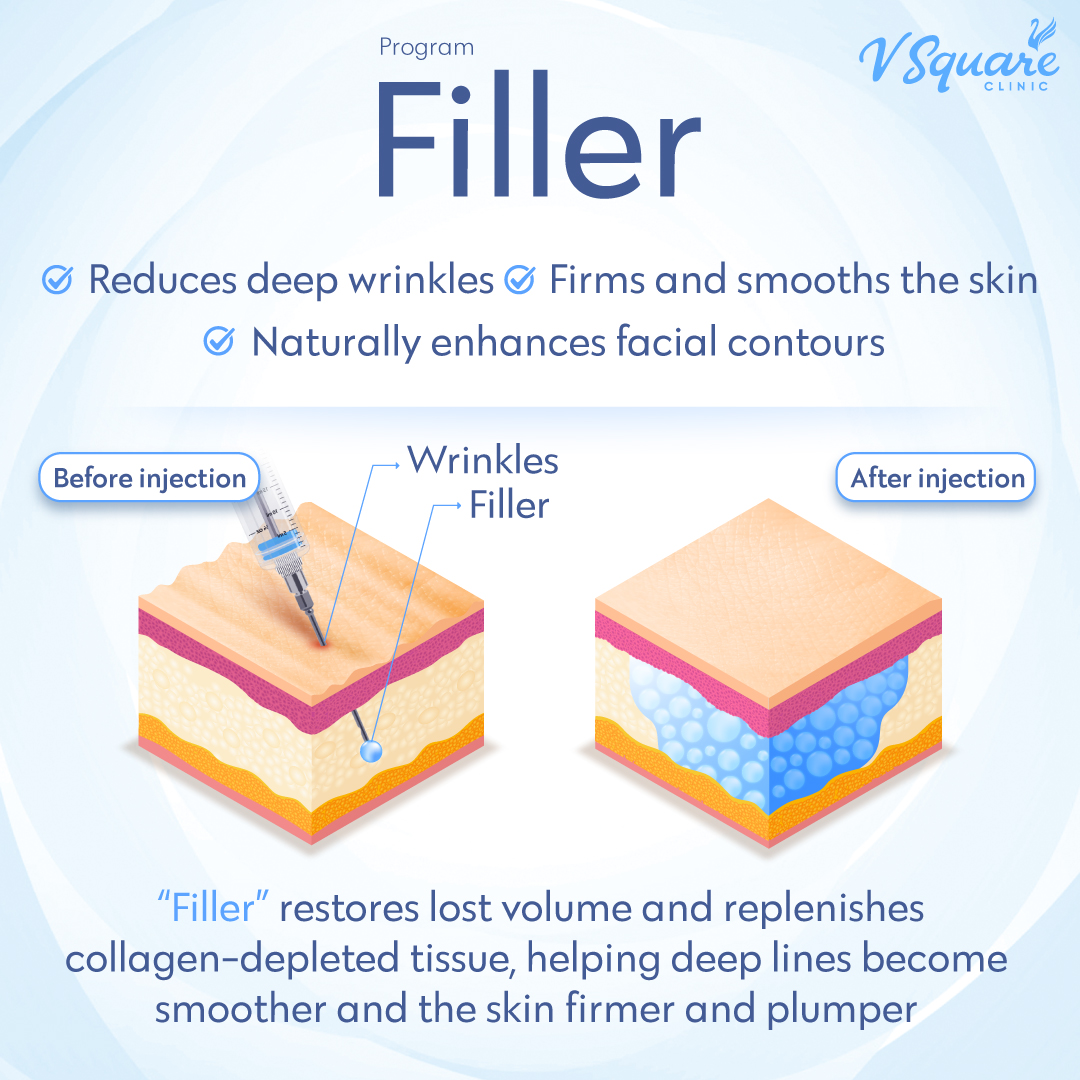
- Filler injection involves administering Hyaluronic Acid (HA) — a naturally occurring substance known for its excellent water-retaining properties — beneath the skin. When injected as a skin booster, it helps the skin retain moisture, improve elasticity, and stimulate collagen production, resulting in a hydrated, plump, and healthy-looking complexion. Popular skin booster filler brands include Revolax, Juvederm Volite, and Radiesse Filler.
Interested in facial rejuvenation to boost collagen and elastin at V Square Clinic ?
Check the latest promotions below.

Types of Collagen
Collagen exists in several types, each with different levels of strength and elasticity depending on its mineral composition. It can be classified into five main types as follows:
Collagen Type I – The most abundant type in the body, forming the structural framework for skin, blood vessels, and tendons. It provides tensile strength and elasticity, helping tissues maintain shape and prevent tearing. In the skin, Type I collagen keeps it smooth, firm, and supple.
Collagen Type II – Found primarily in cartilage, such as the ears, ribs, and airways. It supports joint movement, absorbs shock, and provides flexibility and cushioning to prevent injury.
Collagen Type III – Usually found together with Type I, this type is present in skin, muscles, and blood vessels, helping maintain structural integrity and elasticity.
Collagen Type IV – A unique collagen found in the basement membrane of various organs and connective tissues surrounding muscles and fat. It helps with nutrient exchange between tissue layers and supports nerve and vascular function.
Collagen Type V – Found in cell linings, such as the cornea, and works with other collagens in skin, hair, and nails. It also plays a role in embryonic and placental tissue, ensuring organized cell structure and the proper growth of collagen fibers in the skin.
Structure of Collagen
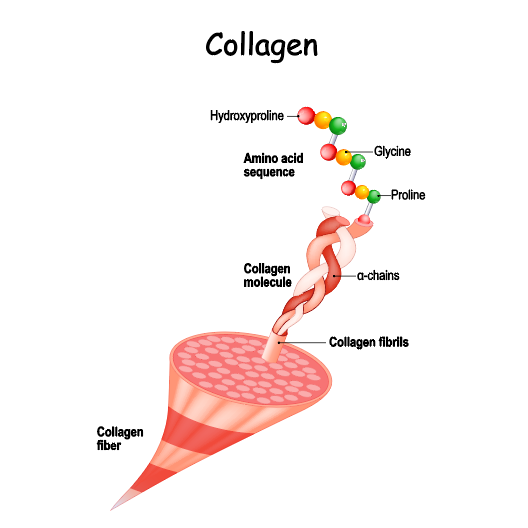
Collagen is a connective tissue protein composed of three intertwined chains forming a triple helix structure. Each chain, called an alpha chain (α-chain), consists of specific amino acids — glycine, proline, and hydroxyproline — which give collagen its stability, strength, and flexibility.
Are There Any Side Effects or Precautions for Collagen?
Collagen is generally safe when used correctly and in appropriate amounts. For dietary supplements, it’s recommended to take no more than 10 grams per day for a duration of up to 5 months. For topical collagen, choose products that are FDA-approved and suitable for your skin type to help prevent irritation or allergic reactions.
What Is Collagen Made From?
Collagen is a natural protein found in animals and is a major part of the skin, tendons, blood vessels, and connective tissues. It is most abundant in meat products such as pork, pig skin, and bone broth. Today, plant-derived collagen is also extracted for use in supplements and cosmetics, catering to those who prefer non-animal sources.
Who Should Avoid Taking Collagen?
While collagen supplements offer many benefits, certain groups should exercise caution, particularly:
- Individuals with food allergies, especially to seafood, fish, eggs, or chicken.
- Those with a history of protein allergy.
- People with chronic illnesses such as kidney disease, kidney stones, thyroid disorders, heart disease, or cancer.
- Those awaiting surgery.
If you plan to take collagen supplements, it’s best to consult a doctor beforehand to ensure safety.
How to Choose the Right Collagen Brand
When deciding which collagen supplement to take, the best choice depends on your goals and budget.
Consider the following factors before making a decision:
- Type of collagen: Different forms — such as hydrolyzed collagen, tripeptide collagen, and Type II collagen — each have distinct properties.
- Form of collagen: Collagen is available in powder, tablet, and capsule forms. Choose one that fits your lifestyle.
- Additional ingredients: Some products include Vitamin C, antioxidants, or natural extracts to enhance collagen absorption and effectiveness.
Tips:
- Consult a specialist or pharmacist if you’re unsure which collagen type suits you.
- Read reviews and compare brands before purchasing.
- Start with a small dose to monitor tolerance.
- Take collagen regularly, along with a healthy lifestyle — eat nutritious food, exercise, and get enough rest.
Foods That Help Boost Collagen Production
Certain foods can naturally enhance the body’s ability to produce collagen, including:
- Meat and seafood: Chicken, beef, pork, pig skin, bone broth, fish, and shrimp — rich in protein and amino acids essential for collagen synthesis.
- Green vegetables and citrus fruits: Such as oranges, kiwis, strawberries, blueberries, and cranberries — high in Vitamin C and antioxidants that support collagen formation and prevent its breakdown.
- Egg whites, beans, and dairy products: Excellent sources of protein and amino acids, helping the body strengthen collagen structure and maintain healthy skin.

Habits That Reduce Collagen in the Body
Aside from the natural decline that comes with aging, certain lifestyle habits can also accelerate the loss of collagen in the body, such as:
- Smoking: Cigarettes contain numerous harmful chemicals that stimulate enzymes responsible for breaking down collagen, reducing the body’s ability to produce new collagen.
- Alcohol consumption: Alcohol causes dehydration and reduces skin moisture, leading to the breakdown of collagen and elastin.
- High sugar intake: Excess sugar binds to proteins in a process called glycation, which damages collagen and elastin, resulting in sagging and wrinkles.
- Sun exposure: UV rays penetrate deep into the dermis — where collagen and elastin are located — and destroy these fibers over time, especially without proper sun protection.
- Stress: When under stress, the body releases cortisol, a hormone that breaks down collagen in the skin, causing dryness, dullness, and a lack of radiance.
What Happens When Collagen Levels Decrease?
What Happens When Collagen Levels Decrease?
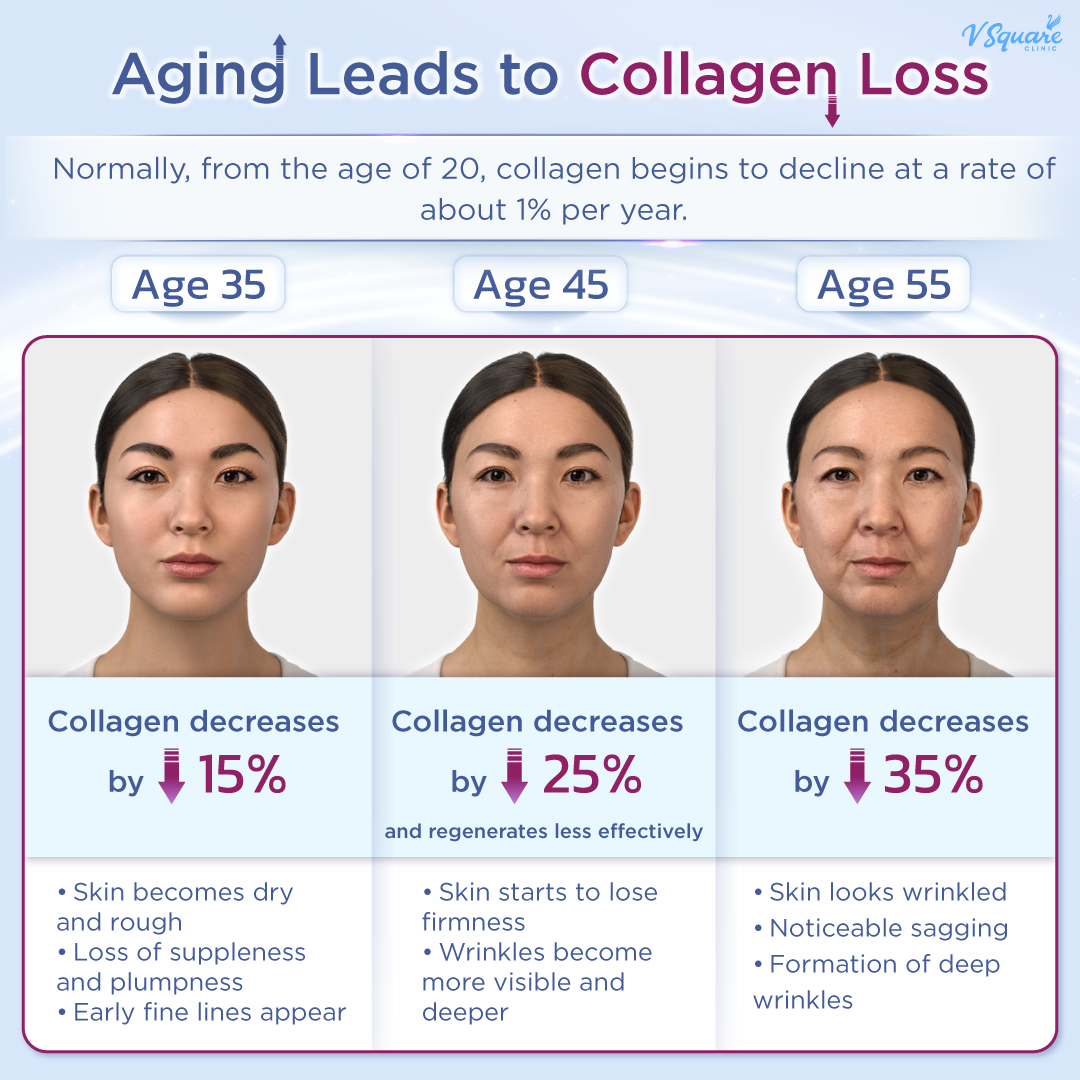
When collagen levels in the body decline, several visible changes can occur in the skin, such as:
- Sagging skin and wrinkles: Collagen loss is the main cause of wrinkles and fine lines. As elasticity decreases, the skin becomes thinner, looser, and more prone to deep creases.
- Dry and dull skin: Lower collagen levels reduce the skin’s ability to retain moisture, resulting in dryness and a dull, tired appearance.
- Sensitive and weakened skin: Collagen strengthens the skin’s structure. When it decreases, the skin barrier weakens — leading to irritation, acne, rashes, and a tired-looking complexion.
- Dark spots, freckles, and melasma: Collagen loss makes the skin thinner and more fragile, increasing susceptibility to pigmentation problems.
- Slower skin regeneration: Collagen supports new skin cell formation. When levels drop, this process slows down, causing the skin to lose its natural radiance and hydration.
How to Prevent Collagen Loss in the Body
You can maintain healthy collagen levels through simple lifestyle adjustments: get enough rest, manage stress, avoid smoking and alcohol, and eat protein-rich foods naturally high in collagen. Combining these habits with collagen supplementation, topical collagen skincare, or injectable collagen treatments can help slow down and prevent collagen loss effectively.
Q&A – Common Questions About Collagen
Can I take collagen every day?
Yes. Taking collagen daily is generally safe if you use a high-quality supplement in the proper dosage and form, and you’re not part of a risk group that should avoid it.
Does collagen make the skin whiter?
Collagen’s main role is to repair and strengthen the skin, enhancing elasticity, firmness, and hydration, which can make the complexion look more radiant and healthy. However, collagen itself does not directly lighten skin tone. Some supplements include additional ingredients like Vitamin C, glutathione substitutes (antioxidants), grape seed extract, or pine bark extract, which may help reduce pigmentation and brighten the skin.
What are the benefits of Collagen Type II?
As explained earlier, Collagen Type II primarily supports cartilage by strengthening joints, reducing cartilage degeneration, and relieving pain or inflammation. It also helps stimulate new cartilage formation and improves joint flexibility. For skin rejuvenation, the key types are Type I — responsible for elasticity and wrinkle reduction — and Type III, which works alongside Type I to enhance firmness and flexibility.
Summary – Which Type of Collagen Is Best?
Collagen is the most abundant protein in the human body, vital for maintaining the strength and structure of the skin, bones, and joints. It keeps the skin firm, elastic, and youthful, while supporting bone and joint health and reducing the risk of osteoporosis in later years.
As we age, the body’s collagen production naturally declines — leading to dryness, wrinkles, and sagging skin. To counter this, collagen is now available in several forms — oral supplements, topical products, and injections — to restore and rejuvenate the skin and tissues. The best option depends on each person’s goals and treatment needs.
Reference
- https://www.ncbi.nlm.nih.gov/pmc/articles/PMC2846778/
- https://www.webmd.com/diet/collagen-health-benefits
- https://www.healthline.com/nutrition/collagen

สำหรับผู้อ่านทุกท่านที่มีข้อสงสัยเพิ่มเติม ทีมแพทย์ V Square Clinic ทุกคนยินดีให้คำปรึกษาฟรี โดยไม่มีค่าใช้จ่าย หรือสามารถปรึกษาหมอทาง inbox facebook หรือ Line นี้ได้เลยครับ หมอตอบเองครับ

Bellalux Lite — A Gentle Skin Treatment to Reduce Inflammation, Freckles, and Dark Spots Without ...
Reading Time: 6 minutesBellalux Lite is one of the most popular LED light therapy innovations in the field of dermatology and aesthetics. Backed by scientific research and proven safety standards, this advanced technology offers an effective, non-invasive solution to enhance skin health and overall wellness.

How Is e.p.t.q. Filler Different from Other Brands? How M...
Reading Time: 11 minutese.p.t.q. filler (often pronounced “Epitique”) is a Korean filler available in various aesthetic clinics. If you’ve been exploring filler options, you may have already come across this name. While its price is generally lower than that of many European or American fillers
Calf Botox Injection — Slimmer Legs Without Surgery: Who ...
Reading Time: 8 minutes“Calf Botox injection” is one of the most effective non-surgical methods for reducing calf size and contouring slimmer, more proportionate legs. Many people struggle with large or bulky calves that look firm or uneven compared to the rest of their body.

What Is Laser? How Many Types Are There and What Can It B...
Reading Time: 7 minutesMany people have probably heard the term “laser” often in the medical and aesthetic fields, but do you know what it actually is? In fact, laser refers to a special type of light that has unique properties, making it different from the ordinary light we see every day.

What Causes Dry Lips? Understanding the Causes, Symptoms,...
Reading Time: 13 minutesDry or chapped lips are a common problem that many people experience, especially in dry weather or when the body is dehydrated. However, if dry lips occur frequently or don’t improve even after applying lip balm, it may signal an underlying issue that needs attention.