
Everything you should know before getting melasma laser treatment
Melasma laser is one of the most popular treatments today because it delivers faster results compared to many other methods. It is especially suitable for those who have tried different treatments without seeing improvement. This article explains in detail how melasma laser helps fade dark spots and pigmentation, what types of melasma lasers are available and how they differ, and the costs involved. This information will help you make an informed decision before choosing laser treatment for melasma.
Table of content : Melasma Laser
What is Melasma laser?
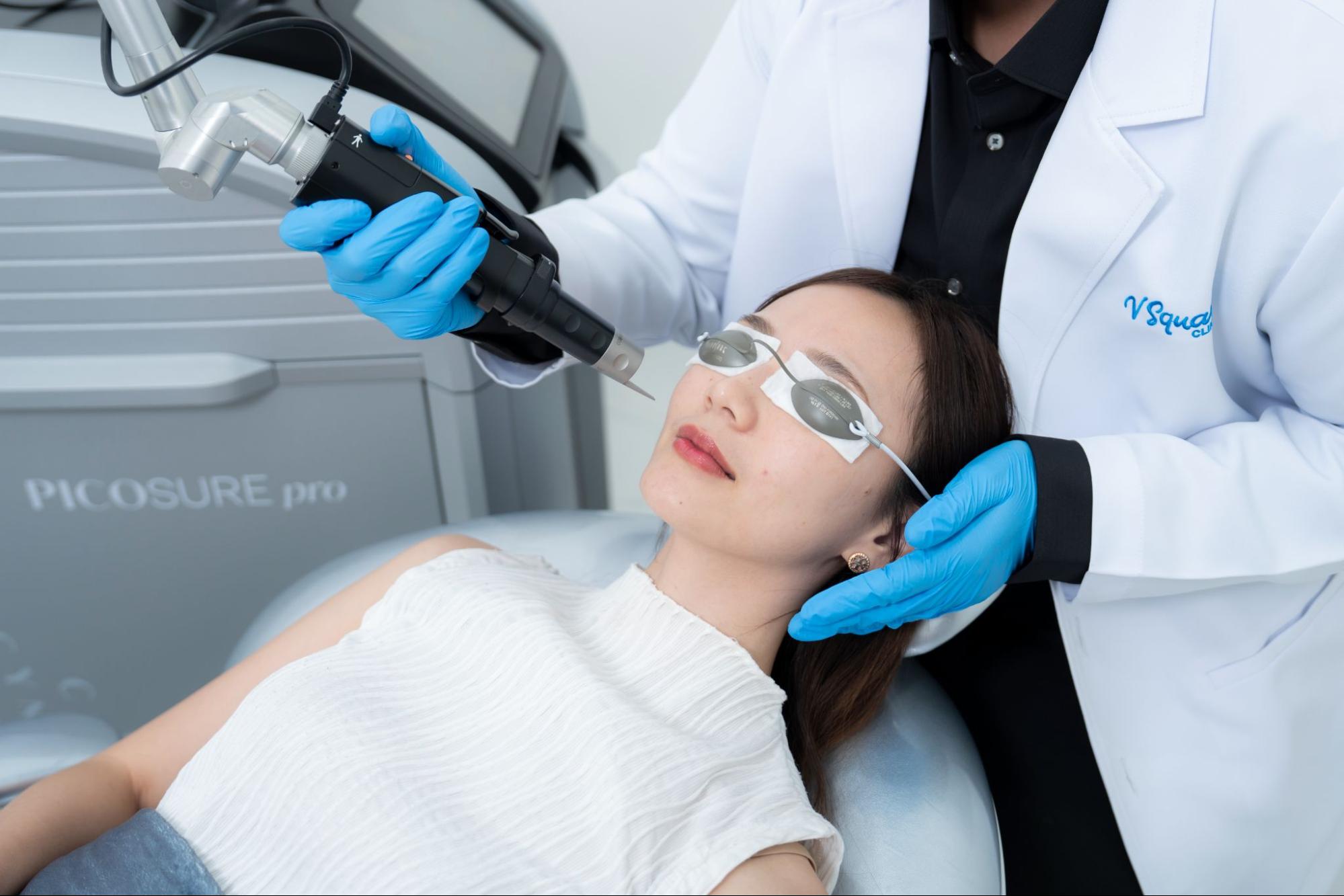
Melasma laser is a treatment that uses laser technology to target areas affected by melasma, freckles, or dark spots. The laser energy penetrates the skin and breaks down clusters of abnormal melanin (pigment) into smaller particles without damaging the surrounding tissue. This process helps melasma fade, reduces hyperpigmentation, and promotes a smoother, more even skin tone.
How many types of melasma are there, and which respond best to Melasma laser?
Melasma is a skin condition caused by abnormal pigment activity, where the skin produces too much melanin. This appears as dark patches on the skin. The most common triggers include sun exposure, hormones, and genetics.
Melasma can be categorized into two main types:
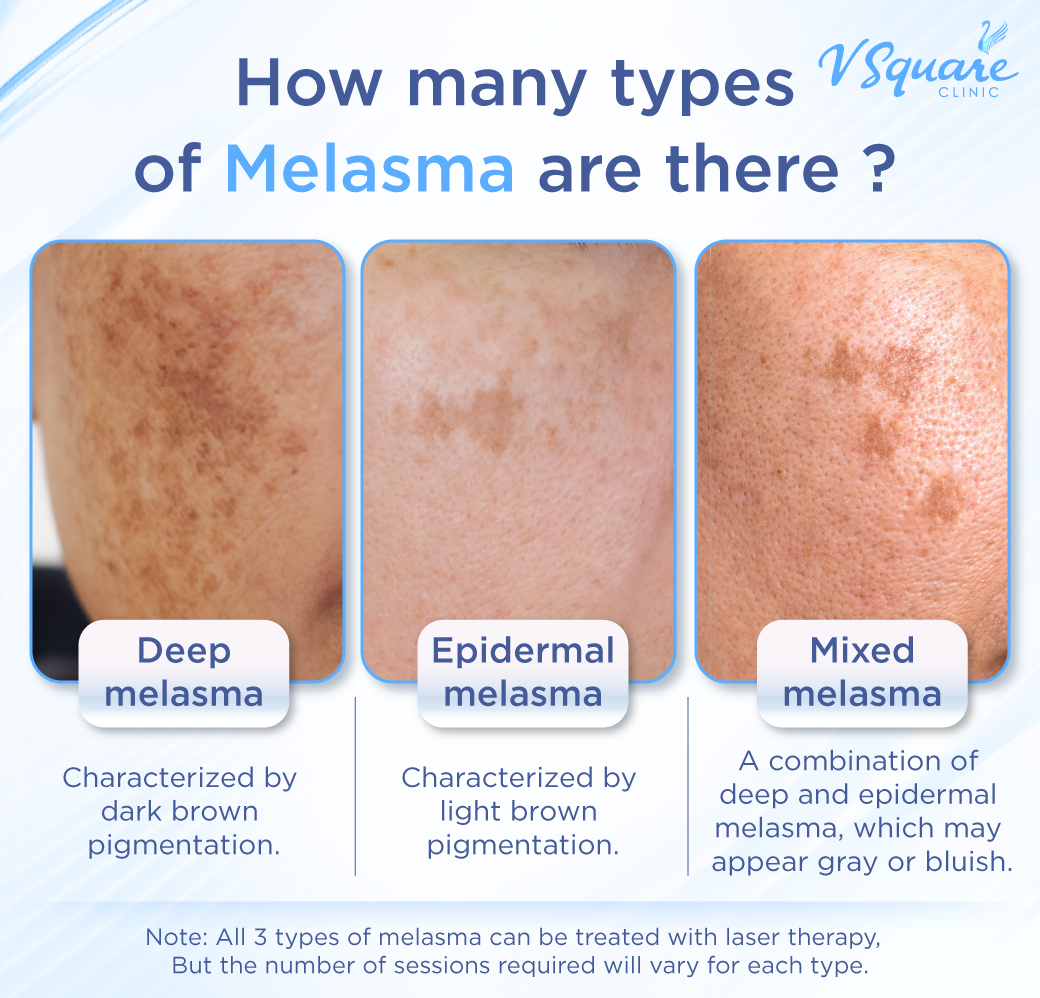
- Epidermal Melasma: Found in the epidermis (outer skin layer), this type appears as brown or dark patches with clearly defined edges. It occurs when pigment-producing cells create excessive melanin and transfer it to the surface.
- Dermal Melasma: Located deeper in the dermis (inner skin layer), this type appears lighter in color compared to epidermal melasma and has blurry or indistinct borders.
Some individuals may experience both forms, known as Mixed Melasma. Melasma laser treatment can effectively target all three types — epidermal, dermal, and mixed melasma.

Note: Apart from classifying melasma by its appearance, it can also be categorized based on the underlying cause. For example, sun-induced melasma develops from UV radiation, while vascular melasma is linked to abnormalities in small blood vessels.
Who is Melasma laser suitable for?
Melasma laser is a safe and effective procedure for those who want to reduce melasma and dark spots with visible results in a shorter time. It is especially recommended for individuals who have tried creams or other general treatments without success. Melasma laser is suitable for:
- Individuals with epidermal, dermal, or mixed melasma
- Those with chronic melasma that has not improved with other treatments
- People who want fast and precise results
- Individuals seeking overall skin rejuvenation and a smoother, more even complexion
- Those who can consistently follow post-treatment care, such as avoiding sun exposure and applying sunscreen regularly
Melasma laser vs. other treatments — which is the best option?
Apart from Melasma laser, there are several other treatment options available today, ranging from self-care approaches to professional aesthetic procedures. To give a clearer picture, the table below provides a direct comparison.
| Treatment Method | Melasma laser | Topical melasma treatment | Mesotherapy for melasma | Microdermabrasion |
|---|---|---|---|---|
| How it works | Uses laser energy to break down abnormal melanin clusters without damaging surrounding skin tissue | Uses active ingredients to inhibit melanin production and promote skin cell turnover | Injects active substances into the mid-dermis to suppress melanin production and even out skin tone | Uses fine crystal particles to exfoliate old skin cells and stimulate new regeneration |
| Best for | Epidermal, dermal, and mixed melasma | Mainly epidermal melasma | Mild to moderate melasma | Superficial melasma |
| Time to see results | Noticeable improvement from the first session; usually 3–5 sessions needed, depending on depth | Initial fading after 1–2 months; clearer results after ~6 months with continuous use | Visible improvement within 3 days; best results in about 1 month with ongoing sessions | Requires ~8–10 sessions for clearer results |
| Advantages | Fast, precise, and highly effective for stubborn melasma | Convenient and affordable | Quick results; multiple formulas available | Helps fade superficial melasma patches |
| Limitations | Multiple sessions required for optimal results | Works slowly; less effective for deep melasma; best combined with other methods | Requires repeated sessions to maintain results | Less effective for deep melasma since it only treats the outer skin layer |
| Price | Varies by laser type | Depends on product selection | Starts from approx. 2,xxx THB/session (varies by brand) | Starts from approx. 5,xxx THB/session |
Which melasma treatment is best? It depends on each person’s skin condition and goals. For those who want faster and more visible results, Melasma laser is often the most suitable option. Another advantage is that it can be combined with other treatments, such as mesotherapy or topical creams, to further enhance effectiveness and achieve clearer results in a shorter time.
How many types of Melasma laser are there?
There are several types of devices used in melasma laser treatment, each with different mechanisms and unique benefits. Today, the most commonly used and effective lasers for treating melasma include:
Melasma laser with Pico Laser
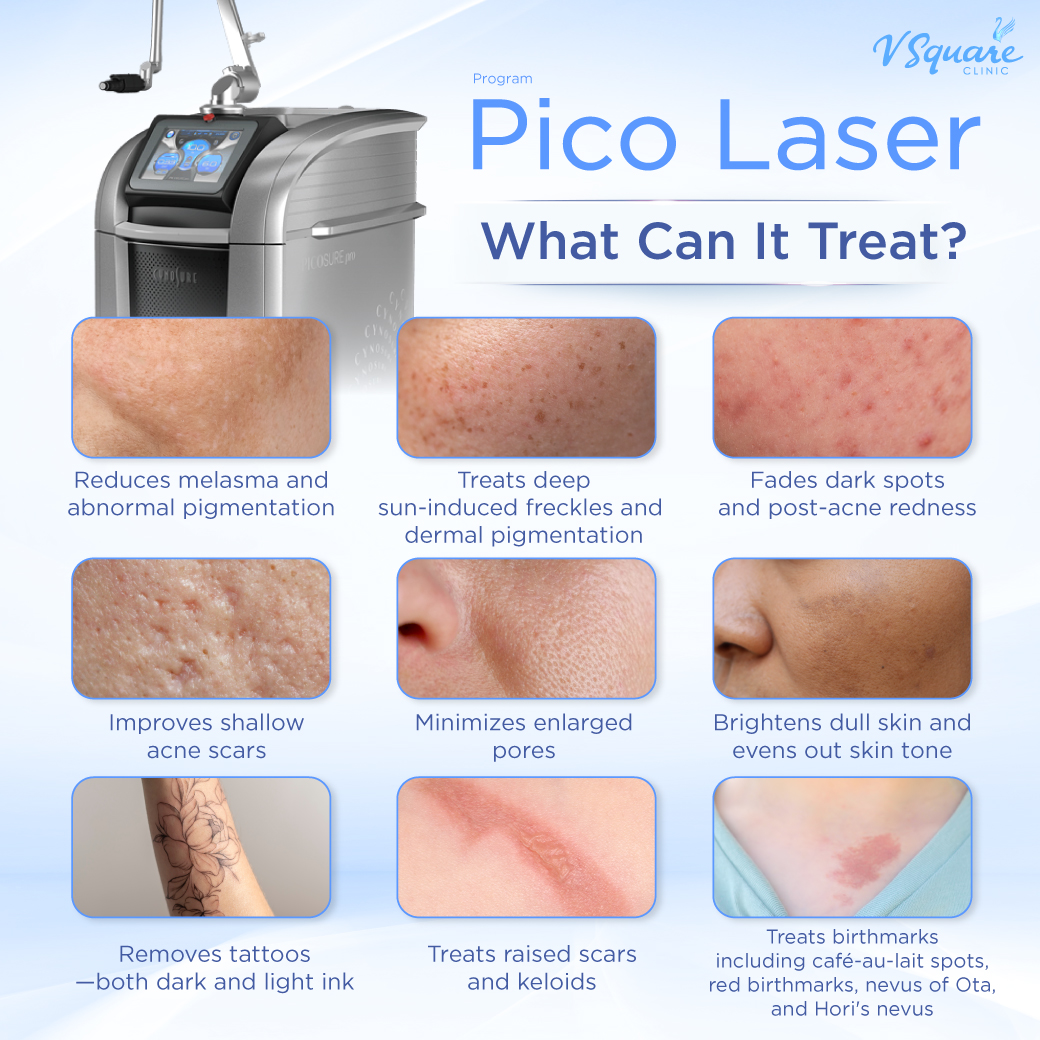
Pico Laser, also known as Picosecond Laser, is one of the most advanced and popular technologies today. Available in various brands and models, Pico Laser is highly effective in targeting pigment-related concerns. It can treat melasma, freckles, dark spots, and post-inflammatory redness while also improving overall skin texture for a smoother and brighter complexion.
- How it works: Delivers ultra-short pulses of energy at the picosecond level (one trillionth of a second) to shatter pigment into extremely fine dust-like particles using the Photoacoustic Effect. These fragmented pigments are then naturally cleared by the body quickly and effectively.
- Highlights: Breaks down pigment with high-speed pulses without excessive heat buildup under the skin, reducing the risk of burns or post-inflammatory hyperpigmentation. Safe for all skin tones and effective for a wide range of skin concerns.
- Best for: All types of melasma, freckles, dark spots, post-inflammatory marks, redness, enlarged pores, acne scars, and dull skin.
- Sessions needed: Visible improvement can be seen from the very first session. More significant results appear after 3–6 sessions, depending on the severity of the condition.
Melasma laser with Sylfirm X Plus
Sylfirm X Plus is an advanced Microneedle Radiofrequency (RF Microneedling) technology that combines two RF modes. It is highly effective for treating vascular melasma (blood vessel-related melasma), restoring the basement membrane, and helping prevent future melasma recurrence in the long term.
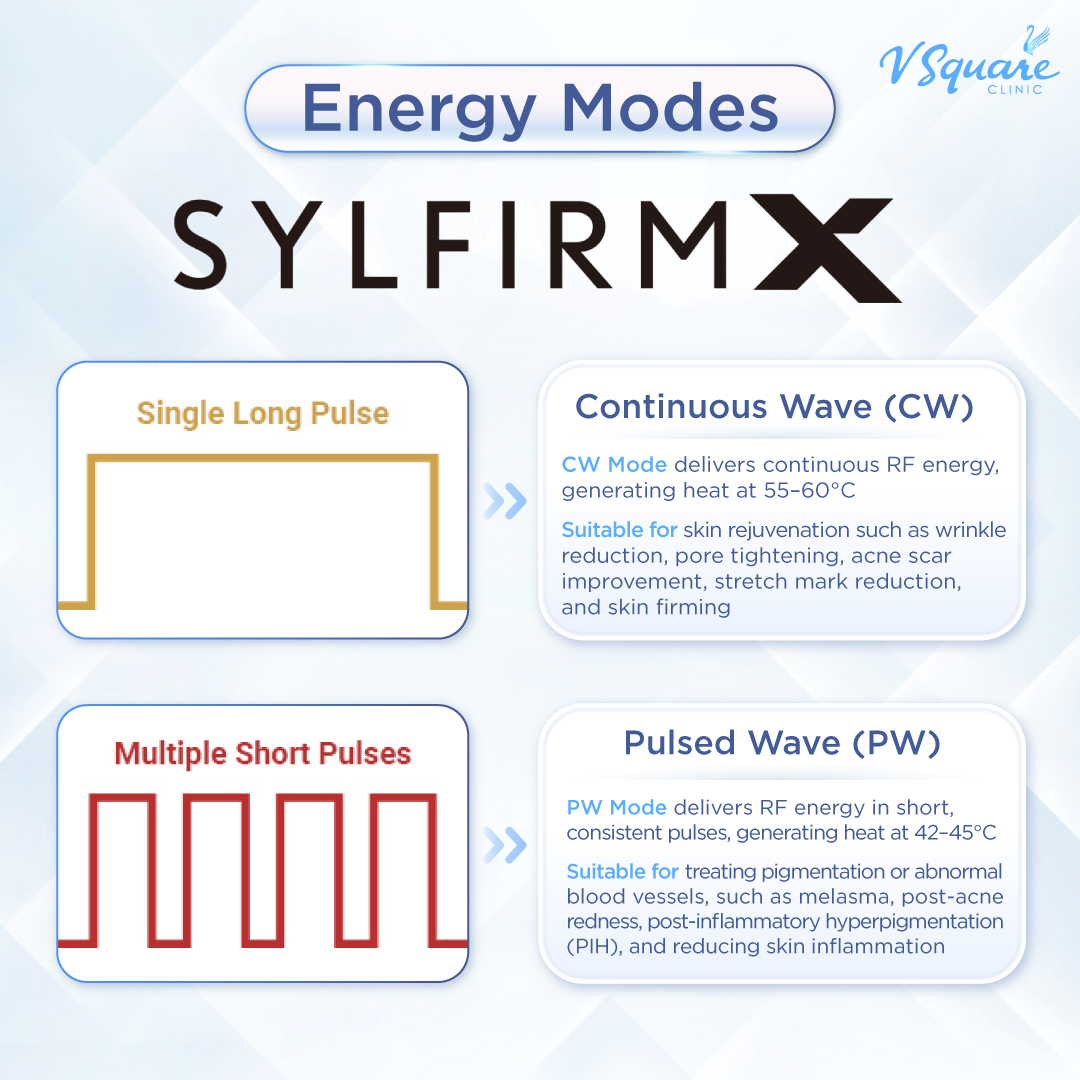
- How it works: Delivers Dual-Wave RF energy through 300-micron microneedles using two modes: Continuous Wave (CW) and Pulsed Wave (PW). The PW mode is particularly effective for repairing skin affected by melasma and dark spots by strengthening the basement membrane, addressing the root cause, and preventing new melasma formation.
- Highlights: Combines both CW and PW modes in a single device for comprehensive skin rejuvenation. Safe for all skin tones and suitable for use on any area of the body.
- Best for: Vascular melasma, enlarged pores, and improving overall skin resilience.
- Sessions needed: Noticeable improvement often appears after 1–2 sessions. Results continue to improve over time, with melasma, dark spots, and pigmentation fading within about 1 month after treatment.
Melasma laser with Q-Switched Nd:YAG Laser
Q-Switched Nd:YAG Laser is one of the earlier laser technologies that has long been used to treat pigment-related skin conditions. It works by releasing nanosecond pulses of light (one billionth of a second) that precisely target melanin in the skin.
- How it works: Delivers laser energy to melasma-affected skin at nanosecond speed. The energy converts into heat, breaking the pigment into smaller particles, which are then gradually cleared by the body.
- Highlights: Specifically targets melanin without damaging the surrounding tissue.
- Best for: Superficial melasma, dark spots, post-acne marks, freckles, and pigmentation.
- Sessions needed: Requires 5–10 continuous sessions, depending on the severity of the condition.
Melasma laser with Dual Yellow Laser
Dual Yellow Laser uses a combination of yellow light (wavelength 578 nm) and green light (wavelength 511 nm). Together, they effectively address pigmentation issues, dark spots, and redness.
- How it works: Emits two different wavelengths simultaneously. The green wavelength specifically targets melanin, reducing excess pigment and helping fade superficial melasma patches.
- Highlights: Gentle on the skin, minimizing risk of damage to surrounding tissue.
- Best for: Superficial melasma, freckles, dark spots, redness, and post-inflammatory marks.
- Sessions needed: Usually, 2–6 sessions are recommended for clearer results.
How much does Melasma laser cost?
Melasma laser treatments typically range from 2,900 to 9,900 THB per session. The cost depends on the type of laser used, the treatment area (full face vs. specific spots), the number of sessions required, the doctor’s expertise, and each clinic’s promotions.
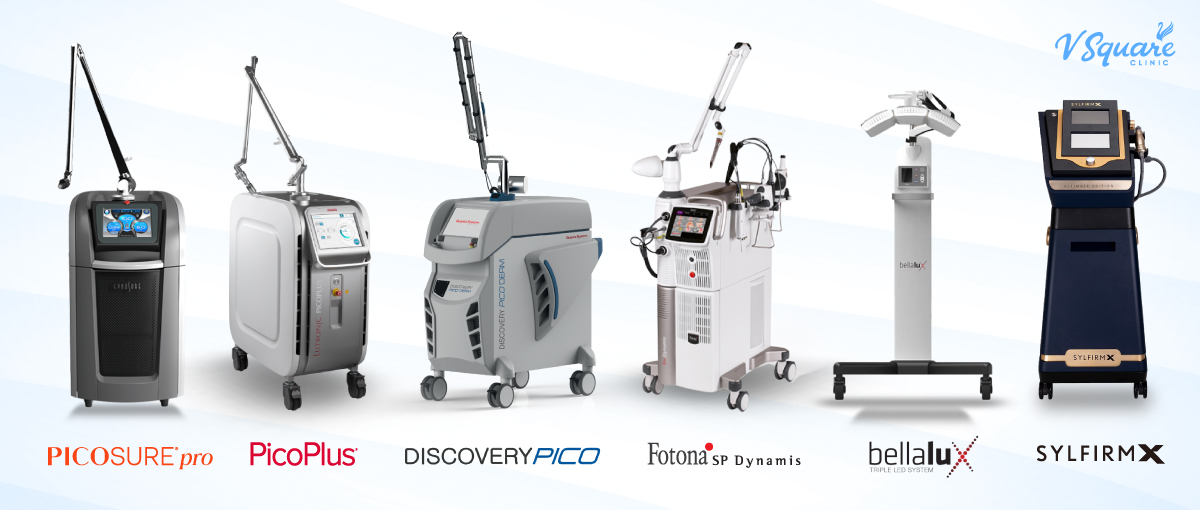
At V Square Clinic, we provide a variety of advanced laser technologies, including PicoSure Pro, Pico Plus, Fotona, Bellalux, and Sylfirm X. Before each treatment, our doctors carefully evaluate your skin to determine the most suitable laser for your specific concerns, ensuring safe and effective results.
Interested in Melasma Laser at V Square Clinic? Click here to view the latest promotions.
Pros and cons of Melasma laser treatment before deciding
Melasma laser is a popular option for individuals struggling with stubborn melasma. Before undergoing treatment, it is important to understand both the advantages and the limitations of Melasma laser.
Advantages of Melasma laser treatment
- Effectively treats multiple types of melasma: epidermal, dermal, mixed, and vascular melasma
- Targets melanin at the root cause, making melasma fade more effectively.
- Delivers faster and clearer results compared to many other methods.
- Helps with other skin concerns such as freckles, dark spots, skin rejuvenation, and overall brightening.
- Prevents and delays melasma recurrence in the future.
- Can be safely combined with other aesthetic procedures to enhance and accelerate results.
- Offers long-term value when performed at a reputable clinic by experienced doctors.
- Safe technology that does not damage surrounding tissue or thin the skin.
Limitations of Melasma laser treatment
- Deeper melasma may require multiple continuous sessions for noticeable results.
- Risk of unwanted side effects if performed by untrained providers.
Is Melasma laser dangerous? Are there any side effects?
Melasma laser is generally safe when patients are properly prepared, follow aftercare instructions, and are treated by experienced doctors. This significantly reduces the risk of unwanted side effects such as burns, post-inflammatory hyperpigmentation, or complications caused by using the wrong laser type or excessive energy settings.
Temporary side effects after Melasma laser may include:
- Redness: Usually subsides within a few hours, depending on the laser used.
- Mild scabbing: Some modes, such as Q-Switched lasers, may cause small scabs initially.
- Sun sensitivity: Skin may become more sensitive to sunlight in the early recovery stage.
- Dryness or mild peeling: Caused by temporary moisture loss.
These side effects are temporary and usually resolve on their own. Following professional aftercare guidance— such as avoiding direct sunlight and using sunscreen — helps the skin recover faster.
How to prepare before Melasma laser treatment
Proper preparation helps maximize the effectiveness of Melasma laser and ensures the skin responds well to treatment. Recommended steps include:
- Moisturize the skin to keep it hydrated and resilient before treatment
- Avoid direct sun exposure for at least 14 days before treatment
- Apply sunscreen with SPF 50+ and PA+++ daily for UV protection
- Discontinue skincare products containing exfoliating agents
- Avoid scrubbing, exfoliating, facials, or acne extraction for at least 3–5 days before treatment
- Inform the doctor of any medical conditions or regular medications before treatment
Aftercare for Melasma laser treatment
Post-treatment care plays a crucial role in reducing the risk of side effects and preventing melasma from recurring or becoming darker again.
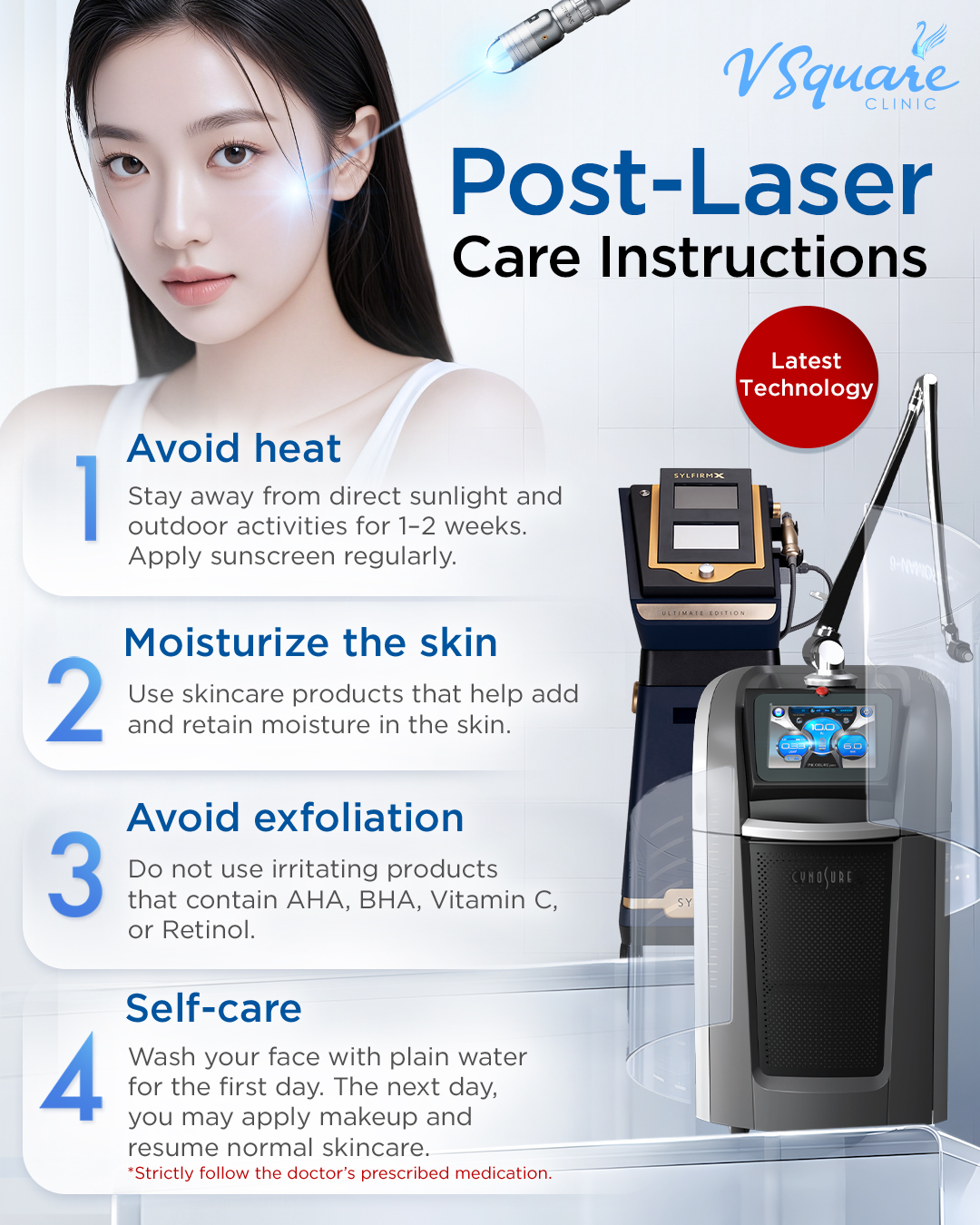
- Avoid direct sun exposure, refrain from outdoor activities, and apply sunscreen SPF 50+ PA++++ daily.
- Avoid heat exposure, saunas, strong exfoliating treatments, or harsh scrubbing to prevent irritation.
- Avoid picking or scratching scabs; allow them to fall off naturally.
- Discontinue products containing fruit acids (AHA, BHA), Vitamin C, or retinol for at least 3–5 days.
- Wash the face with gentle, alcohol-free cleansers.
- Apply prescribed creams and medication to reduce inflammation and promote skin healing.
Melasma laser — which clinic is the safest choice?
Choosing the right clinic is crucial for achieving safe and effective results. Here are key recommendations for selecting a reliable Melasma laser clinic:
- Choose a certified and licensed clinic with documentation clearly displayed.
- Ensure treatments are directly performed by doctors experienced in laser therapy.
- Confirm that genuine, U.S. FDA-approved laser devices are used and properly imported.
- Choose clinics that offer multiple laser types, since different types of melasma may require different technologies.
- Look for a clean and well-organized environment with separate procedure rooms.
- Be cautious of prices that are unusually low, as they may indicate counterfeit devices or unqualified providers.
Why choose Melasma laser at V Square Clinic?
At V Square Laser Center, patients trust and recommend our services for many reasons:
- Every case is personally evaluated by experienced doctors, with no consultation fees and no involvement from sales staff.
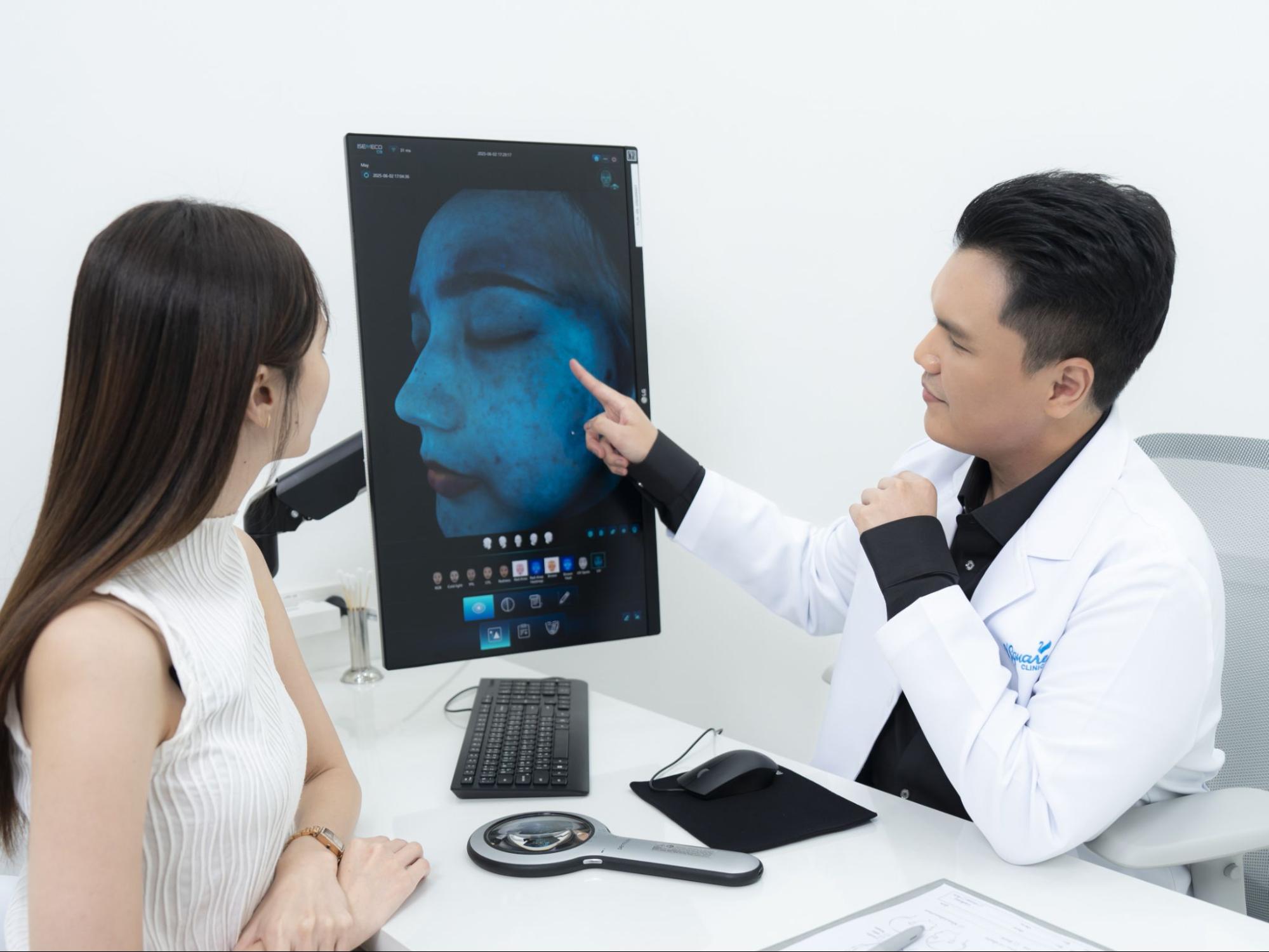
- Advanced skin analysis using the ISOMECO 3D D9 system allows precise treatment planning for each individual.
- High-quality laser devices such as PicoSure Pro, Pico Plus, Sylfirm, Fotona, and Bellalux Lite are available, with the option to combine technologies for comprehensive skin improvement.
- Post-treatment follow-ups are scheduled for every patient to monitor progress and adjust treatment plans for the best possible outcomes.
- Reasonable pricing, with multiple program options tailored to individual needs and budgets.
Frequently asked questions about Melasma laser
How many Melasma laser sessions are needed to see results?
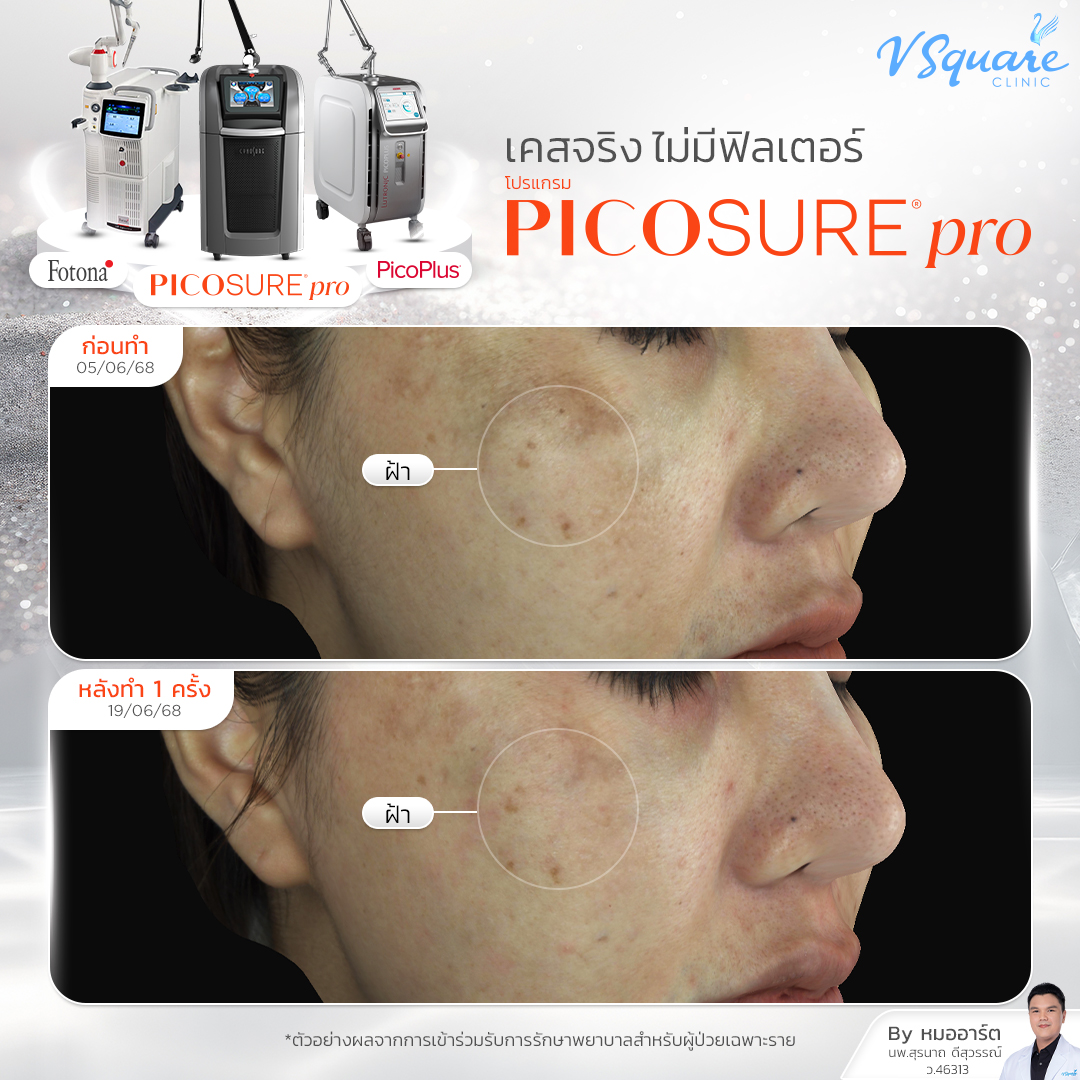
With Pico Laser, noticeable improvement can often be seen from the very first session (depending on the severity of melasma). For clearer, longer-lasting results, 3–5 sessions are usually recommended, or as advised by the doctor. Each case is carefully assessed to determine the most suitable number of sessions.
Can Melasma laser permanently cure melasma?
Currently, there is no treatment that can permanently cure melasma. It is a recurring skin condition that can reappear if not properly maintained. Triggers such as sun exposure are constant, so without consistent skincare — especially daily sunscreen use — melasma may return even after treatment.
Is Melasma laser painful?
Melasma laser may cause mild discomfort depending on the type of device used. Newer technologies like PicoSure Pro and Sylfirm deliver energy more gently and precisely, making treatments more comfortable. For those concerned about pain, numbing cream or cooling devices are applied beforehand, which help minimize discomfort to the point that many patients feel little to no pain.
Melasma laser vs. mesotherapy — which is better?
Melasma laser is known for its fast, targeted results, while mesotherapy is more affordable and focuses on overall skin rejuvenation. Each has its strengths, and the better option depends on the patient’s skin condition, severity of melasma, and personal goals. In many cases, combining both treatments can further enhance results and accelerate improvement.
Does Melasma laser make the skin thinner?
No, Melasma laser does not thin the skin. In fact, treatments such as Pico Laser not only remove abnormal pigment but also stimulate collagen production, helping to restore and strengthen the skin’s overall structure.
Why does Melasma sometimes look darker after laser?
If performed correctly with the right device and appropriate energy settings, melasma should not become darker after treatment. When darkening occurs, it is usually due to inexperienced providers, unsuitable devices, or improper aftercare — such as excessive sun exposure without sunscreen. Following professional guidance is essential to achieve safe and effective results.
Is Melasma laser worth it?
Melasma laser is widely recognized as one of the most effective methods for reducing melasma, freckles, and dark spots. It provides faster and clearer results compared to many other treatments, making it a valuable choice for individuals serious about managing melasma. For best results, it is important to undergo sessions consistently as recommended by the doctor.
Several types of Melasma laser technologies are available. Patients are encouraged to review information about each device or consult an experienced doctor to select the most suitable option — ensuring safe, comprehensive, and satisfying results.

สำหรับผู้อ่านทุกท่านที่มีข้อสงสัยเพิ่มเติม ทีมแพทย์ V Square Clinic ทุกคนยินดีให้คำปรึกษาฟรี โดยไม่มีค่าใช้จ่าย หรือสามารถปรึกษาหมอทาง inbox facebook หรือ Line นี้ได้เลยครับ หมอตอบเองครับ

What Is a Weight Loss Pen? How It Works & How to Choose the Right Option for Effective Results
Reading Time: 10 minutesObesity has become a major global health concern, leading many people to seek weight-loss methods that are both safe and effective. A weight loss pen, also known as a weight loss injection pen, is one of the medical innovations that has gained significant popularity in recent years

Wegovy Weight Loss Pen (Semaglutide): A Medical Approach ...
Reading Time: 10 minutesWegovy is a weight-loss pen developed in Denmark, containing the active ingredient Semaglutide. It is a treatment option designed to help individuals with obesity reduce weight and lower long-term health risks associated with excess body fat.

What Is Sinusitis? Causes, Treatments, and Ways to Streng...
Reading Time: 7 minutesSinusitis is becoming increasingly common, affecting around 15% of the general population. Although the condition is not typically dangerous and can be fully treated, inadequate self-care may lead to chronic symptoms or complications that require longer treatment.

What Visceral Fat Is — 9 Ways to Reduce VF Levels and Low...
Reading Time: 11 minutesMany people think visceral fat is the same as the belly fat you can see or pinch. In reality, visceral fat also surrounds vital organs such as the liver, intestines, and heart. Because of its location, it provides important clues about overall health.

Get to Know inBo — A New Korean-Swedish Botox with Fast R...
Reading Time: 8 minutesinBo is a new-generation botulinum toxin that has been gaining a lot of attention thanks to its high purity, fast onset, natural-looking results, and brand transparency. The manufacturer clearly discloses both the bacterial strain and its production origin, which many patients appreciate.

Best Ways to Tighten Enlarged Pores for Smoother Skin — W...
Reading Time: 14 minutesEnlarged pores can make the skin appear uneven and affect overall confidence. Today, there are many ways to tighten pores — from skincare ingredients and topical treatments to medical-grade procedures.