
Which Botox Brand is Best in 2026
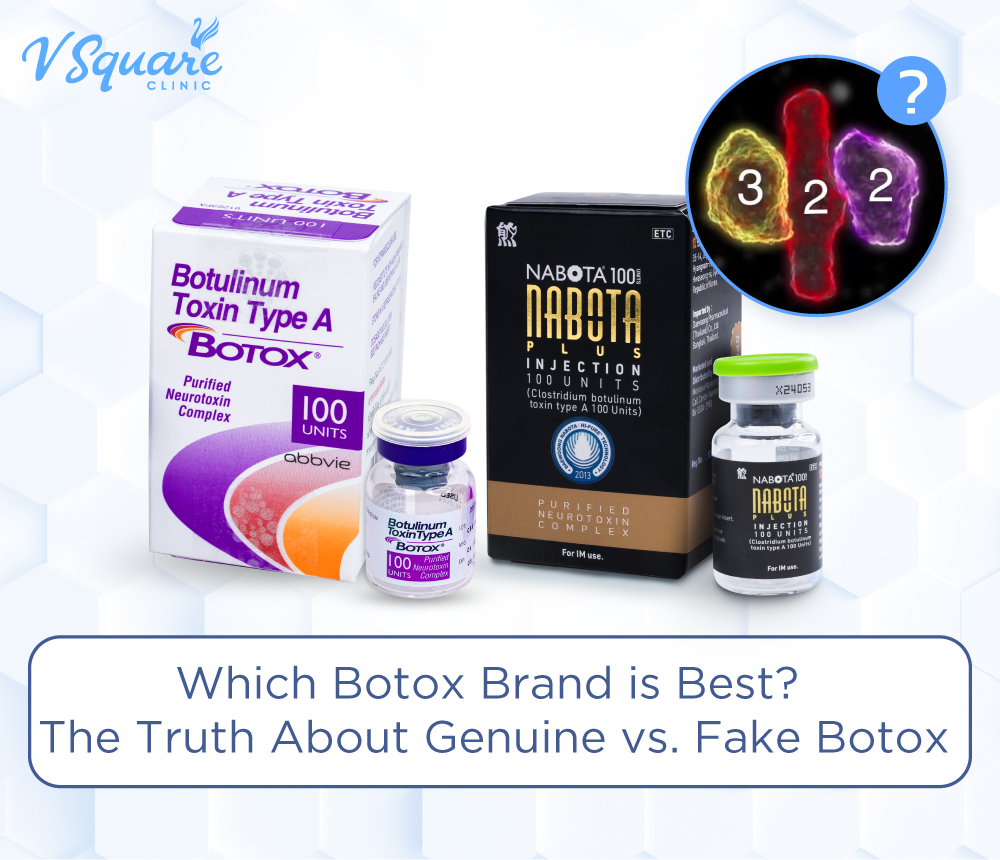
Botox is the trade name for Botulinum Toxin Type A, a substance widely used in aesthetic treatments. It is derived from the bacterium Clostridium Botulinum and acts as a neurotoxin by interfering with the communication between nerves and muscles. This process temporarily reduces muscle activity, which is why it is effective in softening wrinkles and reshaping facial contours.
In this article, we will simply refer to Botulinum Toxin Type A as “Botox.” While some of the explanations may sound scientific, they are important to clarify how Botox works, what benefits it provides, what brands are available, and how each brand differs. Understanding these details will help patients make an informed decision when choosing the right brand before undergoing Botox treatment.
Table of content : Which Botox Brand Is Best
How Do Different Botox Brands Differ?
Each Botox brand comes with its own unique characteristics, influenced by several factors such as the purification process of the active substance, the type of protein complex, the molecular complex size, and the stability of the product during storage. Among these, the molecular complex size is considered the most significant factor that sets each brand apart.

To make it easier to understand, the key properties that set Botox brands apart will be explained in three main aspects, labeled as A, B, and C.
A. Molecular Complex Size of Botox

The molecular complex of Botox consists of three main components:
- Accessory Protein (750 kDa) : Acts as a protective shield, carrying and safeguarding the other components (2 and 3) as Botox travels from the injection site to the nerve endings, preventing premature breakdown.
- Heavy Chain (100 kDa) : Functions as the key, allowing Botox component 3 to enter the nerve cells.
- Light Chain (50 kDa) : The active component responsible for blocking muscle contraction.
Significance of the Accessory Protein (Component 1):
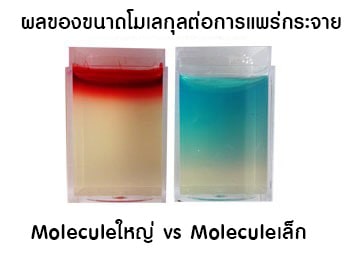
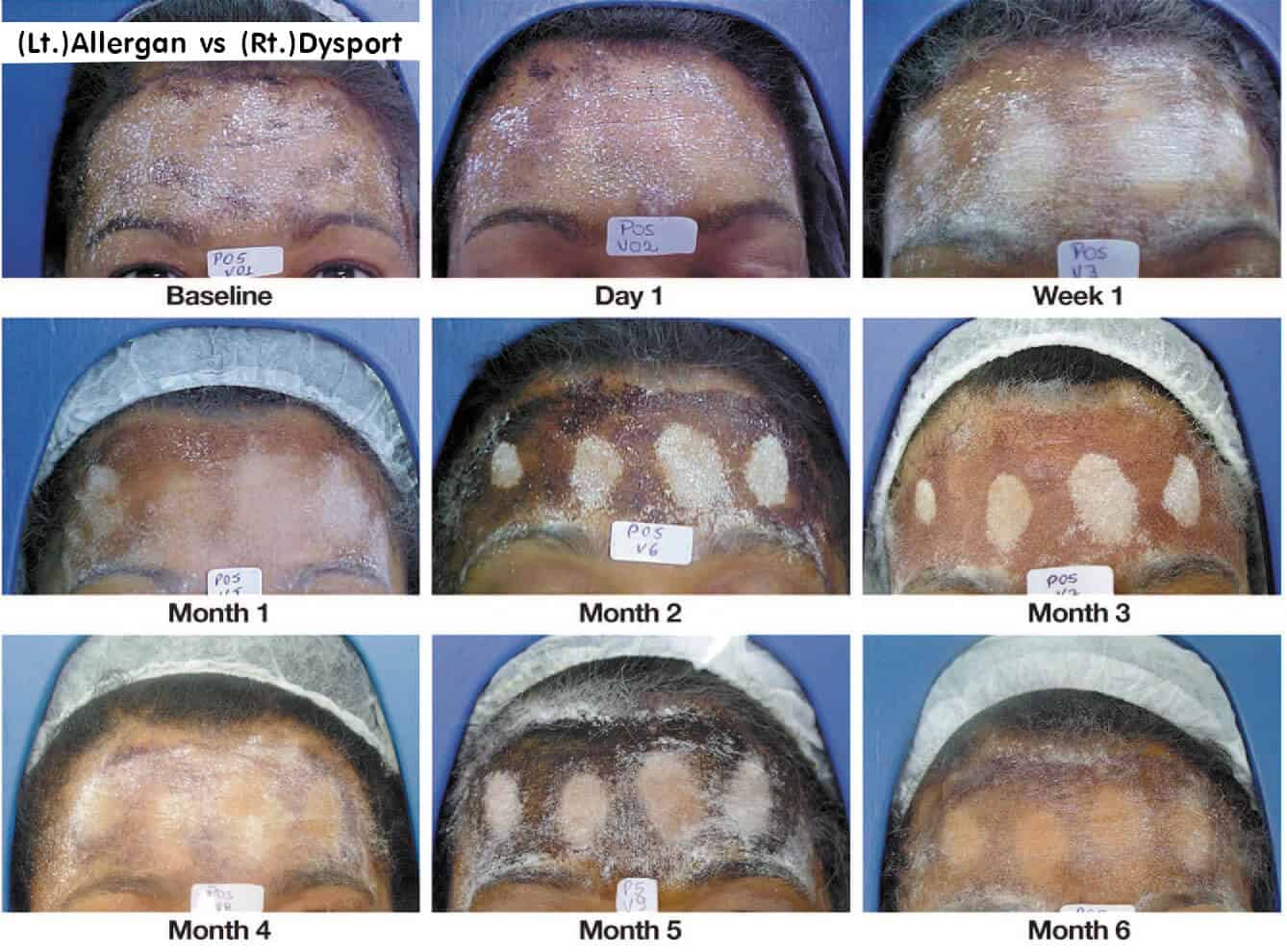
- If the botox is designed to have a narrow diffusion (Allergan being the narrowest > Botulax):
- Advantages: Allows for highly precise and accurate injections. Best suited for direct muscle injections. Another benefit is that the active component (Component 3) remains in higher concentration, so the results last longer.
- Disadvantages: To achieve natural-looking results, the procedure must be performed by a highly experienced doctor. Otherwise, side effects such as arched brows, stiff smiles, or sunken cheeks may occur.
- If the botox is designed to have a wide diffusion (Dysport being the widest > Xeomin > Nabota > Botulax):
- Advantages: Produces natural-looking results without excessive stiffness. Works quickly, making it suitable for those seeking immediate lifting effects. Ideal for treating large areas such as reducing arm or calf size.
- Disadvantages: The active component (Component 3) that relaxes muscle activity in each cell is less concentrated, so results are shorter-lasting. If injected by an inexperienced doctor, there’s a higher risk of drooping eyelids, crooked mouth, or incomplete smile.
B. Purity of Botox and the Protein Complex
Botox is a protein that naturally breaks down completely in the body without causing harm. However, in some individuals, the body may develop antibodies against it, leading to what is known as Botox resistance. When this happens, the antibodies bind to the Botox molecules, preventing them from taking effect.
Botox resistance can arise from any of the protein components discussed in section A (Components 1, 2, and 3). The third component (Light Chain) is almost identical across all brands since it is always Botulinum Toxin Type A, with only slight differences in strain. The main variation between brands lies in Components 1 and 2 of the protein complex, which differ by manufacturer.
Allergan (American Botox)
Allergan is the original company behind Botox and has the longest history of clinical research, supported by over 3,500 studies since 1989. This makes it highly reliable, as its protein complex (Components 1 and 2) has been refined to minimize the risk of antibody formation and maximize treatment effectiveness compared to other brands.
American Botox delivers the most precise results with the narrowest diffusion, allowing doctors to predict its effect accurately and achieve the best possible outcomes. It is especially well-suited for techniques like the Nefertiti Lift and muscle injections aimed at long-lasting, natural-looking results. However, achieving this requires a highly experienced doctor, as inexperienced application can lead to side effects such as arched brows, stiff smiles, or hollow cheeks.
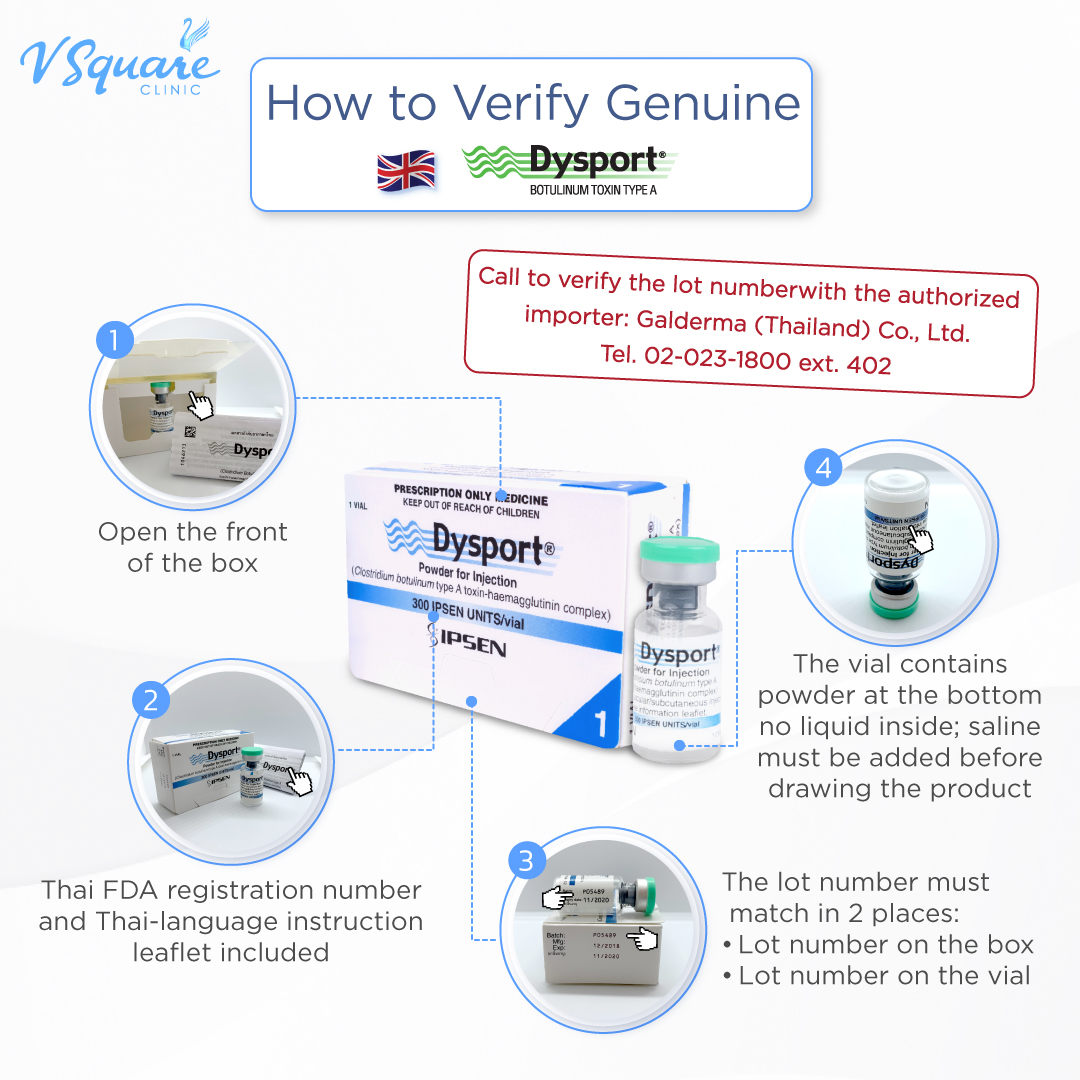
Dysport (UK Botox)
Dysport focuses primarily on developing protein component 2, with the belief that reducing protein in component 1 lowers the chances of developing Botox resistance and allows component 3 to take effect more quickly.
A key advantage of Dysport is that it diffuses more broadly, rather than concentrating in a narrow area. This makes it well-suited for techniques such as Dermolift, which aims to lift and tighten the face for a natural wrinkle reduction—about 50% firmness without looking overly stiff. It is also commonly used for treating excessive sweating, body odor, upper arm slimming, and calf reduction.
However, because Dysport spreads widely, injections require a doctor with significant skill and caution. Without enough expertise, there is a higher risk of side effects such as drooping eyelids, asymmetric smiles, or crooked lips.
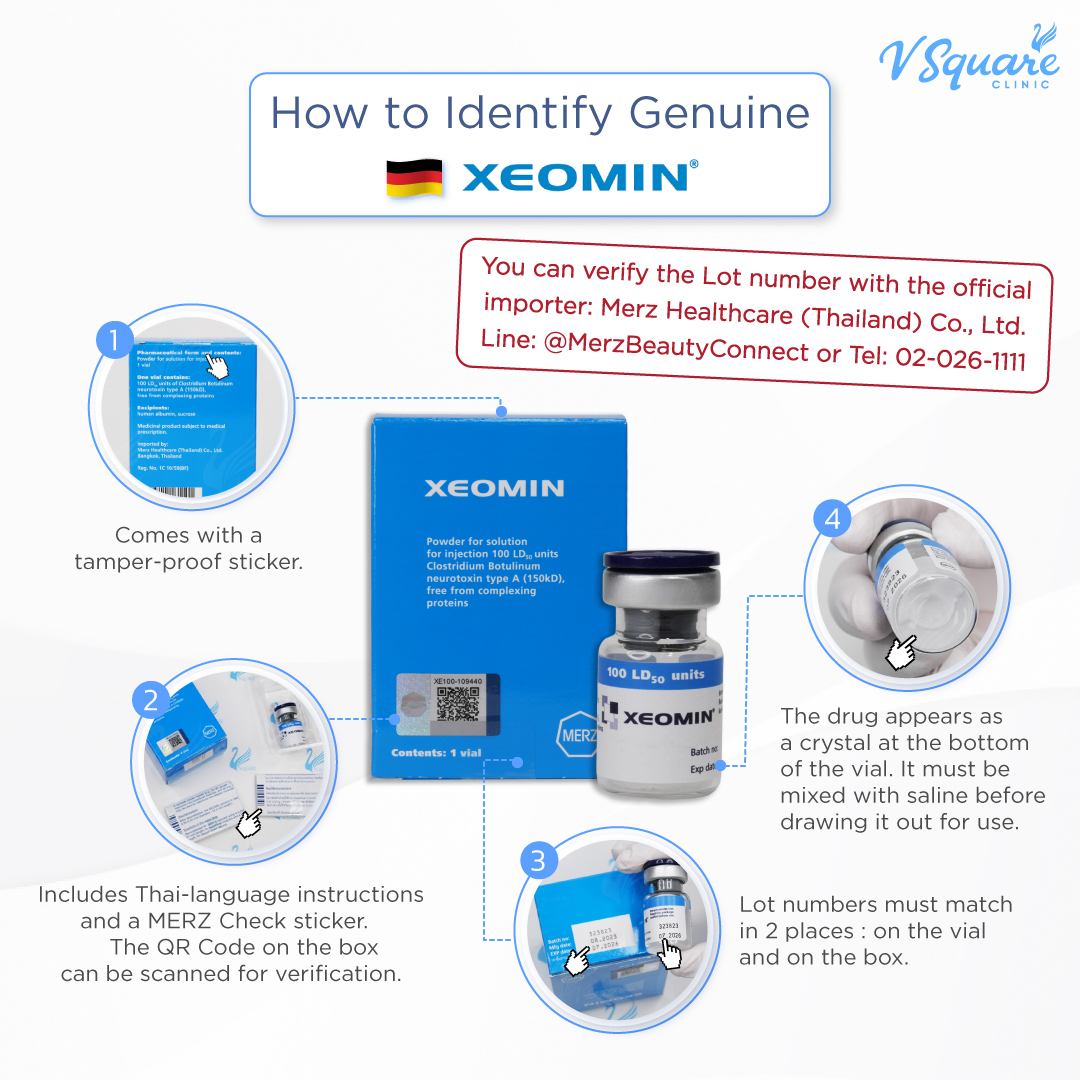
Xeomin (German Botox)
Xeomin, often referred to as German Botox, was developed by combining the strengths of Allergan and Dysport. Its properties fall somewhere in between the American and UK versions—offering high purity while avoiding overly narrow diffusion. (In terms of cost, Xeomin Botox is priced similarly to Allergan Botox.)
This balance allows Xeomin to deliver results that look natural without appearing too stiff. Studies have also shown that Xeomin can be effective in certain cases where patients have developed resistance to other brands, provided they have stopped Botox injections for at least 2–3 years beforehand.
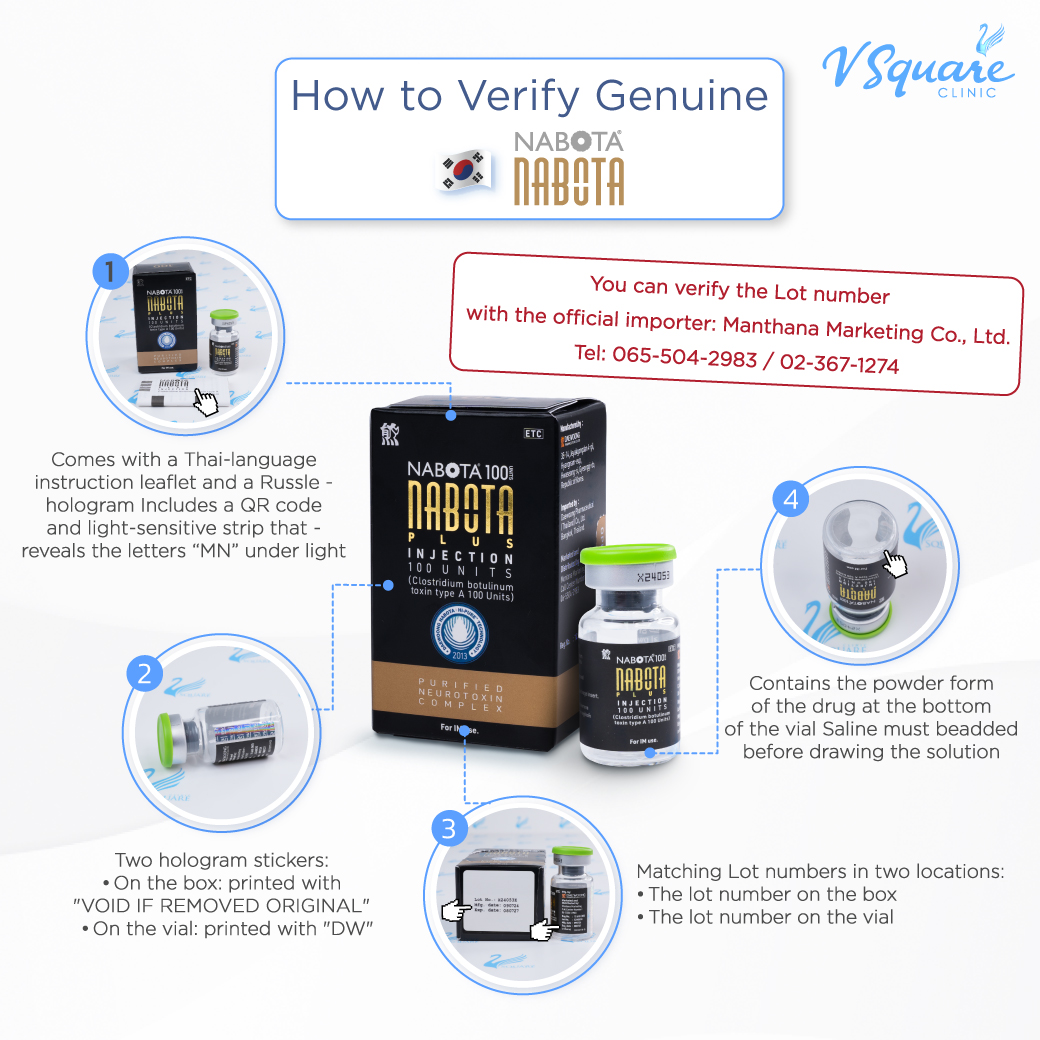
Nabota (Korean Botox)
Nabota Botox is the only Korean brand that has been officially approved by the U.S. FDA (2018), which sets it apart from other Korean alternatives. Its main strength lies in its fast-acting effect. Based on clinical experience, Nabota tends to work slightly faster than other Korean brands, making it a good option for individuals seeking quick and noticeable Botox results.
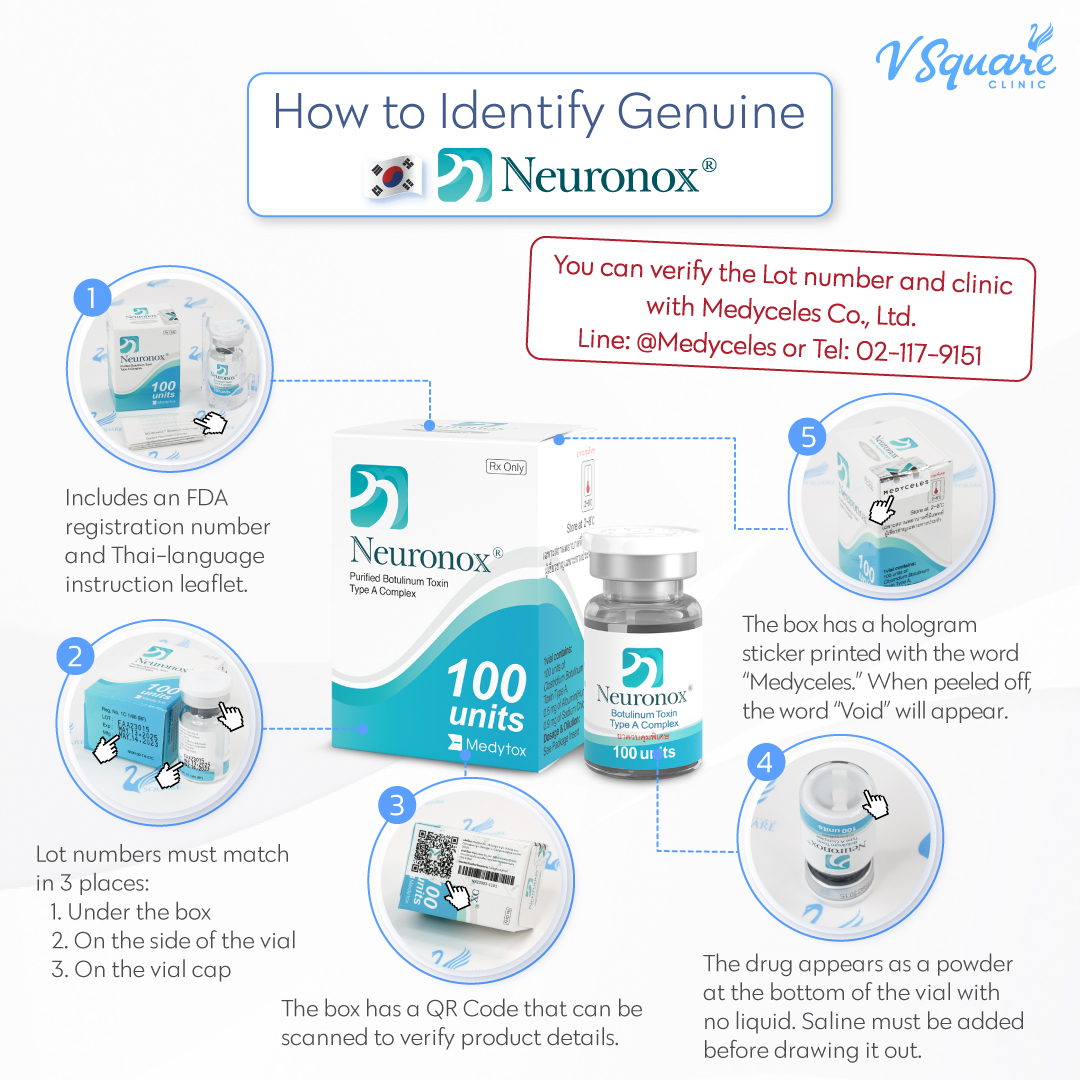
Neuronox (Korean Botox)
Neuronox uses the Hall A-hyper strain of Botulinum Toxin, the same original strain used in American Botox. This makes its mechanism of action and diffusion properties quite similar to the U.S. brand. However, based on real user experiences, American Botox generally lasts a little longer.
Compared to most Korean Botox brands on the market, Neuronox is considered effective and delivers natural-looking results. It is commonly used for reducing wrinkles, contouring the jawline, and slimming the face, with the advantage of creating smooth, natural-looking results without stiffness or a “frozen” appearance.
Aestox (Korean Botox)
Aestox is a Korean Botox brand that has recently entered the Thai market and has already been approved by the Thai FDA. One of its main highlights is its high purity level of 99.5%, making it a competitive option among Korean Botox products for those seeking effective wrinkle reduction and facial contouring.
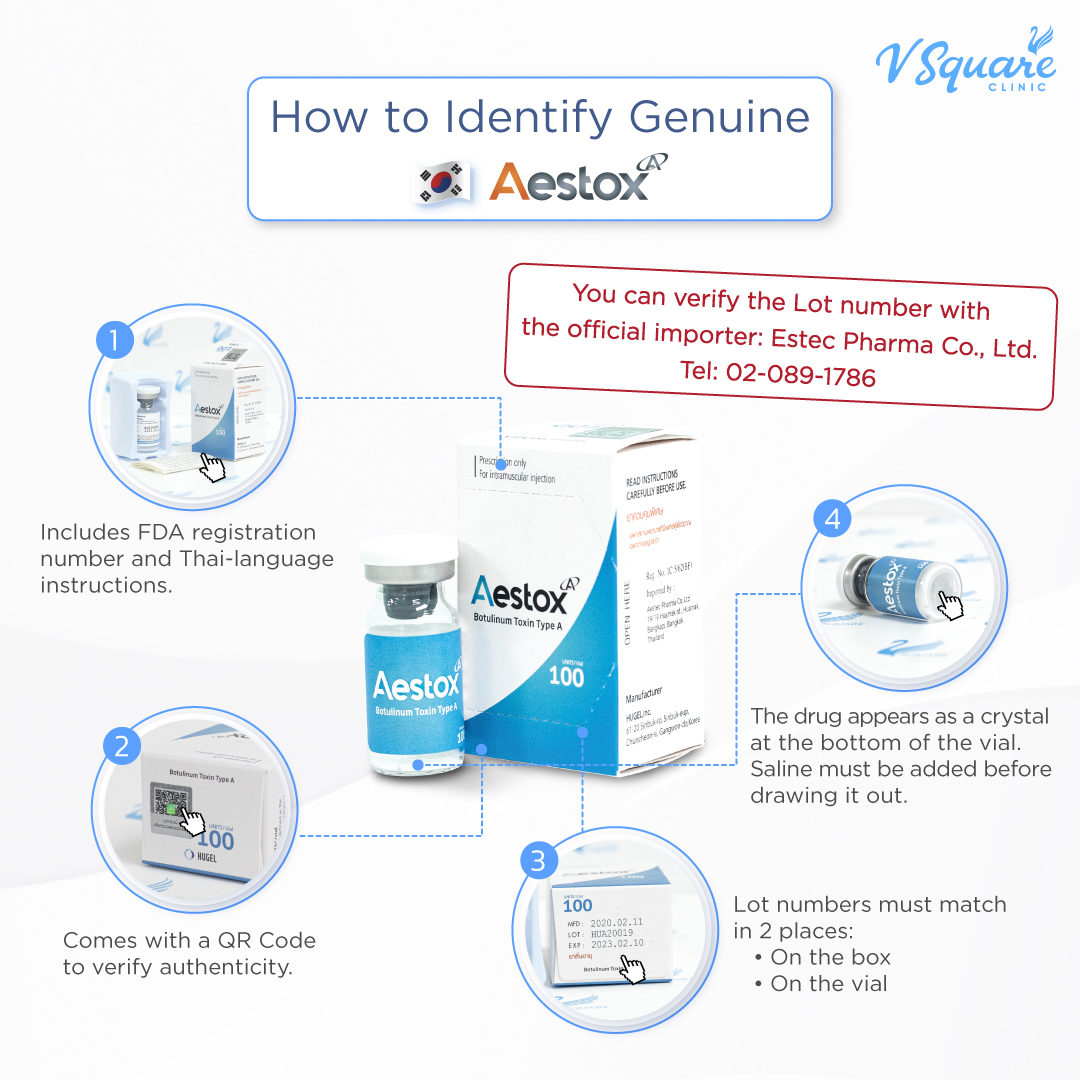
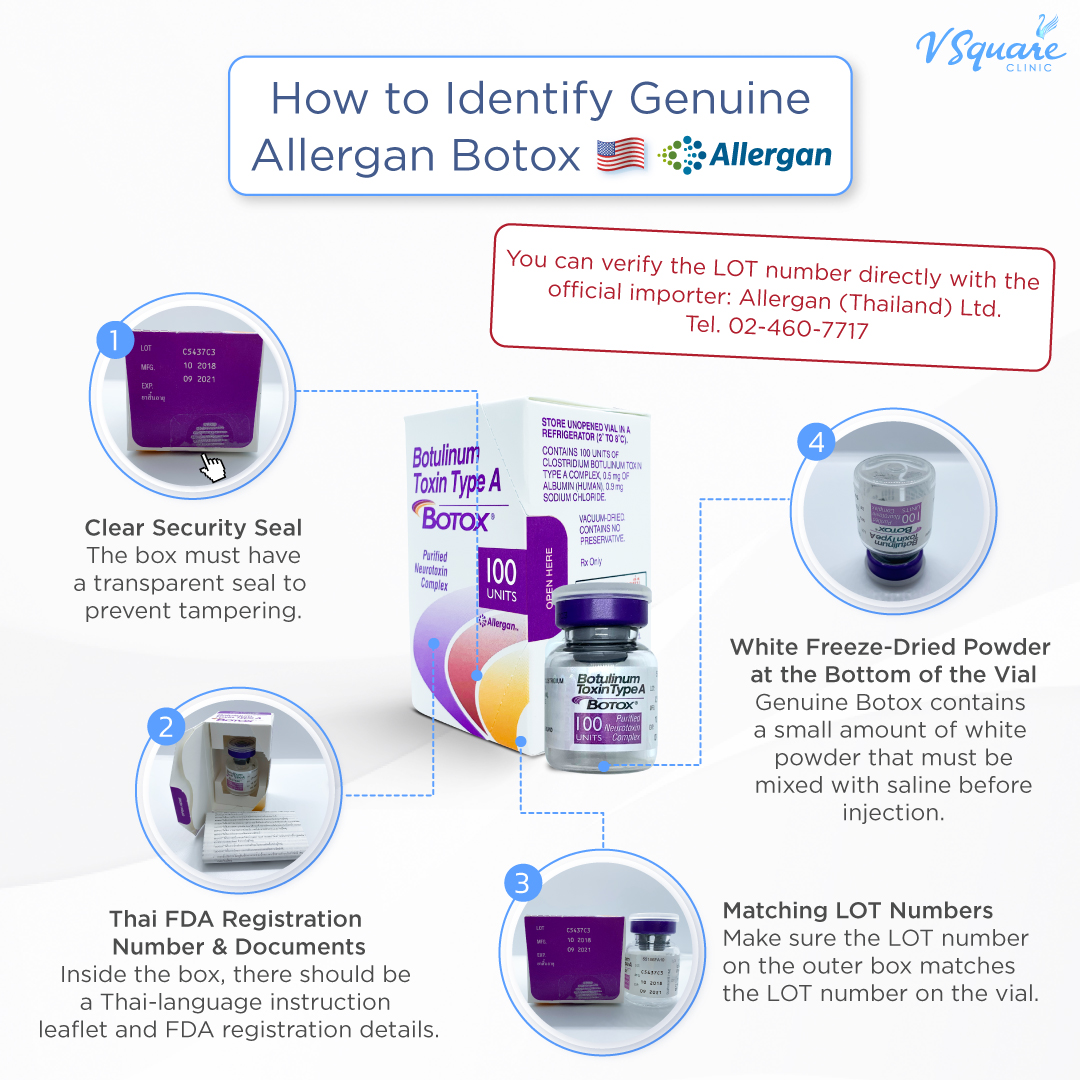
Genuine Botox, regardless of the brand, should always be unboxed, opened, and prepared right in front of the patient. The solution must be drawn into the syringe openly, and both the box and the vial should be given to the patient afterward for verification. This ensures transparency and confirms that the product used is authentic.
Some clinics may claim that the medication needs to be mixed in a sterile room or that the formula cannot be disclosed, but this is not true. Patients should be cautious, as such practices may indicate the use of counterfeit products.
How Many Units Are in One Botox Vial?
A unit refers to the amount of botulinum toxin contained in a vial. Botox vials are available in different sizes, such as 50, 100, or 200 units. When purchasing an entire vial, it is important to check carefully whether the quoted price is for a 50-unit vial or a 100-unit vial.
One key point to note is the difference in unit measurement with Dysport (UK Botox) compared to other brands. Specifically, 250 units of Dysport is equivalent to 100 units of other Botox brands. Some clinics may advertise Dysport Botox as “cheap” at 100 units, but in reality, this amount only equals about 40 units of other brands. Patients should be aware of this difference when comparing prices.
Dermolift vs. Nefertiti Lift: What’s the Difference?
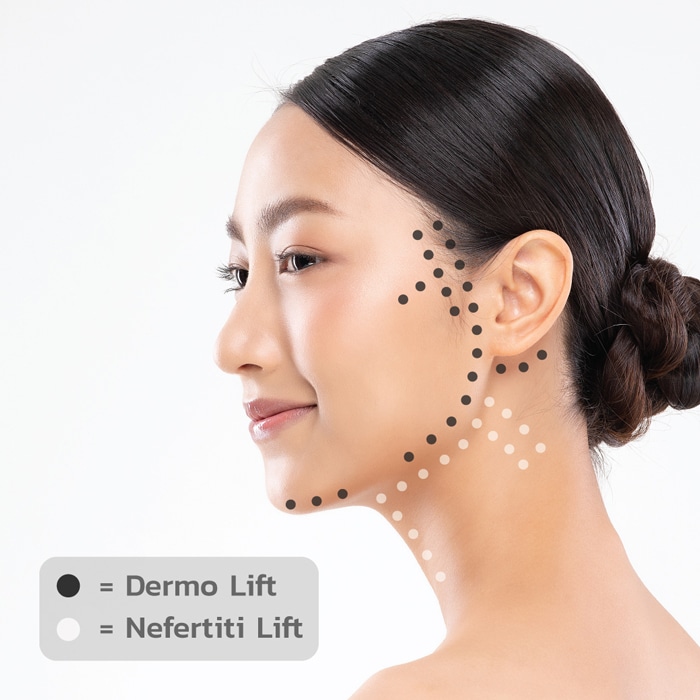
These two techniques are fundamentally different in their approach and results:
Dermolift
Dermolift involves injecting Botox into the superficial dermal layer, producing what is known as a Dermotoxin effect. This causes the skin to contract, creating an immediate lifting effect. In practice, injections are placed along specific points (shown as black dots in diagrams) to pull the face upward.
- Duration: Short-lived, usually 1–2 months.
- Best use: For patients seeking quick results before special events.
- Limitation: Not recommended frequently, as repeated injections increase the risk of developing Botox resistance.
- Suitable brands: Dysport or Nabota.
Nefertiti Lift
The Nefertiti Lift is based on balancing two groups of facial muscles—those that pull the face upward and those that pull it downward, much like a tug of war. Botox is injected into the downward-pulling muscles (shown as white dots in diagrams), which weakens them and allows the upward-pulling muscles to dominate, resulting in a natural lifting effect.
- Duration: Typically lasts 3–4 months.
- Best use: Provides longer-lasting facial lifting and contouring.
- Efficiency: Requires fewer Botox units compared to Dermolift.
At V Square Clinic, we primarily recommend the Nefertiti Lift because it provides longer-lasting results with fewer units. However, for patients who want an immediate boost, Dermolift can be combined with Nefertiti Lift in the same session for both instant and sustained effects.
If the Botox is from Europe or the U.S., it generally comes at a higher price compared to Korean brands. For example, European and American brands such as Allergan, Dysport, and Xeomin usually start at around 13,900 THB and above.
On the other hand, Korean Botox brands such as Nabota, Neuronox, and Aestox are more affordable, with prices starting from approximately 7,500 THB and above.
Interested in Botox injections at V Square Clinic? Click here to view the latest promotions.
Precautions for Each Botox Brand
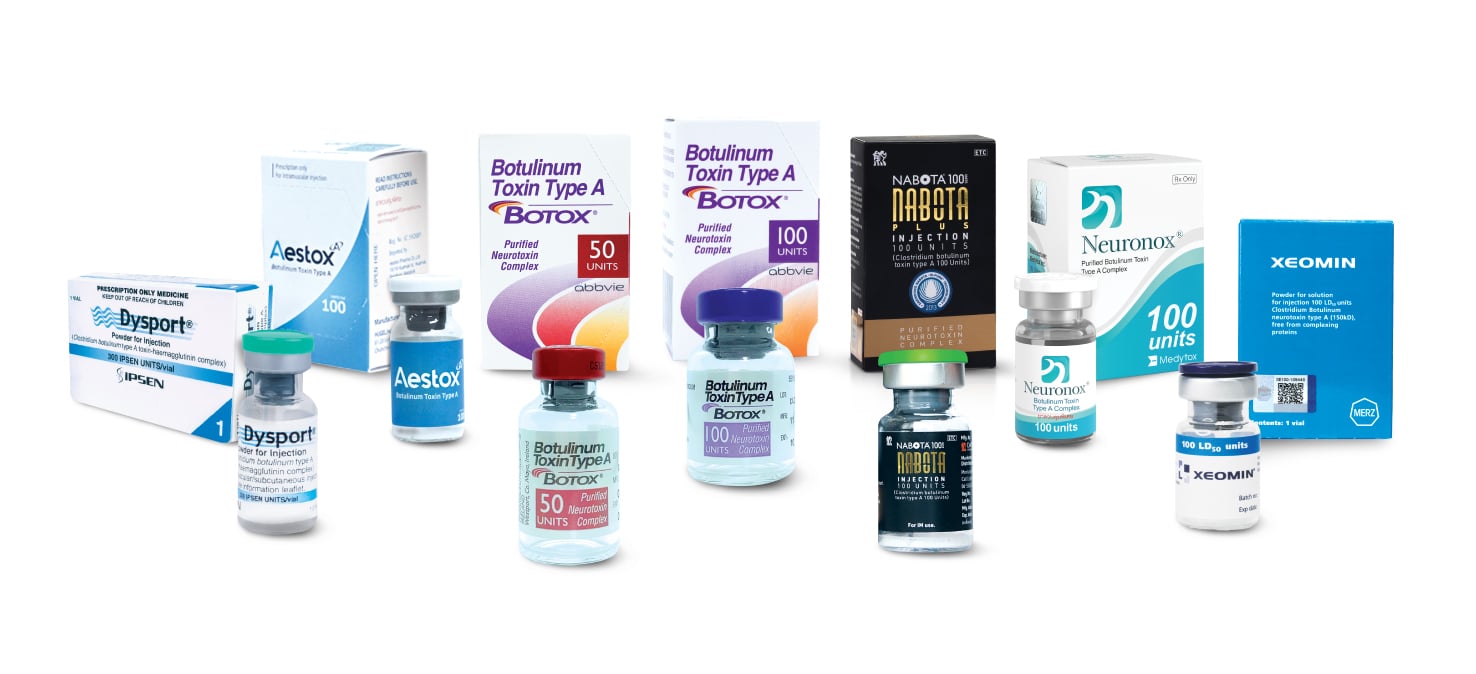
- Allergan (U.S. Botox)
For treatments requiring fewer than 50 or 100 units, patients are often advised to share the vial with a friend so that a new vial is opened. This is safer and more reliable, as some clinics may sell U.S. Botox by units at a low price (or even charge higher while using counterfeit products). In some cases, Korean Botox may be placed into an Allergan vial, making it difficult for patients to tell the difference. While the results may initially feel similar in terms of tightness, the duration of results and risk of resistance differ significantly.
For authenticity, U.S. Botox should always be opened and mixed in front of the patient. After injection, patients should take the vial and box home or at least take a photo for verification that it was genuine.
- Botulax (Korean Botox)
Botulax is currently not recommended because of the high prevalence of counterfeit or unregistered products. In some clinics, fake substances may be placed into vials labeled as authentic Korean Botox. When results are unsatisfactory, patients are blamed for “choosing Korean Botox,” and the clinic may upsell American Botox while still injecting Korean products in Allergan bottles.
Counterfeit Botox may seem effective for the first few sessions, but eventually the body develops permanent resistance, leaving Botox ineffective for life. (To date, there is no known cure for Botox resistance.) For every injection, the vial should be opened and mixed in front of the patient. After treatment, patients should keep the vial and box or take photos as proof of authenticity.
- Nabota (Korean Botox)
Some clinics advertise that Nabota provides immediate visible results after injection. This is misleading. The instant tightness that patients feel is actually needle-induced swelling from saline solution, not the actual effect of Botox. In fact, all brands of Botox show similar short-term swelling immediately after injection; the real results develop over the following days.
Botox Smuggled from Abroad / Botox Sold Online
In cases where genuine Botox is smuggled into the country to avoid taxes, there are serious concerns about storage conditions. Normally, Botox must be stored consistently at 2–8 °C. However, with smuggled products, this is rarely possible. The supply chain involves multiple handovers—from the manufacturer, to the reseller, to the patient, and finally to the injector. During this process, Botox may be exposed to improper temperatures, leading to a loss of potency.
Another issue is that resellers often purchase Botox in bulk to lower costs. This means products may be stored for long periods, sometimes close to expiration. Some lots may already be degraded due to heat exposure, yet are still distributed and sold. Importantly, no manufacturer guarantees the quality of smuggled Botox. As a result, injections may not last long and can even increase the risk of Botox resistance.
By contrast, when receiving treatment at a licensed clinic, the Botox supply chain is direct—from the official distributor to the doctor. The product is transported legally, stored properly at 2–8 °C, and its quality is preserved, ensuring greater safety and effectiveness.
Where is the Best Place to Get Botox?
For patients still wondering “Where should I get Botox?”, the main factors to consider are the credibility and standards of the clinic. Look for the following:
- Trusted reviews: Check feedback from real patients, ideally from independent platforms. Up-to-date reviews and video testimonials (before & after) can help you compare results more clearly.
- Reasonable pricing: Prices shouldn’t be extremely high or suspiciously low compared to other clinics. Price differences usually reflect the doctor’s experience.
- Doctor’s expertise: Review cases performed by individual doctors. Choose a practitioner experienced in facial contouring for natural-looking results with minimal swelling or bruising.
- Authenticity guarantee: A new vial should always be opened in front of you, and you should be allowed to keep it afterward for verification with the official importer.
- Follow-up care: A reliable clinic should schedule post-treatment follow-ups and offer easy communication channels for questions or concerns.

Conclusion: Which Botox Brand is the Best?
If you’re asking “Which Botox brand is the best?” — the answer depends on your individual concerns and goals. Each brand has its own strengths and advantages. The most important factor is having an experienced doctor to design a personalized treatment plan, determine the right dosage, and match it with your budget.
To achieve safe, natural-looking, and long-lasting results—while minimizing the risk of unwanted side effects—you should ensure that only genuine Botox products are used, and that injections are performed by qualified, experienced doctors.
This article is based on research studies and the hands-on experience of doctors using various Botox brands at V Square Clinic.
Note: Direct comparisons between Xeomin and Nabota remain limited due to a lack of definitive clinical studies. The insights provided here are drawn mainly from the practical experience of the V Square Clinic medical team.
Reference
- Almeida A, Marques E, Cuncha T et al. Pilot study comparing the diffusion of two formulations of botulinum toxin type A in patients with forehead hyperhidrosis. Dermatol Surg 2007 Jan; 33(Suppl1); S37-43.
- Beer KR, et al. Rapid Onset of Response and Patient-reported Outcomes After Onaboutulinumtoxin A Treatment of Moderate-to-Severe Glabellar Lines. 2011; 10 (1): 39-44
- Brin et al. Safety and tolerability of onabotulinumtoxin A in the treatment of facial lines: A meta-analysis of individual patient data from global clinical registration studies in 1678 participants. J Am Acad Dermatol 2009;61(6):961-70
- Carruthers A and Carruthers J. Introducing A Novel Botulinum Toxin Preparation. Dermatologic Surgery 2013; 39 issue 1 part II: 149-178
- Carruthers A, Carruthers J, Lowe NJ et al. One-year, randomised, multicenter, two period study of the safety and efficacy of repeated treatments with botulinum toxin type A in patients with glabellar lines. J Clin Res. 2004; 7: 1-20.
- Cliff SH, Judodihardjo H & Eltringham E. Different Formulations of Botulinum Toxin Type A have Different Migration Characteristics: Double-Blind, Randomized Study. J Cosmet Dermatol. 2008; 7: 50-54.
- De Boulle K. Patient Satisfaction with Different Botulinum Toxin Type A Formulations in the Treatment of Moderate to Severe Upper Facial Rhytids. J Cosmet Laser Ther 2008; 10: 87-92.
- Fagien S, Sue Ellen Cox, Finn JC et al. Patient-reported outcomes with botulinum toxin type A treatment of glabellar rhytids: A double-Blind, randomized,placebo-controlled study. Dermatol Surg 2007 ;33(suppl 1): S2-9.
- Kawashima M, Harii K et.al. An open-label, randomized, 64-week study repeating 10- and 20-U doses of botulinum toxin type A for treatment of glabellar lines in Japanese subjects. Int J Dermatol 2009; 48: 768–76.
- Lietzow MA. et al. Subunit Stoichiometry of the Clostridium botulinum Type A Neurotoxin Complex Determined Using Denaturing Capillary. Protein J. 2008; 27: 420-425
- Lowe NJ, Lask G, Yamaguchi P et al. Bilateral, double-blind, randomized comparison of 3 doses of botulinum toxin type A and placebo in patients with crow’s feet. J Am Acad Dermatol. 2002; 47(6): 834-840.
- Naumann et al., 2010. Meta-Analysis of Neutralizing Antibody Conversion with OnabotulinumtoxinA (BOTOX1) Across Multiple Indications. Movement Disorders. 2010: 25 ( 13) : 2211–2218
- Nussgens Z and Roggenkamper P. Graefes. Comparison of two botulinum-toxin preparations in the treatment of essential blepharospasm. Arch Clin Exp Ophthalmol. 1997; 235: 197-9
- Stotland MA, Kowalski JW, Ray BB et.al. Patient-Reported Benefit and Satisfaction with Botulinum Toxin Type A Treatment of Moderate to Severe Glabellar Rhytides: Results from a Prospective Open-Label Study. Plast Reconstruct Surg. 2007; 120(5): 1386–1393.
- Wenzel R, Jones D, Borrego JA. Comparing two botulinum toxin type A formulations using manufacturers’ product summaries. J Clin Pharm Ther. 2007; 32(4): 387–402.
- Wu Y, Zhao G, Li H et al. Botulinum Toxin Type A for the Treatment of Glabellar Lines in Chinese: A Double-Blind, Randomized, Placebo-Controlled Study. Dermatal Surg 2010; 36: 102-108.

สำหรับผู้อ่านทุกท่านที่มีข้อสงสัยเพิ่มเติม ทีมแพทย์ V Square Clinic ทุกคนยินดีให้คำปรึกษาฟรี โดยไม่มีค่าใช้จ่าย หรือสามารถปรึกษาหมอทาง inbox facebook หรือ Line นี้ได้เลยครับ หมอตอบเองครับ

What Is a Weight Loss Pen? How It Works & How to Choose the Right Option for Effective Results
Reading Time: 10 minutesObesity has become a major global health concern, leading many people to seek weight-loss methods that are both safe and effective. A weight loss pen, also known as a weight loss injection pen, is one of the medical innovations that has gained significant popularity in recent years

Wegovy Weight Loss Pen (Semaglutide): A Medical Approach ...
Reading Time: 10 minutesWegovy is a weight-loss pen developed in Denmark, containing the active ingredient Semaglutide. It is a treatment option designed to help individuals with obesity reduce weight and lower long-term health risks associated with excess body fat.

What Is Sinusitis? Causes, Treatments, and Ways to Streng...
Reading Time: 7 minutesSinusitis is becoming increasingly common, affecting around 15% of the general population. Although the condition is not typically dangerous and can be fully treated, inadequate self-care may lead to chronic symptoms or complications that require longer treatment.

What Visceral Fat Is — 9 Ways to Reduce VF Levels and Low...
Reading Time: 11 minutesMany people think visceral fat is the same as the belly fat you can see or pinch. In reality, visceral fat also surrounds vital organs such as the liver, intestines, and heart. Because of its location, it provides important clues about overall health.

Get to Know inBo — A New Korean-Swedish Botox with Fast R...
Reading Time: 8 minutesinBo is a new-generation botulinum toxin that has been gaining a lot of attention thanks to its high purity, fast onset, natural-looking results, and brand transparency. The manufacturer clearly discloses both the bacterial strain and its production origin, which many patients appreciate.

Best Ways to Tighten Enlarged Pores for Smoother Skin — W...
Reading Time: 14 minutesEnlarged pores can make the skin appear uneven and affect overall confidence. Today, there are many ways to tighten pores — from skincare ingredients and topical treatments to medical-grade procedures.