
Sinusitis — Not Dangerous, but Highly Disruptive
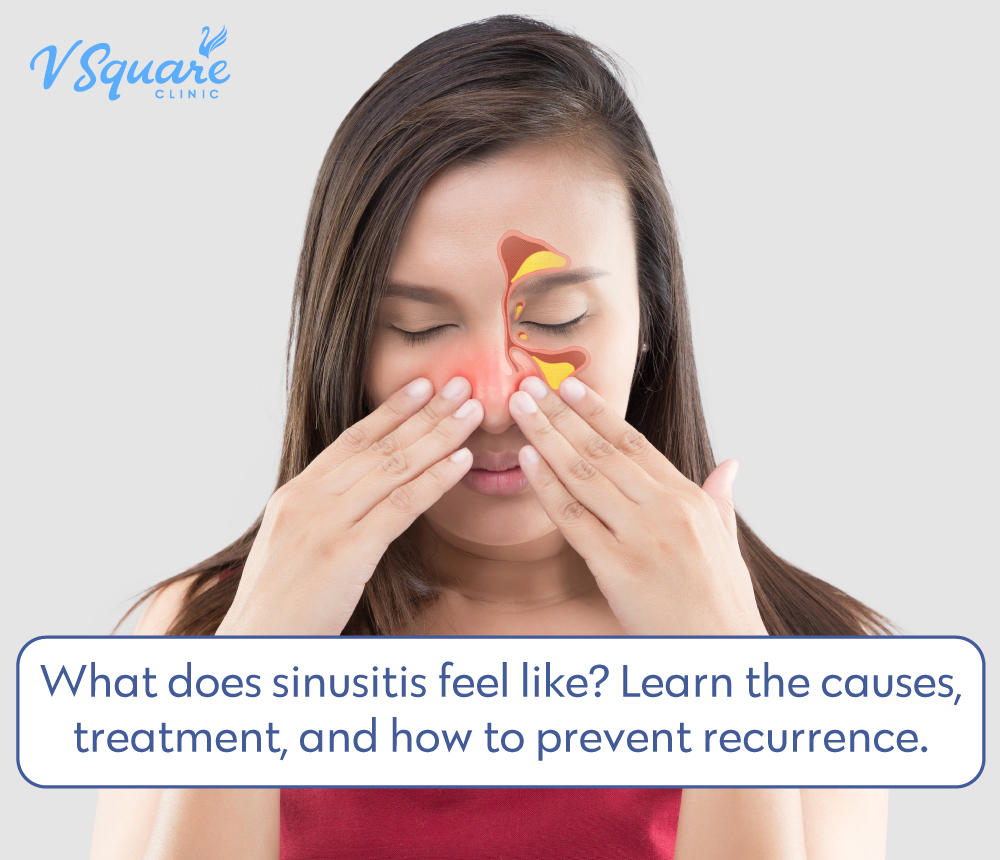
Sinusitis is becoming increasingly common, affecting around 15% of the general population. Although the condition is not typically dangerous and can be fully treated, inadequate self-care may lead to chronic symptoms or complications that require longer treatment.
Because sinusitis symptoms closely resemble those of the common cold, allergies, and COVID-19, this article explains the key differences, the actual causes, available treatments, and how to care for yourself for faster recovery — including ways to prevent symptoms from coming back and support immune health.
Table of Content : Sinusitis
What Is Sinusitis?
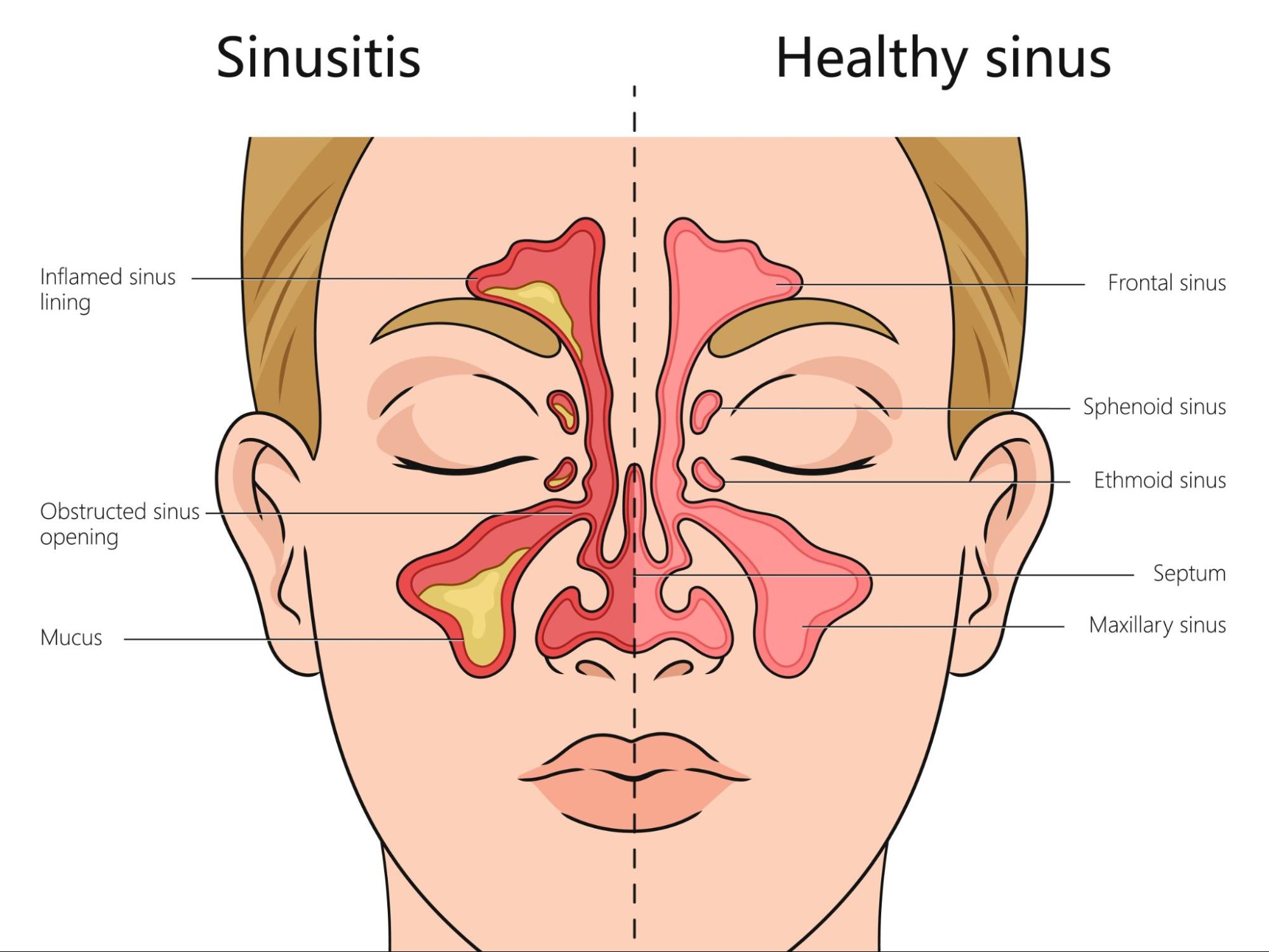
The sinuses are air-filled cavities located within the facial bones — not a disease, as many people assume. There are four pairs of sinuses:
- Frontal Sinus (forehead)
- Sphenoid Sinus (behind the nose or base of the skull)
- Ethmoid Sinus (between the eyes)
- Maxillary Sinus (cheekbones)
These cavities are connected by small channels and produce mucus that helps trap bacteria, allergens, and other pathogens, keeping the nasal passages clean.
Sinusitis is a condition in which the sinus lining becomes inflamed or infected, blocking normal mucus drainage. This often causes nasal congestion, increased mucus production, and facial pressure around the eyes, nose, or forehead. Some people may experience foul-smelling breath, postnasal drip, or fever.
Types of Sinusitis
Sinusitis can be classified by duration and underlying cause. Symptoms across the different types are often similar.
Sinusitis by duration
- Acute Sinusitis: Symptoms last up to 4 weeks, usually caused by viral infections.
- Subacute Sinusitis: Symptoms last 4–12 weeks.
- Chronic Sinusitis: Symptoms persist for 12 weeks or longer, commonly associated with allergies or asthma.
- Recurrent Acute Sinusitis: Four or more episodes within a year, with each episode lasting less than two weeks.
Sinusitis by cause
- Viral Sinusitis: Usually caused by the same viruses responsible for the common cold.
- Bacterial Sinusitis: Symptoms last longer than 10 days or temporarily improve before worsening again.
- Fungal Sinusitis: Less common and typically seen in individuals with weakened immunity. Symptoms may be more severe and prone to complications.
What Are the Symptoms of Sinusitis?
For anyone wanting to check their symptoms, sinusitis commonly presents with:
- Runny nose or postnasal drip
- Thick mucus that is yellow or green
- Nasal congestion and difficulty breathing
- Facial pain or pressure, especially around the nose, eyes, and forehead; symptoms worsen when bending forward
- Bad breath or an unusual taste in the mouth
- Reduced sense of smell and taste
- Sore throat and cough, often worse at night
- Some individuals may also have fever, fatigue, or tooth pain
How Do Sinusitis Symptoms Differ from the Common Cold, Allergies, and COVID-19?
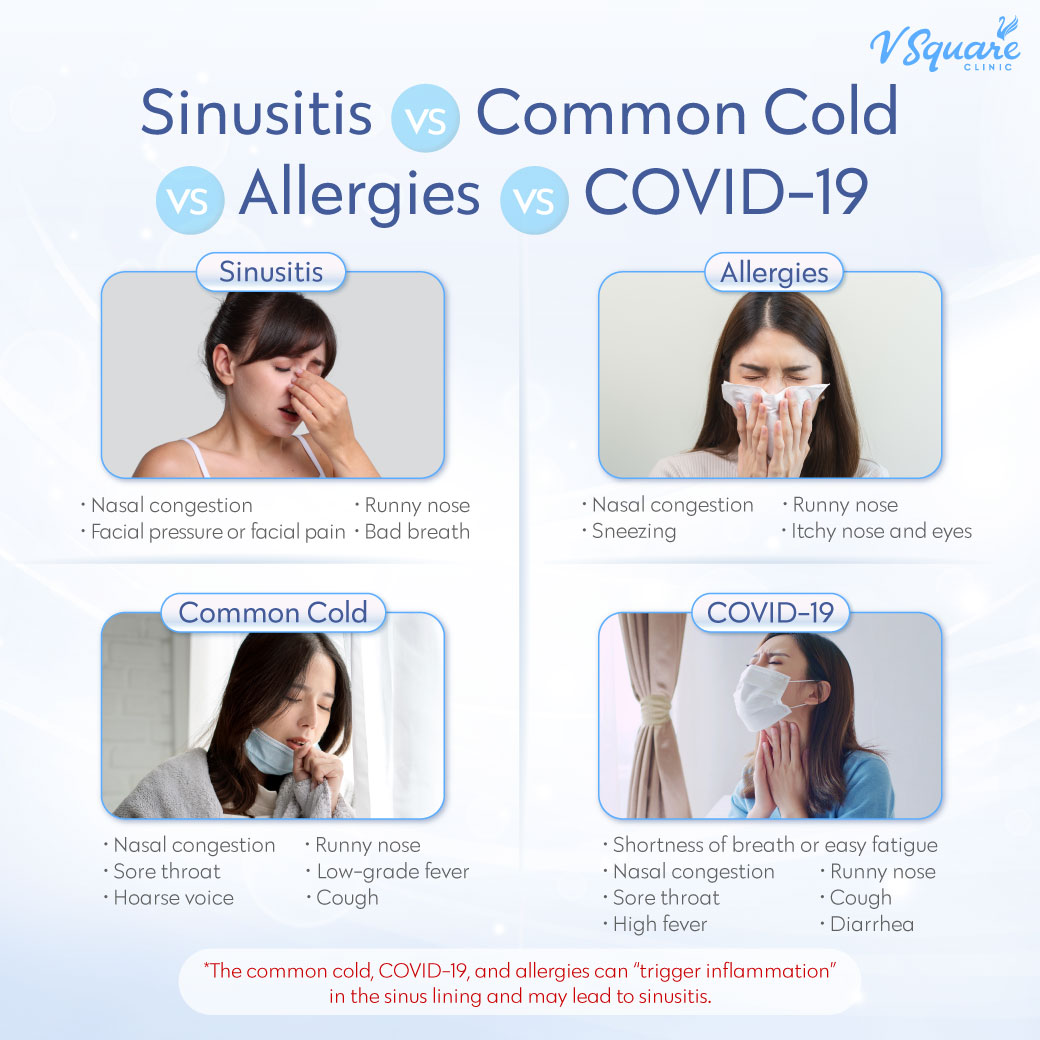
Sinusitis, the common cold, allergies, and COVID-19 share similarities — particularly nasal congestion and a runny nose. However, there are key differences:
- Common cold: In the early phase, symptoms usually include a sore throat, nasal congestion, and a runny nose. Symptoms may gradually worsen before improving on their own, typically resolving within 7 days.
- Allergic rhinitis: Although nasal congestion and a runny nose resemble sinusitis, allergy symptoms usually involve clear mucus, no facial pressure, and more typical allergic signs such as sneezing, an itchy nose, and itchy, watery eyes.
- COVID-19: Symptoms may resemble those of the common cold but often include additional signs such as high fever, difficulty breathing, fatigue, and sometimes diarrhea.
The common cold, COVID-19, and allergies can all trigger inflammation in the sinus lining and may lead to sinusitis. If symptoms persist, recur frequently, or last longer than expected, a medical evaluation is recommended for proper diagnosis and treatment.
What Causes Sinusitis?
Most cases of sinusitis result from viruses, bacteria, fungi, or allergens. Individuals with the following conditions or health factors have a higher risk of developing acute or chronic sinusitis:
- Common cold or influenza
- Allergic rhinitis or seasonal allergies
- Asthma
- Structural abnormalities of the nasal cavity, such as a deviated septum or nasal polyps
- A weakened immune system, frequent infections, or underlying conditions such as cancer or HIV
- Regular use of medications that suppress immune function
- Smoking or frequent exposure to second-hand smoke

How to Treat Sinusitis — At Home and With Medical Care
In many cases, acute sinusitis resolves on its own within a short period without the need for medical treatment, and self-care is often sufficient. However, if symptoms do not improve or persist longer than one week, a medical evaluation, including a physical examination and medical history, is recommended.
Here are common home-care methods and medical treatment options:
- Take medications based on symptoms, such as antihistamines or decongestants. Pain relievers may help with facial pressure. Avoid self-prescribing antibiotics.
- Rinse the nose with saline solution to flush out mucus, relieve congestion, and improve airflow.
- Increase water intake to prevent nasal dryness and help the body eliminate waste.
- Get adequate sleep and avoid strenuous activities to support the immune system.
- Apply warm compresses to the nose to reduce pressure and ease facial discomfort.
- Keep the body warm and avoid swimming while symptoms are present.
- Use steroid nasal sprays to reduce swelling and allergic inflammation. These are often used for chronic sinusitis and help prevent recurrent nasal polyps after sinus surgery.
- Antibiotics may be prescribed only if symptoms persist over 10 days or if bacterial sinusitis is confirmed.
- Sinus surgery is considered only in severe cases, non-responsive symptoms, or sinusitis caused by fungi.

What Happens If Sinusitis Is Not Treated?
Acute sinusitis may progress to chronic sinusitis if poorly managed, causing long-term discomfort. In rare cases, untreated sinusitis can lead to serious and potentially life-threatening complications if the infection spreads to other areas, such as:
- Upper and lower airways: Can lead to throat inflammation, laryngitis, bronchitis, and may increase the risk of asthma.
- Eyes: May cause orbital cellulitis, eyelid swelling, eye pain with movement, double vision, or blurred vision.
- Brain: Persistent severe headache with fever may indicate worsening inflammation, which can lead to meningitis or infection spreading into brain tissue.
How to Prevent Sinusitis From Recurring
Sinusitis can often be prevented by avoiding triggers such as respiratory infections and allergens. Simple ways to help prevent sinusitis include:
- Avoid close contact with individuals who have colds or respiratory infections
- Get an annual influenza vaccination
- Avoid allergens such as dust mites, pet dander, smoke, and environmental pollutants
In addition, maintaining a healthy lifestyle can help strengthen the immune system and reduce the risk of sinusitis coming back:
- Get 7–8 hours of quality sleep at consistent times
- Eat a nutrient-dense diet rich in vitamins and minerals, such as guava, oranges, and berries
- Exercise at least 3 times per week, 20–30 minutes per session
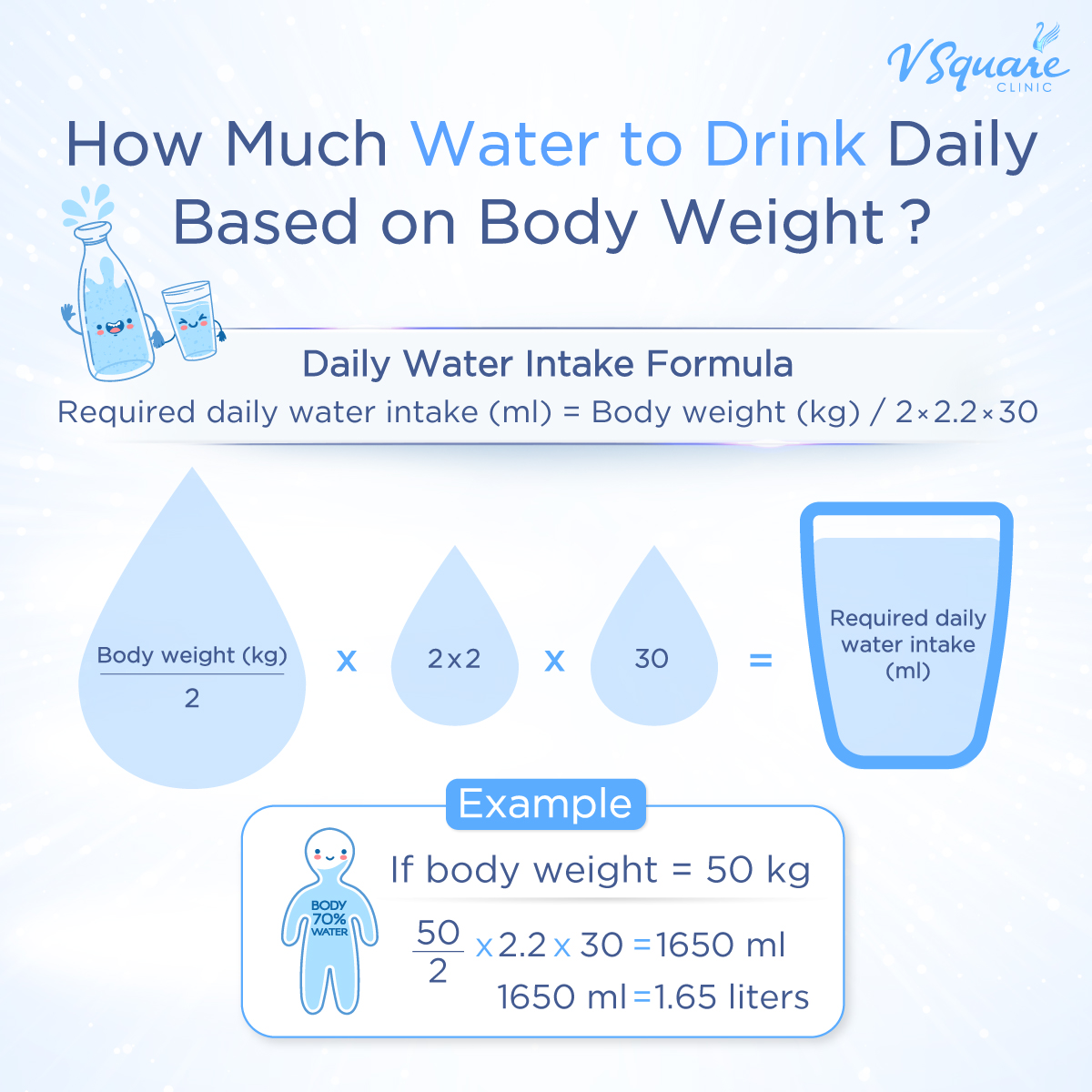
- Drink 1.5–2 liters of water per day, adjusted for body weight
- Wash your hands thoroughly before eating and after using the restroom
- Keep the home clean and use an air purifier to reduce dust, mites, and airborne allergens

Note: Sinusitis itself is not contagious. However, the viruses and bacteria that can lead to sinus infections may be transmitted from person to person. Proper handwashing significantly reduces the risk of sinusitis and other infectious diseases.
Immune V Booster — A Convenient Way to Support Immunity and Reduce Sinusitis Recurrence
For those who have limited time to take care of their health or want a quick way to strengthen their immune system, a vitamin drip is an excellent option. It delivers vitamins and minerals directly into the bloodstream, allowing for efficient absorption without loss during digestion and faster physiological effects.
At V Square Wellness Center, we offer a range of IV Drip formulas designed to support overall wellness and skin health.
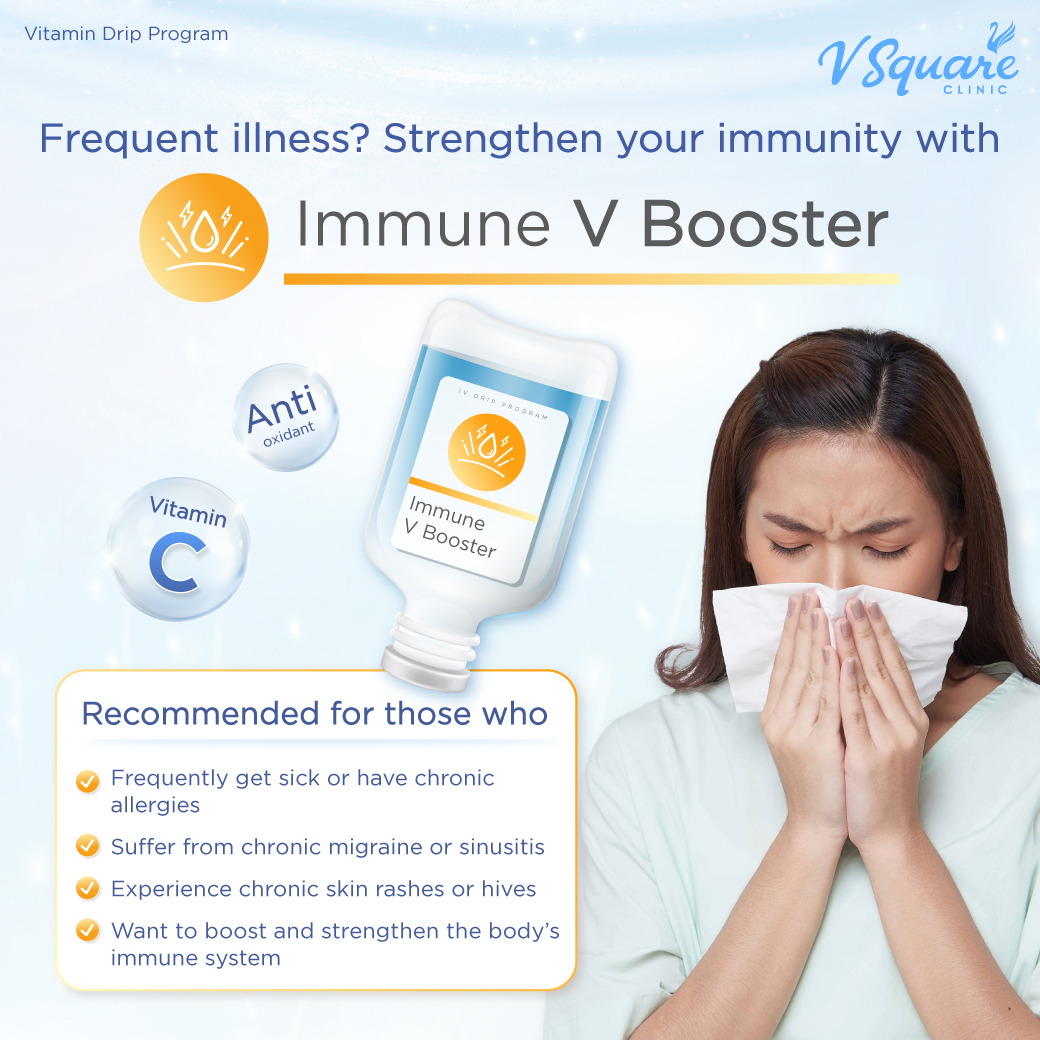
For individuals with chronic sinusitis, chronic allergies, or those who fall sick frequently, the Immune V Booster formula is recommended. It contains a high concentration of vitamin C and takes around 1 hour per session. The treatment can be repeated every 1–2 weeks.
Why Choose V Square Wellness for Vitamin Drips?
At V Square Wellness Center, our IV Drip programs use premium-grade vitamins and nutrients that meet Thai FDA standards and are free from harmful substances. Before each session, a comprehensive health assessment is carried out to ensure the treatment is appropriate and the formula is adjusted to suit individual needs. Consultations are provided at no additional cost, with thoughtfully designed packages available to support different health goals.
Interested in wellness or skin-boosting vitamin drips at V Square Clinic?
Check the latest promotions here.

Summary — Sinusitis Can Be Prevented When Your Immune System Is Strong
Keeping your immune system strong plays an important role in reducing the risk of sinusitis. This can be done through simple daily habits — such as eating nutritious foods, exercising regularly, getting enough sleep, and avoiding allergens and airborne irritants.
For those with a busy lifestyle, vitamin drips may be considered as an additional option. When choosing this approach, it is important to select a reputable clinic that uses certified ingredients and carries out treatments under proper medical supervision.
Reference
- คณะแพทยศาสตร์ศิริราชพยาบาล. (2556), ไซนัสอักเสบ และโรคหืด | รศ.นพ.ปารยะ อาศนะเสน. เข้าถึงได้จาก https://www.si.mahidol.ac.th/th/healthdetail.asp?aid=1055
- คณะแพทยศาสตร์ศิริราชพยาบาล. (2558), ไซนัส…….สำคัญไฉน | รศ.นพ.ปารยะ อาศนะเสน. เข้าถึงได้จาก https://www.si.mahidol.ac.th/th/healthdetail.asp?aid=1162

สำหรับผู้อ่านทุกท่านที่มีข้อสงสัยเพิ่มเติม ทีมแพทย์ V Square Clinic ทุกคนยินดีให้คำปรึกษาฟรี โดยไม่มีค่าใช้จ่าย หรือสามารถปรึกษาหมอทาง inbox facebook หรือ Line นี้ได้เลยครับ หมอตอบเองครับ

What Is a Weight Loss Pen? How It Works & How to Choose the Right Option for Effective Results
Reading Time: 10 minutesObesity has become a major global health concern, leading many people to seek weight-loss methods that are both safe and effective. A weight loss pen, also known as a weight loss injection pen, is one of the medical innovations that has gained significant popularity in recent years

Wegovy Weight Loss Pen (Semaglutide): A Medical Approach ...
Reading Time: 10 minutesWegovy is a weight-loss pen developed in Denmark, containing the active ingredient Semaglutide. It is a treatment option designed to help individuals with obesity reduce weight and lower long-term health risks associated with excess body fat.

What Visceral Fat Is — 9 Ways to Reduce VF Levels and Low...
Reading Time: 11 minutesMany people think visceral fat is the same as the belly fat you can see or pinch. In reality, visceral fat also surrounds vital organs such as the liver, intestines, and heart. Because of its location, it provides important clues about overall health.

Get to Know inBo — A New Korean-Swedish Botox with Fast R...
Reading Time: 8 minutesinBo is a new-generation botulinum toxin that has been gaining a lot of attention thanks to its high purity, fast onset, natural-looking results, and brand transparency. The manufacturer clearly discloses both the bacterial strain and its production origin, which many patients appreciate.

Best Ways to Tighten Enlarged Pores for Smoother Skin — W...
Reading Time: 14 minutesEnlarged pores can make the skin appear uneven and affect overall confidence. Today, there are many ways to tighten pores — from skincare ingredients and topical treatments to medical-grade procedures.