
Botox Aftercare Restrictions
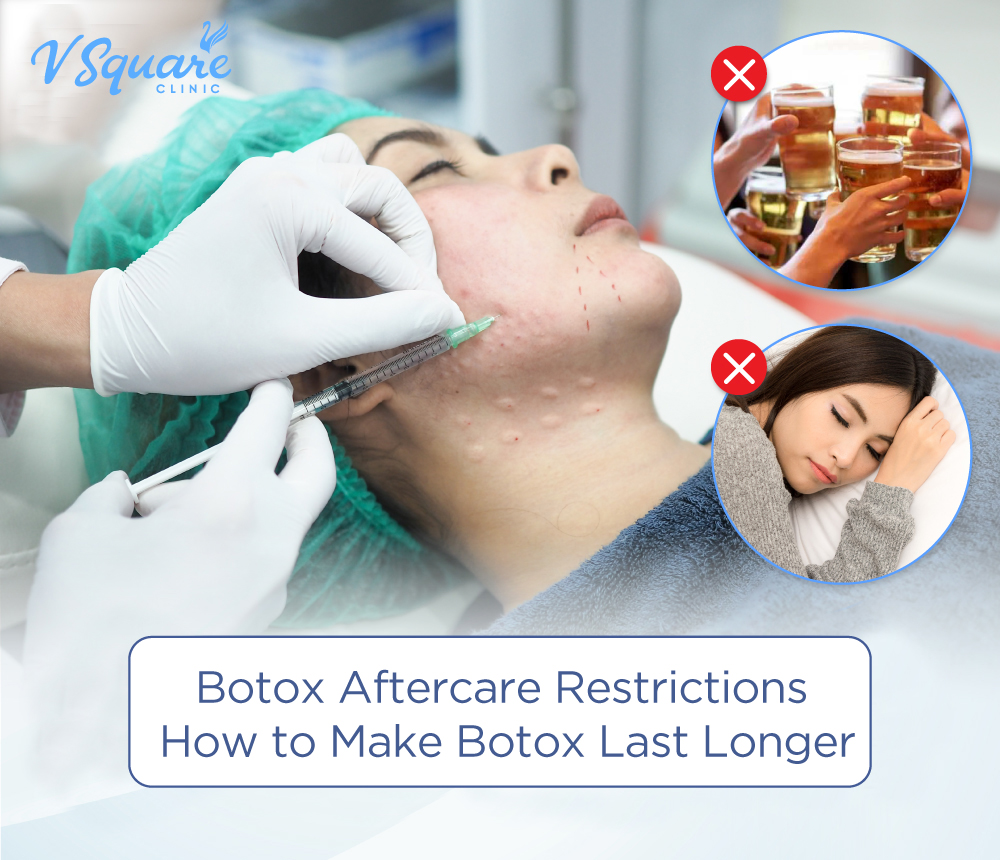
Botox (Botulinum Toxin) injections have been popular for many years because they deliver visible results—reducing wrinkles, slimming the jawline, and reshaping the face—at an affordable cost.
Typically, Botox lasts around 4–6 months. However, recent studies show that proper preparation and aftercare can significantly extend its effects. By understanding what to do—and what to avoid—patients can maximize the benefits of treatment while reducing the risk of resistance over time.
Table of content : Botox Aftercare Restrictions
How Does Botox Work?
Before outlining the do’s and don’ts of Botox aftercare, it is important to understand how Botox works. Knowing the mechanism helps explain why certain precautions before and after injections are necessary.
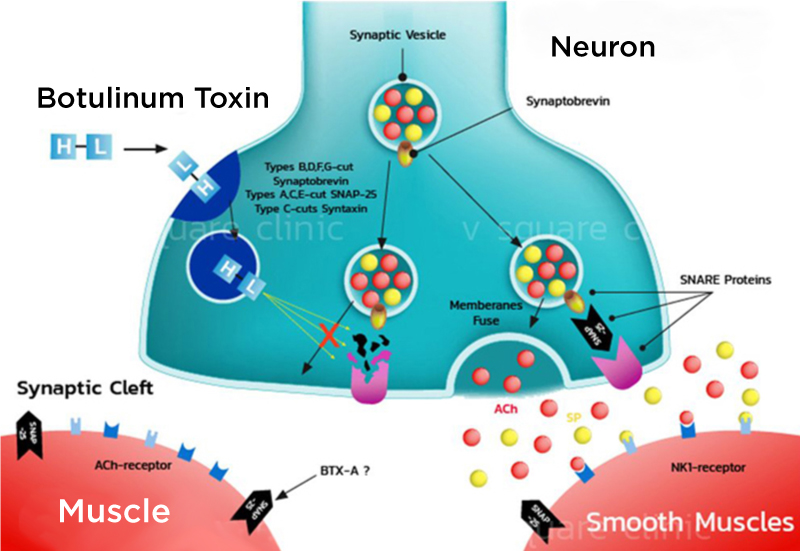
Botox is a clear protein solution that separates into two parts once injected into the muscle
Part 1: The portion that gets absorbed and stored in the nerve cell is the only part that takes effect. The higher the concentration of this absorbed portion, the longer Botox will last.
Part 2: The portion that isn’t absorbed circulates through the bloodstream within about an hour after injection and is eventually excreted, without affecting other cells in the body—essentially wasted.
Pre-Botox Preparation: How to Maximize Effectiveness and Reduce Waste for Longer-Lasting Results
1. Always Use Genuine Botox
Authentic Botox has low diffusion, meaning it stays precisely where it is injected and is less likely to disperse. For this reason, it is essential to ensure that only genuine Botox is used.
Before injection, patients should know how to recognize authentic Botox across different brands. The doctor should open the box and prepare the vial in front of the patient. After injection, patients may request to keep the box and empty vial or at least take a photo for verification. A reputable clinic using genuine Botox will always be transparent and willing to provide proof.
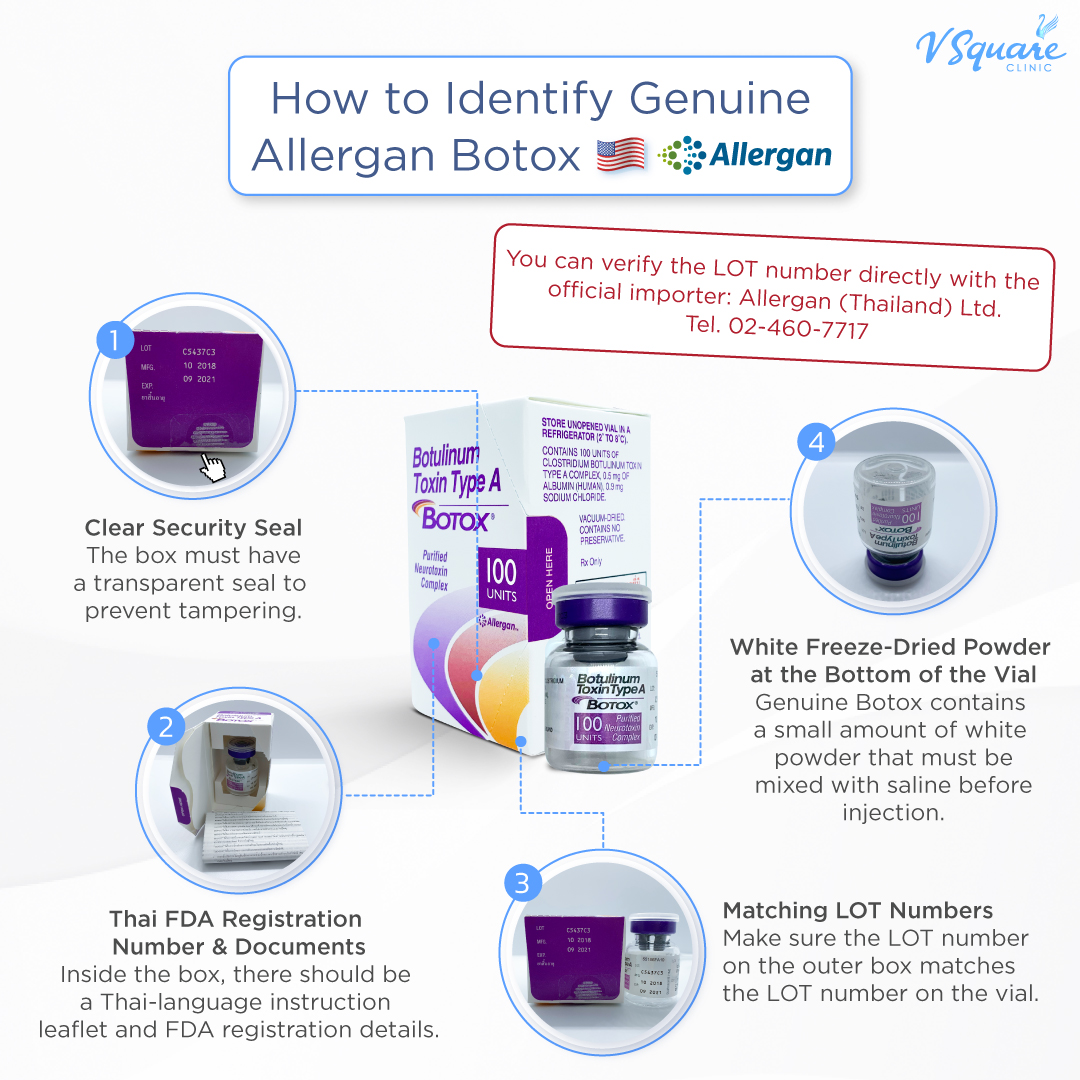
American Botox has the lowest diffusion rate compared to other brands, which means it remains more localized after injection. However, the cost of American Botox is usually almost double that of other options.
When choosing genuine Botox, pricing is another important consideration. At reputable clinics, prices are usually quite similar, since the product cost is about the same. Extremely cheap Botox should raise concern, as it may be counterfeit or repackaged from lower-cost products. Using such products increases the risk of developing Botox resistance in the future.
At V Square Clinic, only genuine, globally recognized Botox brands are used, offered at reasonable prices, and administered exclusively by experienced doctors. Patients can also check for ongoing promotional Botox pricing in the section below.
Interested in Botox injections at V Square Clinic?
Click here to view the latest promotions.

2. Proper Mixing with Saline
All genuine Botox brands come in a vacuum-dried form—white crystalline powder without liquid. Before injection, they must be mixed with saline. If too much saline is added, the Botox may diffuse more easily and lose effectiveness. The ideal concentration is 2.6 cc of saline per 100 units of Botox.
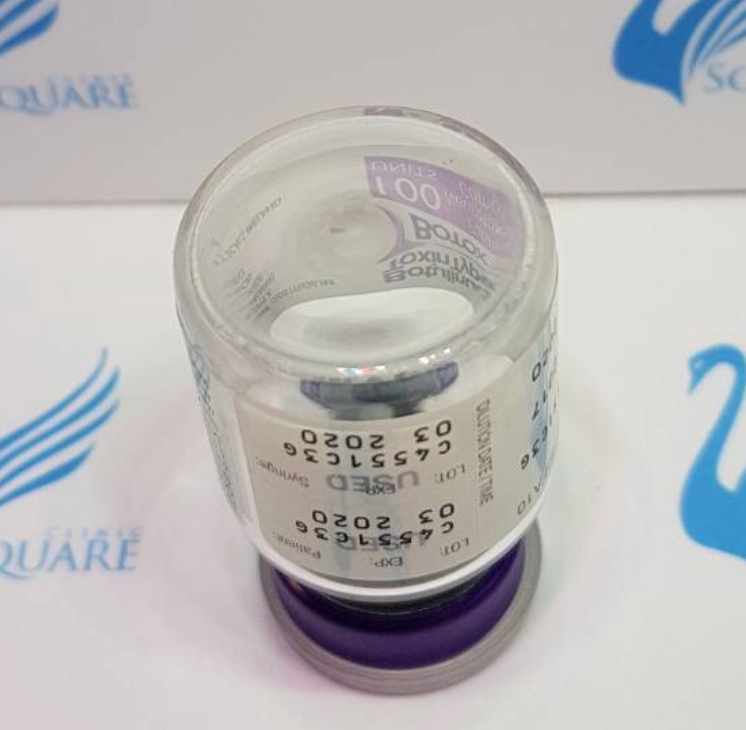
Before injection, patients should request that the doctor mix the Botox in front of them. This ensures the product is not overly diluted. If it arrives pre-mixed, there is no way to confirm whether it has the correct concentration.
3. Correct Injection Technique
It’s essential to choose a reputable clinic with doctors who have experience assessing muscles and determining the right injection points and depths. Botox needs to be placed at the neuromuscular junction (where the nerve meets the muscle).
If the injection isn’t placed correctly, results may still appear but can take longer to show and may not last as long, since the Botox must diffuse to reach the intended area.
Unnecessary diffusion may also stimulate the body to produce antibodies, increasing the risk of Botox resistance.
4. Do Not Exceed 300 Units Per Session
Using more than 300 units in a single session increases the risk of antibody formation. Similarly, incorrect techniques—such as not injecting Botox directly into the muscle—can also raise the risk of resistance.
On the other hand, using too few units in an area may cause the effects to wear off quickly, requiring more frequent injections, which further increases resistance risk.
A skilled doctor will evaluate and recommend the appropriate number of units for each case.
5. During Injection
Applying a cold compress during the injection helps reduce blood circulation around the area, keeping the Botox localized where intended and minimizing unwanted diffusion.
Post-Botox Care – How to Make Botox Last Longer
1. Muscle Exercises Immediately After Injection
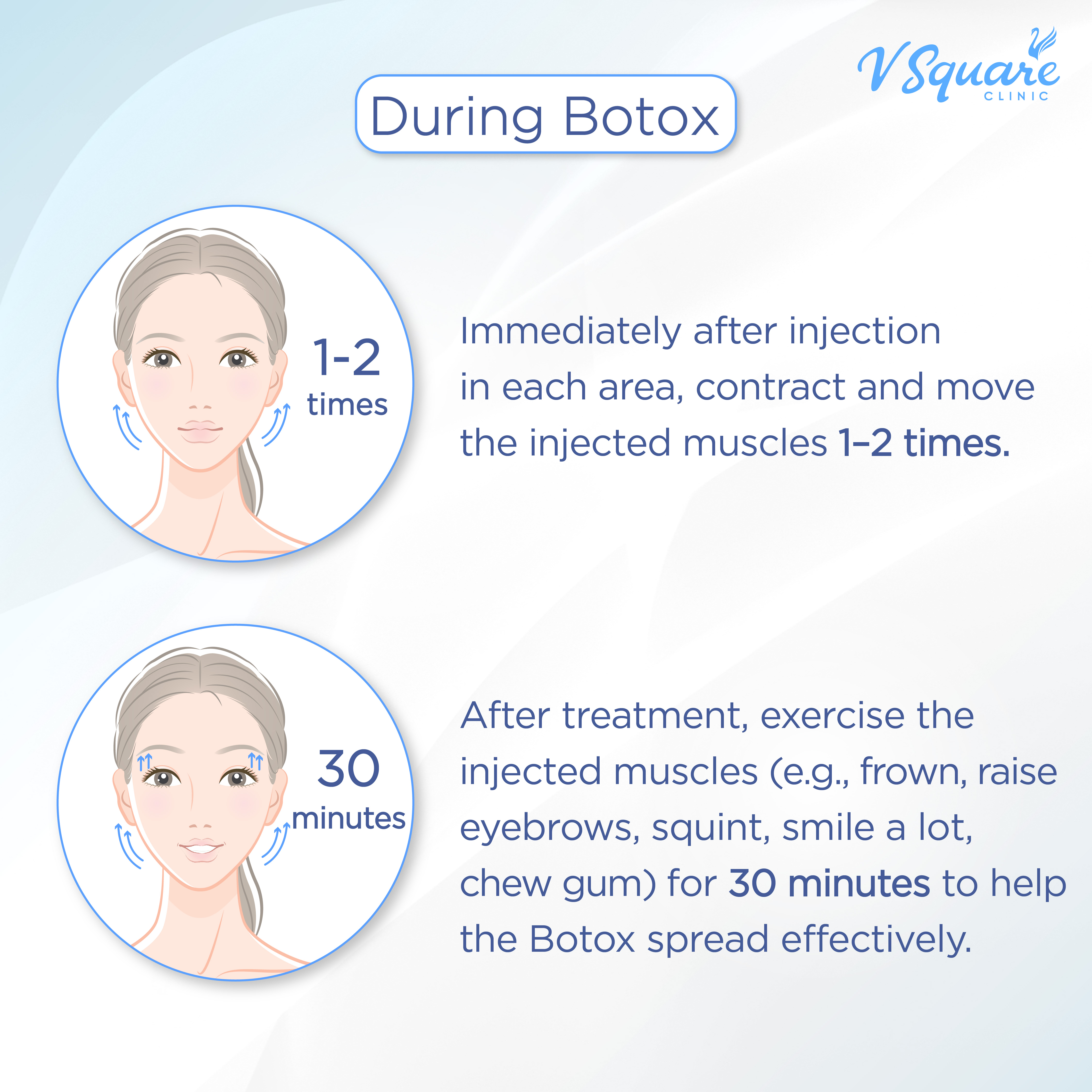
Right after injection, patients should contract the treated muscles 1–2 times. Once the treatment is complete, exercise all injected muscles for about 30 minutes.
This helps maximize the uptake of Botox by the nerve cells, reducing waste.
Note: Do not apply cold compresses after injection, as this can interfere with Botox absorption into the nerve cells. (Cold is only used during the injection to limit diffusion, but afterward, muscle movement helps draw the Botox into the cells.)
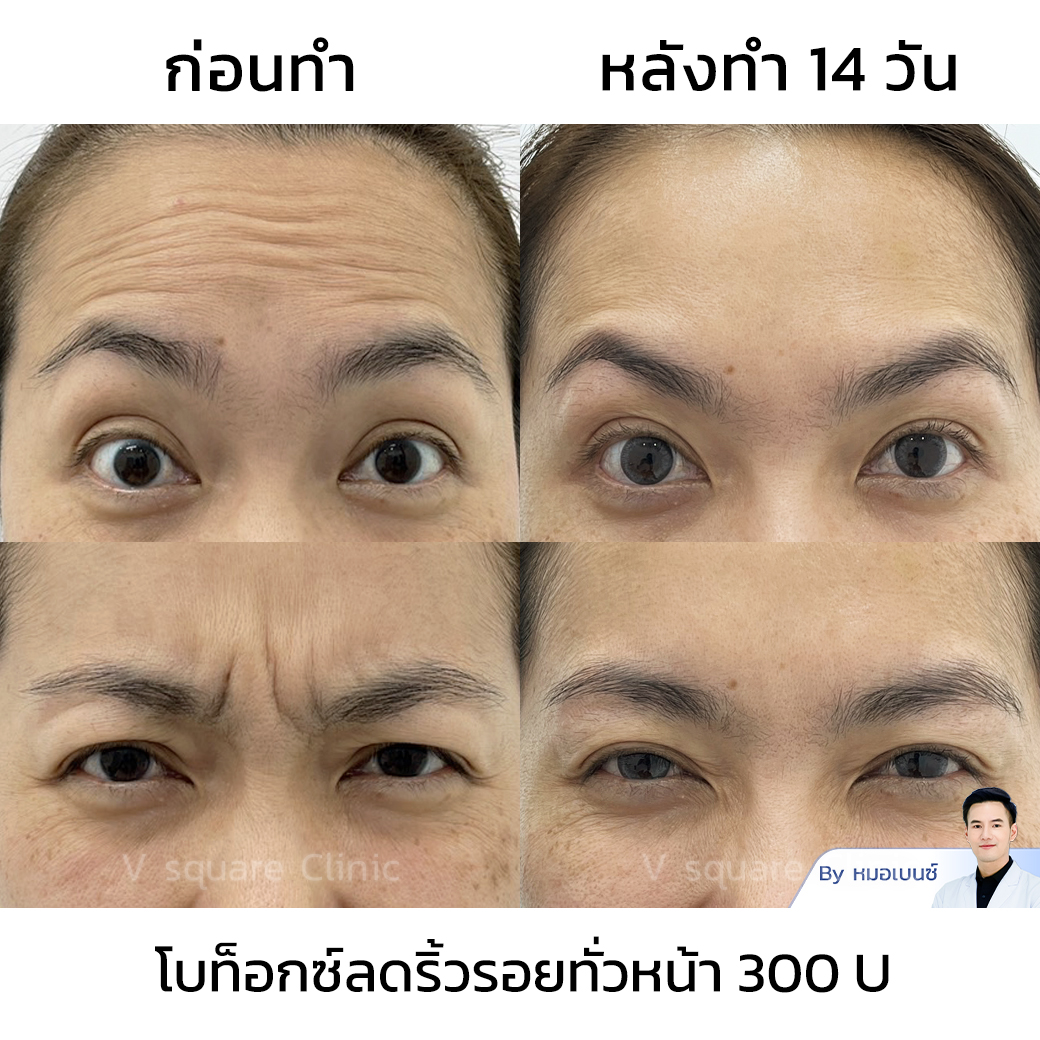
Brand: Dysport, 300 units
(Dr. Thanaphat Jitthai .49640)
After injection, patients should immediately move the muscle on the injected side (left side in the picture).
After this initial exercise, unnecessary muscle activity should be minimized in the treated area. For instance, avoid chewing tough or sticky foods when not needed. Frequent muscle stimulation can cause nerve terminals to regenerate, allowing muscles to contract again even while Botox is still active. Increased muscle movement also boosts blood flow in the area, making Botox break down faster.
For example, if Botox is injected into the jaw muscle, patients should chew gum or clench their teeth immediately after injection.
When a muscle is kept inactive for a long time, its size gradually decreases and regains function more slowly, helping Botox last longer. On the other hand, if muscles are stimulated often—such as frequent smiling, raising eyebrows, or chewing tough foods (commonly seen in snooker players)—the muscle strengthens, causing Botox effects to wear off more quickly.
2. Avoid Lying Flat for 3 Hours After Botox
Post-Botox swelling is common. To manage this:
- Do not scratch, massage, or rub the treated area.
- Avoid bending the head lower than chest level, as this increases blood flow to the face, causing more Botox to diffuse away from the injection site.
Botox in nerve cells (the active part) takes 7–14 days to start working, inhibiting muscle activity. Over time, its concentration decreases naturally. The main factors that accelerate Botox breakdown are heat and blood circulation (metabolism).
3. Zinc Supplementation (50 mg) Before & After Botox
Research shows that taking 50 mg of zinc before and after Botox may help the treatment act faster, enhance effectiveness, and prolong results.
However, in some cases, it may also intensify side effects if the effect becomes too strong. High-dose zinc should only be taken under medical advice—usually for patients with confirmed zinc deficiency or Botox resistance (when Botox wears off unusually quickly).
For general use, consuming zinc in normal amounts (Thai RDA: 15–20 mg/day) is safe.
Signs of zinc deficiency include:
- Hair loss, split ends
- Chronic wounds
- Dry, flaky skin
- Frequent rashes
- Brittle nails
In such cases, zinc supplementation before or after Botox may help results last longer.

Zinc content in foods (per 100 g):
- Meat, seafood: 1.5–4 mg
- Oysters: 75 mg
- Liver: 4–7 mg
- Egg yolk: 1.5 mg
- Fruits & vegetables: very low, with poor absorption
Botox activity in nerve cells depends heavily on zinc. A U.S. survey found 30% of Americans are zinc-deficient (no Thai data available). Deficiency reduces Botox’s effect, makes results shorter, and slows onset. Many Thai patients may also lack zinc, especially with increasing age.
4. Maintain Proper Injection Intervals
Botox injections should be scheduled at appropriate intervals:
- Not too frequently — at least 3 months apart
- Not too far apart — no longer than 5–6 months
If the gap is too long, the muscle may regain full activity, which can require more Botox units in future treatments.
Restrictions After Botox
1. Avoid All Sources of Heat & Activities That Cause Flushing
For at least 2 weeks after injection (or at least 48 hours if unavoidable), patients should avoid:
- Sauna
- Heavy exercise
- Sun exposure
- Alcohol
- Heat-based skin treatments (e.g., RF, Thermage)
- Sleeping face-down
- Bending the head lower than chest level
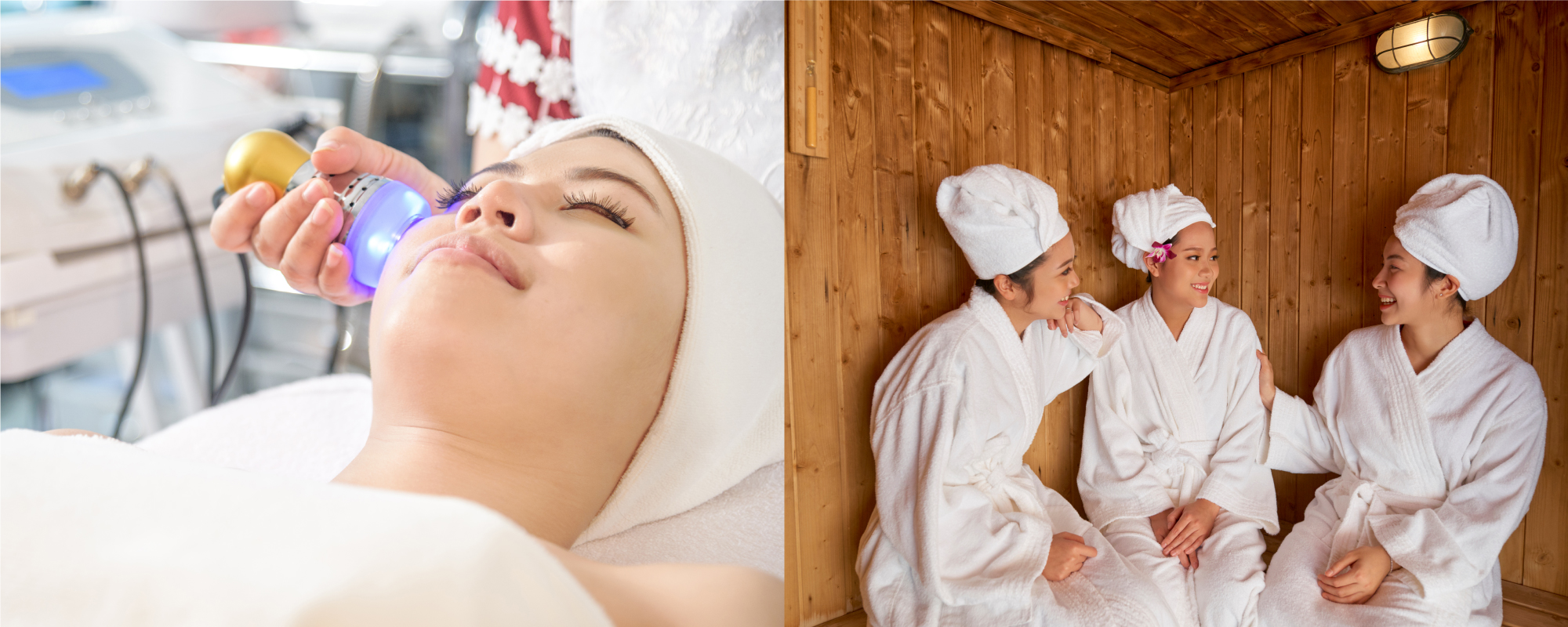
(If that’s not possible, avoid them for at least 48 hours post-injection.)
2. Avoid Certain Foods and Drinks After Botox
For 2 weeks after injection, patients should avoid:
- All alcoholic beverages: liquor, beer, wine, and fermented drinks
- BBQ, hotpot, and shabu – sitting directly in front of a hot grill or pot
- Very spicy foods that cause flushing and burning sensations
- Fermented or pickled foods that dilate blood vessels (e.g., fermented fish, pickled bamboo shoots, pickled mango)
- Smoking – cigarettes contain multiple substances that dilate blood vessels

After 2 weeks, these activities may still slightly shorten Botox’s lifespan, but the most significant negative effects come from sauna and heat-based lasers. Other activities don’t need to be strictly avoided.
3. Avoid Heavy Exercise Immediately After Botox
Patients don’t need to completely stop exercising to prolong Botox results. Exercise benefits overall health and helps brighten the skin. Simply avoid excessive heat exposure as much as possible.
Note: Patients who regularly receive facial treatments, massages, or laser treatments should schedule them before Botox. After injection, these treatments need to be paused for 2 weeks before resuming.
Summary Timeline – Post-Botox Care Instructions
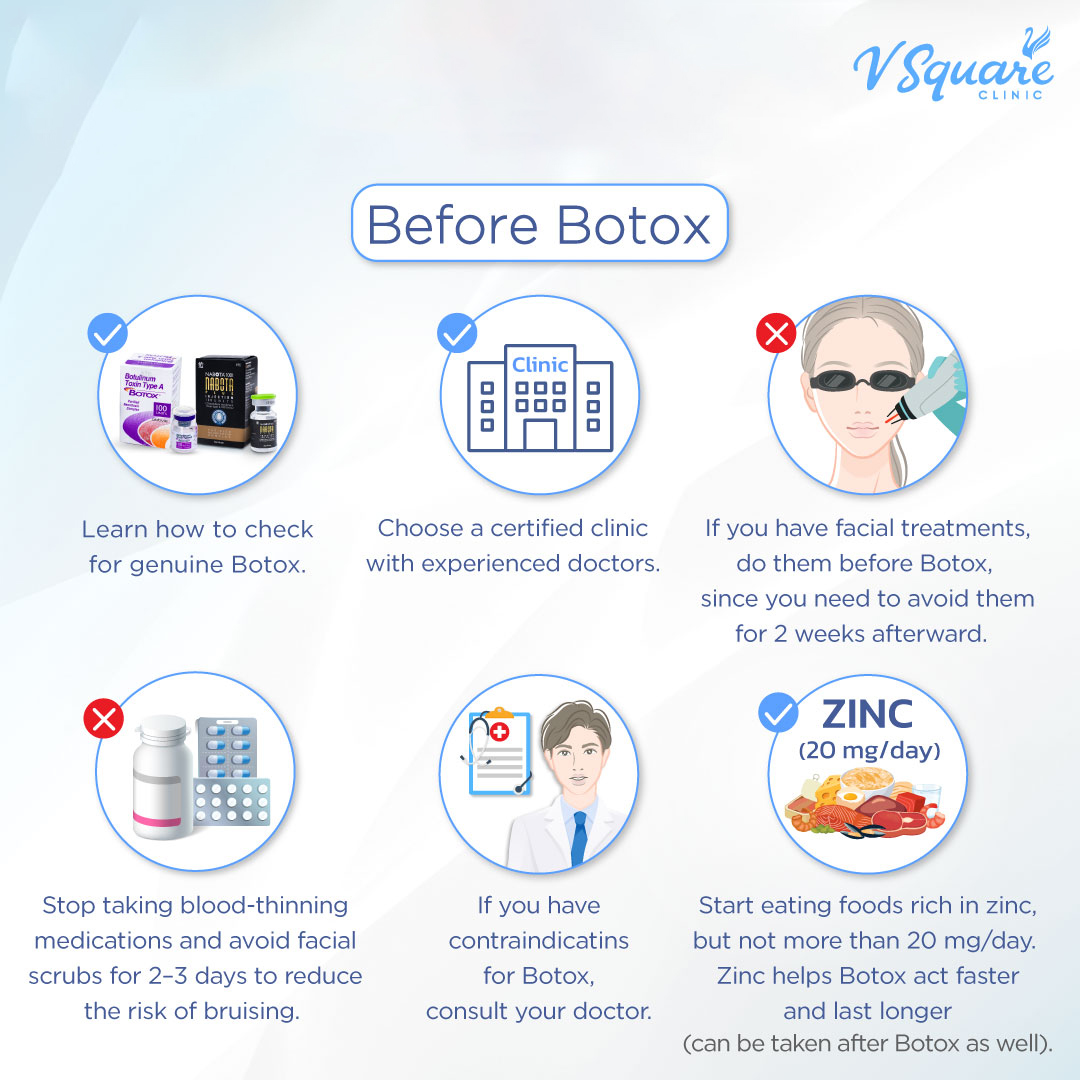
Before Botox Injection
- Research how to identify authentic Botox.
- Choose a certified clinic with experienced doctors.
- Complete any regular facial treatments, massages, or laser sessions before Botox, since these must be avoided for 2 weeks afterward.
- Avoid blood-thinning medications such as NSAIDs and aspirin, and stop using facial scrubs 2–3 days before injection to reduce the risk of bruising.
- Consult a doctor in advance if there are any contraindications.
- Consume zinc-rich foods or supplements if signs of zinc deficiency are present (see point 8), but do not exceed 20 mg/day. Zinc can help enhance Botox efficacy. (It’s not mandatory to take zinc before; starting after Botox can also help extend results)
During Botox Injection
- Contract and move the treated muscles 1–2 times immediately after injection in each area.
- Exercise all injected muscles (e.g., frown, raise eyebrows, smile, chew gum) for about 30 minutes after treatment to help the Botox spread and absorb effectively.
3 Hours After Botox
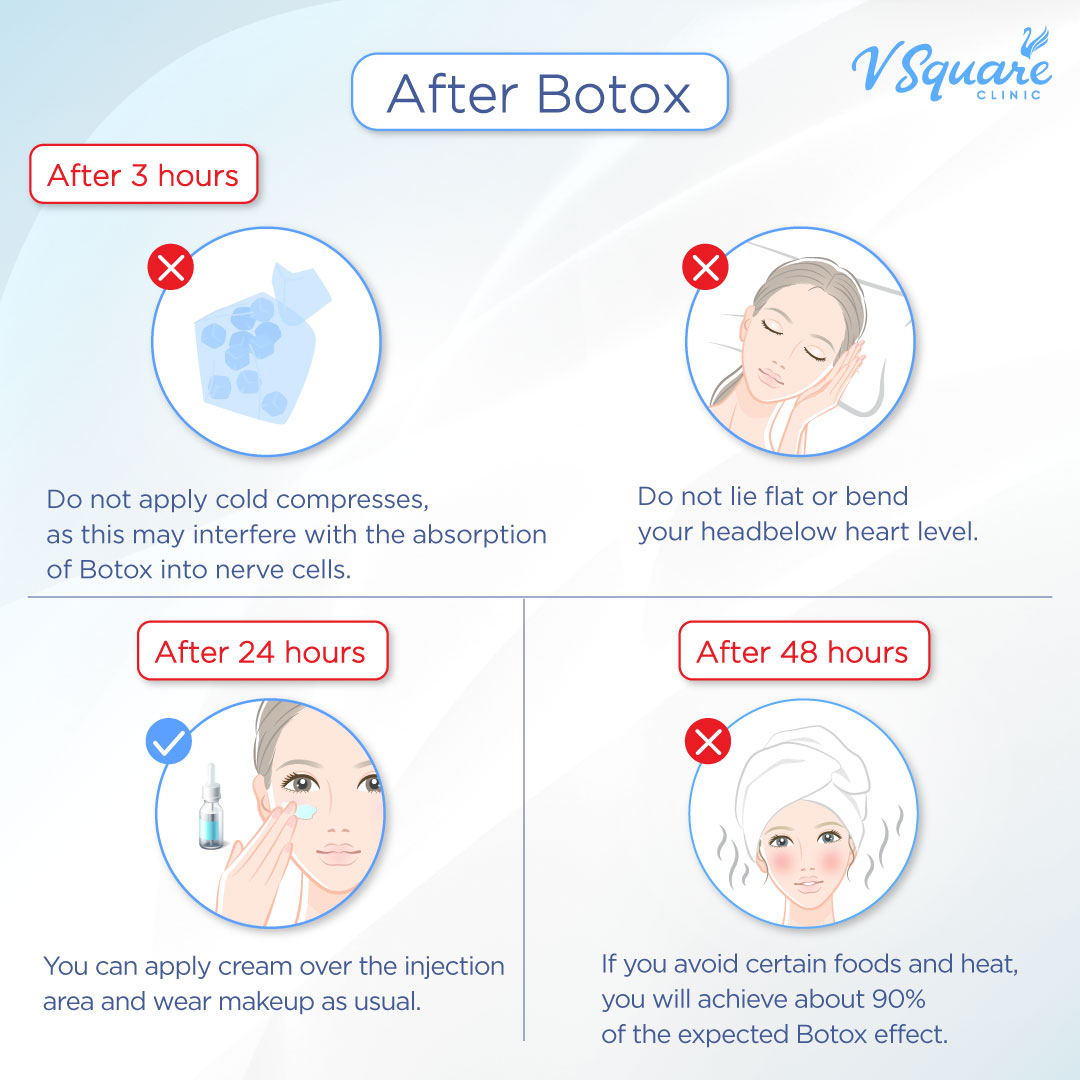
- Do not apply cold compresses, as this may interfere with Botox absorption.
- Avoid lying flat or lowering the head below heart level.
24 Hours After Botox
- Apply skincare products over the injection sites as usual and wear makeup normally.
48 Hours After Botox
- Avoid certain foods and heat exposure (see point 8) to help retain about 90% of Botox’s full effect.
2–3 Days After Boto
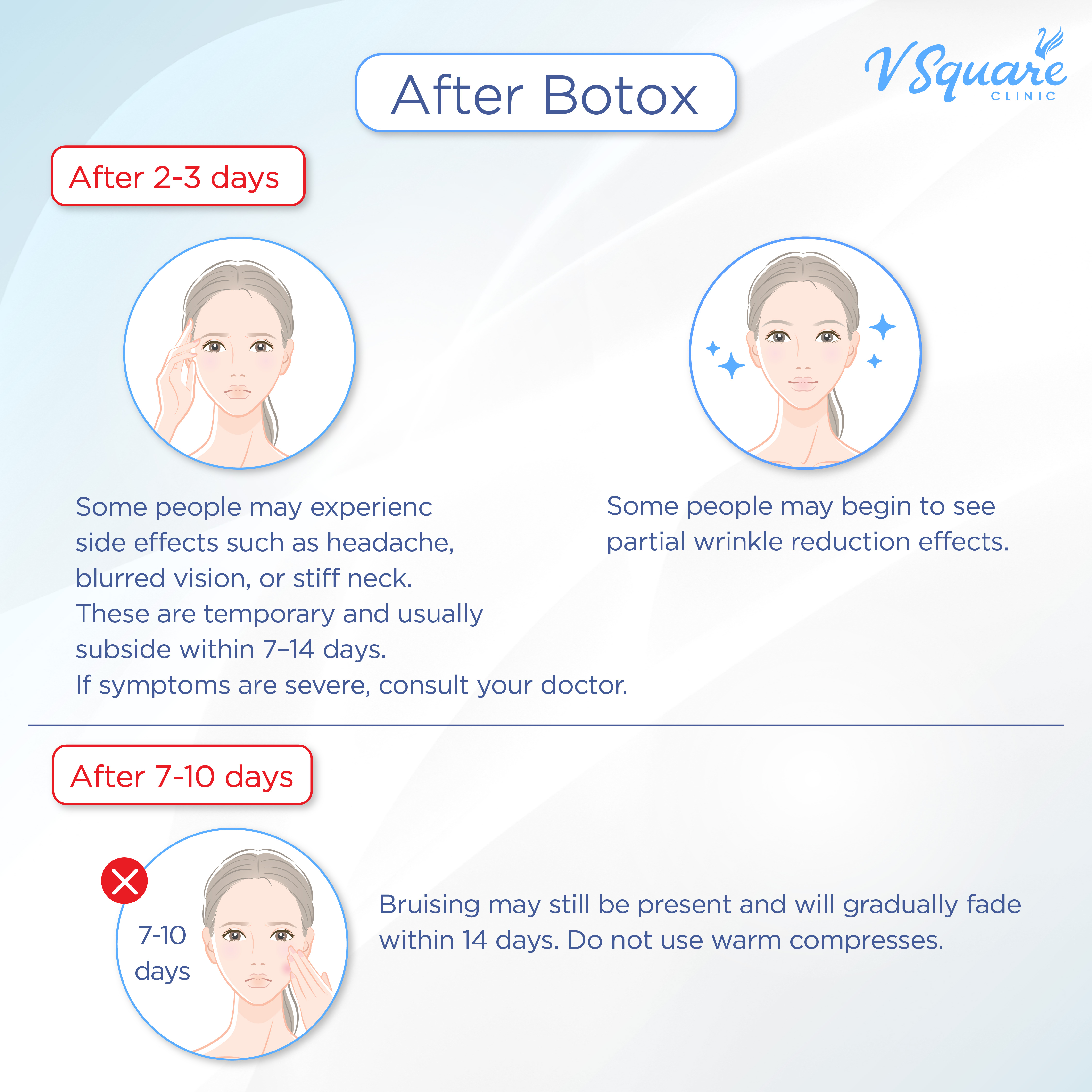
- Some patients may experience mild, temporary side effects such as headache, blurred vision, or dry throat. These typically resolve within 7–14 days. If symptoms worsen, patients should consult a doctor. Cold compresses may help relieve headaches.
- Early wrinkle-reducing effects may start to appear.
7–10 Days After Botox
- Mild swelling or bruising may still be present but usually fades within 14 days. Do not apply heat.
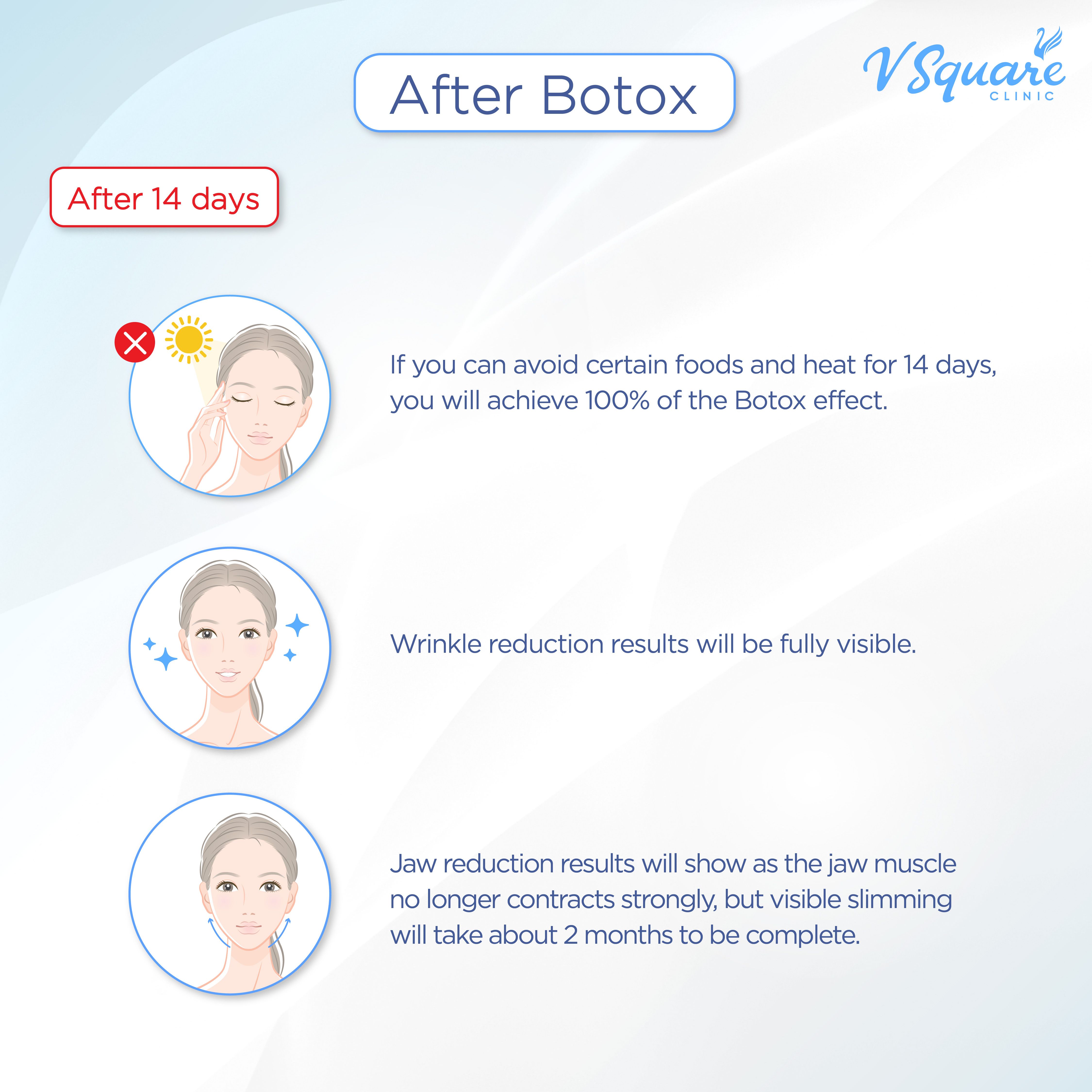
14 Days After Botox
- Botox delivers 100% of its effects if patients avoid heat and certain foods for 14 days
- Wrinkle reduction is nearly complete.
- Jaw-slimming effects from masseter reduction begin to appear, with full results visible after about 2 months.
14 Days and Beyond (Until the Next Botox Session)
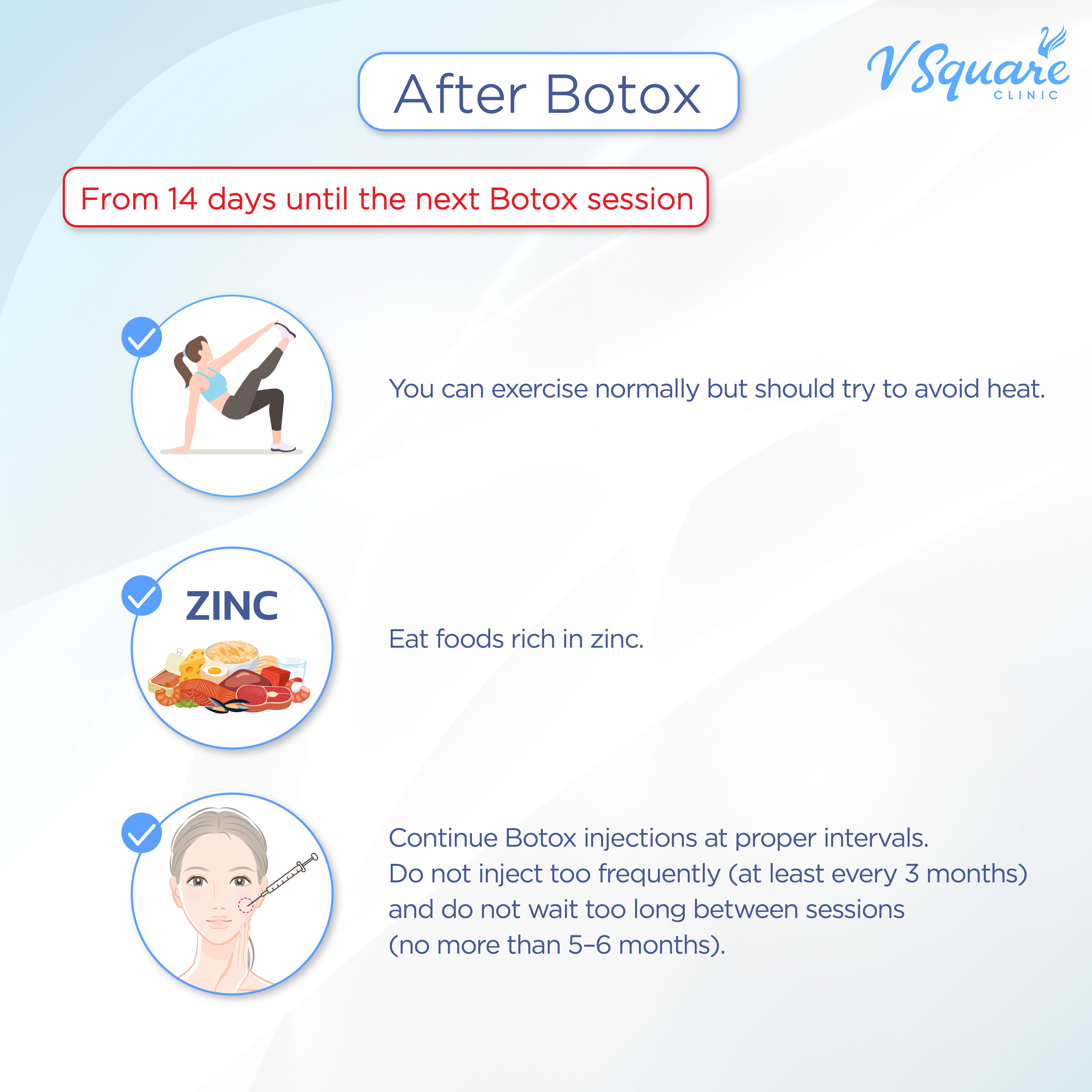
- Resume normal exercise but continue to avoid excessive heat.
- Maintain zinc intake.
- Schedule repeat Botox sessions at appropriate intervals:
- Not too frequent (at least every 3 months)
- Not too far apart (no more than 5–6 months)
- Reduce habitual overuse of injected muscles (e.g., avoid excessive gum chewing, frowning, or eyebrow lifting).
Absolute Contraindications to Botox (Life-Threatening Risks)
Absolute Contraindications – Do NOT Inject
- Patients with respiratory diseases such as asthma or emphysema, as these conditions may become life-threatening.
- Patients with muscle disorders affecting swallowing.
- Patients with neuromuscular diseases, such as:
- Amyotrophic lateral sclerosis (ALS)
- Lou Gehrig’s disease.
- Myasthenia gravis.
- Lambert-Eaton syndrome.
- Patients with active skin infections at the planned injection site.
- Patients with urinary incontinence or active urinary tract infections.
Relative Contraindications – Injectable With Caution (Doctor Consultation Required)
- Patients with a history of allergic reaction to any Botox ingredient.
- Botox contains: Botulinum toxin type A, Human albumin, Sodium chloride.
- Patients under 18 years old, as safety studies have not confirmed its use.
- Patients aged 12–18 years, where safety has only been confirmed in certain specific cases (must consult a doctor first).
Additional Information Patients Should Disclose to Their Doctor
- Any history of side effects from previous Botox injections.
- Bleeding disorders or a tendency to bruise easily.
- Planned surgeries in the near future.
- History of facial surgeries.
- Existing ptosis (drooping eyelids).
- Previous facial procedures such as Botox, fillers, thread lifts, mesotherapy, or laser treatments.
- Pregnancy – currently, there is no conclusive study confirming whether Botox is harmful to the fetus
- Breastfeeding – currently, there is no conclusive study confirming whether Botox can be transferred through breast milk
Medications to Avoid After Botox Injections
Patients should always inform their doctor about any current medications they are taking. Certain drugs, when combined with Botox, can cause serious side effects:
- Certain injectable antibiotics
It is a misconception that antibiotics “destroy” Botox. In fact, some antibiotics can enhance its effect, leading to dangerous complications. - Avoid using these with Botox: amikacin, colistin, polymyxin E, gentamicin, kanamycin, neomycin, netilmicin, plazomicin, polymyxin B, spectinomycin, streptomycin, tobramycin.
- Muscle relaxants
atracurium, cisatracurium, doxacurium, metocurine, mivacurium, pancuronium, pipecuronium, rapacuronium, rocuronium, succinylcholine, tubocurarine, vecuronium.
Antibiotics and muscle relaxants outside of these lists are generally safe to use with Botox.
- Medications that may cause moderate side effects (not life-threatening but still noticeable, such as blurred vision, dry mouth, or bruising):
- Antihistamines (allergy or cold medicines)
- Sleeping pills
- Antiplatelet drugs (blood-thinning medications)
Important: Within 4 months after Botox injections, patients should inform any prescribing doctor that they recently had Botox before starting new medications.
Q&A — Restrictions After Botox Injections
Can I get a facial massage after Botox?
A: If you have a regular facial massage, skincare treatment, or laser session, it’s best to do it before your Botox appointment. After injection, these treatments should be avoided for 2 weeks before resuming.
Why is alcohol not allowed after Botox?
A: Alcohol increases body heat, which can reduce the effectiveness of Botox — especially within the first 48 hours after treatment. That’s why it should be avoided.
Can I take collagen after Botox?
A: Yes, you can continue taking collagen or vitamins as usual. However, caution is needed with certain supplements like zinc. In large amounts, zinc can enhance the action of Botox and make its effect stronger than intended.
Can I eat seafood after Botox?
A: Yes, seafood is safe to eat. However, keep in mind that seafood naturally contains zinc (about 1.5–4 mg per 100 g), so moderation is recommended.
Can I drink coffee after Botox?
A: Yes, you can. While caffeine can cause mild blood vessel dilation, the amount in coffee is minimal and does not interfere with Botox.
Can I still apply skincare products after Botox?
A: Yes, creams and skincare can be used as usual. Just avoid the injection sites for one night. After one week, skin treatments can be resumed safely.
Why chew gum after Botox?
A: Chewing gum during the first 30 minutes after treatment helps distribute the medication more evenly, allowing better absorption.
Why avoid chewy foods after Botox in the jawline (masseter)?
A: Excessive chewing, smiling, or frowning makes the muscles stronger, which shortens Botox’s effects. Leaving the muscles less active helps them shrink over time, making the results last longer.
Conclusion — Restrictions After Botox for Long-Lasting Results
To make Botox results last as long as possible, it’s important to follow both pre- and post-treatment guidelines closely. Choosing a certified clinic, making sure genuine products are used, and sticking to aftercare instructions all help ensure safe, effective, and long-lasting results.
Reference
- Mark Hallett. (2015). Explanation of Timing of Botulinum Neurotoxin Effects, Onset and Duration, and Clinical Ways of Influencing Them. แหล่งข้อมูล
:https://www.ncbi.nlm.nih.gov/pmc/articles/PMC4658210/?report=classic - Briefel RR, Bialostosky K, Kennedy-Stephenson J, McDowell MA, Ervin RB, Wright JD. (1988-1994). Zinc intake of the U.S. population: findings from the third National Health and Nutrition Examination Survey, The Journal of nutrition. 2000 May;130(5S Suppl):1367S–73S.
- นพ. วัลลภ พรเรืองวงศ์. (2522). พบคนไทยเสี่ยงขาดธาตุสังกะสี(zinc). แหล่งข้อมูล
:https://www.gotoknow.org/posts/304343 - Flynn TC. Am J Clin Dermato. (2010). Botulinum toxin: examining duration of effect in facial aesthetic applications. แหล่งข้อมูล:https://www.ncbi.nlm.nih.gov/m/pubmed/20369902/
- Eleopra R, Tugnoli V, De Grandis D, (1997).The variability in the clinical effect induced by botulinum toxin type A: the role of muscle activity in humans. Mov Disord 12(1) 89–94.
- Simpson L, (2013). The life history of a botulinum toxin molecule. Toxicon Jun 68:40–59.
- MEDICATION GUIDE BOTOX®
https://www.allergan.com/miscellaneous-pages/allergan-pdf-files/botox_med_guide - Botox Drug Interactions
https://www.drugs.com/drug-interactions/onabotulinumtoxina,botox-index.html

สำหรับผู้อ่านทุกท่านที่มีข้อสงสัยเพิ่มเติม ทีมแพทย์ V Square Clinic ทุกคนยินดีให้คำปรึกษาฟรี โดยไม่มีค่าใช้จ่าย หรือสามารถปรึกษาหมอทาง inbox facebook หรือ Line นี้ได้เลยครับ หมอตอบเองครับ

What Is a Weight Loss Pen? How It Works & How to Choose the Right Option for Effective Results
Reading Time: 10 minutesObesity has become a major global health concern, leading many people to seek weight-loss methods that are both safe and effective. A weight loss pen, also known as a weight loss injection pen, is one of the medical innovations that has gained significant popularity in recent years

Wegovy Weight Loss Pen (Semaglutide): A Medical Approach ...
Reading Time: 10 minutesWegovy is a weight-loss pen developed in Denmark, containing the active ingredient Semaglutide. It is a treatment option designed to help individuals with obesity reduce weight and lower long-term health risks associated with excess body fat.

What Is Sinusitis? Causes, Treatments, and Ways to Streng...
Reading Time: 7 minutesSinusitis is becoming increasingly common, affecting around 15% of the general population. Although the condition is not typically dangerous and can be fully treated, inadequate self-care may lead to chronic symptoms or complications that require longer treatment.

What Visceral Fat Is — 9 Ways to Reduce VF Levels and Low...
Reading Time: 11 minutesMany people think visceral fat is the same as the belly fat you can see or pinch. In reality, visceral fat also surrounds vital organs such as the liver, intestines, and heart. Because of its location, it provides important clues about overall health.

Get to Know inBo — A New Korean-Swedish Botox with Fast R...
Reading Time: 8 minutesinBo is a new-generation botulinum toxin that has been gaining a lot of attention thanks to its high purity, fast onset, natural-looking results, and brand transparency. The manufacturer clearly discloses both the bacterial strain and its production origin, which many patients appreciate.

Best Ways to Tighten Enlarged Pores for Smoother Skin — W...
Reading Time: 14 minutesEnlarged pores can make the skin appear uneven and affect overall confidence. Today, there are many ways to tighten pores — from skincare ingredients and topical treatments to medical-grade procedures.