
Vitamin C
Vitamin C is an essential nutrient that the body cannot produce on its own, so it must be obtained through food or supplements. Vitamin C plays a vital role in immune defense, skin health, and overall body function. To gain its full benefits, it is important to first understand some key facts about this vitamin.
Table of Content : Vitamin C
Understanding Vitamin C
Vitamin C, scientifically known as ascorbic acid, is a water-soluble vitamin essential for collagen synthesis, iron absorption, and antioxidant protection. As an antioxidant, it shields cells from free radical damage and supports health on multiple levels.
Adequate Vitamin C intake is also a cornerstone of preventive wellness medicine, helping reduce long-term disease risk. Maintaining healthy Vitamin C levels supports daily health and helps improve overall quality of life.
What Are the Benefits of Vitamin C?
Vitamin C is best known for strengthening immunity and reducing the duration or severity of colds. However, its health benefits extend beyond these effects.
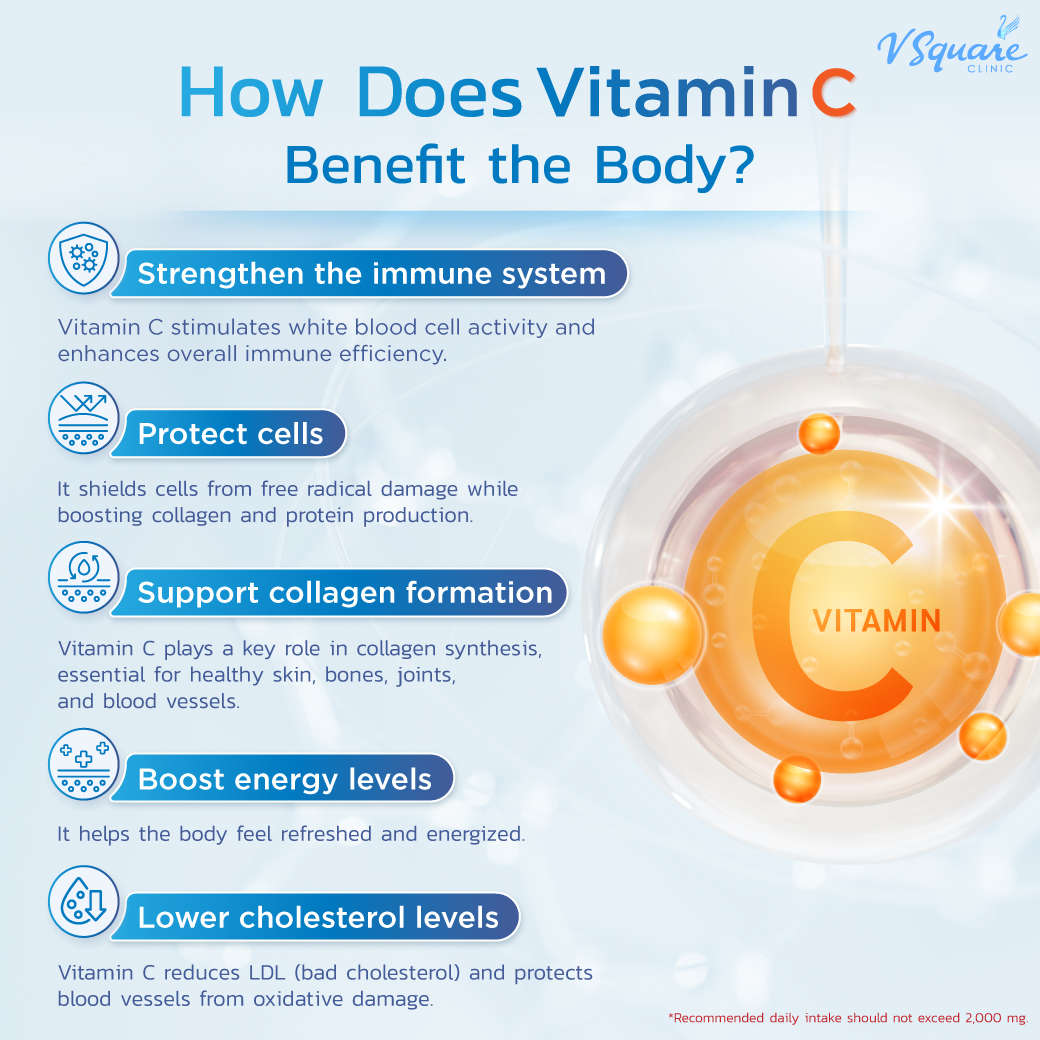
Here are the key benefits of Vitamin C:
- Strengthens the immune system by activating white blood cells and enhancing resistance to viruses and bacteria
- Protects cells from free radical damage, increases collagen and protein synthesis, and improves iron absorption
- Supports collagen production, vital for skin, bones, joints, and blood vessels
- Promotes energy levels, helping the body feel refreshed and energized
- Lowers LDL cholesterol (the “bad” cholesterol) and protects blood vessels from damage
- Aids wound healing by reducing swelling and inflammation, helping injuries recover faster
- Supports gum and dental health, preventing bleeding gums and mouth ulcers
- Reduces the risk of chronic conditions such as cardiovascular disease, anemia, and cataracts
Who Is Vitamin C Suitable For?
Vitamin C is suitable for people of all ages, especially those seeking stronger immunity, healthier skin, and protection against long-term illness. Its benefits can be grouped by life stage:
- Children & Teenagers: Supports growth and strengthens immunity
- Working Adults: Reduces fatigue, boosts energy, rejuvenates skin, minimizes wrinkles, and restores vitality
- Elderly Adults: Enhances immune defense, lowers the risk of chronic illness, improves iron absorption, and helps prevent age-related diseases
What Does Vitamin C Help With?
To make it easier to choose the right type of Vitamin C, its benefits can be grouped into three main categories:
| Category | Benefits |
|---|---|
| Skin Health | Helps the skin look fresh, radiant, and healthy |
| Immune Support | Strengthens the body’s ability to fight infections more effectively |
| Body Recovery | Reduces stress, fatigue, and exhaustion caused by lack of rest |
Vitamin C for Skin vs. Vitamin C for Immunity
Vitamin C for skin health focuses on boosting collagen production, reducing dark spots, and enhancing skin brightness. Vitamin C for immunity, on the other hand, helps increase white blood cell activity and reduces inflammation. Both functions are essential and work best together to provide comprehensive health support.
What Happens If You Lack Vitamin C?
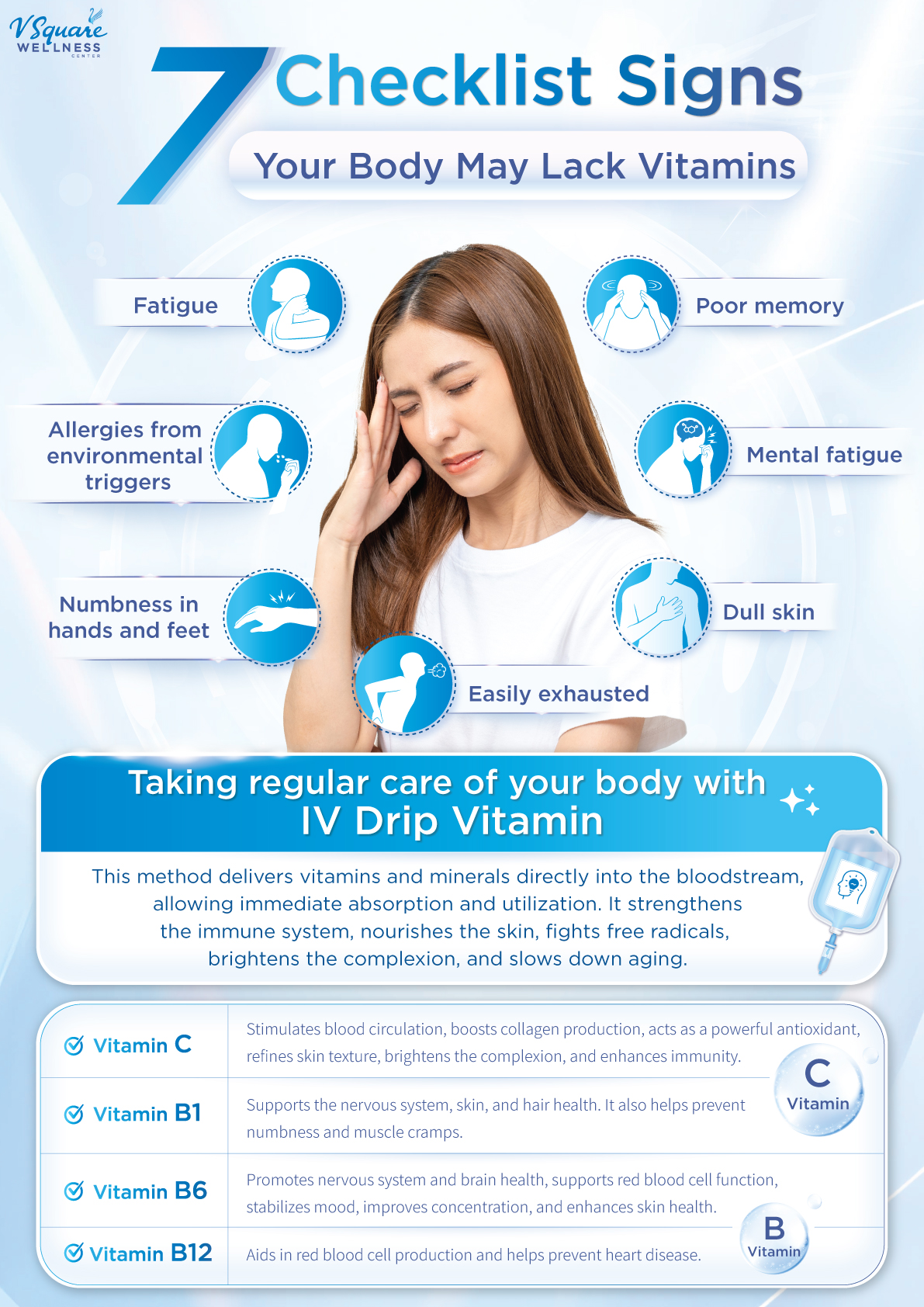
As explained earlier, Vitamin C is an essential nutrient that the body cannot produce on its own. When intake is insufficient, early warning signs may include:
- Fatigue and low energy
- Frequent colds, recurring flu, or allergic rhinitis
- Mental fatigue and lack of focus
- Poor memory and forgetfulness
- Stress, headaches, or migraines
- Tingling or numbness in the hands and feet
- Eye strain or blurred vision
- Dull complexion
- Dry, rough skin with wrinkles
- Bleeding gums
- Slow-healing wounds
Recommended Daily Intake of Vitamin C
The daily amount of Vitamin C needed varies by age, gender, and overall health condition.
According to the World Health Organization (WHO), teenagers and adults should consume around 65–90 mg per day. Intake should not exceed 2,000 mg daily, as excessive amounts may cause side effects such as nausea, abdominal cramps, or diarrhea.
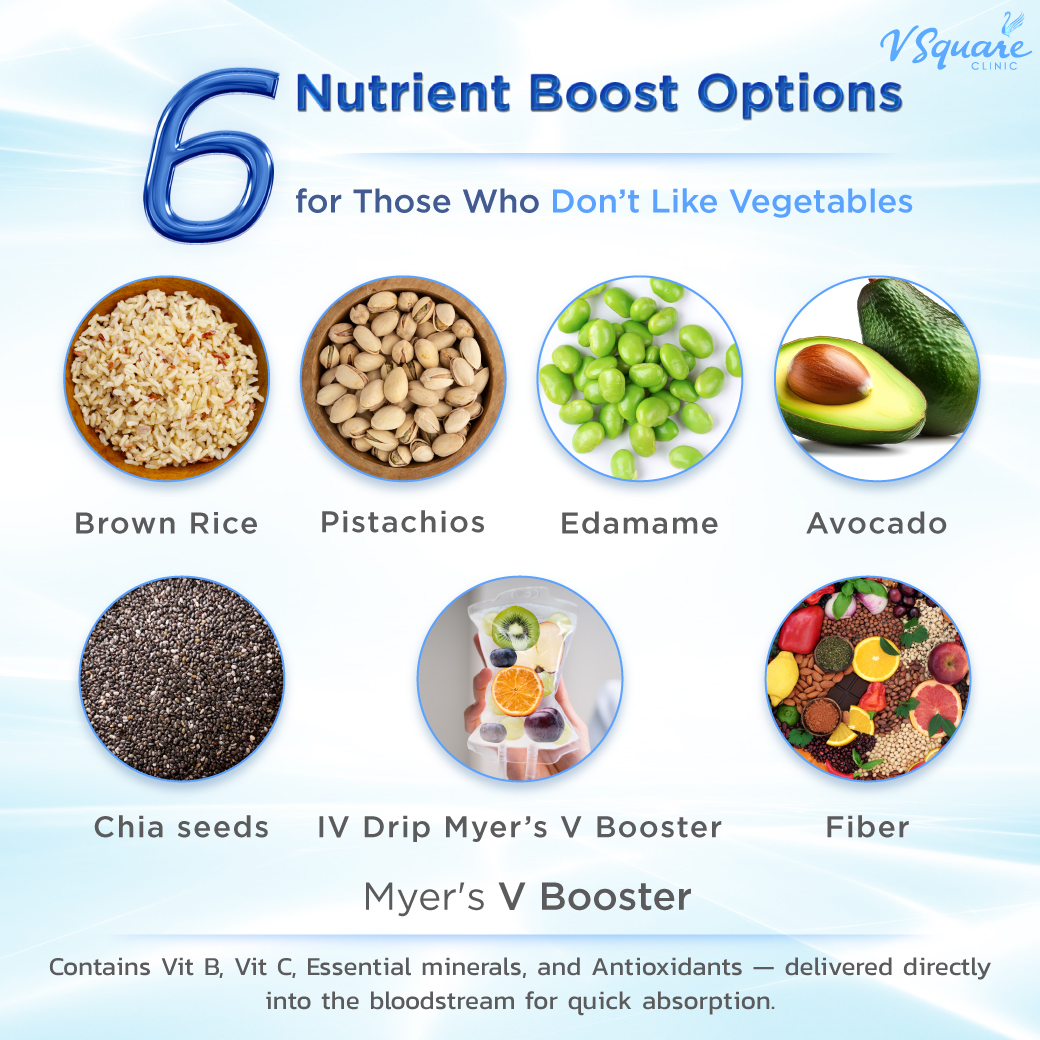
Vitamin C is naturally found in many fruits and vegetables, such as bell peppers, kale, broccoli, pistachios, edamame, avocados, guavas, Indian gooseberries, tamarinds, rambutans, papayas, oranges, chia seeds, and brown rice.
In today’s fast-paced lifestyle, however, proper nutrition is often neglected, making vitamin deficiencies common. While meals may contain some Vitamin C, the amount is often insufficient to meet the body’s needs. Over time, this shortfall can negatively affect overall health.
In such cases, alternative options such as Vitamin C supplements or IV Drip treatments can help maintain adequate levels.
How Many Types of Vitamin C Are There?
Modern formulations of Vitamin C come in various forms, ranging from 25 mg to 1,000 mg per dose, each with its own pros and cons:
- Tablets: Convenient but often large and hard to swallow
- Lozenges: Good for those who dislike pills, but may contribute to tooth erosion or decay
- Chewable tablets: Pleasant-tasting and kid-friendly, but usually high in sugar, increasing the risk of cavities
- Effervescent tablets: Easy to consume without swallowing pills, though carbonation may cause bloating
- Capsules: Available in hard or soft-gel form, making them easier to swallow and gentler on the stomach
- Powder sachets (direct consumption): Portable and easy to consume directly, available in various flavors, but often contain sweeteners
- Powdered drinks: Flavored and colored, require mixing with water before consumption
- Ready-to-drink bottles: Convenient but often include added sweeteners, colors, and flavors
- Jelly strips: Portable and easy to eat, available in many flavors; best to choose sugar-free and low-calorie options
- Injectable solution: Absorbed quickly without digestion, allowing the body to utilize it immediately
Oral Vitamin C vs. IV Drip Vitamin C
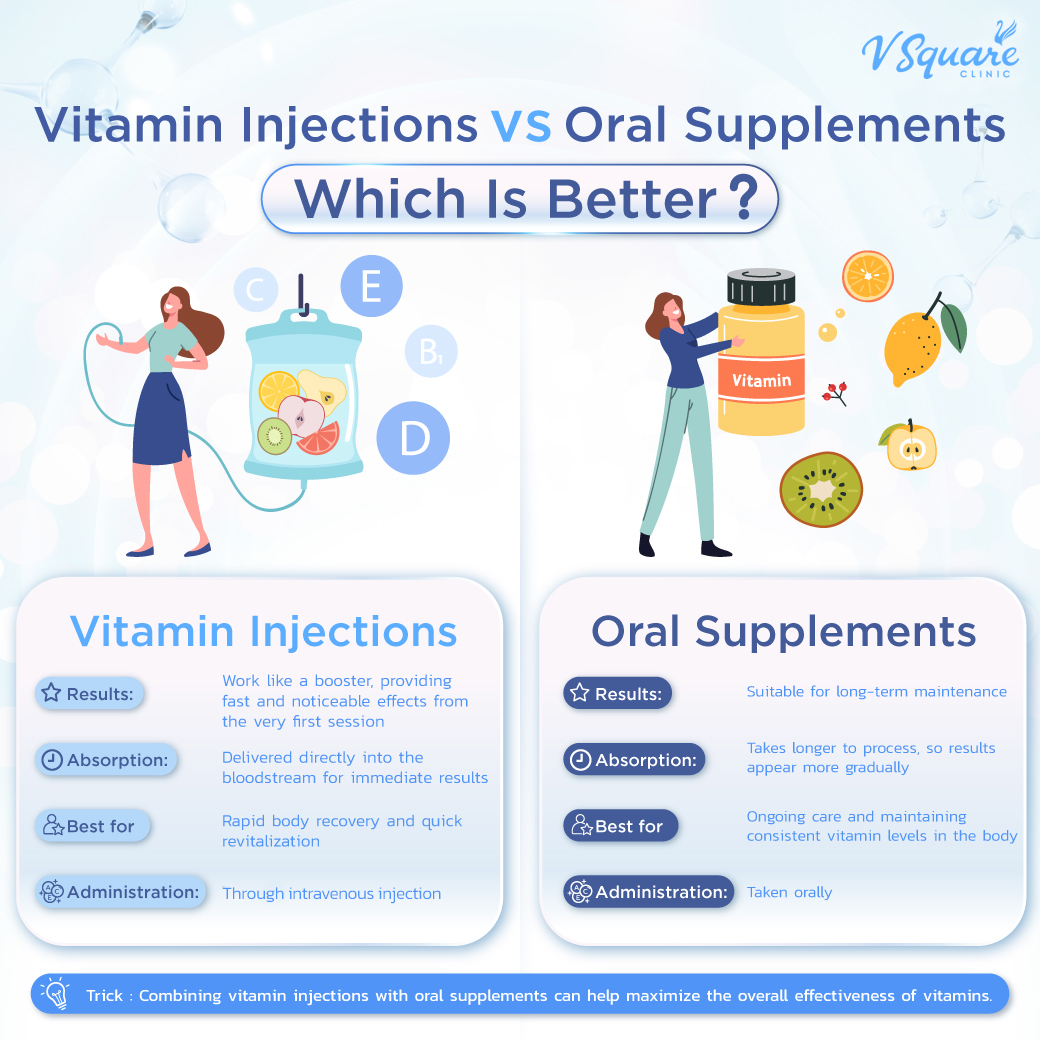
Although there are many forms of Vitamin C, they can be categorized into two main groups: oral supplements and IV Drip (intravenous infusion).
- Oral Vitamin C is best for daily health maintenance and long-term wellness.
- IV Drip Vitamin C is recommended for individuals seeking rapid recovery, quick revitalization, or intensive health support. Clinics typically offer multiple IV Drip formulations to meet different needs.
Myer’s V Booster — Refresh Your Energy Anytime
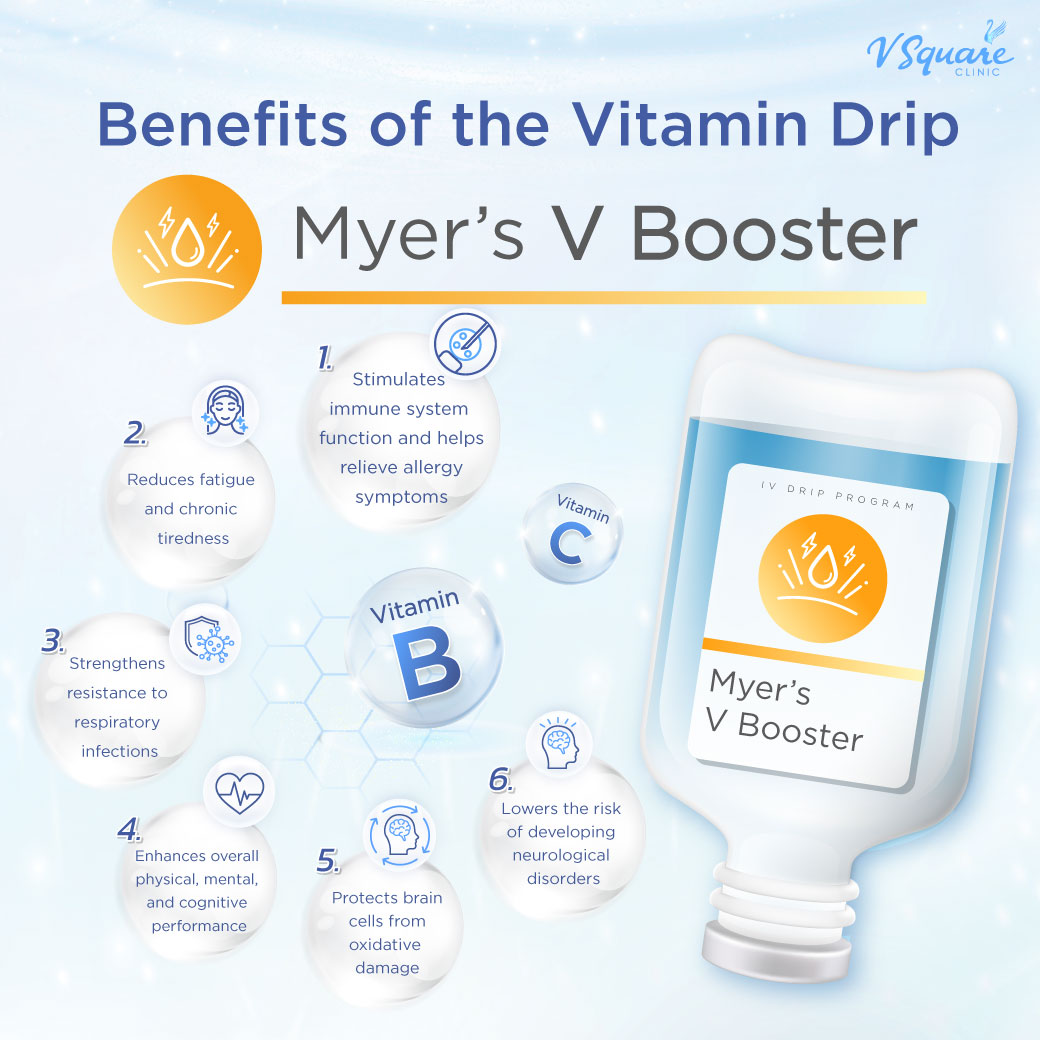
The Myer’s V Booster IV Drip contains Vitamin C, B-complex vitamins, essential minerals, and a variety of antioxidants. This formula strengthens the immune system, supports overall health, combats free radicals, brightens skin tone, and helps slow aging. Because it is administered intravenously, the nutrients are delivered directly into the bloodstream, allowing the body to use them immediately for a quick energy boost and stronger immunity.
How to Maximize the Benefits of Vitamin C
To maximize the benefits of Vitamin C, it is important to maintain a balanced diet with all five food groups, particularly fruits and vegetables rich in Vitamin C. For individuals who do not regularly consume vegetables, there are still alternative ways to meet daily Vitamin C requirements.
If considering IV vitamin drips or Vitamin C supplements, it is best to consult a doctor first. At V Square Clinic, our doctors provide a thorough consultation that includes medical history, hormone testing, and nutritional analysis. This ensures personalized recommendations tailored to each individual’s health needs — whether through diet, supplements, or lifestyle adjustments.
IV Drip at V Square Wellness
At V Square Wellness, IV Drip treatments are supervised by experienced doctors, with free consultations included. We offer a range of vitamin drip formulas to suit different needs.
- Myer’s V Booster is part of our V Healthy Booster line, with prices starting from 2,500 THB.
- For those who want to focus specifically on skin health, the V Bright Booster is also available.
Interested in planning your health regimen or trying vitamin drips at V Square Clinic?
Click to view our latest promotions.

Summary — Why Vitamin C Is Essential for the Body
Vitamin C is essential for maintaining good health, supporting immunity, and enhancing skin quality. Yet, it can be difficult to consistently consume enough fresh vegetables or citrus fruits to meet daily needs. A deficiency may lead to health problems and raise the risk of disease over time.
This is why Vitamin C is a nutrient the body should never lack. Ensuring adequate daily intake is vital for lasting health and overall wellness.
Reference
- National Institutes of Health, (2021), Vitamin C Fact Sheet for Health Professionals. Retrieved 17 January 2025, from https://ods.od.nih.gov/factsheets/VitaminC-HealthProfessional/.
- National Institutes of Health, (2019), Vitamin C Fact Sheet for Consumers. Retrieved 17 January 2025, from https://ods.od.nih.gov/factsheets/VitaminC-Consumer/.
- กรมอนามัย. (2563), ปริมาณสารอาหารอ้างอิงที่ควรได้รับประจำวันสำหรับคนไทย พ.ศ. 2563. Retrieved สืบค้น 17 มกราคม 2568, จาก https://www.thaidietetics.org/wp-content/uploads/2020/04/dri2563.pdf

สำหรับผู้อ่านทุกท่านที่มีข้อสงสัยเพิ่มเติม ทีมแพทย์ V Square Clinic ทุกคนยินดีให้คำปรึกษาฟรี โดยไม่มีค่าใช้จ่าย หรือสามารถปรึกษาหมอทาง inbox facebook หรือ Line นี้ได้เลยครับ หมอตอบเองครับ

What Is a Weight Loss Pen? How It Works & How to Choose the Right Option for Effective Results
Reading Time: 10 minutesObesity has become a major global health concern, leading many people to seek weight-loss methods that are both safe and effective. A weight loss pen, also known as a weight loss injection pen, is one of the medical innovations that has gained significant popularity in recent years

Wegovy Weight Loss Pen (Semaglutide): A Medical Approach ...
Reading Time: 10 minutesWegovy is a weight-loss pen developed in Denmark, containing the active ingredient Semaglutide. It is a treatment option designed to help individuals with obesity reduce weight and lower long-term health risks associated with excess body fat.

What Is Sinusitis? Causes, Treatments, and Ways to Streng...
Reading Time: 7 minutesSinusitis is becoming increasingly common, affecting around 15% of the general population. Although the condition is not typically dangerous and can be fully treated, inadequate self-care may lead to chronic symptoms or complications that require longer treatment.

What Visceral Fat Is — 9 Ways to Reduce VF Levels and Low...
Reading Time: 11 minutesMany people think visceral fat is the same as the belly fat you can see or pinch. In reality, visceral fat also surrounds vital organs such as the liver, intestines, and heart. Because of its location, it provides important clues about overall health.

Get to Know inBo — A New Korean-Swedish Botox with Fast R...
Reading Time: 8 minutesinBo is a new-generation botulinum toxin that has been gaining a lot of attention thanks to its high purity, fast onset, natural-looking results, and brand transparency. The manufacturer clearly discloses both the bacterial strain and its production origin, which many patients appreciate.

Best Ways to Tighten Enlarged Pores for Smoother Skin — W...
Reading Time: 14 minutesEnlarged pores can make the skin appear uneven and affect overall confidence. Today, there are many ways to tighten pores — from skincare ingredients and topical treatments to medical-grade procedures.