
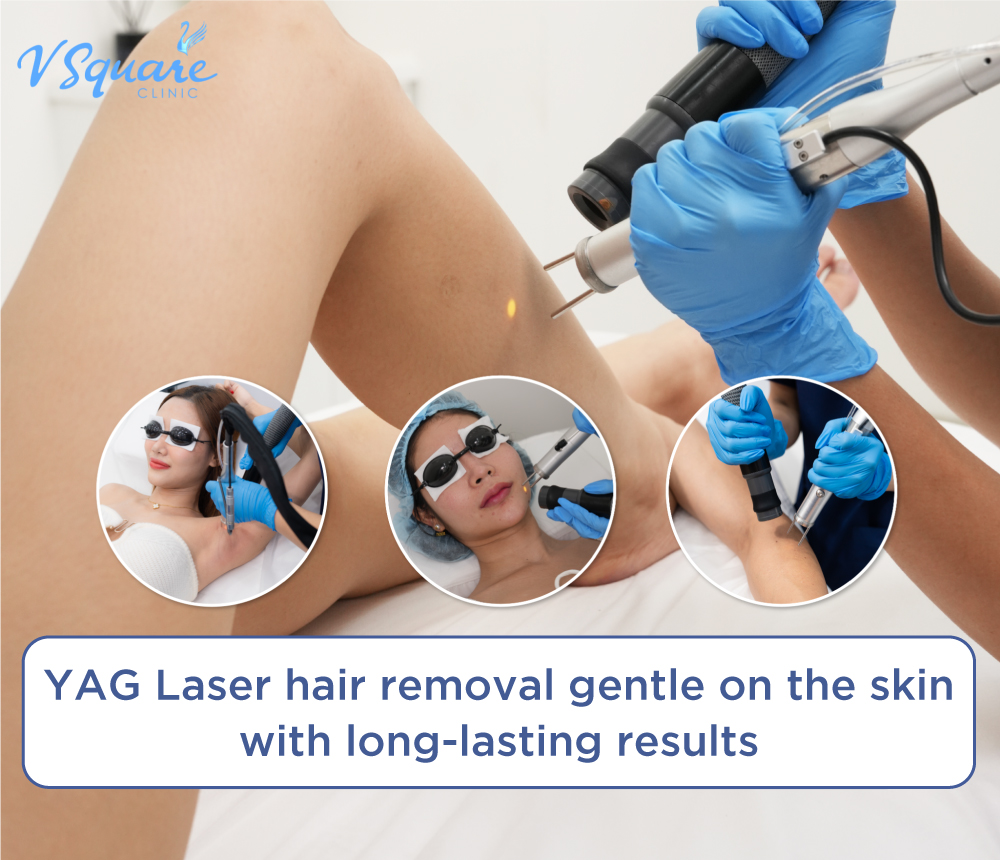
YAG Laser
When considering modern hair removal solutions, laser treatments are often among the first options that come to mind. One of the most trusted options is the YAG Laser, known for its effectiveness and skin-friendly performance.
This article explains what the YAG Laser is, how it works, its benefits beyond hair removal, the different types available, suitable treatment areas, its pros and cons, and typical costs. If you’re considering laser hair removal, this guide will help you understand the essentials before making a decision.
Table of content : YAG Laser
What Is YAG Laser and How Does It Work?
YAG Laser stands for Yttrium Aluminum Garnet laser, a type of solid-state laser that uses yttrium aluminum garnet crystals as its energy medium. When activated, it converts energy into heat at varying skin depths, which helps break down melanin pigment beneath the surface. This makes it effective in fading dark spots, redness, freckles, melasma, and tattoos. Additionally, it can target hair follicles, gradually weakening them through controlled thermal energy.
YAG Laser operates at two key wavelengths:
- 532 nanometers – Targets superficial skin layers. This setting is ideal for treating redness, superficial freckles, sunspots, and melasma.
- 1,064 nanometers – Penetrates deeper layers up to 7 mm. Suitable for deeper pigmentation issues like dermal melasma, scars, and tattoos, and also effective for hair removal.
One of the main advantages of YAG Laser hair removal is its compatibility with all skin tones and most hair colors, except white or gray hair, as the laser targets melanin found in darker hairs.
Each YAG Laser session typically reduces about 15–20% of treated hair. For best results and long-lasting smoothness, repeated sessions are needed — typically every 4 weeks for a total of 5 to 8 sessions, depending on individual response.
What Types of Hair Removal Lasers Are Available Today?
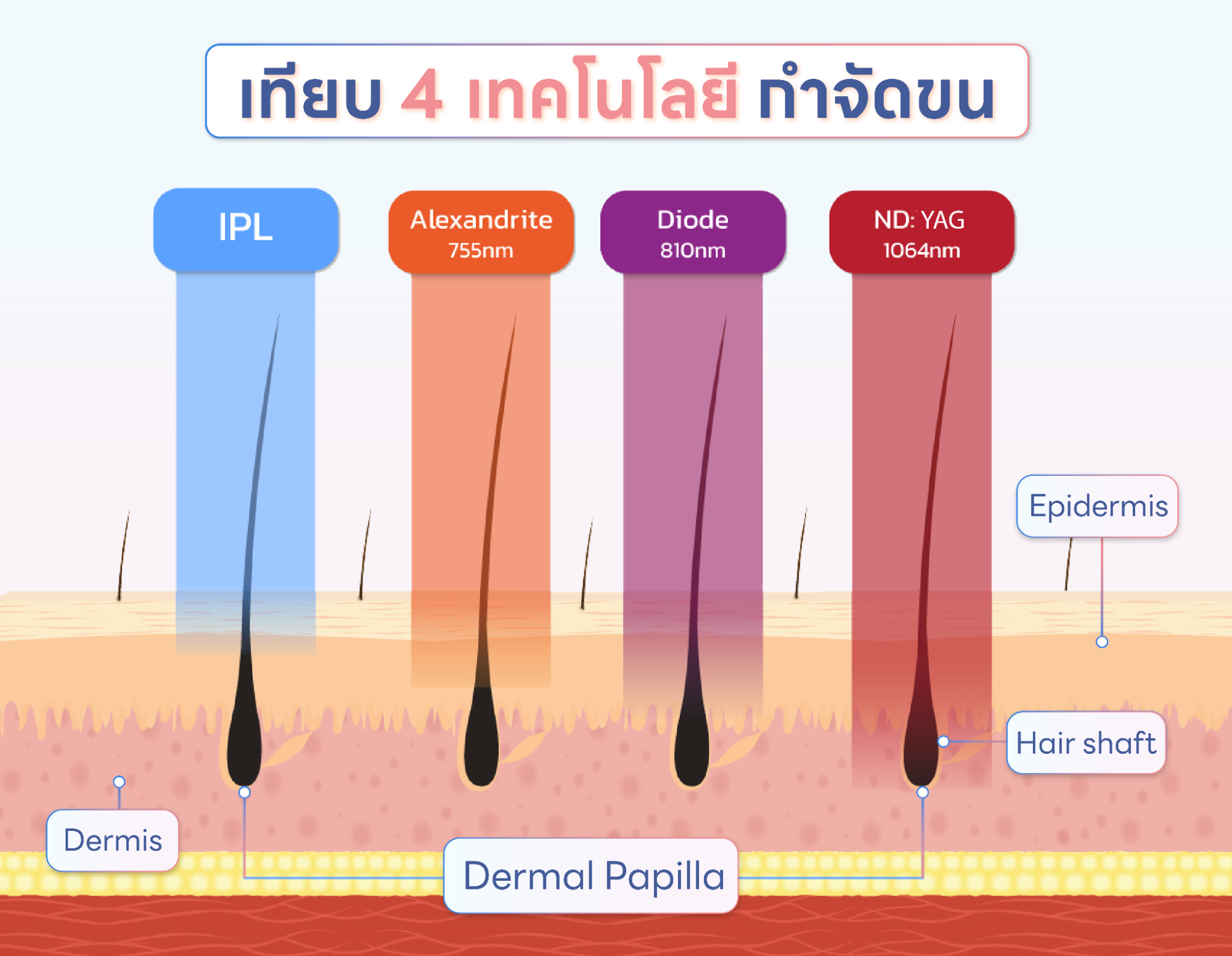
Laser Technology Types
IPL (Intense Pulsed Light)
IPL stands for Intense Pulsed Light. Although it uses high-intensity light, it is technically not classified as a laser because it emits energy at a broader spectrum and lower intensity. This makes IPL gentler and more suitable for sensitive skin. However, because its light disperses broadly, IPL can cause more redness, swelling, or even burning if the energy used is too high.
Another advantage of IPL hair removal is that it tends to be more affordable than laser treatments, making it a practical option for those on a budget, although it usually requires more frequent sessions for visible results.
Best suited for: People with lighter skin and finer hair.
Diode laser
The Diode laser operates at multiple wavelengths (typically 800–810 nm, 940 nm, and 1,064–1,350 nm), allowing for customized settings based on hair thickness, color, skin tone, and treatment area. Diode energy is highly absorbed by melanin, making it very effective at targeting hair follicles. It also penetrates deeply into the skin and can stimulate collagen production, which helps to improve skin texture and reduce dullness.
However, the Diode laser may not be ideal for smaller or delicate areas and is better suited for larger zones such as the arms and legs.
Best suited for: Medium to large treatment areas, all hair types (except white hair).
Alexandrite laser
The Alexandrite laser uses Alexandrite crystals as its energy source and emits a wavelength of 755 nanometers. This wavelength penetrates deeper than IPL and offers strong melanin absorption, though not as deep as YAG lasers. It’s particularly effective for lighter to medium skin tones, such as fair, light tan, or yellowish skin.
Best suited for: Large areas such as the legs and arms.
Ruby laser
The Ruby laser uses a ruby crystal (red sapphire) to generate energy, with a wavelength of 694 nanometers. It was the first-ever laser technology used for hair removal. While it causes minimal irritation, it doesn’t penetrate deeply enough to destroy the root of thicker hair.
Best suited for: Fine, thin, or light hair types.
Nd-YAG laser
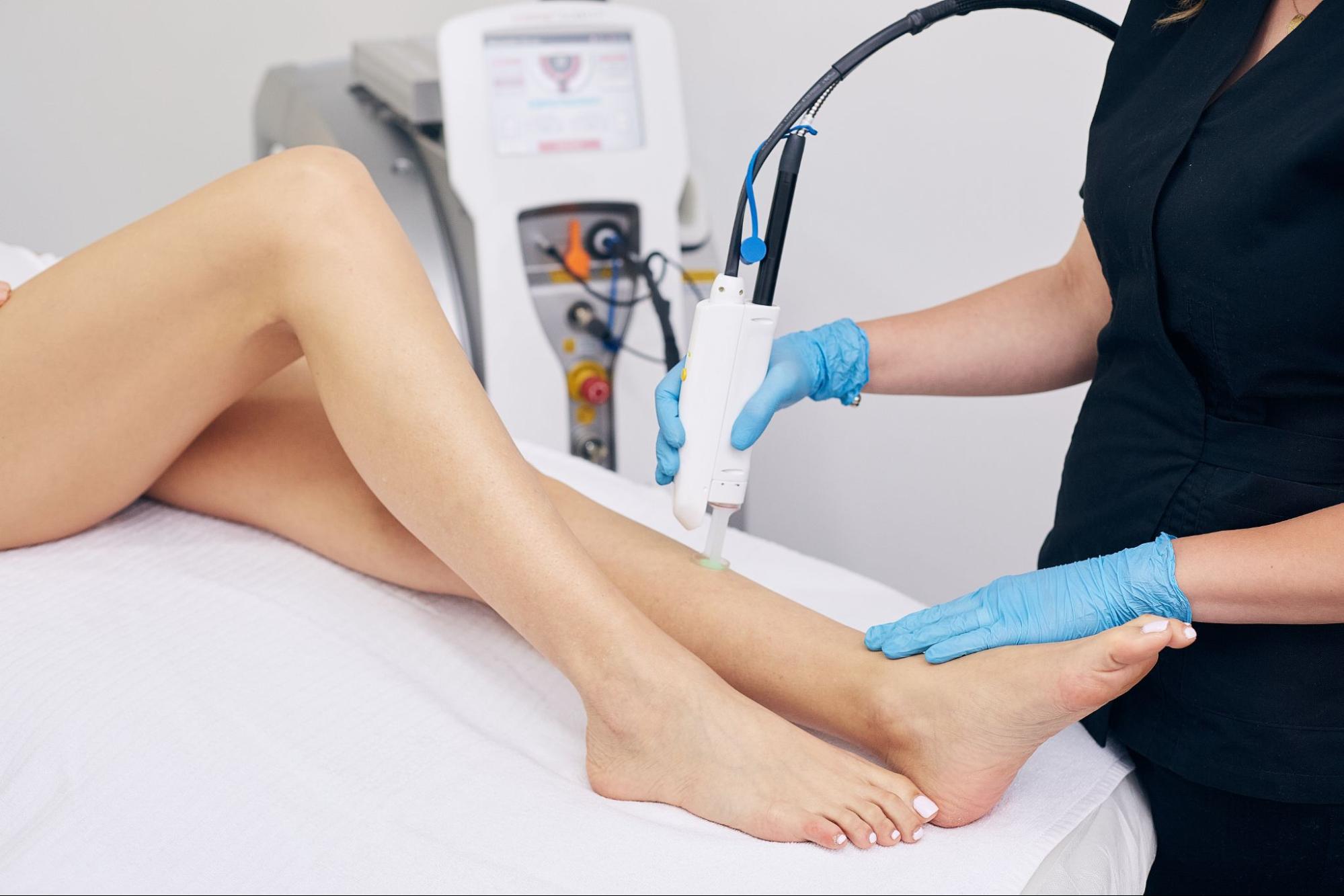
The Nd:YAG Laser is a subtype of YAG lasers that includes Neodymium ions in its laser medium. Sometimes it’s referred to simply as “YAG Laser” or by brand names like “Gentle Laser.” This laser emits at 1,064 nanometers, capable of penetrating 5–7 mm deep into the skin to target the hair root effectively.
Best suited for: all skin tones and most hair colors — except white or gray hair, as there’s no melanin for the laser to target.
What Is YAG Laser Used For, and What Types Are There?
Different Types of YAG Lasers and Their Functions
YAG lasers can be categorized by the type of crystal or energy medium used. There are three main types, each with its strengths:
- Nd:YAG Laser
The Nd:YAG laser is the most commonly used type. It includes Neodymium ions in the energy medium and operates at 1,064 nanometers. It is widely used for hair removal, minimizing fine lines, tightening pores, and treating hyperpigmentation issues. - Er:YAG Laser
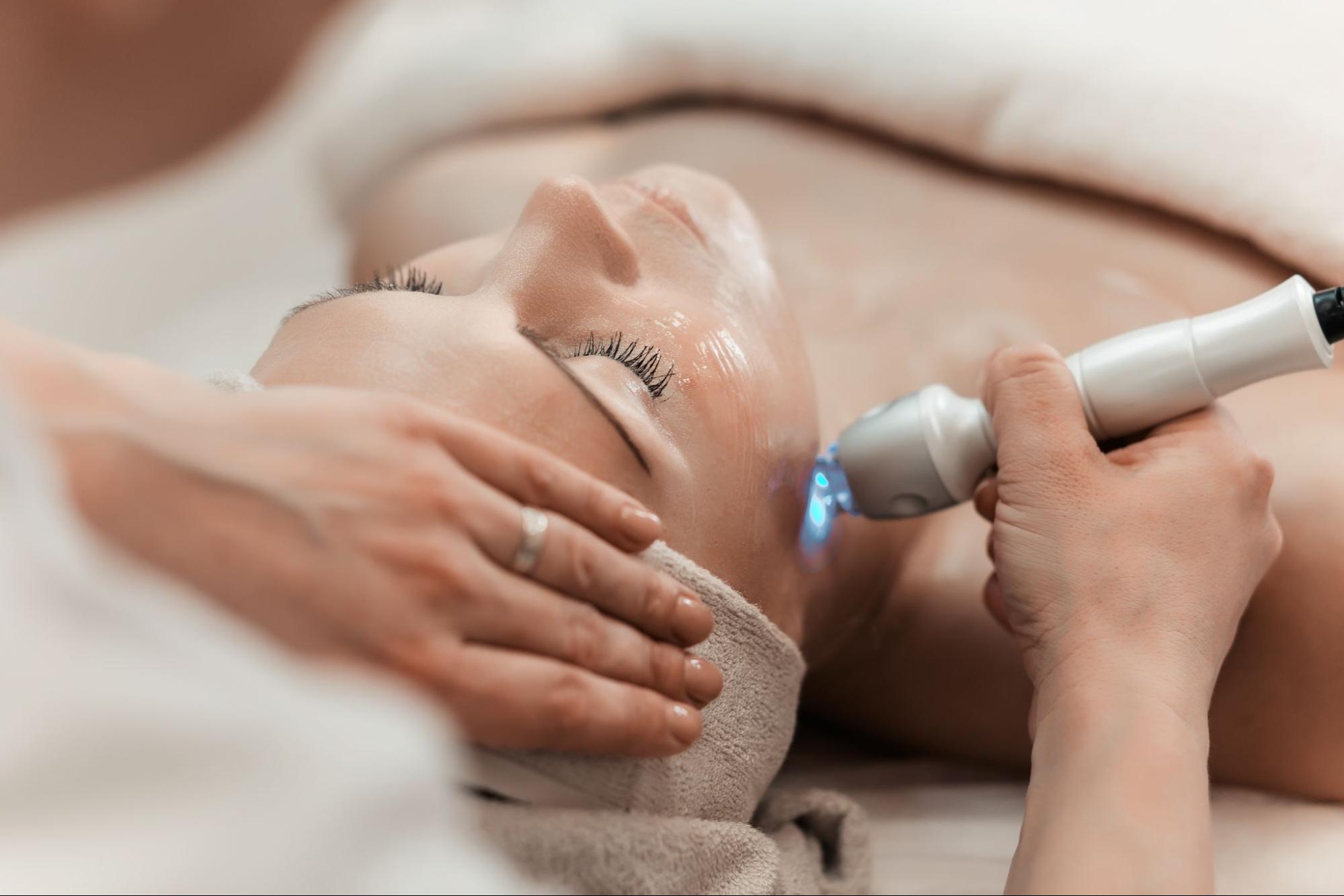
The Er:YAG laser includes Erbium ions and operates at 2,940 nanometers, a wavelength highly effective at targeting water molecules in the skin. It generates heat in the dermal layer, which stimulates new collagen production. Because of its precision, the Er:YAG laser is often used for acne scar treatment, skin resurfacing, and breaking up fibrotic tissue in deeper layers of the skin.
- Ho:YAG Laser
The Ho:YAG Laser incorporates Holmium ions in its laser medium and emits light at a wavelength of 2,100 nanometers. This type is primarily used in medical applications, such as breaking down kidney stones and assisting in various types of surgical procedures.
YAG Laser technology has been adapted and developed to suit different clinical applications and modes of operation. When it comes to hair removal, the most common YAG laser modes include:
- Long-pulsed Nd:YAG Laser
The long-pulsed Nd:YAG laser delivers energy with a pulse duration in the millisecond range, providing lower peak intensity but longer exposure time, resulting in better heat control and higher overall energy absorption compared to the Q-switched Nd:YAG laser. This mode is ideal for hair removal, slowing down hair regrowth, and supporting skin rejuvenation. - Q-switched Nd:YAG Laser
The Q-switched Nd:YAG laser operates with a pulse duration in the nanosecond range, emitting high-energy bursts in short pulses. This makes it ideal for tattoo removal, as well as treating dark birthmarks, melasma, freckles, and other pigment-related concerns.
Why Is YAG Laser So Popular?
The YAG Laser has become one of the most trusted technologies for hair removal, thanks to its FDA approval in the U.S. and recognition in many other countries. It’s considered highly effective, capable of destroying hair at the root while being gentle on the skin and safe for all skin types.
What’s the Difference Between Gentle YAG and Nd:YAG?
The Gentle YAG laser includes a Dynamic Cooling Device (DCD) that releases a quick burst of cold gas simultaneously with the laser pulse to minimize discomfort during treatment.
On the other hand, standard Nd:YAG systems do not come with this built-in cooling system. However, they can be paired with external cold air blowers, many of which now offer superior cooling capabilities that may reduce discomfort even more effectively than DCD systems.
Who Is YAG Laser Suitable For and Which Areas Can Be Treated?
Who Is YAG Laser Suitable For?
- Individuals looking to reduce or remove unwanted body hair, including sensitive or intimate areas.
- Those who want smoother, clearer skin.
- Suitable for all genders, all ages, and all skin tones, especially those prone to ingrown hairs.
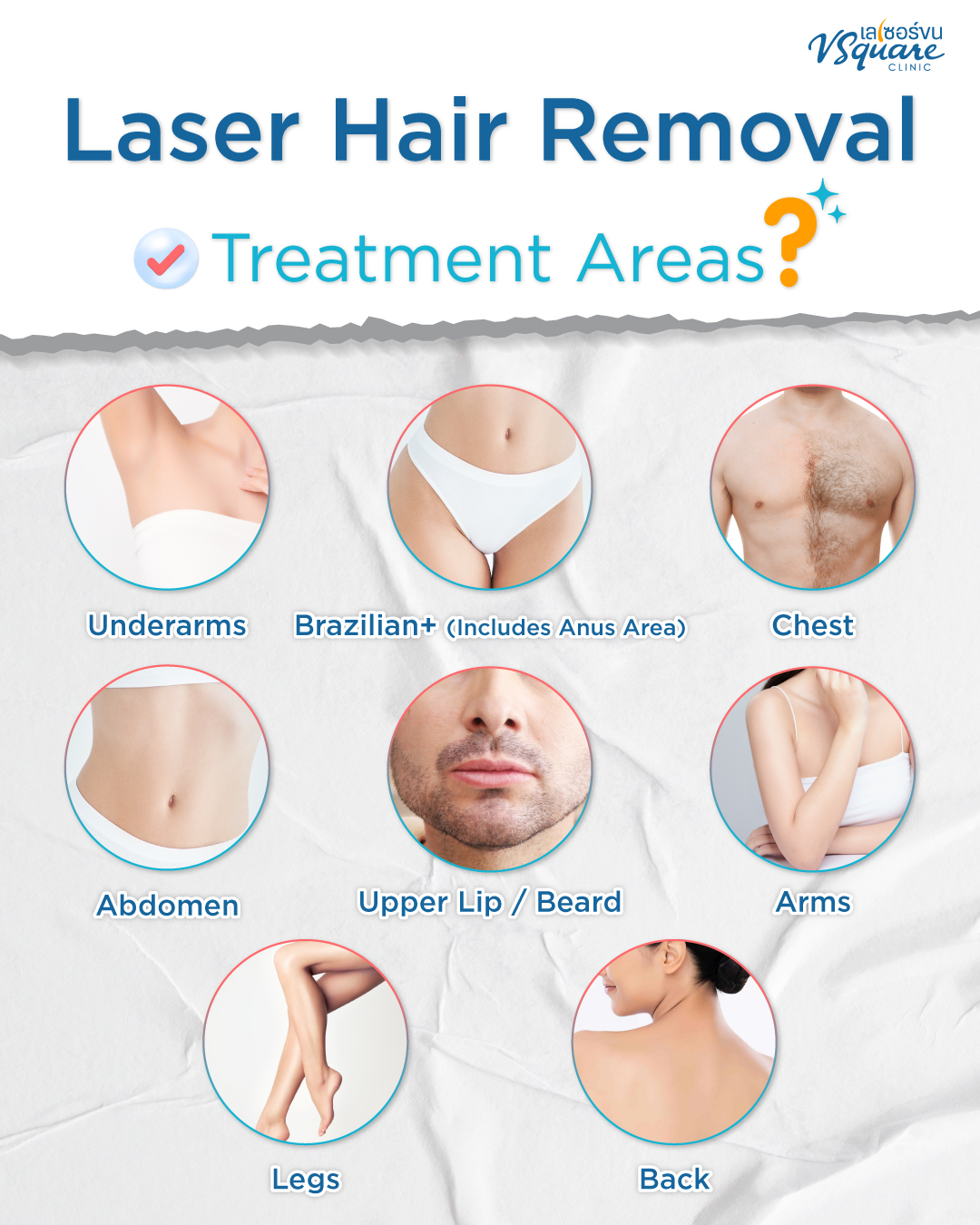
YAG Laser Hair Removal – Treatment Areas
YAG Underarms
Underarm hair removal with YAG Laser is one of the most popular treatments. It helps remove underarm hair thoroughly while also improving the appearance of “chicken skin” (bumpy texture), leaving the skin smoother and more even.
YAG Brazilian
YAG Brazilian Laser — also known as bikini or intimate area hair removal — is designed to effectively remove hair in sensitive areas with minimal irritation, making it a gentle yet powerful solution for delicate skin.
YAG Facial Hair
For fine facial hair such as baby hairs, peach fuzz, or mustache hair, YAG Laser can be used safely without damaging the skin. It’s ideal for those looking to refine facial contours and maintain a smooth complexion.
YAG Arm and Leg Hair
YAG Laser can also be used to remove hair from the arms and legs, helping reduce the risk of ingrown hairs and resulting in smoother, more even-toned skin. However, treatments for these larger areas typically require more time per session.
Everything You Should Know Before Getting YAG Laser Treatment
Pros and Cons of YAG Laser Hair Removal
Pros of YAG Laser:
- Clinically proven and US FDA-approved for safety.
- Effectively targets hair down to the follicle level.
- Minimal irritation with no damage to the skin’s surface.
Cons of YAG Laser:
- Less ideal for large treatment areas, as each session can take time.
- More expensive compared to some other laser technologies.
Things to Know Before and After YAG Laser Treatment
Before Treatment
- Avoid scrubbing or exfoliating the treatment area beforehand.
- Do not pluck or wax the hair before the session.
- Refrain from applying any creams, especially exfoliating products, lotions, or deodorants on the day of treatment.
After Treatment
- Avoid hot showers, steam baths, or saunas for the first 2–3 days.
- Do not scratch, scrub, or exfoliate the treated area.
- Refrain from plucking, shaving, or waxing after the session.
- Apply cold compresses if mild redness or a stinging sensation occurs post-treatment; these symptoms usually fade within a day.
Is YAG Laser Hair Removal Permanent? How Many Sessions Are Needed?
YAG Laser offers long-term and potentially permanent hair reduction. However, results vary based on several factors such as skin tone, hair color and thickness, hormone levels, and treatment consistency.
Typically, each session reduces hair by about 15–20%. To see noticeable results, treatments should be scheduled every 4 weeks for at least 5 to 8 sessions.
Are There Any Side Effects or Risks with YAG Laser?
YAG Laser is a safe, medically approved technology that effectively removes hair with minimal side effects. Most patients only experience temporary redness, which resolves on its own and does not lead to any long-term issues.
That said, it’s important to research the brand and quality of the YAG laser machine used. Ensure it is an authentic device certified by local health authorities, such as the Thai FDA, and always gets treated at a reputable clinic under professional supervision.
Is YAG Laser Affordable and Truly Worth It?
YAG Laser is a highly effective method for hair removal, with prices starting at around 1,000 THB per session. Costs may vary depending on the treatment area, with larger areas such as the arms or legs typically being more expensive due to longer session times.
Interested in Cool Yag 1064 at V Square Clinic? Click to see our latest promotions.
Conclusion
YAG Laser is a safe and widely trusted hair removal solution that works well for multiple body areas with minimal irritation, especially for Asian skin tones and darker hair.
With various YAG Laser types available today, it’s best to consult with a qualified physician to determine the most suitable type for your needs. Most importantly, always choose a licensed clinic with certified devices and trained medical staff for the safest, most effective results.

สำหรับผู้อ่านทุกท่านที่มีข้อสงสัยเพิ่มเติม ทีมแพทย์ V Square Clinic ทุกคนยินดีให้คำปรึกษาฟรี โดยไม่มีค่าใช้จ่าย หรือสามารถปรึกษาหมอทาง inbox facebook หรือ Line นี้ได้เลยครับ หมอตอบเองครับ

What Is a Weight Loss Pen? How It Works & How to Choose the Right Option for Effective Results
Reading Time: 10 minutesObesity has become a major global health concern, leading many people to seek weight-loss methods that are both safe and effective. A weight loss pen, also known as a weight loss injection pen, is one of the medical innovations that has gained significant popularity in recent years

Wegovy Weight Loss Pen (Semaglutide): A Medical Approach ...
Reading Time: 10 minutesWegovy is a weight-loss pen developed in Denmark, containing the active ingredient Semaglutide. It is a treatment option designed to help individuals with obesity reduce weight and lower long-term health risks associated with excess body fat.

What Is Sinusitis? Causes, Treatments, and Ways to Streng...
Reading Time: 7 minutesSinusitis is becoming increasingly common, affecting around 15% of the general population. Although the condition is not typically dangerous and can be fully treated, inadequate self-care may lead to chronic symptoms or complications that require longer treatment.

What Visceral Fat Is — 9 Ways to Reduce VF Levels and Low...
Reading Time: 11 minutesMany people think visceral fat is the same as the belly fat you can see or pinch. In reality, visceral fat also surrounds vital organs such as the liver, intestines, and heart. Because of its location, it provides important clues about overall health.

Get to Know inBo — A New Korean-Swedish Botox with Fast R...
Reading Time: 8 minutesinBo is a new-generation botulinum toxin that has been gaining a lot of attention thanks to its high purity, fast onset, natural-looking results, and brand transparency. The manufacturer clearly discloses both the bacterial strain and its production origin, which many patients appreciate.

Best Ways to Tighten Enlarged Pores for Smoother Skin — W...
Reading Time: 14 minutesEnlarged pores can make the skin appear uneven and affect overall confidence. Today, there are many ways to tighten pores — from skincare ingredients and topical treatments to medical-grade procedures.